


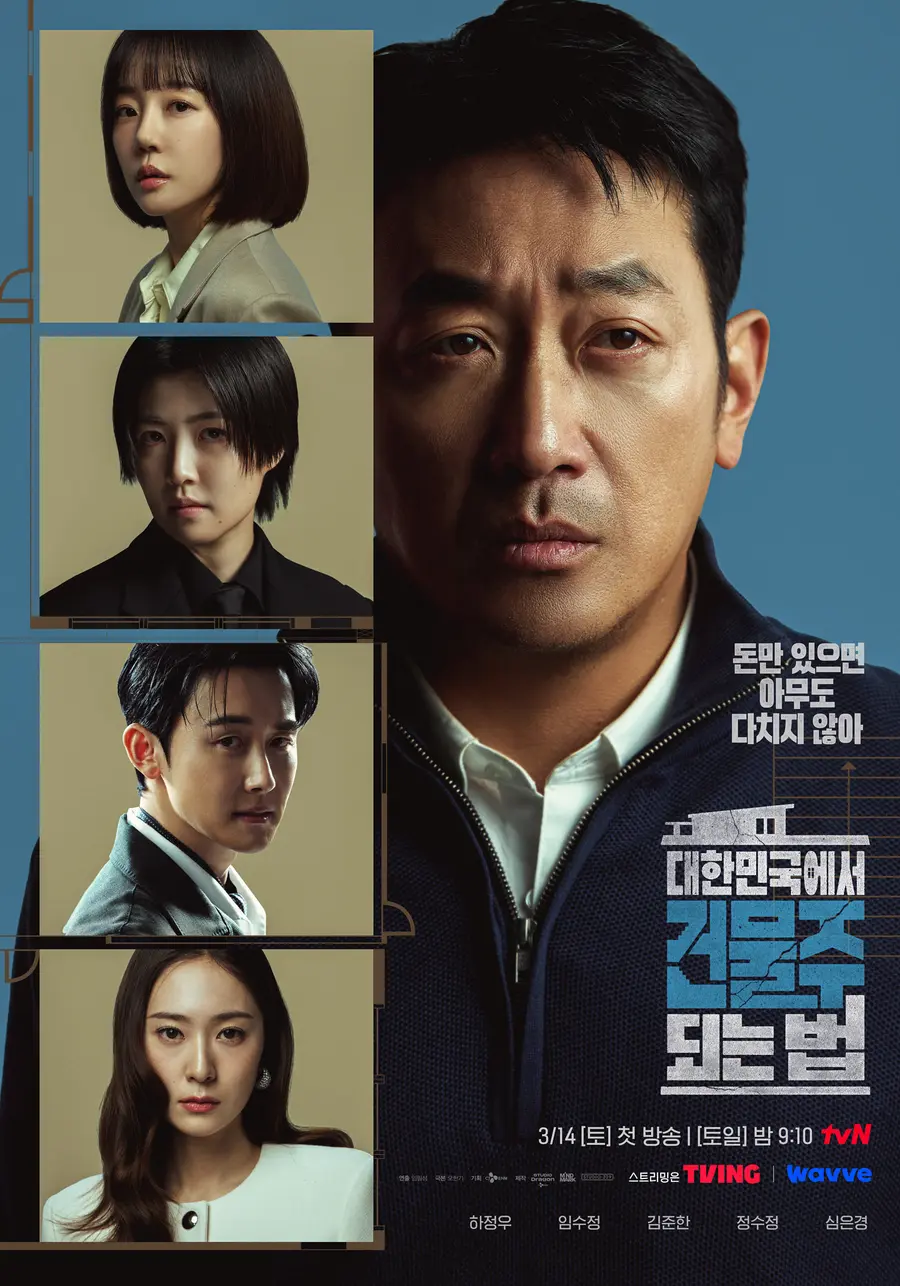
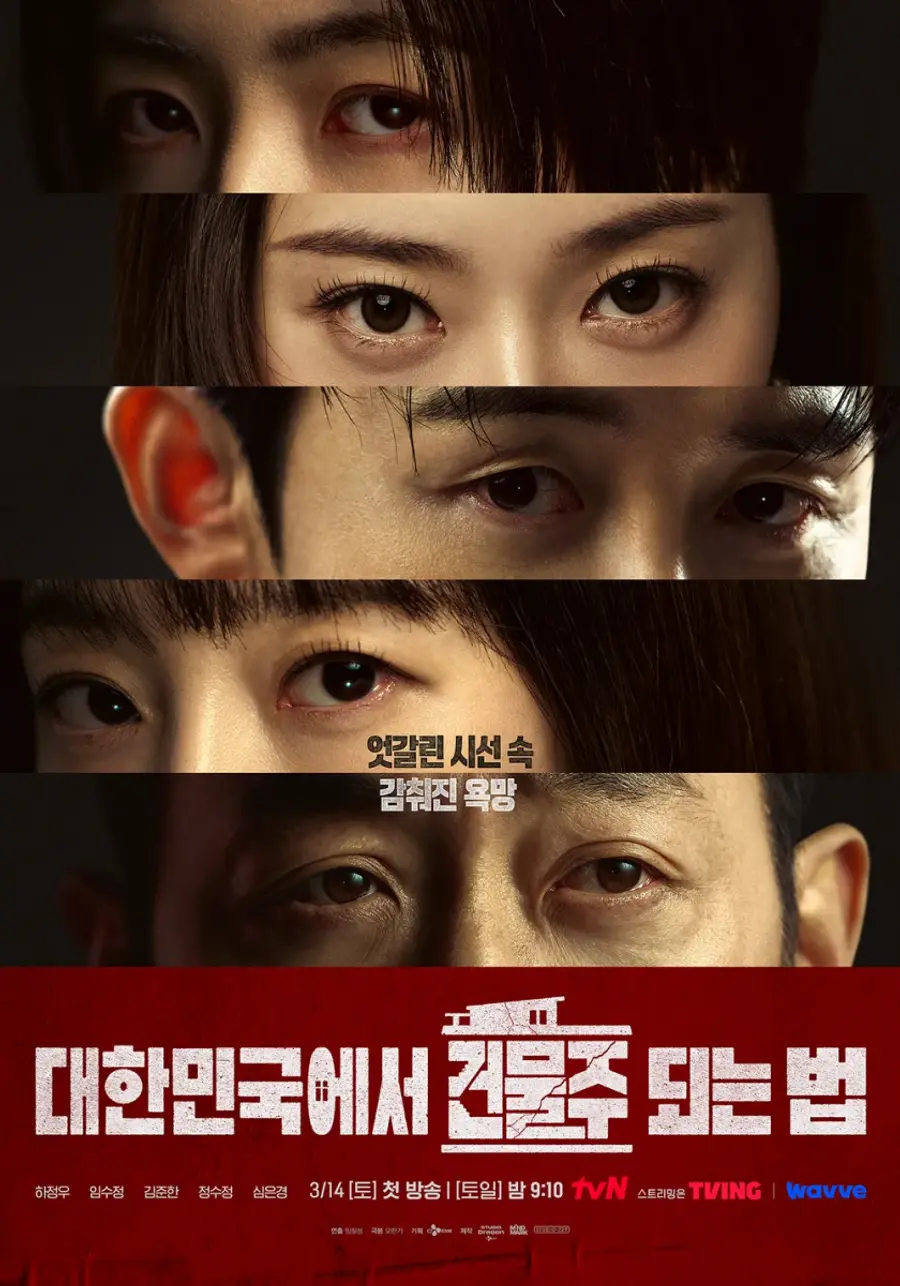
▶ 〈How to Become a Landlord〉 The interview with Director Im Pil-seong continues from Part 1.
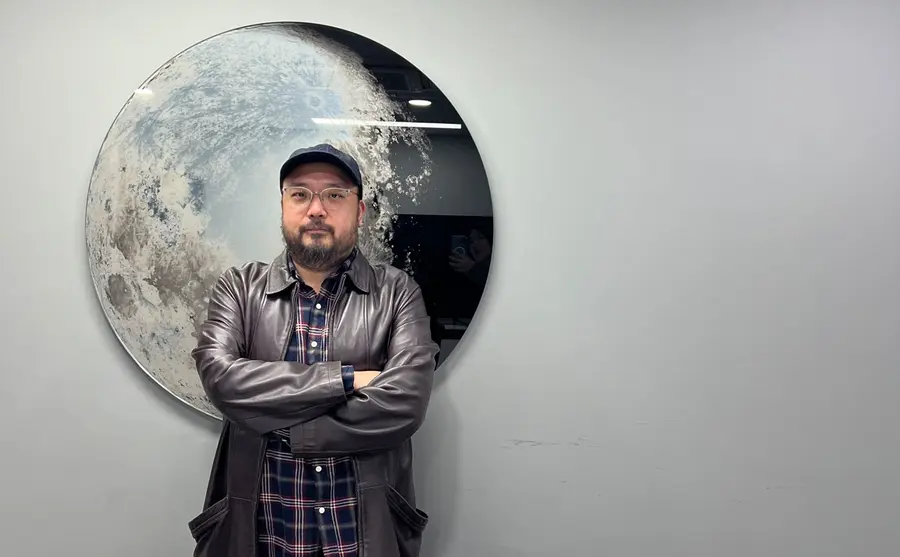
After episode 7, it felt like the ending was shaped by the director’s point of view. But it’s pretty rare for both the writer and the director to be making a drama together for the first time. Usually, one side teams up with someone who understands drama conventions, and this felt like a bold setup. I also think the way the director and the writer collaborated was a little different from what you typically see in dramas.
The writer’s drama debut—and I also didn’t have much series experience. For both of us, it was our first drama. Still, I wasn’t overly worried. Instead of worrying about Studio 329—where 〈Human Class〉 was made—or about the drama being produced by Studio Dragon, one of the representative production companies, I went in trusting their judgment. It seems like things came together pretty smoothly thanks to a strong casting lineup, but before we even started, there were a lot of twists and turns. Whenever it got hard, the studio and the company president kept us grounded, and they continued fine-tuning the genre direction with us. Because of that, we were able to work freely without getting trapped by typical drama conventions.
Another real appeal is that each episode responds in real time to viewers’ reactions. When it airs, what kinds of reactions stand out to you?
I don’t usually read a lot of comments, but this time—since it’s a drama on a channel many people watch—I found myself noticing more than usual. In particular, reactions like, “I can’t tell if the protagonist is good or bad,” or “I can’t connect emotionally,” kept coming up again and again. That’s when I felt it again: those are important pressure points in drama conventions.
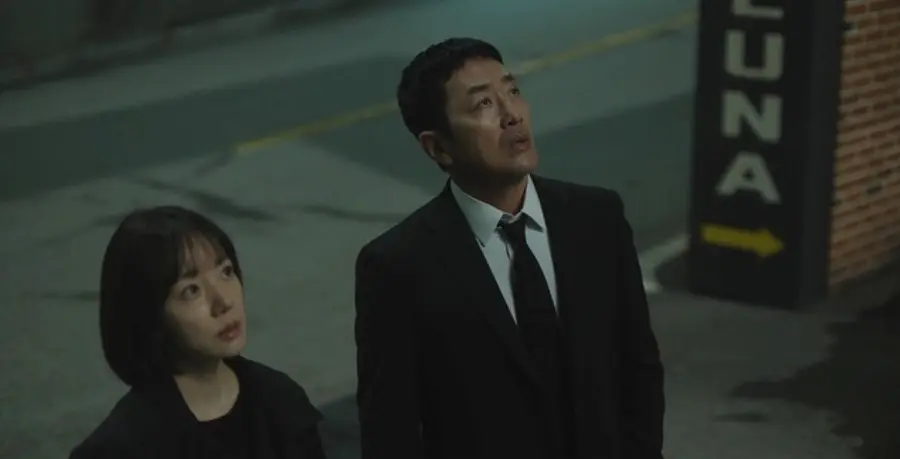
Just from the title, 〈How to Become a Landlord〉 has an almost 〈“Kim Director Kim’s Story” — Living in His Own Apartment While Working at a Big Company in Seoul〉 kind of vibe. So for viewers who were expecting a realistic drama about a landlord’s struggles—like a reality-style story showing an office worker’s hardships—the way this series unfolds by leaning into genre conventions might have felt a little strange.
The title was like that from the very start. During the middle of filming, we considered changing it, but we kept it. Since the tone and direction people might expect from the title were different from what the show actually became, I think there was a gap between what viewers walked in expecting and what they ended up seeing.
When you look at the story’s basic structure, you can also read it as a kind of “Fargo-style” chain reaction—right? There’s a structure where a small incident swells into something like a snowball. In that sense, it seems like the story is driven by events, but in reality, it’s also about digging into the characters’ psychology.
We talked a lot about 〈Chasing Past’s “Harpies”?〉 and 〈No Country for Old Men〉. It’s a story where one domino gets pushed the wrong way, and the situation keeps growing—while characters who aren’t purely good or purely evil appear along the way. I wanted to try building an ensemble where that kind of human chaos—tangled up in total pandemonium—comes together, and this script had exactly that kind of structure. So I felt I could take it on with a lot of interest.
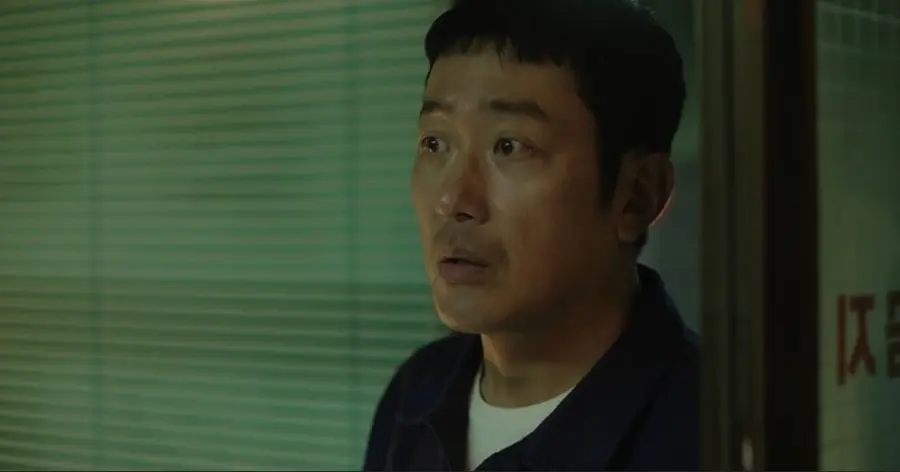
Let’s talk about the protagonist, Ki-su-jong. Landlords feel like characters with an “entry barrier” built in. No matter how much they struggle, to people in the lower classes they still belong to the privileged group. For viewers, that character is someone who has that barrier from the start.
That’s right. I think that’s the difference. Yes, exactly. This isn’t a story about climbing up from the bottom. It’s a story that happens when people who already have things try to get even more—and then everything spirals out of control. So it might not be easy to emotionally connect. Ki-su-jong, to a certain extent, is someone who already has things as a landlord, so he doesn’t come across as pitiful. There are moments when it’s hard to attach emotionally. Because the concept of “landlord” itself is like a symbol—an emblem of absolute power—the core of this drama is showing just how far someone will go to protect that, and how the person changes in the process.
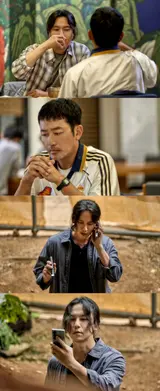
It also feels like actor Ha Jung-woo’s performance tone adds to the sense of distance from the landlord character. Ki-su-jong seems pulled into a kidnapping plot without fully understanding what’s really going on, but after that, he keeps committing vicious acts almost casually. He maintains a careless, tone-and-manner style with little sense of guilt—it was a kind of character I hadn’t seen before. How did you decide on that tone for the character with the actor?
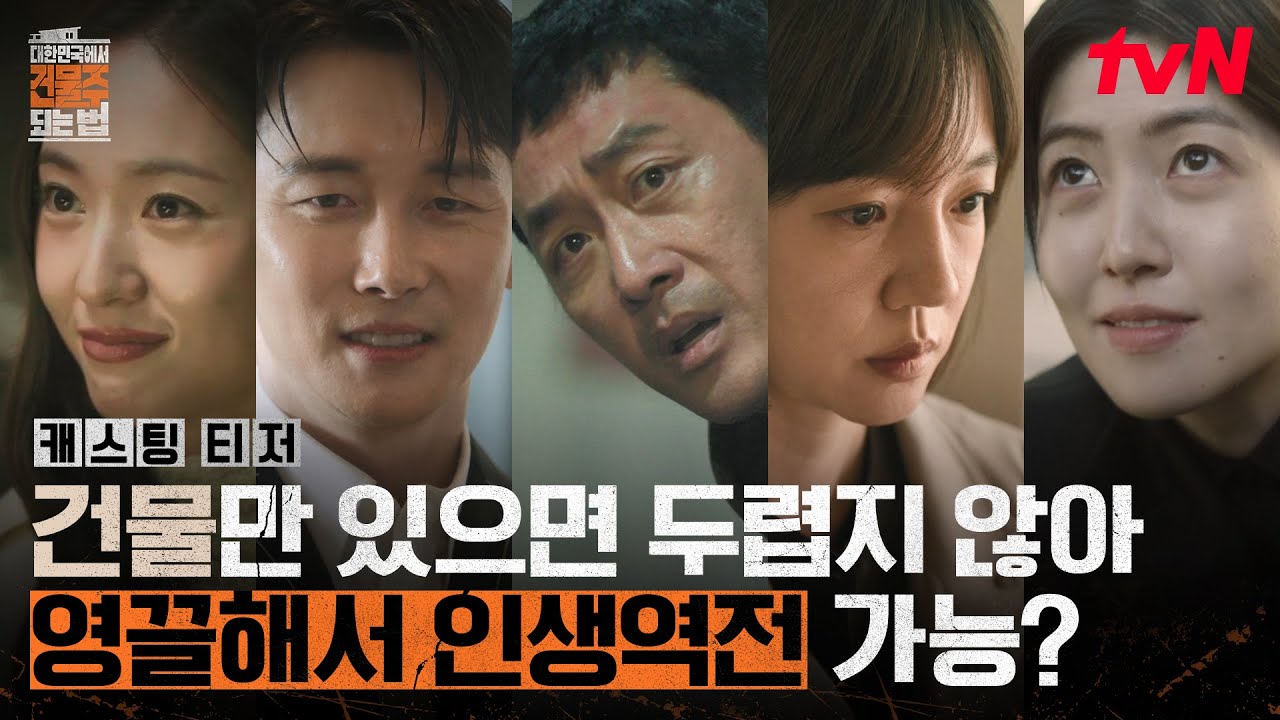
Ha Jung-woo didn’t play the “good-hearted” kind of acting you might expect from a drama, and I approached it in a cinematic way as well, so that distance could feel present. But that was intentional. On set, we also talked a lot with the actor about this. This drama wasn’t built so you can resolve your emotions right away, episode by episode; it was structured so you come to understand the characters through the full buildup. And this work wasn’t designed as a story where you follow one main protagonist and cheer them on. Instead, we designed it to show what each character chooses under extreme circumstances. So I wanted to keep showing, through their own choices, how they repeatedly betray ethics.
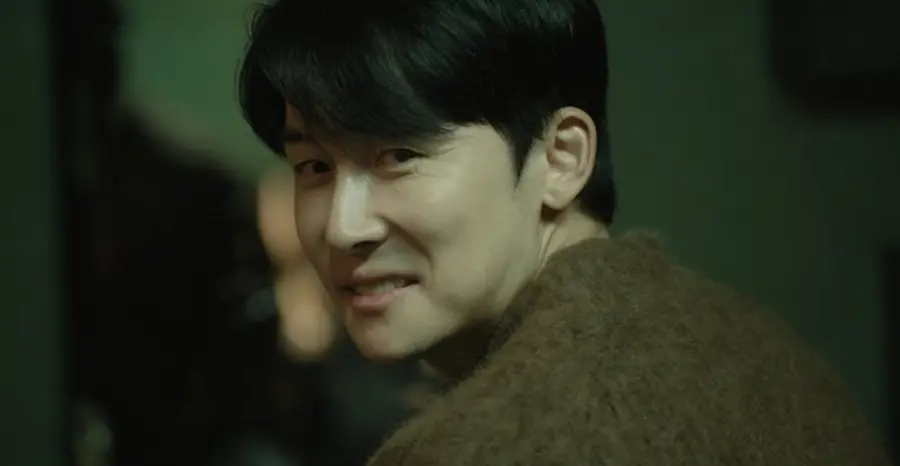
And it’s not just Ki-su-jong. On the surface, they act like they’re doing the right thing, but in this story, everyone has something going on in the back of their mind—and they’re immoral.
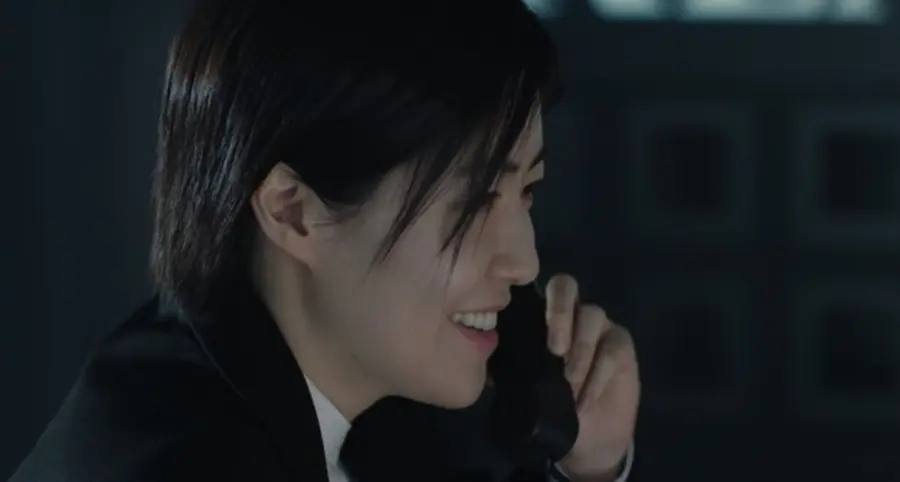
That’s right. While filming, we talked about that a lot with the actors. One day, actor Sim Eun-kyung came to set and said, “Among these characters, Yo-na is the only one who seems normal.” She said something like, “Yo-na is just doing her job. She may commit murder, but she does it in her own way. Meanwhile, everyone else is driven by greed to get more.” I found that interpretation really fun. So each of these characters has a side where they go on a rampage without reflecting, and they keep moving within their own logic. This work isn’t structured so that you follow a single protagonist and cheer for them. Instead, you can think of it as a picaresque-style lineup of characters—like 〈beasts that will even grab at a straw when they have no other choice〉. It’s a structure where you end up following incidents without knowing where you should put your feelings. When I first received the script, that’s exactly what felt cold. Outwardly, they look fine, but the way they rationalize everything—and then choose extreme actions—felt to me like a slice of today’s society, and I wanted to expand on that more.
The “real capital” depiction you mentioned is unique. In the existing crime-noir genre, characters like this are usually drawn as thugs or punks inside a criminal organization, but we added details like them taking the form of a global corporation, with Japanese capital flowing in. Especially with the Yo-na character—she’s portrayed as a mysterious kind of villain. She’s popular enough that people say they want to hear a story focused purely on her character arc.
Yo-na was originally set as a Russian mixed-race man named Anton. Genre-wise, it had a familiar feel, but it also wasn’t fresh enough, so I was still thinking about it. The head of the production company suggested actor Sim Eun-kyung. She and Eun-kyung had also worked together on 〈Hansel and Gretel〉, and since I know her acting range well, it seemed like a fantastic idea. I also thought it could be a challenge for Eun-kyung. We aimed to create a role that goes beyond just “a villain”—someone I’d never seen portrayed before. After meeting Eun-kyung, we talked a lot, worked out the tone, and that’s how we created the current Yo-na character. Morgan, Real Capital’s executive vice president, also became Miyabi—a Japanese-Korean who lives in Japan and is a legendary rock musician there. I found out about her by chance, and because I wanted to step away from typical casting, I approached her—and she ended up joining in with a special appearance.
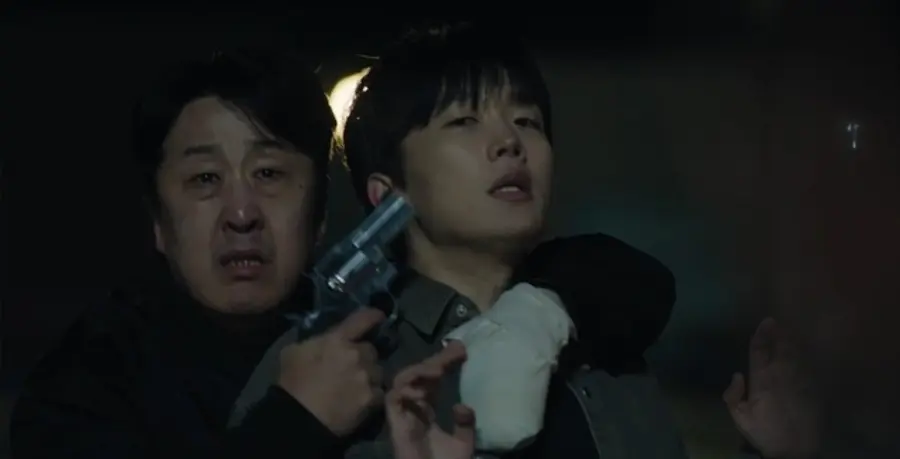
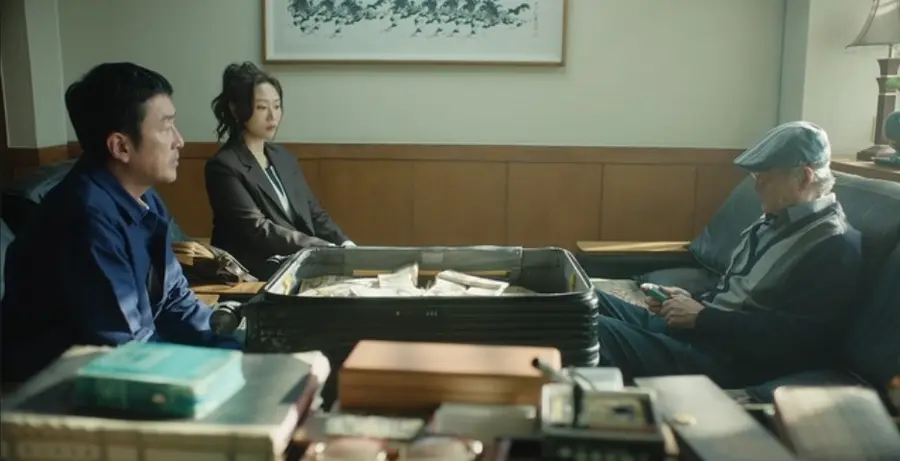
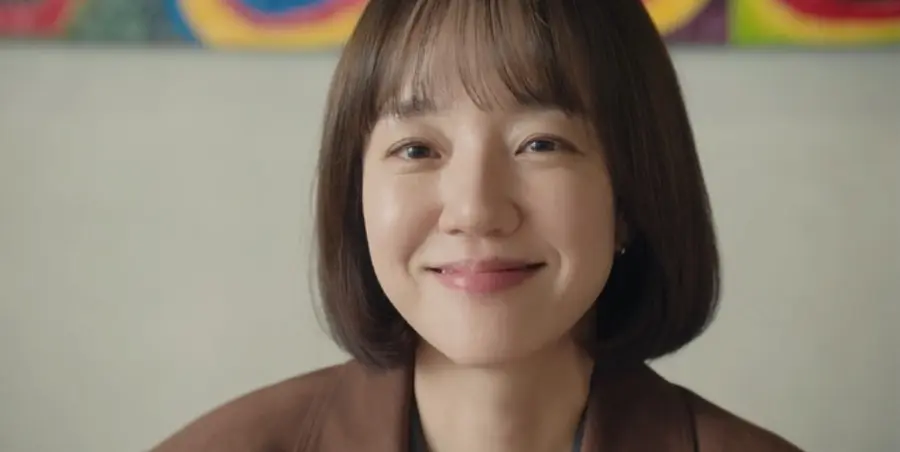
Especially, the conversations between Ki-su-jong’s couple were unsettling. After finding out about the husband’s affair, Kim Sun-eun still makes a practical choice to raise money for her daughter’s study-abroad funds—turning a blind eye to his crimes—and even ends up joining in. You could also compare Man-soo and Mi-ri from director Park Chan-wook’s 〈No Country for Old Men〉. In terms of how Korea’s privileged class treats the family’s well-being as the top priority, betrayals of ethics seem to be increasing little by little.
That’s right. In the end, I wanted to show just how far you can go for money and for the future, within the smallest unit called “family.” At first, the character Kim Sun-eun, played by actor Im Soo-jung, also looks like a very normal person, but once she learns about her husband’s situation, she gradually makes different choices. I remember saying something like this on set too. “If you’re truly a good person—in that moment, when the tenant the husband locked up gets hurt—you should call an ambulance.” But I felt that the moment she doesn’t make that choice, it means she has entered this world too.
That’s a pretty cynical way to look at it.
Ultimately, this work is about looking at how far people can go for money and status—in a cynical way. For audiences who want to cheer for a sensible, big-hearted protagonist, it might feel uncomfortable. But I think that discomfort is part of what this work is.
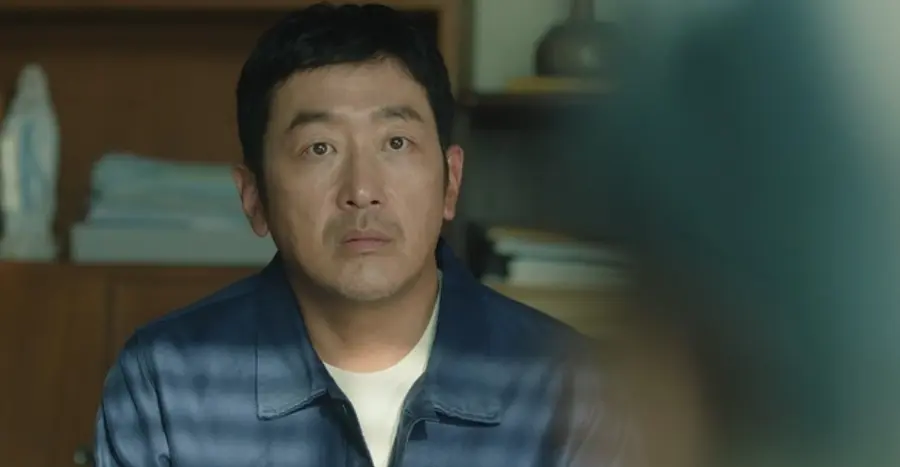
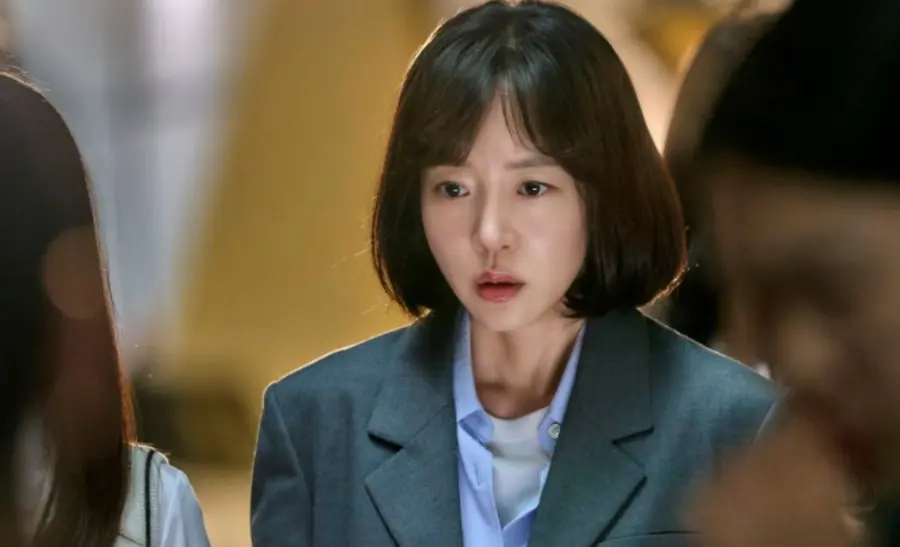
Lastly, what do you hope viewers will feel by the time they reach the end?
If you watch to the end, you’ll ultimately understand what kind of people these characters are. Whether you end up liking them or not, I think you’ll come to the realization: “Oh, so they were like this all along.” Su-jong is someone who initially thinks, “I just need to protect this building,” but as the situation grows, I wanted to show how far he can go. In the end, it’s also a story where, while trying to protect his own things, he ends up losing something even more important. I hope the story feels like a fable in its own right. And if you look at it as a story that reflects a slice of the society we live in, I think you’ll find another kind of enjoyment in it, too.




댓글 (0)
댓글 작성
댓글을 작성하려면 로그인이 필요합니다.
로그인하기