


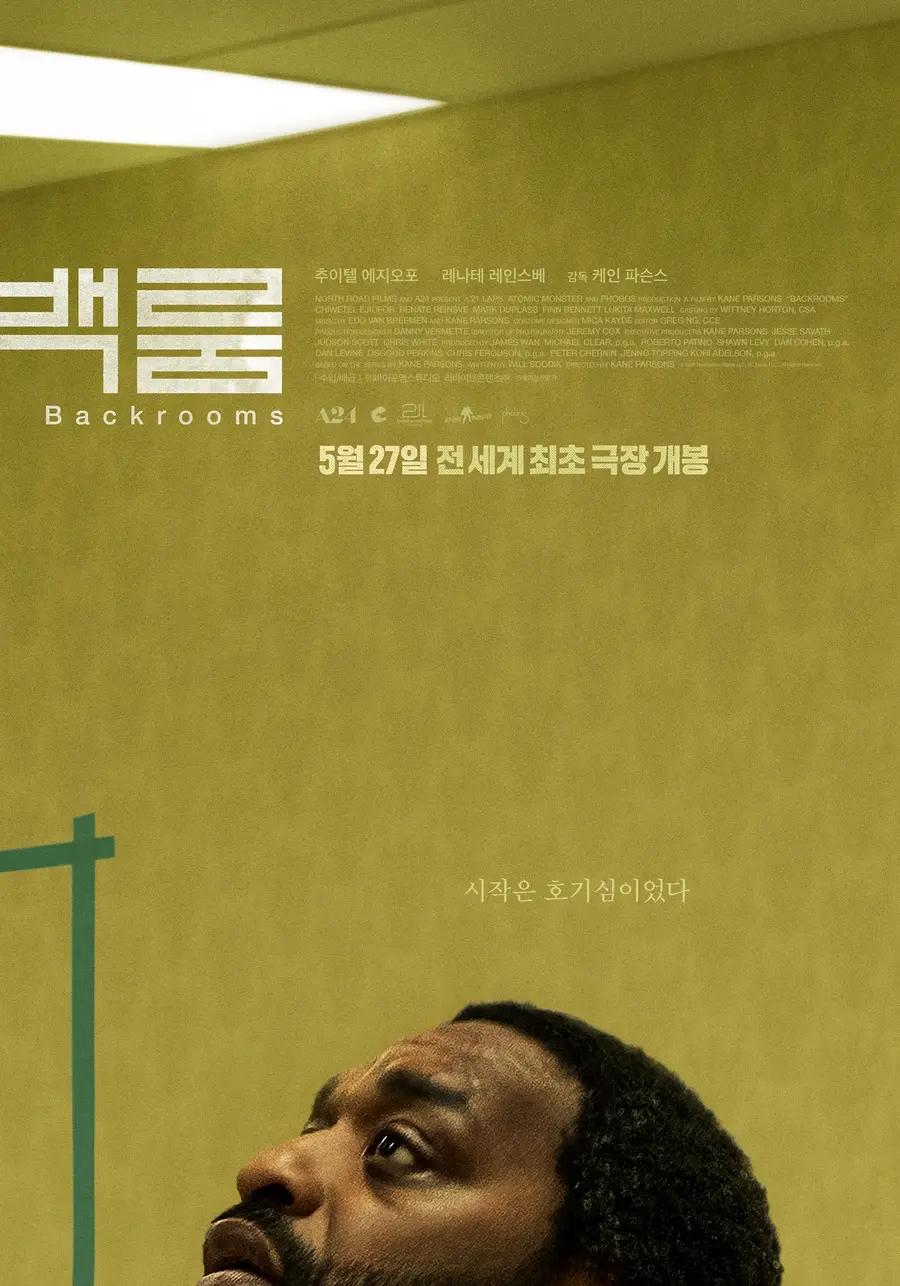
The creepypasta known as "Backroom"—an online urban legend that has already spawned countless fan creations and become a cultural phenomenon—has finally been made into a film. Director Kane Parsons drew inspiration from a single image and its original text posted on the U.S. online community 4chan and turned them into a web series in 2022. The nine-minute video that started it all, 〈Backroom (found footage)〉, expanded internet culture into the realm of art while drawing a cumulative 79,310,000 views and a wave of attention. The feature film 〈Backroom〉 adapts that web series into a full-length movie. True to the idea of a liminal space—somewhere familiar yet physically empty, and therefore strange and unsettling—the film generates a persistent sense of disquiet and unknowable fear. It is best experienced in the darkness of a theater.
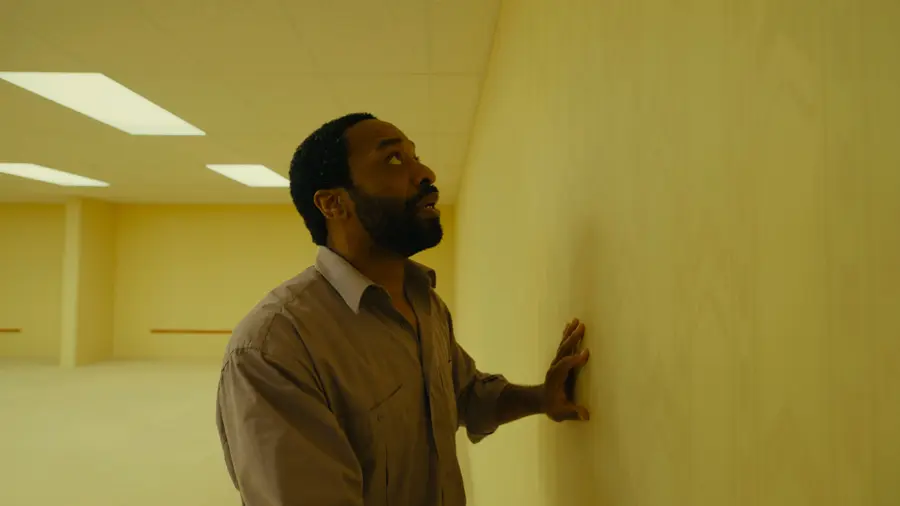
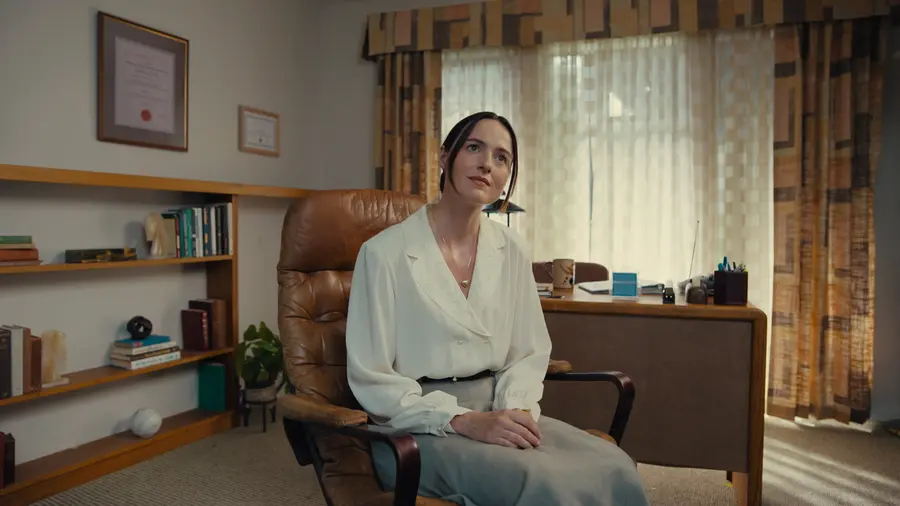
Clark (Chiwetel Ejiofor), the owner of a quiet furniture store that has lost its customers, begins seeing a psychotherapist after a conflict with his wife. His wife leaving becomes a decisive trigger for therapy, but it is not the whole story. Having failed to fulfill his dream of becoming an architect and settling for a shop on the town's outskirts, he loses motivation day by day; the initiative in his life is eaten away by a meaningless daily routine. Clark's psychotherapist, Mary (Renate Reinsve), offers advice intended to motivate him to break the cycle of repetition. But she, too, cannot escape the trauma of a childhood memory: she witnessed her home being demolished during a suburban development project. One day, Clark discovers an inexplicable space inside his furniture store and enters it. Mary follows him into that space to search for him after he disappears, leaving behind a message.
Nightmares and the Unconscious Collide in 'Backroom'
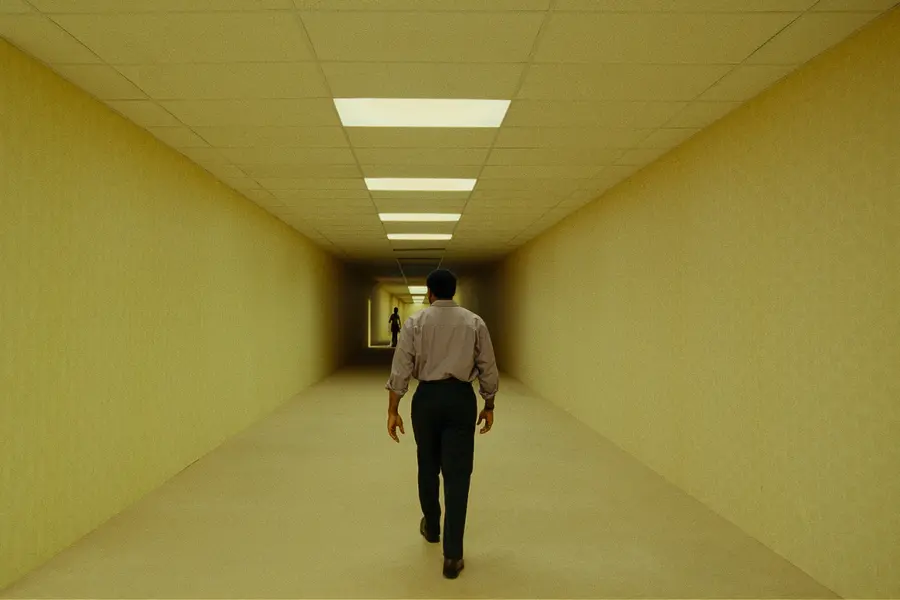
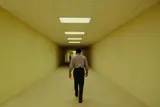
The film's primary setting, the "Backroom," is an endless corridor lit by fluorescent lights and surrounded by yellow walls. Clark feels overwhelmed by an indescribable dread at the sight of the space unfolding before him. Walls of arbitrary height and the sudden appearance of narrow square doors strip the audience of directional bearings and deliver a sense of disorientation, as if wandering through a dream. In this way, Kane Parsons faithfully recreates the space from the original photo in his version of the Backroom, while also making the Backroom a legacy left behind by Parsons's memories, dreams, and unconscious mind.
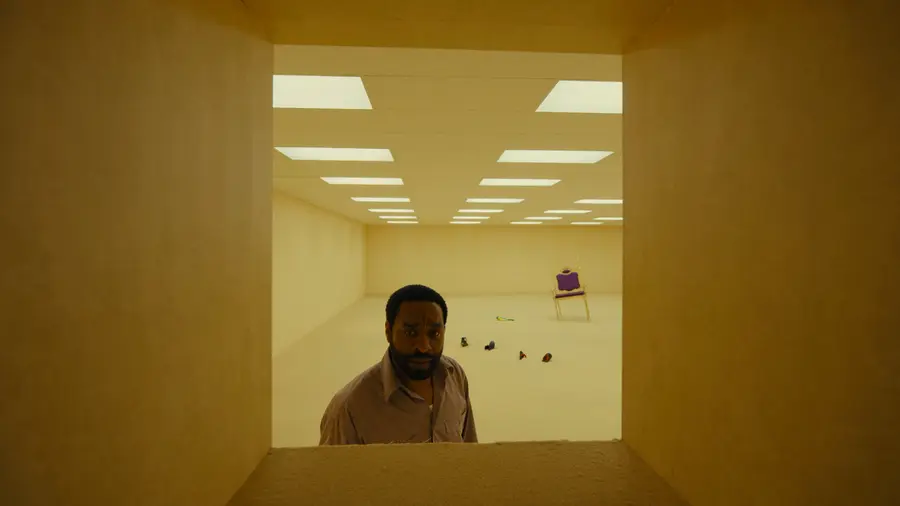
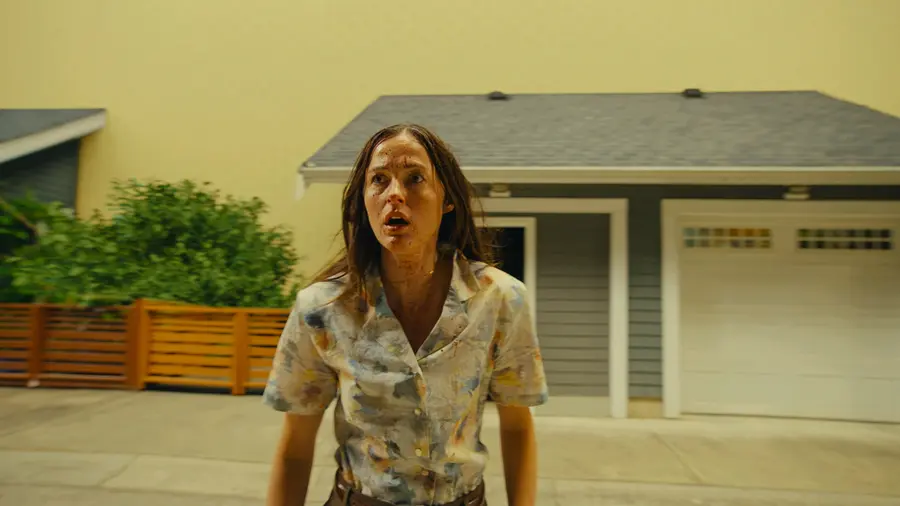
As a child, Parsons was drawn to the atmosphere of abandoned sites after watching GoPro footage of people exploring ruined places. He became fascinated with neglected spaces that remain but are no longer in use: industrial back alleys, warehouses, fire exits, empty offices, and shopping malls people no longer visit. As a teenager he even sought out abandoned ruins and industrial sites himself. The impressions that stayed with him from those experiences were woven into the Backroom's desolate, silent spatial design. In particular, the swimming pool image in the film's Backroom stems from a nightmare Parsons had. These images create a surreal feeling by layering traces of the past over present spaces.
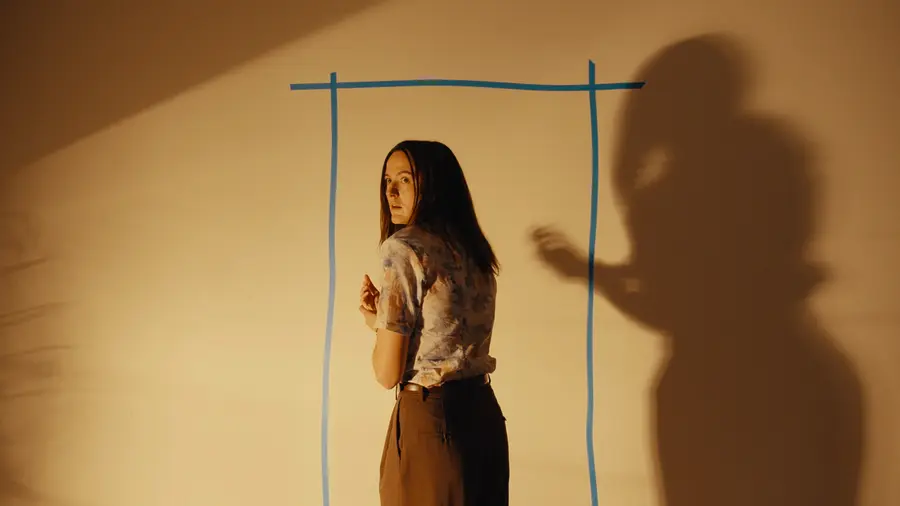
Parsons's Backroom is also a space of displacement and condensation, as if Freud's dream-work has been unfurled across its corridors. Psychoanalyst Freud argued that dream-work reveals unconscious desires through processes of condensation and displacement. Condensation fuses several latent thoughts, memories, and images into a single concentrated element, while displacement shifts the emotional focus and energy from the original connected object to an unrelated one. Clark's fear of abandonment and his existential loneliness after his wife leaves are displaced onto images of abandoned spaces and objects strewn about in disarray. Those displaced images make ordinary, familiar things feel alien through bizarre arrangements. That estrangement shifts the focus of fear from a direct threat to a distortion of surrounding space. Meanwhile, the furniture that once stood neatly in Clark's store is reorganized inside the Backroom into condensed piles. The grotesque beings whose faces are merged—called "Still Life"—are also a product of condensation. Through displacement and condensation, the distorted spatial imagery captures the essence of liminal space: making the familiar feel unsettlingly strange.





댓글 (0)
댓글 작성
댓글을 작성하려면 로그인이 필요합니다.
로그인하기