


※The interview with actor Gong Hyo-jin for 〈Gyeongju Trip〉 continues from Part 1.
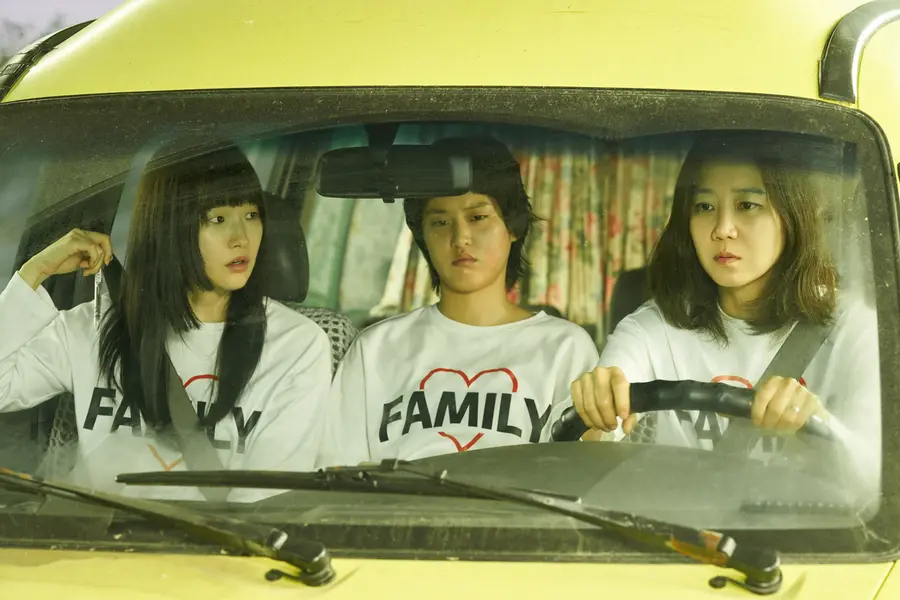
Your chemistry with Park So-dam, who plays the second sister Young-ju, and Lee Yeon, who plays the youngest sister Dong-ju, felt strikingly natural on screen. What was it like working together on set?
Strangely enough, playing siblings seems to make people bond faster than playing best friends. We really clicked. Lee Yeon, who plays the youngest Dong-ju, and I are huge fans of games. We would hook the console to the TV and excitedly play cooperative games like Nintendo Super Mario together. (laughs) Park So-dam, the second sister, would watch from behind and say, "It doesn't look fun at all..." and we'd tell her, "You're out, this is just between the two of us," and keep playing. (laughs)
Since 〈Gyeongju Trip〉 is a film where laughter and tears coexist, I'm curious how you approached the comedy. For example, the moment when news breaks that Baek Sang-hyun cut off his electronic ankle monitor and ran off, and you nonchalantly play dumb with, "Oh my, I had no idea!"—how did you handle moments like that? (laughs)
I tried to behave as if it were real life, rather than signaling to the audience, "This is a comedy." The film can turn from heartbreaking to funny in an instant, so I thought viewers would feel that bittersweet back-and-forth — like moving between a hot bath and an icy plunge. All of us in the cast are especially good at that kind of shift. (laughs) Director Kim Mi-jo is much like the film — she's hilarious. She's charismatic and passionate, and very sharp and quick-witted.
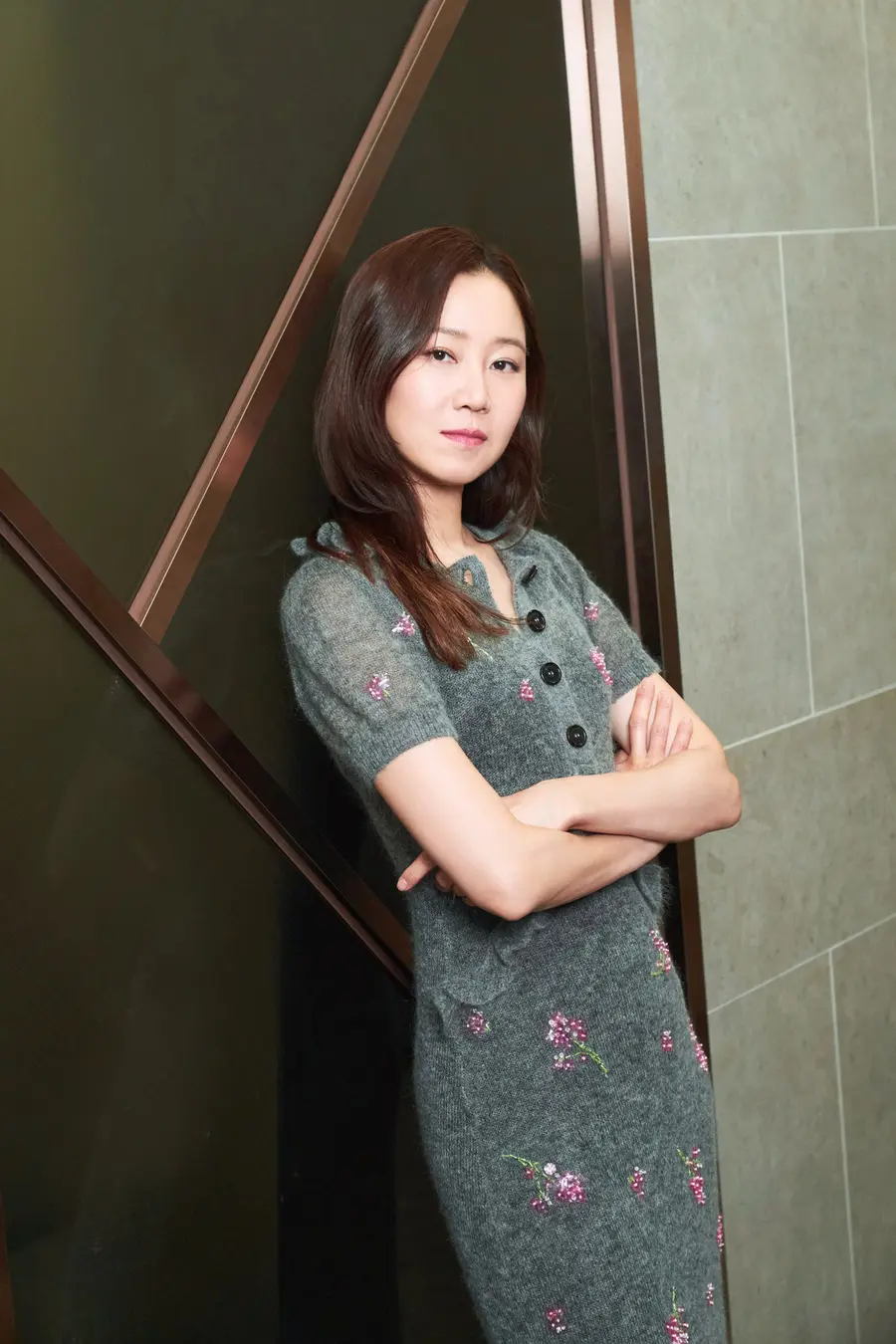
Director Kim Mi-jo confessed she is such an ardent fan of yours that she watched the drama 〈Jealousy Incarnate〉 more than 30 times. (laughs) You seem to have unusually strong synergy with female directors. Why do you think that is?
I haven't watched something 30 times, but I can tell she really enjoyed it. When I first received the script, it was so neutral and intense that I never would have guessed it was written by a female director. I think this is the second time in my life that a director's sensibility felt especially unique to me, after director Lee Kyung-mi of Miss Hongdangmu. She's a very compelling filmmaker. Like Lee Kyung-mi, Kim Mi-jo has a distinct sense of humor and personality, but she's faster in her process. Lee Kyung-mi seems to spend years on a script. (laughs) She watched 〈Gyeongju Trip〉 too. Lee Kyung-mi told me, "Hyo-jin, please don't lose that sense of humor and wait," and I said, "Please hurry and give it to me." Director Kim Mi-jo writes scripts very quickly and perfectly, so I'm excited to see what she does next. She says another project is already in preparation.
One of the film's other leading characters is the city of Gyeongju itself. After spending an extended period on location, what did you find most appealing about Gyeongju?
One of the film's three biggest draws is Gyeongju itself. The movie offers a new way to see the city. There are enormous royal tombs everywhere — like mounds — with cars parked beside them and houses nearby. It's a strange and beautiful space where you can sit across from each other surrounded by tombs bigger than the houses. When it rained during shooting, we'd all go to Bulguksa Temple and visit Cheomseongdae. We walked barefoot, rang bells and prayed a lot. We pretty much took over Gyeongju. (laughs) At night we'd bump into staff in the rooms next to the karaoke, too. The actors don't drink much, so we really bonded by eating together and drinking tea.
You said Gyeongju is one of the three charms. If you were to name three must-watch points of 〈Gyeongju Trip〉, what would they be?
First is the unique visual: the verdant yet quietly tranquil space that Gyeongju provides. Second is the dramatic, tear-to-laugh pleasure of its bittersweetness. Third is that it realistically captures feelings everyone has probably imagined at least once. There's a moment of realization that the mother wasn't trying to send all her children to prison, but had a plan to take all the blame on herself. That moment resonates. Ultimately, the film satisfies that most basic, comforting human sentiment: if something happens to me, my mother will seek vengeance to the ends of the earth on my behalf. The fierce, self-sacrificing love of a mother willing to give her life to protect her child leaves a lasting impression.
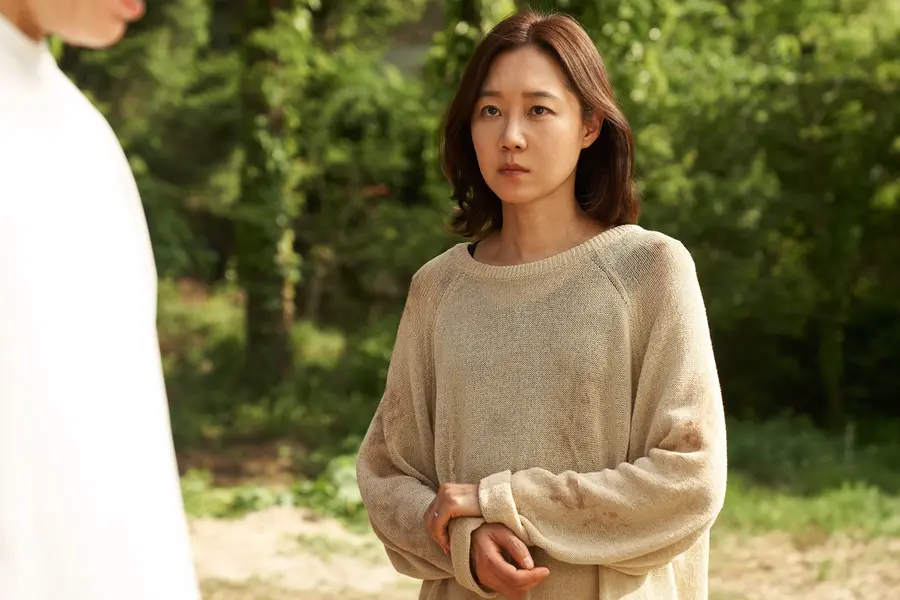
Jang-ju is both the mother's right-hand and strategic leader, yet she leads the family without standing out — a dual role that balances the story rather than serving as a clear solo lead. This role differs from many you've chosen before. Why did you take on this character?
In the past, when I picked projects, I wanted audiences to understand and root for my character. Now I think an actor's job is to spark interest in the overall flow so the audience doesn't want to skip anything. Even if I act a bit suspiciously, I try to lead viewers organically so they're curious and keep watching. That's when I feel like a veteran: it's not about pushing only my character forward, but feeling responsible for the whole piece. When I finished the script for this film I thought, "There's nothing to add or remove; I want to breathe life into this," and I chose it without hesitation.
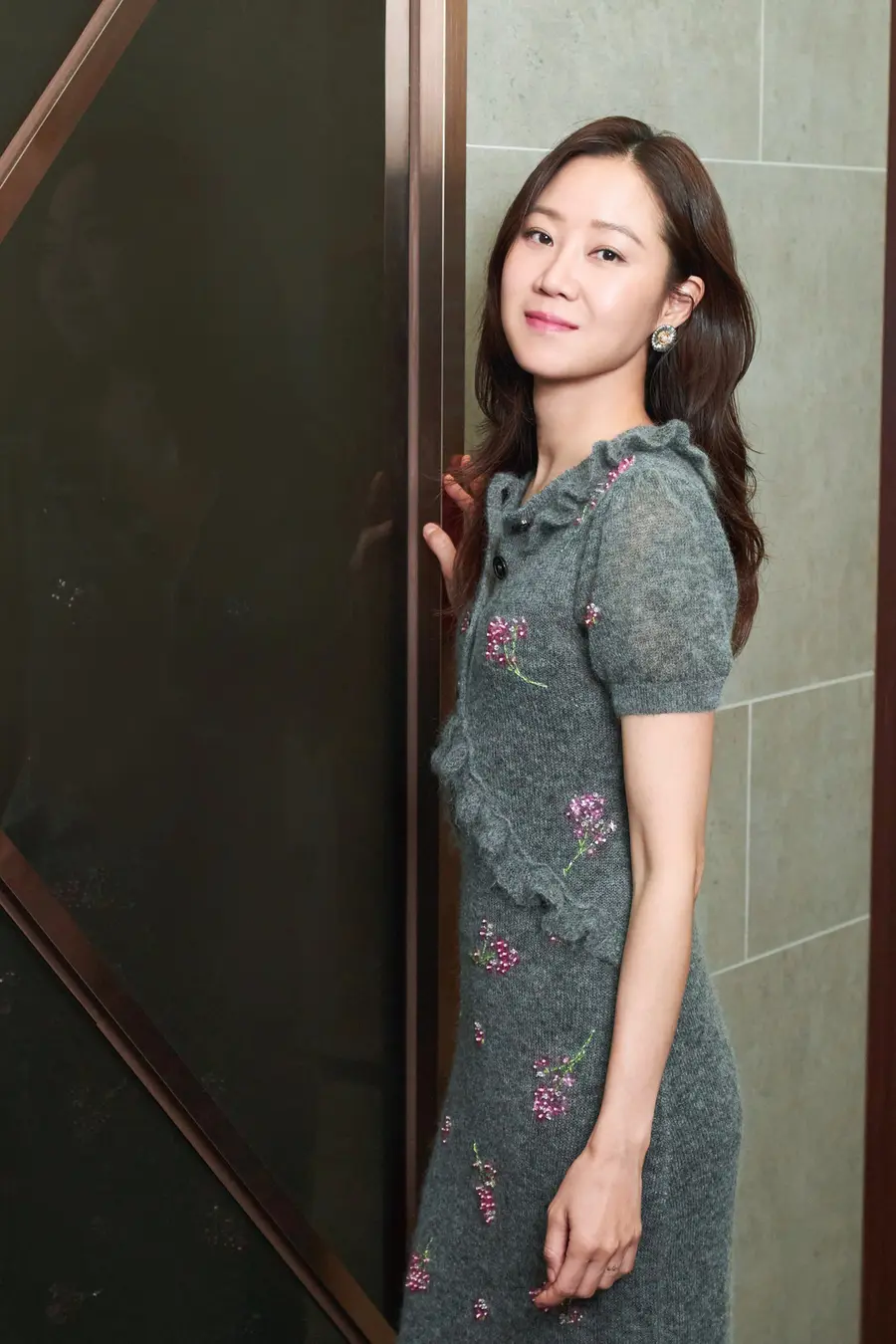
So many creators want to work with you, and audiences trust your name enough to watch a project because you're in it. It feels like your performances have a particular credibility to them. Where do you think that credibility comes from?
That's such a meaningful and thankful question — I often wonder myself, "Why am I so loved?" (laughs) Perhaps the naturalness of my acting is a kind of inherited luck. From the start of my career I never met a strict director who froze me on set. Early on I met mentor-like directors who accentuated what was good about me and pulled it out comfortably — like Kim Tae-yong and Min Kyu-dong, who co-directed my acting debut in Whispering Corridors 2. Thanks to them, I could act freely and without fear in front of the camera. Also, though my parents may not have known I'd end up in this work, they used to play storytelling tapes for me when I woke up as a child. Listening to those narrations with books made expressing things and speaking lines feel very natural to me.
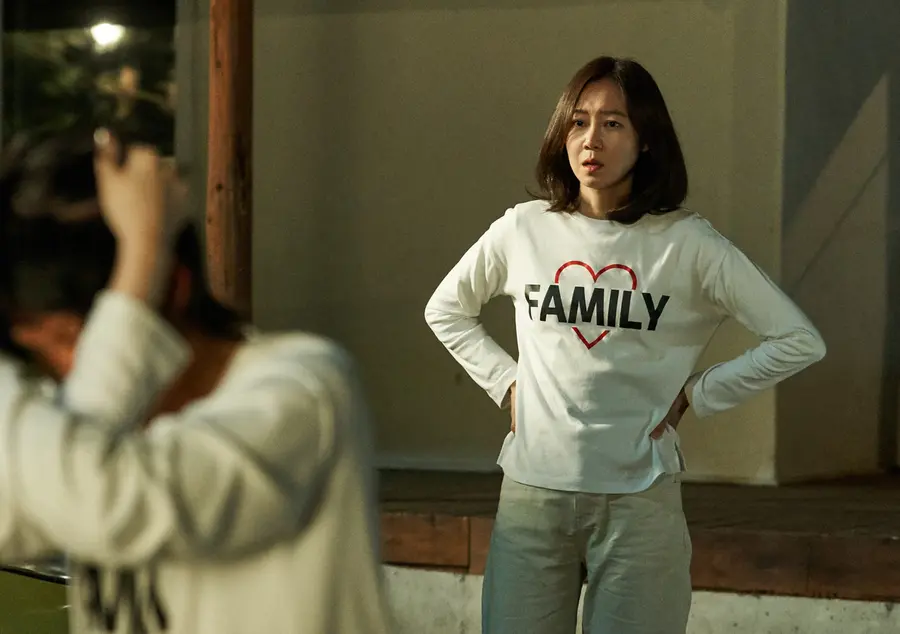
You're opening against heavyweight Hollywood releases like 〈Odyssey〉 and 〈Spider-Man: Brand New Day〉. Finally, is there anything you'd like to say to audiences?
Honestly, we're opening amid an enormous battle between whales. (laughs) Those are indisputable "whales." I want to see them too. But I truly believe a good film gains power through sincere word-of-mouth from audiences. Like what happened with 〈The Man Living with the King〉, I'm hoping for a second miracle. (laughs) I'm excited, but it's complicated — actors waiting for a release never know what will give us momentum or how it will happen.
![[Lee Yeo-jeong’s Deep Detox] “Thank You to My Past Self.” Lee Yeon on “the ‘Dynasty Lady of the 21st Century,’” “Tango at Dawn,” and “Journey to Gyeongju” — Part 1](https://cdn.www.cineplay.co.kr/w160/q75/article-images/2026-05-29/72ecf600-3867-404e-b320-26dc10a7fb01.jpg)
![[4K/FULL] Lee Jeong-eun x Kong Hyo-jin x Park So-dam x Lee Yeon, and Byeon Yo-han | A Family Trip by a Mother and Daughters for Revenge #GyeongjuJourney #TheJourneytoGyeongju](https://img.youtube.com/vi/EW6TQgJ1mng/maxresdefault.jpg)
![[Photos&] Lee Jung-eun and Gong Hyo-jin’s “Gyeongju Trip”… A blood-soaked revenge drama for the youngest daughter they lost 8 years ago — press briefing site](https://cdn.www.cineplay.co.kr/w160/q75/article-images/2026-08-13/94f2573d-891a-4358-817c-8c239674fd47.jpg)
댓글 (0)
댓글 작성
댓글을 작성하려면 로그인이 필요합니다.
로그인하기