


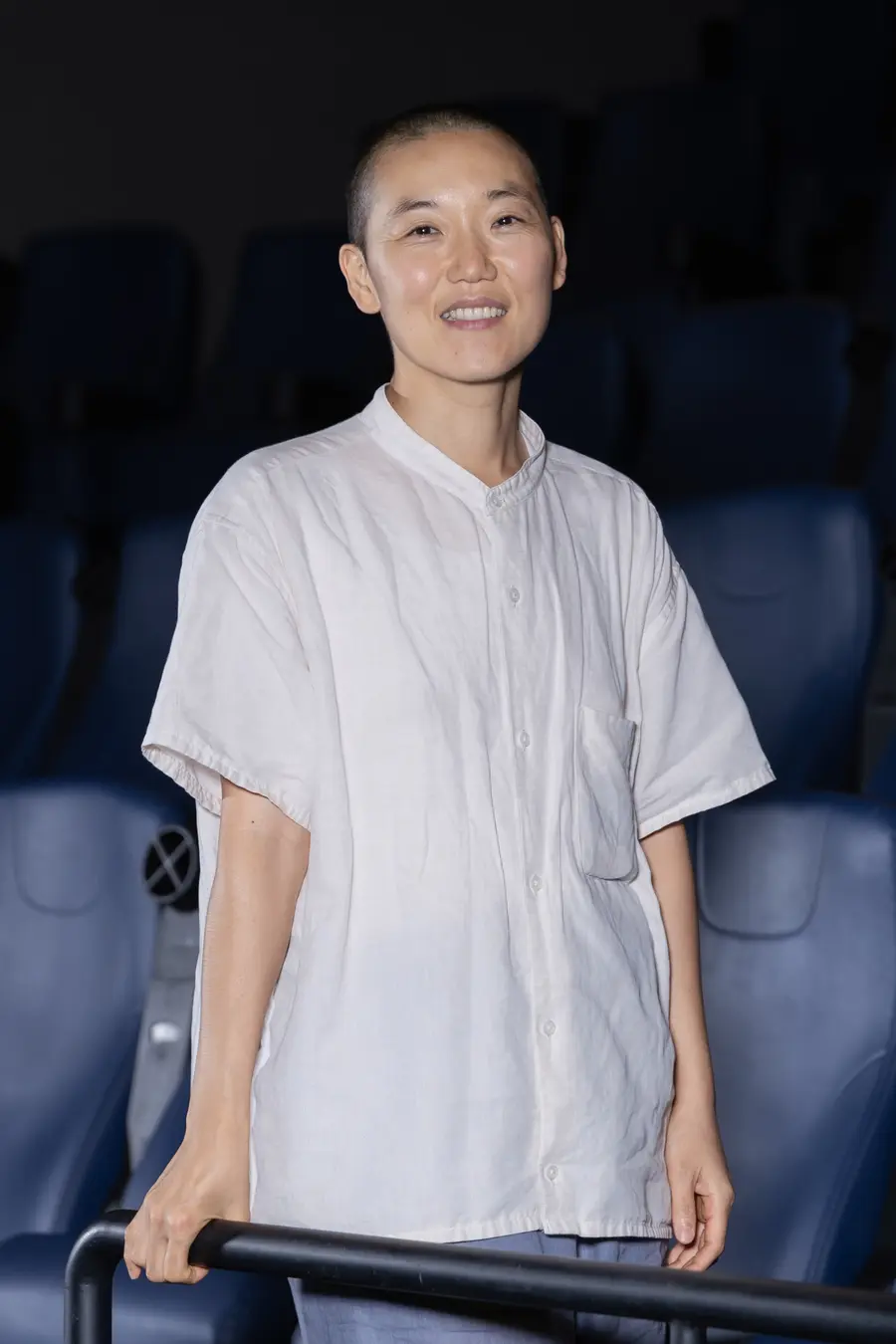
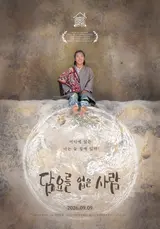
In her travel memoir 〈The Faraway Nearby〉, Rebecca Solnit writes that she learned by setting out on the road that “the longest journey a traveler makes is the journey within.” Travel, she says, “changes not only the location of the body, but also the location of memory and imagination.” Director Park Jung-mi’s documentary 〈The Man Who Wore a Blanket〉 chronicles the two-year journey during which she changed the shape of her body, memories and imagination—and asked, filmed and edited her way toward finding her own path within.
Her resolve at the start was simple: “As of today, I’m beginning a project to survive in Britain for a year without spending any money.” It became known as the “Living on Zero Won Project.” The force driving the reckless challenge was dissatisfaction. Born and raised in South Korea, she worked and served in the military before going to Britain in her 20s. She believed she could escape the stifling society she had known at home. But one day, just shy of 30, she decided that the place she had fled to could not be the answer either and that she was no longer happy. She quit her job on the spot and set out on the road.
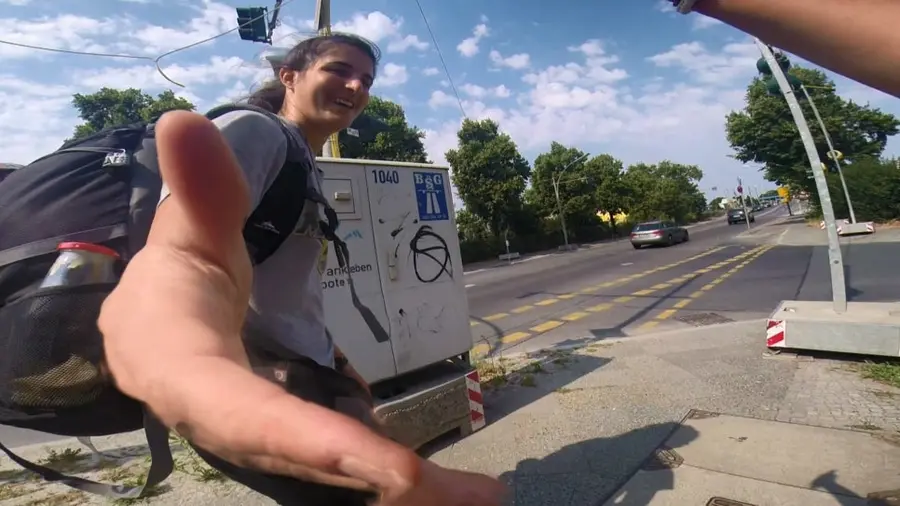
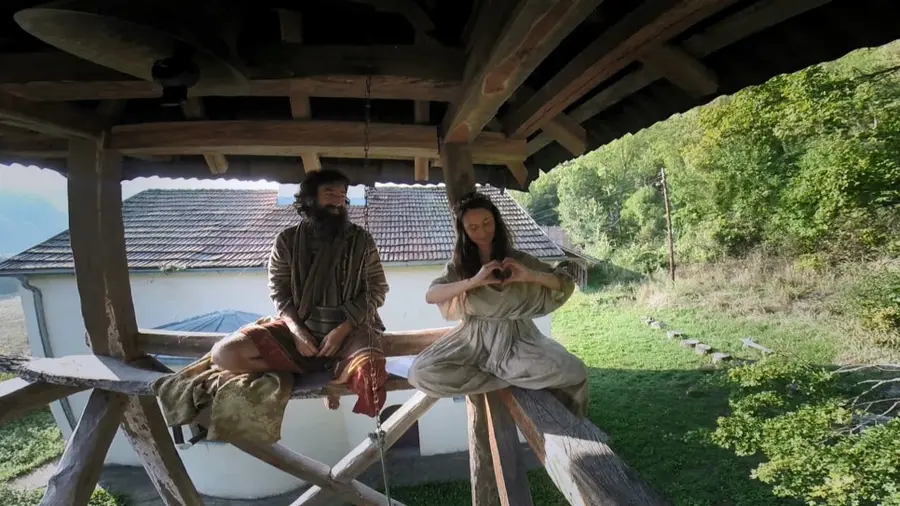
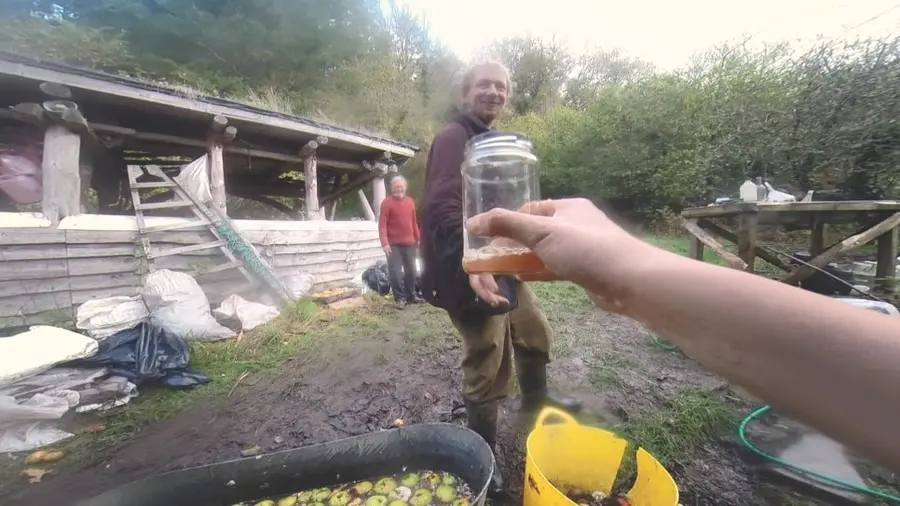
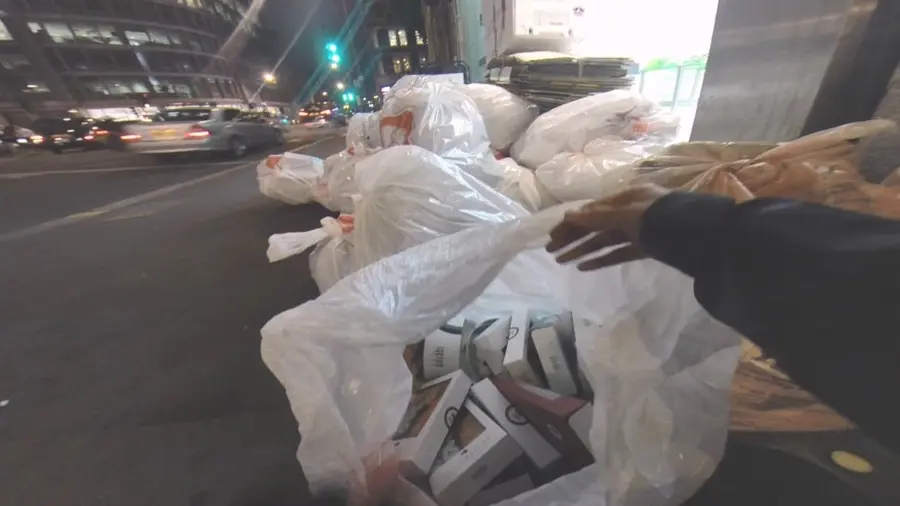
The alternative ways of living Park experienced during her two-year journey—including “skip diving,” or surviving by collecting discarded food and objects; squatting, or actively securing housing rights by occupying vacant buildings; and Old Chapel Farm, an organic self-sufficient farm—are fascinating and diverse in their own right. But her initial material investigation, experiment and curiosity about “how to live without money” gradually changed direction. It expanded into an inward-looking question: “What kind of person do I want to be?”
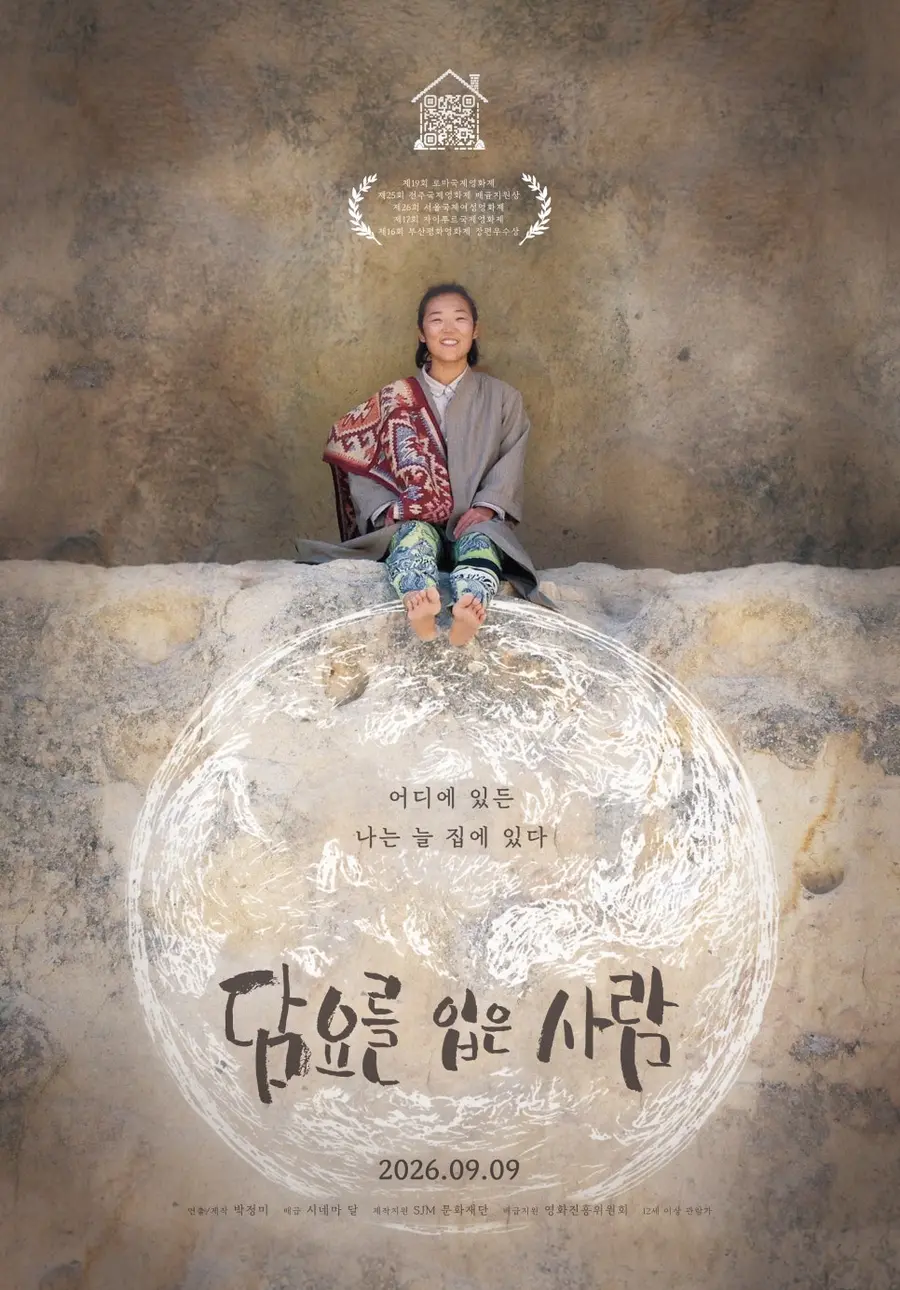
Park had never studied or worked in film, yet she made a movie. The film she was not even sure she could finish was invited to the Korean Competition section of the Jeonju International Film Festival, where it won the Distribution Support Award. What began with the mischievous fun of a cash-free journey, much like 〈Hitchhiking of the Surplus People〉 (2013), became a long and remarkable journey that ultimately arrived at the profound questions about life choices raised by 〈Nomadland〉 (2021). Ahead of its Sept. 9 release, we met Park to ask her directly about where her journey within had led her.
You started without studying or having any experience in film. You did not initially intend to make a movie, right?
I decided to do the “Living on Zero Won Project” and wondered whether it was possible. I had made up my mind, but I could not guarantee the outcome. Even so, I began with an enormous commitment—the kind where you say, “Unless I die, I’ll see this through.” But who would believe the process? If I wrote about it, I could manipulate my own memories, so I decided to preserve it on video. The footage would be for documentation only. I tried not to let filming take precedence over the journey. I always had the camera with me. Since I never knew what story might emerge, I would press the record button even while eating. In the end, I had about 2 terabytes of footage. Many people advised me to make a YouTube channel. It might have drawn more views. (Laughs.) But I think I insisted on making a film because even if only a small audience saw it, the vibration it carried to those viewers would be different.
Your filming and interviewing skills must have improved along the way.
To be honest, because I was filming without any technical knowledge, my footage was pretty rough. At first, I just pressed buttons at random. (Laughs.) After filming so often, I think my conversation skills improved more than my camera work. I boldly left out stories on similar themes. I did not edit everything on the spot, but I gradually deleted what was unnecessary. I also learned to avoid overlapping audio during interviews.
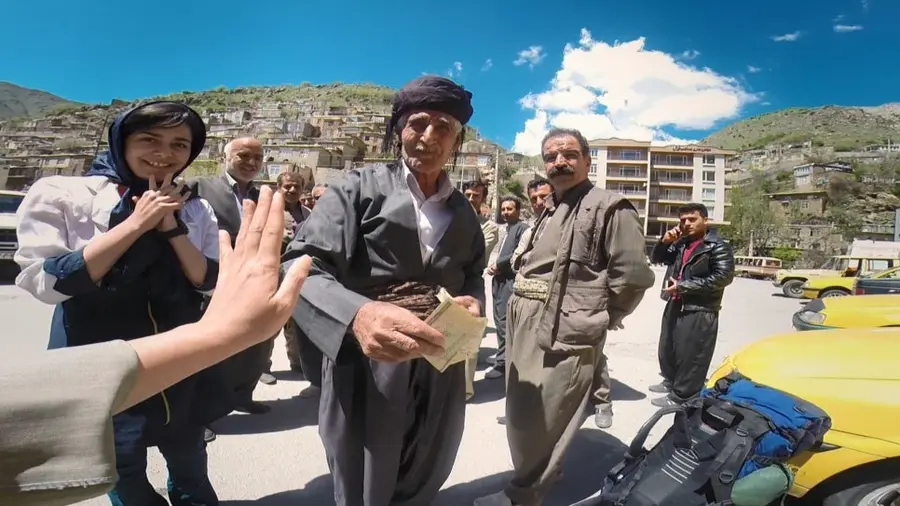
Did people readily agree to be filmed? How did you approach them?
Because I kept the camera on while asking questions, one person I met at a farm would say, “Come on~.” As if to say, “Give it a rest already.” (Laughs.) Most people were happy to be filmed. They probably did not know whether it would really become a movie, and they may have thought, “How much attention could it possibly get?” I also was not using an enormous amount of equipment, so I think most people felt comfortable.
Did the people featured in the documentary hear about the film or see it?
Eight years after returning to South Korea, I published a book titled 〈Living on Zero Won Project〉. I made trailer videos and sent them to my friends. Many said they felt as if they had received a gift and that they cried when they watched them. They had made the journey around 2014, so they were seeing their own lives again after about 10 years. It had been a truly unique journey in each of their lives—an experience they could not repeat if asked. We met at that point of intersection, and now everyone has returned to their own country and is living well, which seemed to make the reunion especially meaningful. I am also editing material that did not make it into the film and plan to send it to them separately.
The project began as “Living on Zero Won.” It was an intriguing challenge. But over time, you moved toward a serious exploration of what you learned about your own existence.
That’s right. My initial idea was simple: I would learn and find ways to survive for a year without spending money. I also would not stay in one place for more than a month. But that seemed as if it would turn into nothing more than a community tour. So I deliberately chose the harder path. I added the principle, “Don’t have the same experience twice.” New ways of living appeared one after another. People who lived on boats introduced me to people occupying vacant houses, who then taught me how to find discarded food. Whenever I had a new destination, I would undertake a journey to do whatever was practiced there. That continued for two years. Looking back, I think the journey became cinematic—and could be made into a film—because I did not plan it.
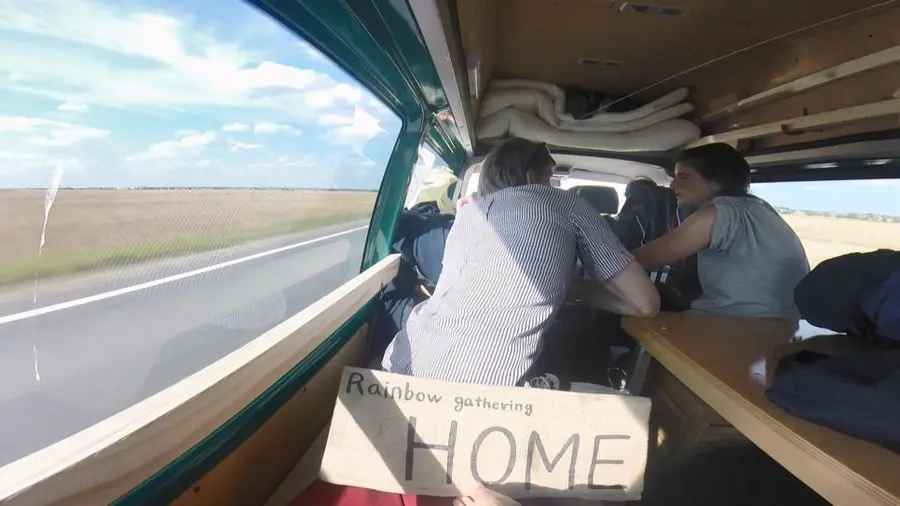
You learned from the people you met during your travels, and the questions you were asking changed in the process. What change did you feel most clearly?
My journey divides into two parts. The first was a “Way of Living,” and then it shifted into a “Way of Being.” At first, I asked questions about alternative ways of living and alternative systems. Before I knew it, I was asking: Who am I? Where did I come from, and where am I going? What is happiness? What is life after death? How should I live? How can I find peace of mind? The second half of my journey was about finding answers to questions arising within me, beyond what can be seen from the outside.
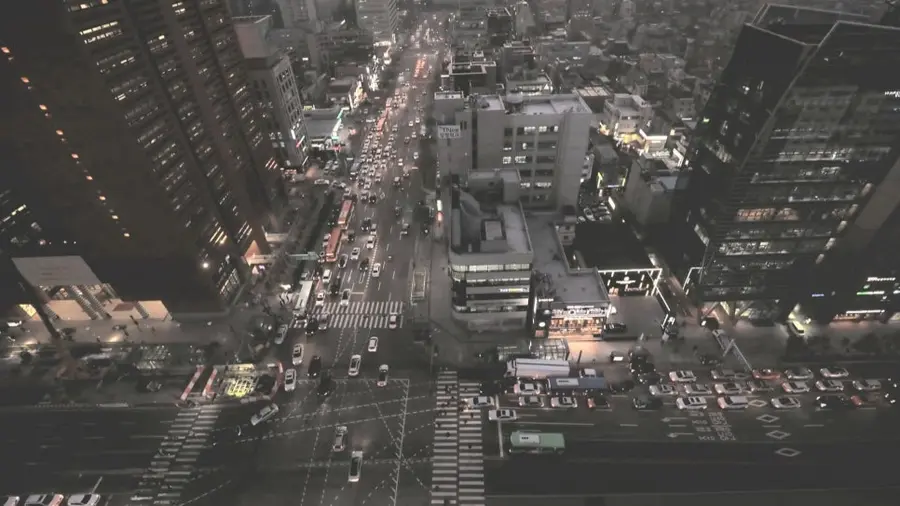
You met people from many different communities during your travels. As a South Korean, what difference did you feel most strongly in the way they lived?
The primitive way of life I experienced there was a choice for those people. But even now, when you go to Asia, deprivation can still be life itself rather than an alternative. Europe has sustained these alternative ways of living for a long time. Since the Industrial Revolution, Europeans have spent more than a century experiencing its side effects ahead of us. While South Korean society was anxious to accumulate wealth and achieve social growth, Europe was looking for ways to address the consequences more quickly. Watching people live in such extreme ways sometimes shocked me, but they were applying a wide variety of approaches to their lives. Our society is changing now too, but it may still take more time.
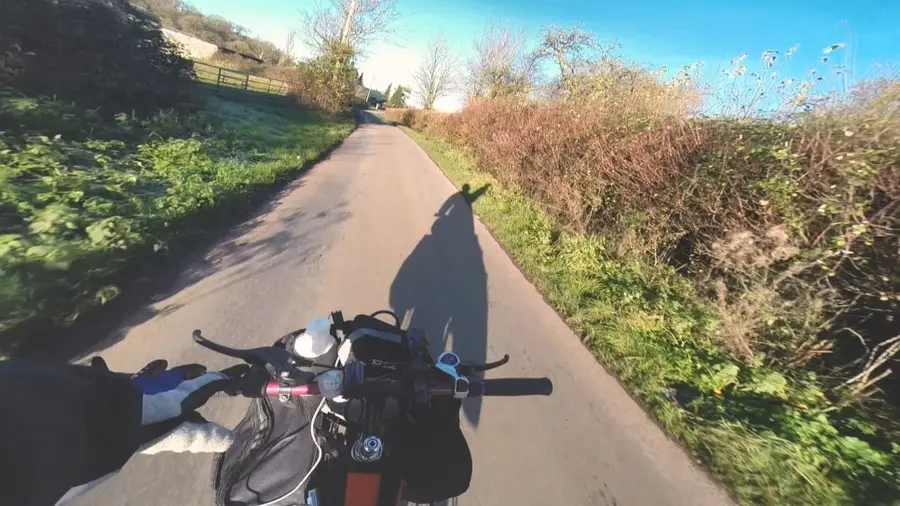
At the end of this extraordinary journey, you chose to return to South Korea. If what I eat reflects my body and where I live reflects my will, what does your current way of life look like?
I moved out of the house in Gurye that appeared at the end of the film. Until recently, I lived in a community in Geochang where Buddhist nuns reside. It has been 10 years since I returned to South Korea, and my daily routine has changed depending on my living environment and the work I was doing. But one thing has remained unchanged: I have maintained a state of not being afraid of money. I no longer feel anxious when my bank balance declines, or impatient because I think I have to earn money. I have lived by applying the ways and methods I learned from people I met during my travels. I have tried living without electricity or heating, grown a garden and used skills I learned there. At times, I lived on an income of 100,000 won a month. I no longer apply standards as extreme as those of the activists I met during my travels. Instead, I think I have learned how to find compromises within the range that is workable for my life and comfortable for me.
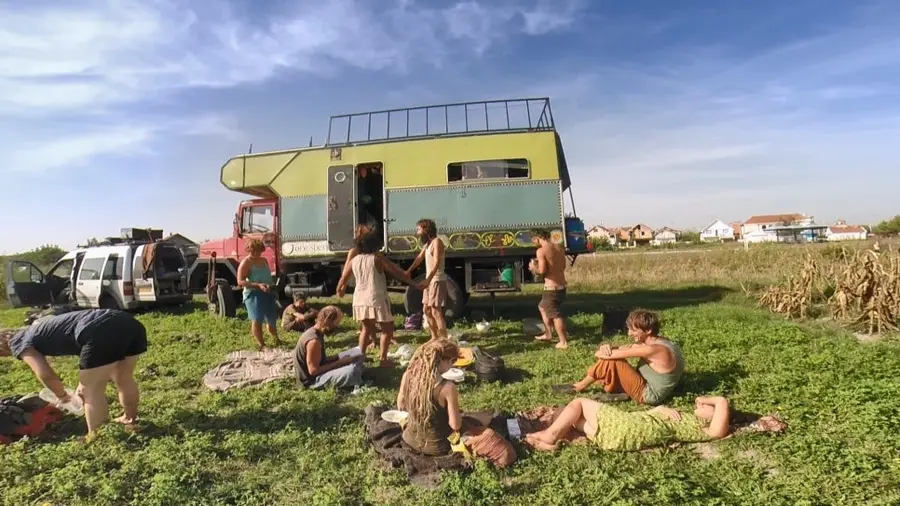
You have lived in many different ways by choice—from serving in the military and working overseas to undertaking a two-year project journey. Looking back over your journey so far, what kind of life do you think you have lived?
When I look back at my childhood, my 20s and the period when I traveled, I think there was a great deal I was dissatisfied with. Quitting my company and setting out on the road all came from my impatience. Once I realized that everything had come from my dissatisfaction, and that it was all my own greed, what I began looking for was a life in which I could feel satisfied and at ease wherever I was. In the end, I realized that I should not leave somewhere else to find the answer. I needed to find a way to live peacefully within myself. I think I now understand that direction.
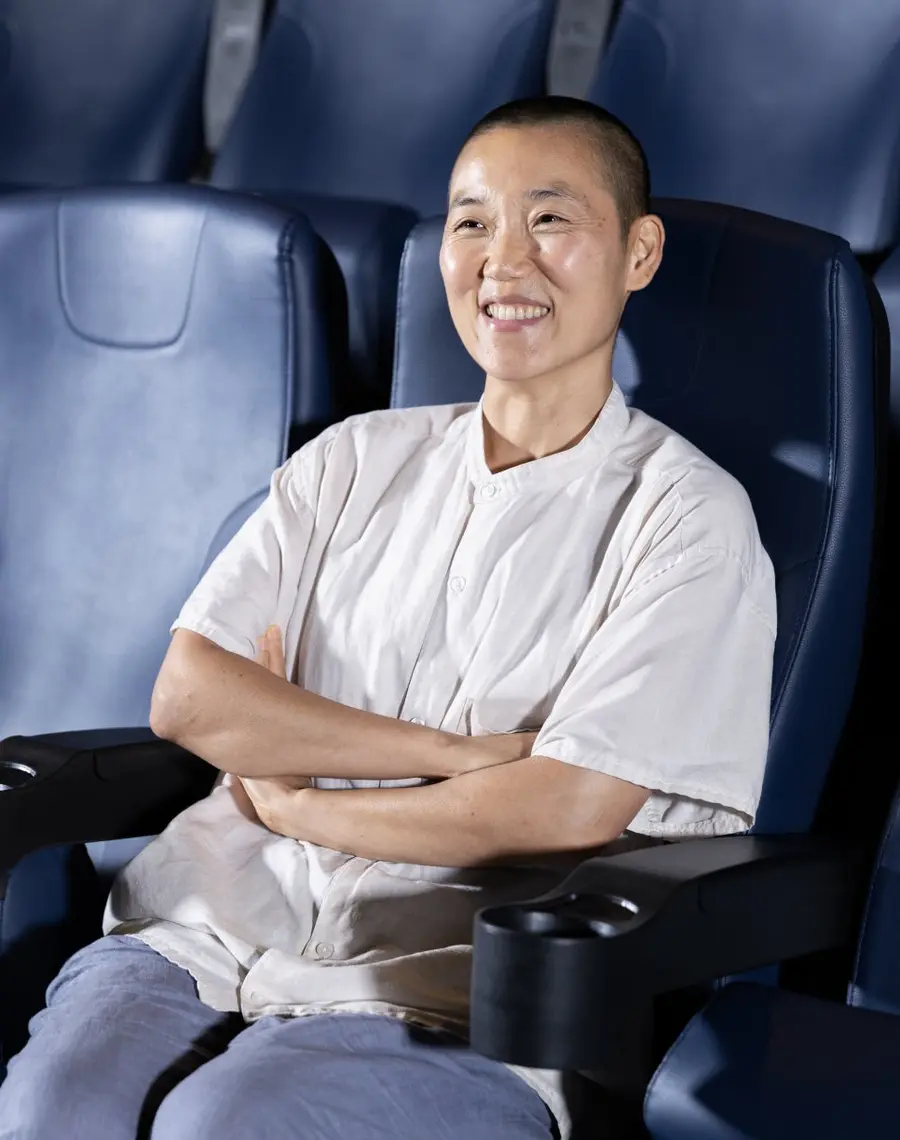
People may come to see a travel documentary and leave with a philosophy of life. What would you like to say to those who watch this film?
People are always seeking happiness. But words such as comfort and peace resonate more deeply with me than happiness. Many people continue living anxious lives. They think money will make that anxiety disappear: If I buy a house, if I buy a car, if I get insurance, everything will be all right. We live by covering our anxiety and fear with money because we are anxious. But money cannot eliminate anxiety completely. As viewers watch the many people in this film who live alternative lives, I hope each of them will ask where the fear they carry came from. I believe anxiety can begin to fade only when we face that fear and look deeply at it instead of letting it simply pass. I hope my film raises that question.
![[Interview] A Love Letter to Life, Humanity and Korea: ‘Journey There’ Star Justin H. Min, Part 2](https://cdn.www.cineplay.co.kr/w300/q75/article-images/2026-10-22/f97b0baf-32b0-4b5c-983b-df3166e84990.jpg)
![[Interview] A Love Letter to Life, Humanity and Korea: Justin H. Min on ‘Journey There,’ Part 1](https://cdn.www.cineplay.co.kr/w300/q75/article-images/2026-10-22/4117171d-1d58-44ca-b059-7742e2454b0f.jpg)
댓글 (0)
댓글 작성
댓글을 작성하려면 로그인이 필요합니다.
로그인하기