


Now well established as pillars of the Korean film industry, many of these directors' rookie-day stories are, in fact, more interesting than the movies that would later define their careers. But those stories rarely come straight from the directors themselves. Because directors are expected to let their work speak for them, there are few chances to hear the personal stories behind their careers. From the tearful early days when someone greased a camera with cooking oil, to the desperate moment when a filmmaker tried to import olives from Spain because his film wouldn’t sell, to the years when some directors shook stages as dancers — their pre-debut lives are stranger and more colorful than you might imagine. Here are some surprising anecdotes about Korean film directors you probably didn’t know. The items below are excerpted and reworked from the nonfiction essay 「My First Action」 volumes 1 and 2, which chronicle the debut years of 31 leading master directors in the Korean film world.
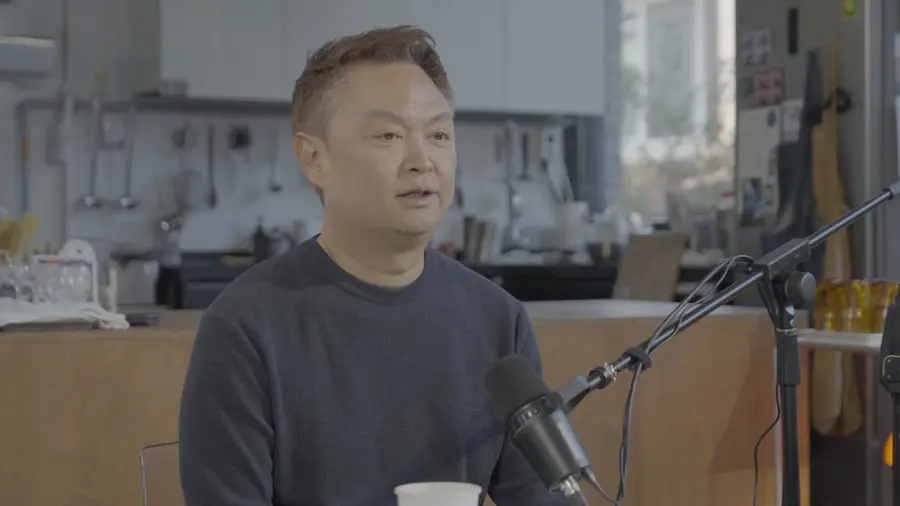
〈The Outlaws〉 〈Casino〉 director Kang Yoon-sung almost went into the olive business
Kang Yoon-sung, who made his debut at 46 with 〈The Outlaws〉, had his script rejected for years. After repeated refusals from potential investors, he decided to walk away and booked a trip to Spain to start fresh. While scouting new business ideas there, he fell in love with the local olives. Their depth of flavor, he felt, was worlds apart from what he had tasted in Korea. Convinced he had found a viable venture, he began planning a large-scale olive import and distribution business and even pursued a container contract with an olive farm. He was in the middle of negotiating contract details with a shop owner when he received a text message confirming investment in 〈The Outlaws〉. Kang ultimately shelved the olive contract and boarded a flight back to Korea.
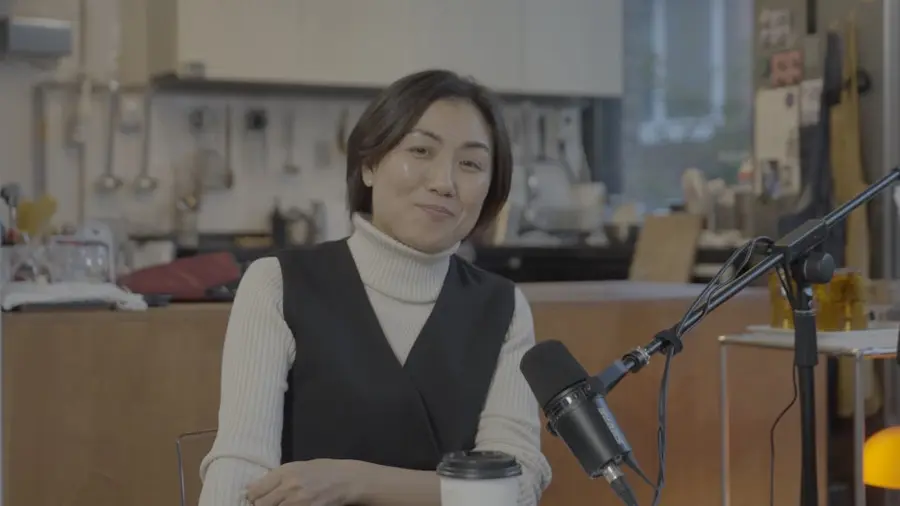
〈Chansil Has Many Corridors〉 director Kim Cho-hee once smeared cooking oil on a camera
Kim Cho-hee, who had completed a master’s course in film theory at Paris 1 University, wanted to make films "like crazy," so she worked part-time jobs to buy lighting equipment and a camera — a Panasonic AG-DVX100, the model that had become a talking point after Wim Wenders used it on 〈Land of Plenty〉. When she set out to make her first proper short, she knew so little that even she, the director, showed up in heels more than 10 centimeters high. Her cinematographer was a total novice, too; he had never worked as an assistant and didn’t even know how to unlock a tripod, so the camera tipped over on set. When things went badly, she even smeared cooking oil on the camera to try to fix a problem. That experience convinced Kim that she needed to learn from others. Not long after, she joined the crew of Hong Sang-soo’s 〈Night and Day〉 as a member of the directing team.
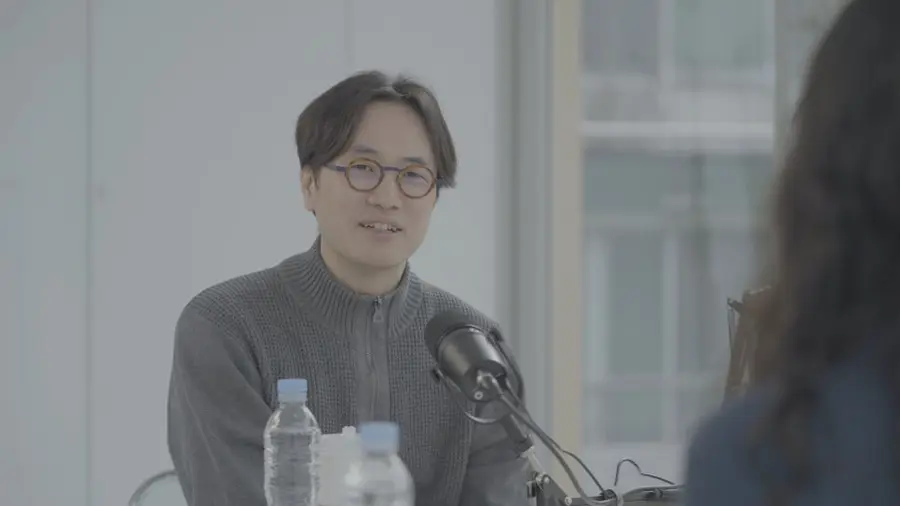
〈Pagwa〉 〈Herstory〉 director Min Kyu-dong was nicknamed the ‘Shillim-dong Golden Waist’ in college
As a high school student, Min Kyu-dong was shy and introverted, reading Dostoyevsky and keeping to himself. At university he decided to reboot his identity. He joined the student council and discovered a passion for dance. According to Min, at a campus performance attended by about 3,000 students he did what was then considered a "quite irreverent" wave, repeatedly snapping his hips — moves that, in a campus culture known for its tidy decorum, became the stuff of rumor and earned him the nickname the “Shillim-dong Golden Waist.” He traveled around the country dancing and later said he half-jokingly suspected he might have been a clown in a past life. At the time his dream was not to be a film director but to stage musicals.
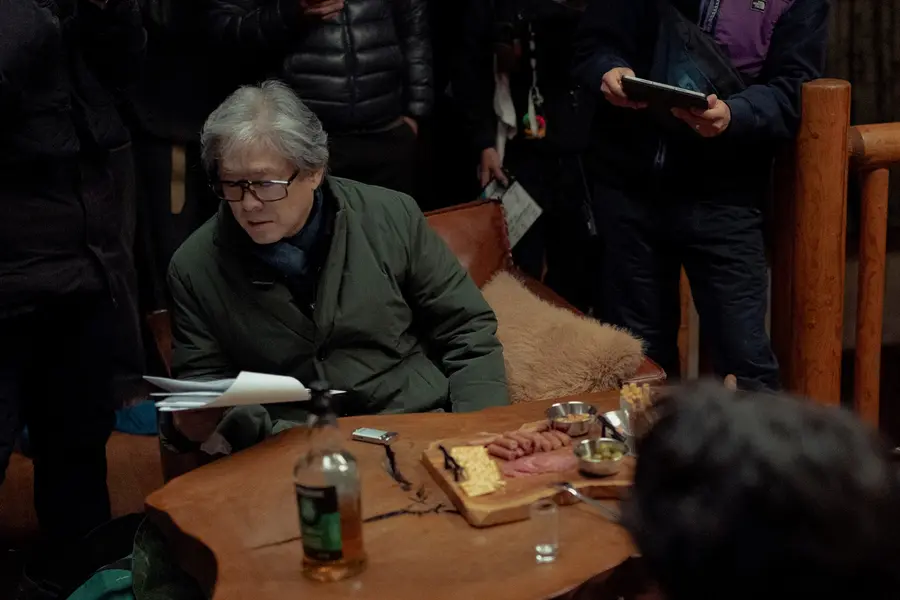
〈Oldboy〉 〈It Can't Be Helped〉 director Park Chan-wook once cut up a Robert Altman film himself
Before his debut, Park Chan-wook worked as a salaried employee in the planning office at the film company M&R. He wrote press materials for imported films and translated subtitles. He even coined the Korean title for a Greek film. When theater owners complained a film was too long, Park took on the editing. One such film was Robert Altman’s 〈Vincent & Theo〉. He reduced the original 138-minute runtime to about 99 minutes by cutting the middle of a scene in which the wounded Gogh staggers home after being shot, and then immediately inserting Van Gogh’s painting “Wheatfield with Crows.” Park later said, “After editing it, the film looked as if it had been shot that way from the start.”
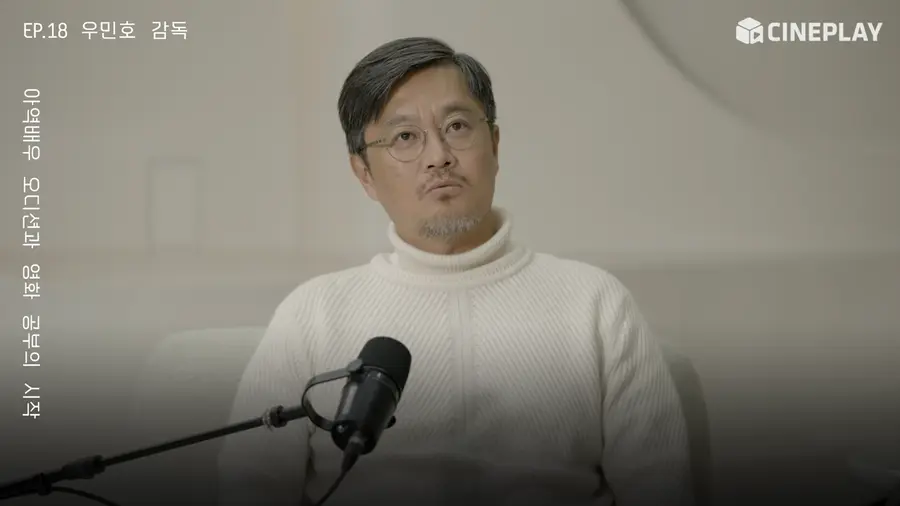
〈Inside Men〉 〈The Man Standing Next〉 director Woo Min-ho once auditioned as a child actor
As an elementary school student, Woo Min-ho was captivated by actress Jung Yoon-hee’s performances on television. Without telling his parents, he went to an audition for child actors. While other children clung to their parents and froze, the young Woo performed an impressive tearful scene that stunned the judges. When the judges told the children to cry, most stood blankly, but he sobbed convincingly and was promptly told he had passed. Fate intervened: the station called to inform the winner, and his mother answered the phone. His secret audition was revealed, and his dream of becoming a child actor was abruptly ended. Years later, a professor in an acting class at Chung-Ang University told him bluntly, “You have no talent for acting; go behind the camera,” and he turned to directing.
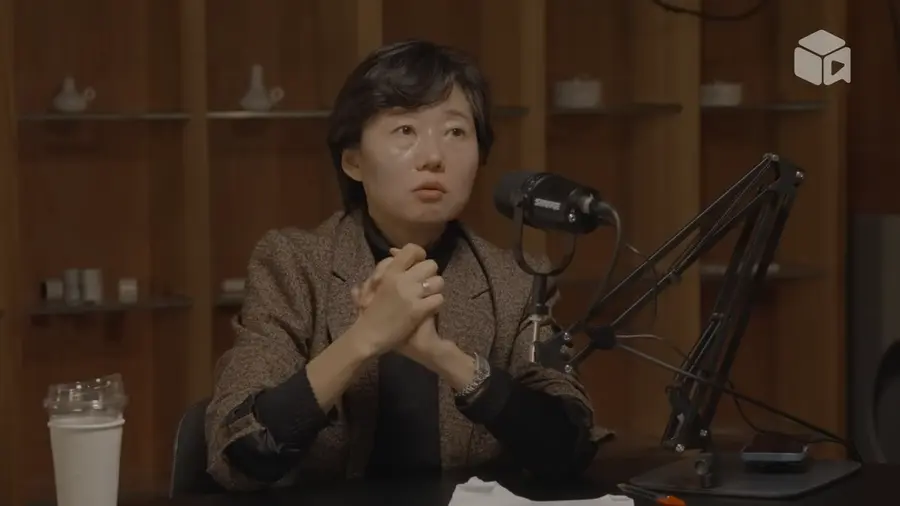
〈Miss Hongdangmu〉 director Lee Kyung-mi was, in Park Chan-wook’s memory, the ‘worst script supervisor ever’
Lee Kyung-mi quit a job she hated — commuting daily on an overcrowded express bus — and went to study film. Her short film 〈Going Well? Anything〉 earned attention, and when Park Chan-wook asked if she wanted to debut, she replied, “I want to be a script supervisor.” She became the script supervisor on 〈Sympathy for Lady Vengeance〉, but Park later recalled she was “the worst script supervisor in history.” He even said he debated whether to fire her. Despite that, Lee took observations from that set and later used them, one by one, in her debut feature 〈Miss Hongdangmu〉.
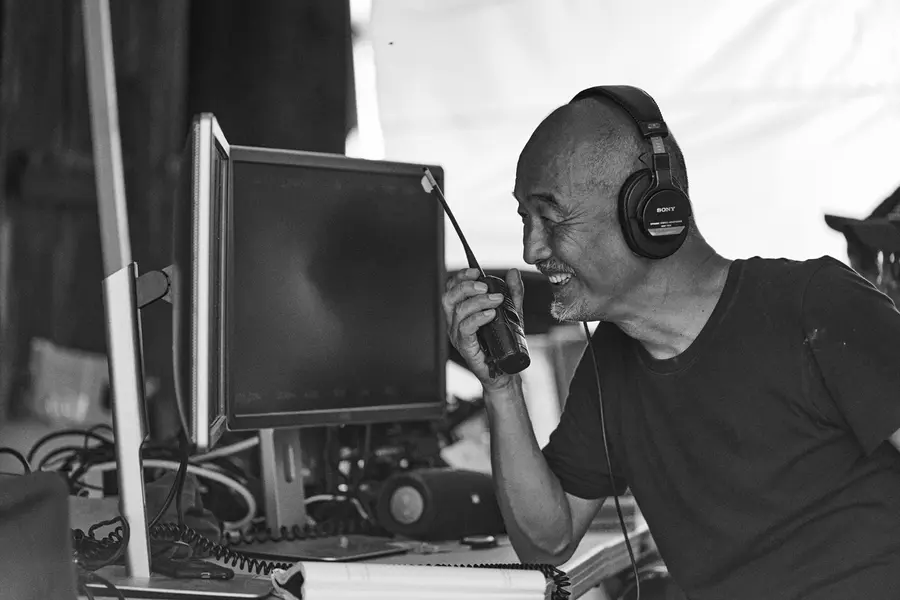
〈The King and the Clown〉 〈The Throne〉 director Lee Joon-ik ran a graduation-album business in middle school
When Lee Joon-ik was in his third year at Sinyongsan Middle School, the school eliminated graduation albums after corruption surfaced involving teachers and a local photo studio. Lee borrowed a camera from a wealthy friend in Dongbu Ichon-dong, took group photos of his classmates, had the prints made and sold them for 100 won each. The principal, having heard about the venture, summoned him — not to scold but to order him to photograph every class from the first to the last. Under the school’s endorsement and using someone else’s camera, Lee ran a profitable business and made a fair amount of money.
※[Fascinating Anecdotes About Korean Film Directors You Probably Didn't Know] continues in Part 2.


댓글 (0)
댓글 작성
댓글을 작성하려면 로그인이 필요합니다.
로그인하기