


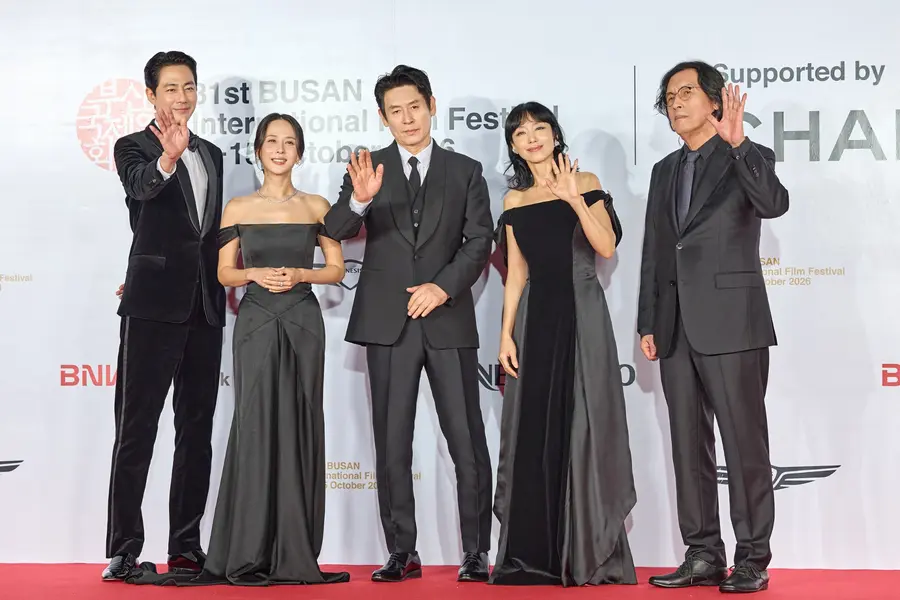
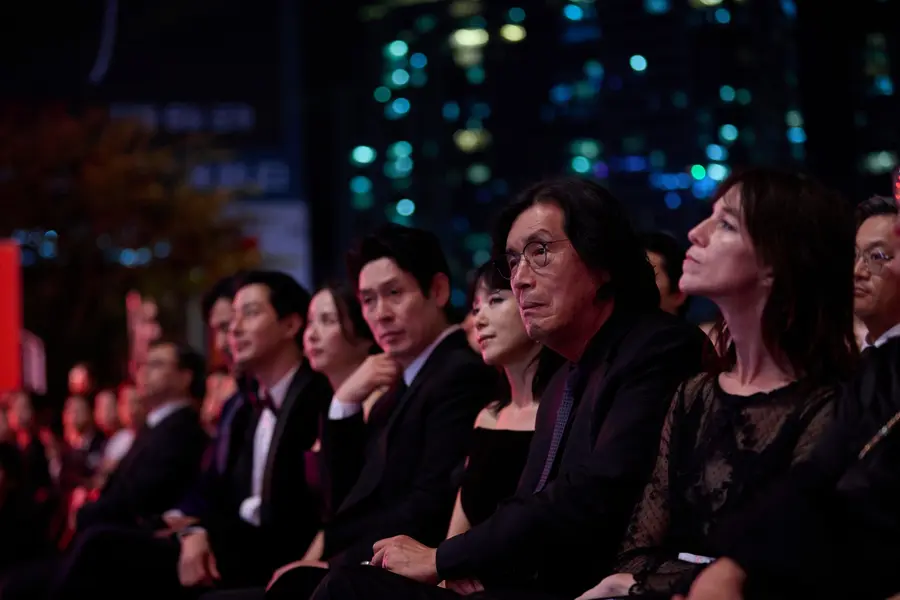
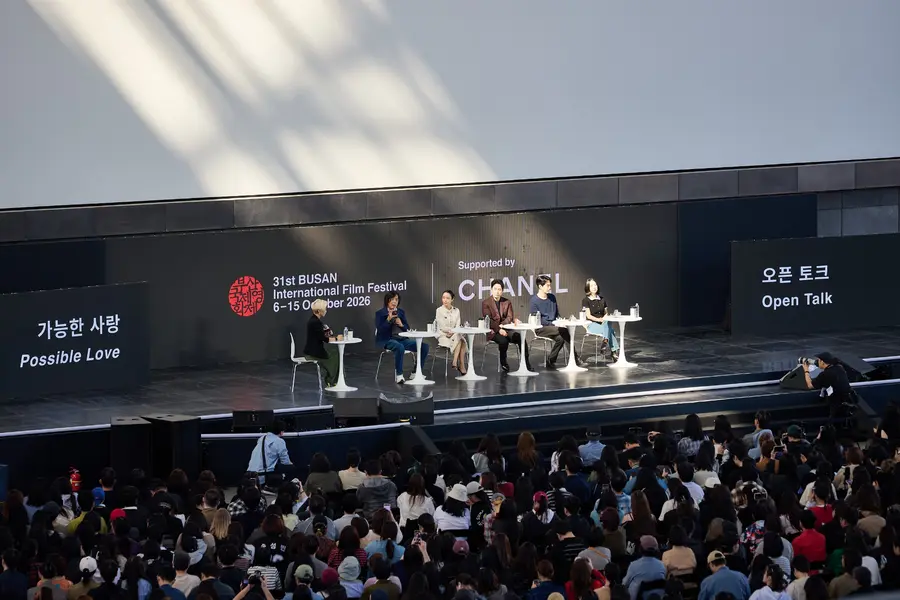
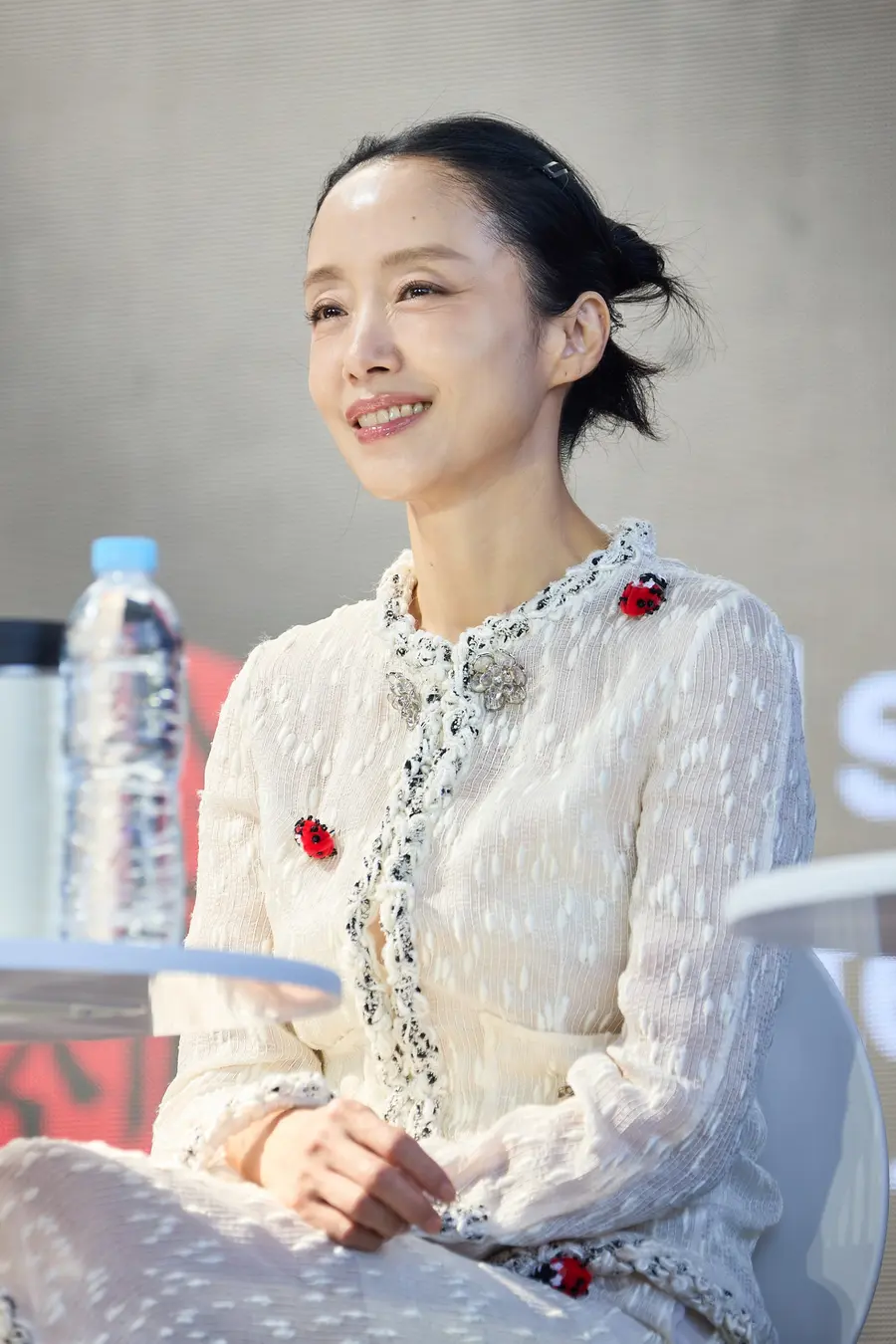
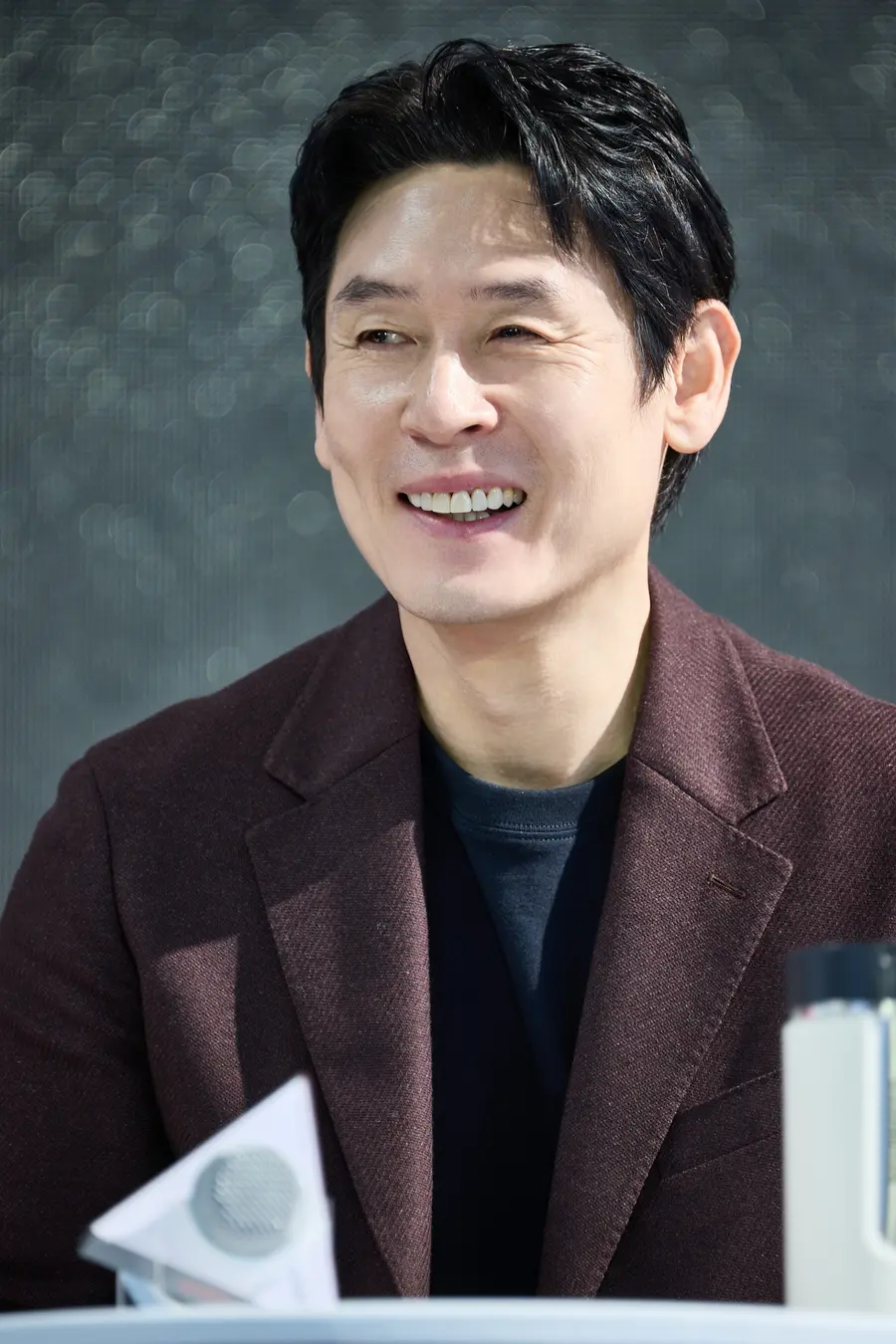
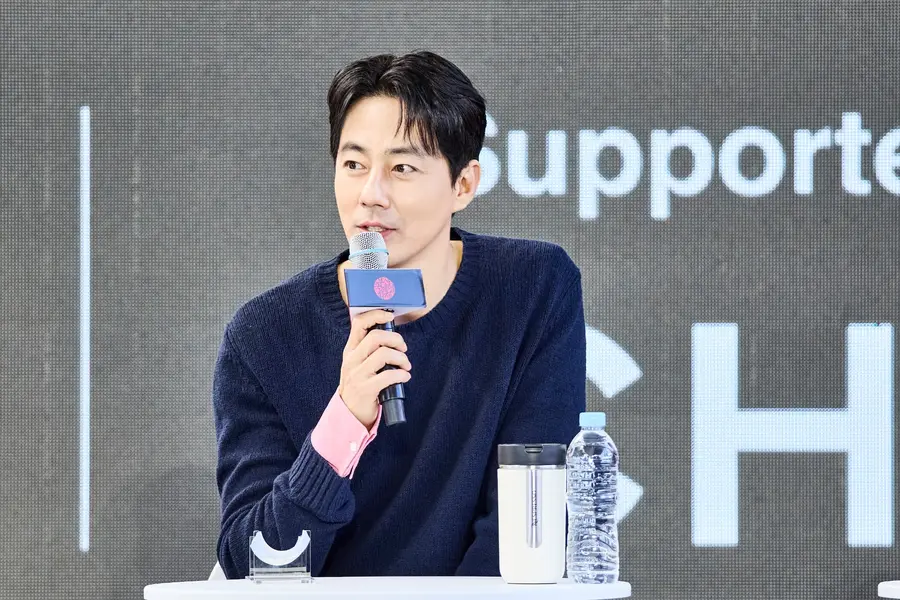
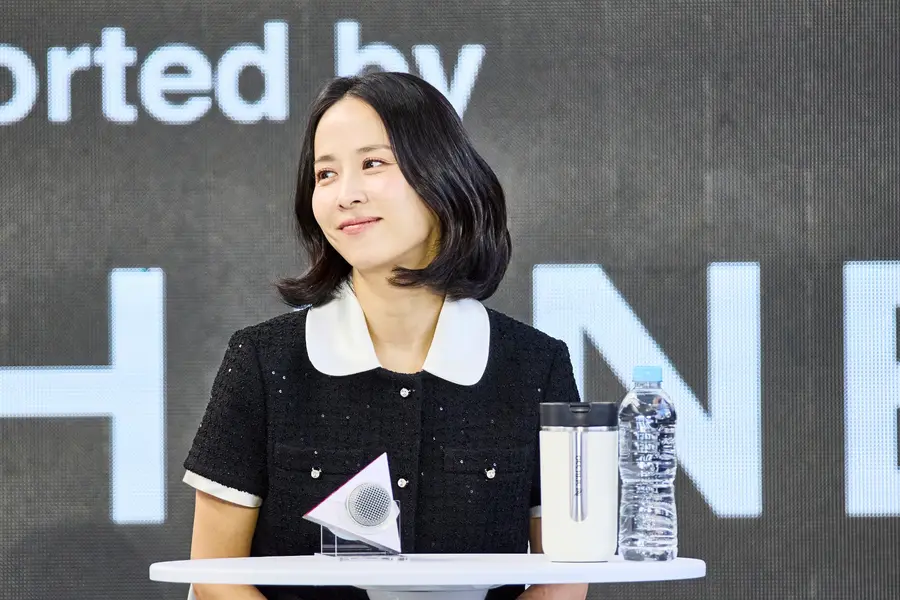
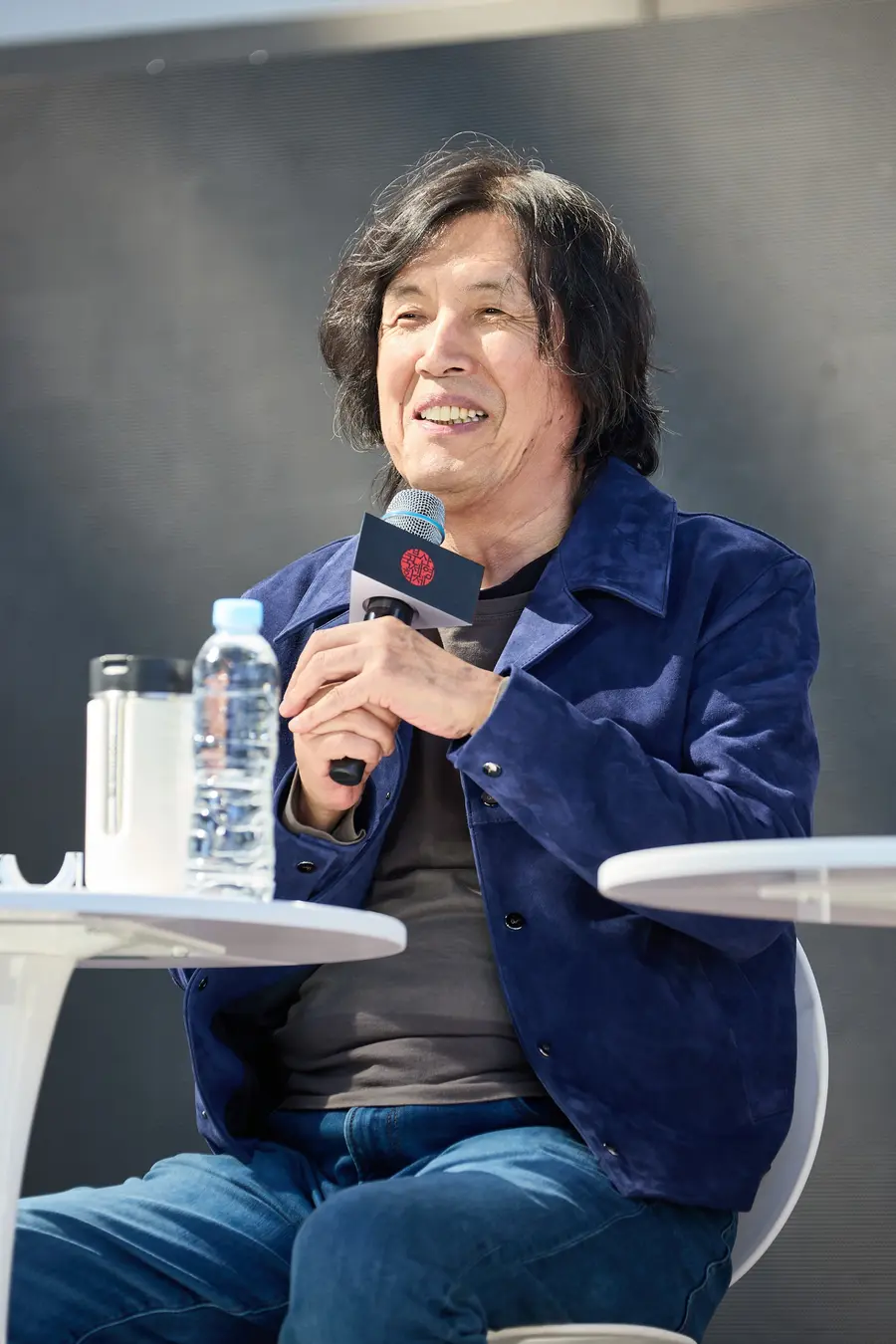
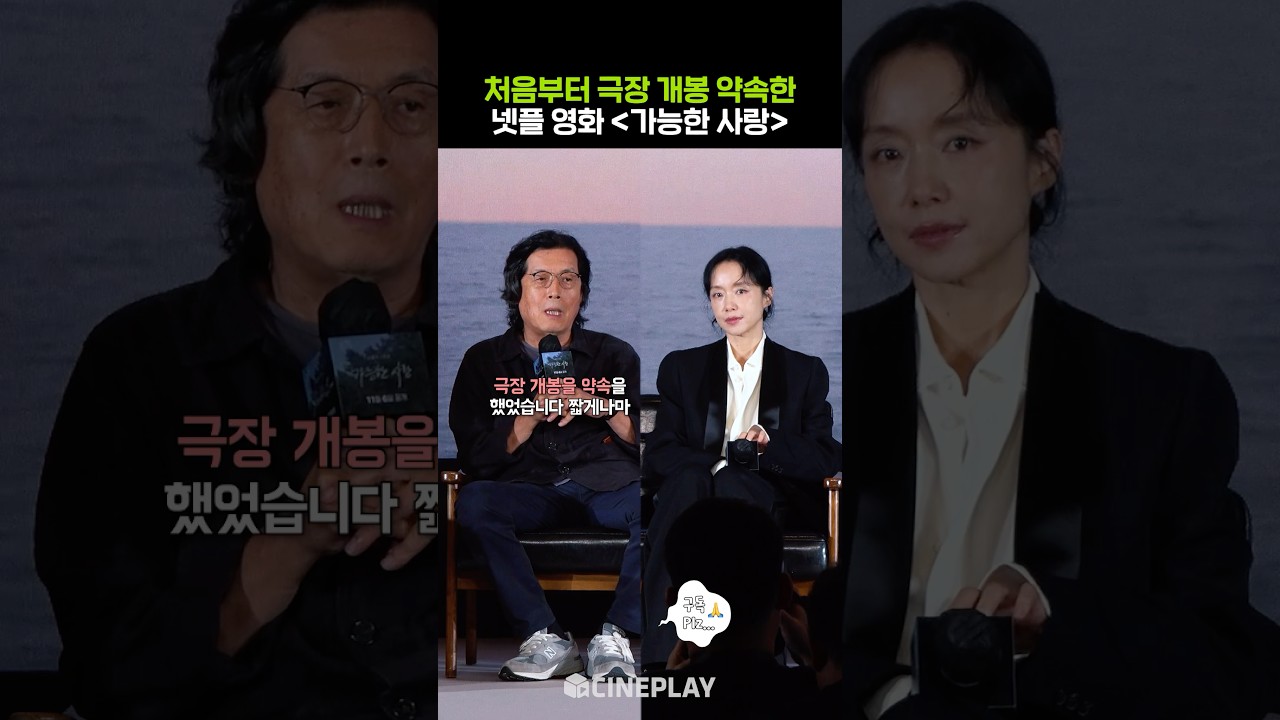
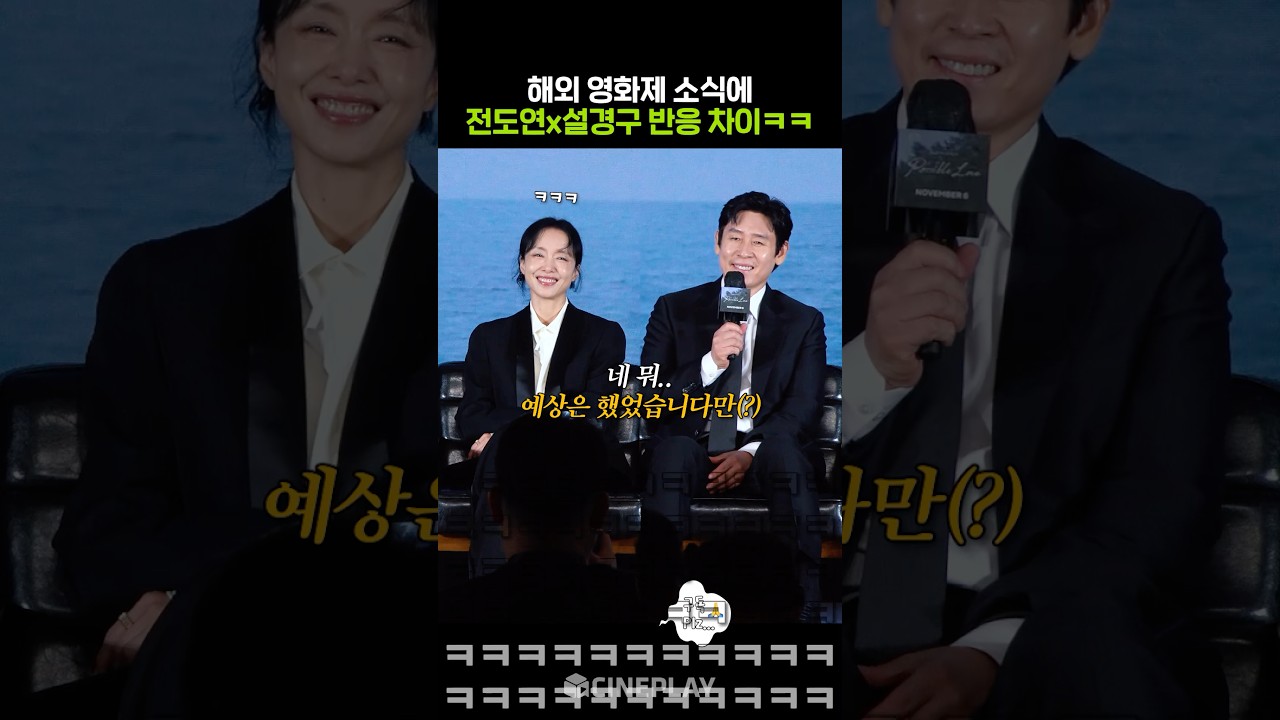
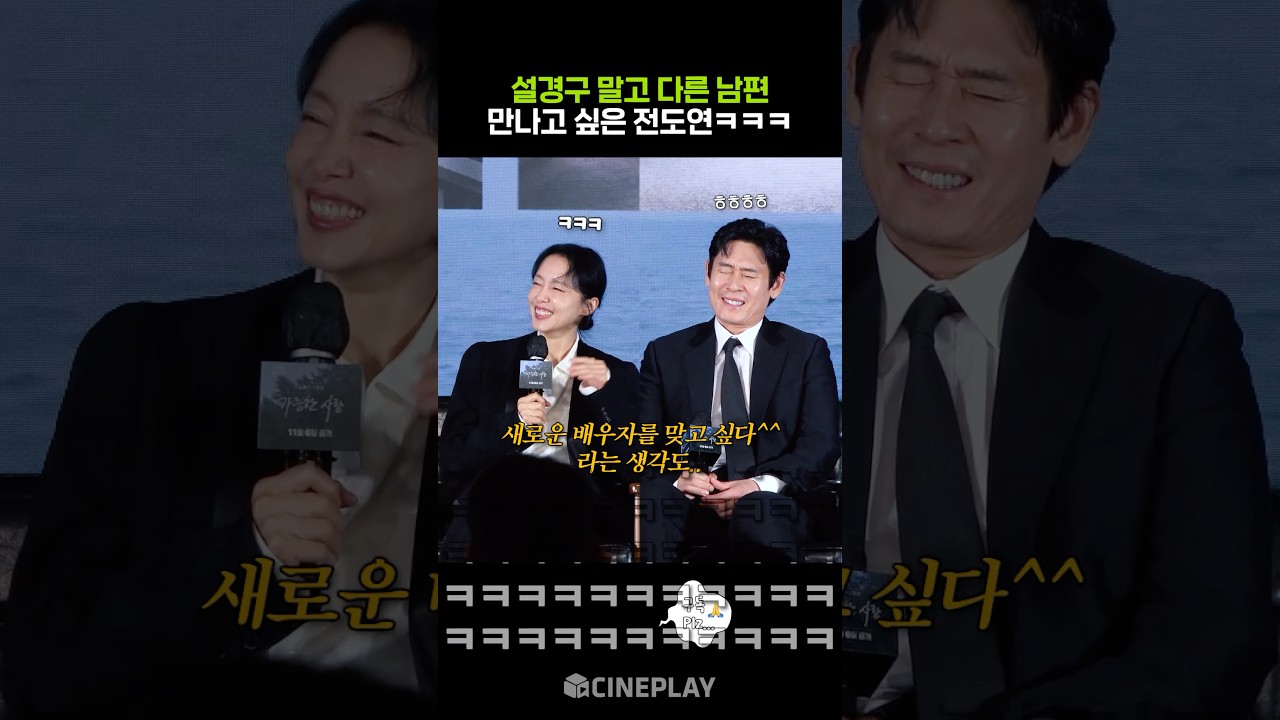
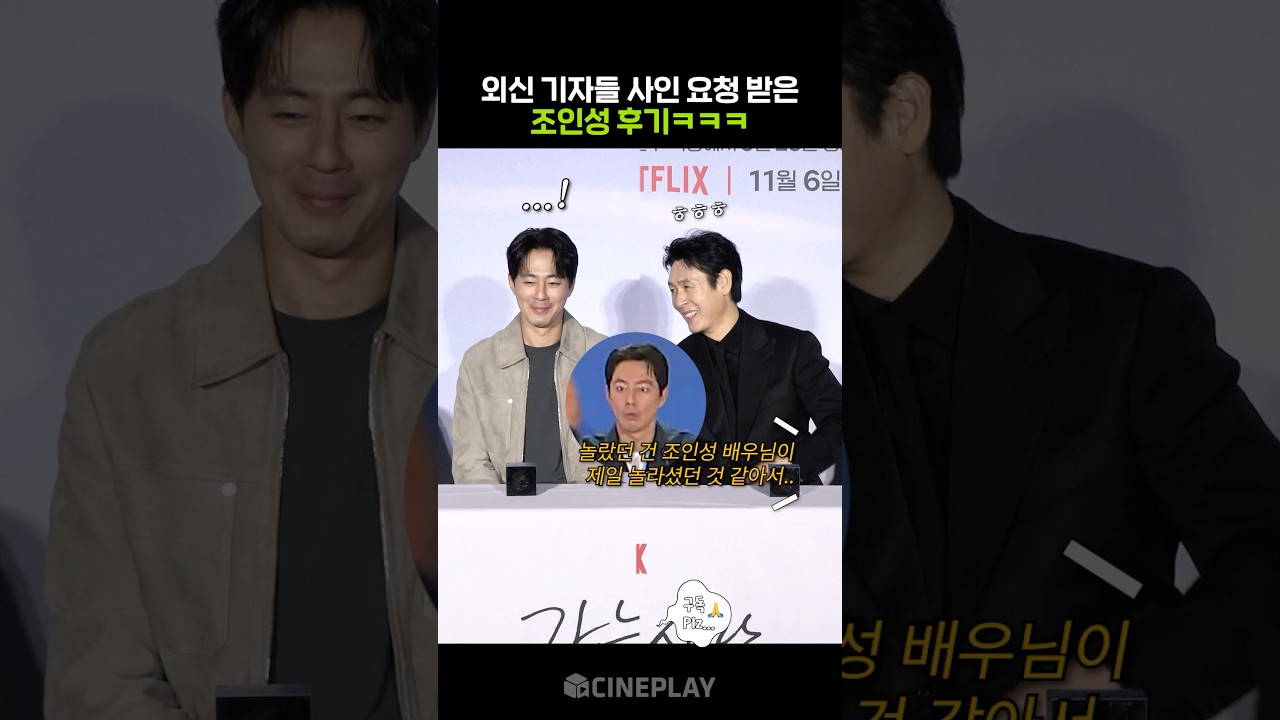
Director Lee Chang-dong’s first film in eight years, 〈Possible Love〉, was shown at the 31st Busan International Film Festival (BIFF). Invited to the Icon section, the film met domestic film festival audiences for the first time after becoming the first Korean film to win the Grand Jury Prize at the 83rd Venice International Film Festival. Lee and actors Jeon Do-yeon, Seol Kyung-gu, Jo In-sung and Cho Yeo-jeong held an honest, often humorous open talk with the audience on October 7, and at the post-screening talk (GV) that closed their Busan schedule they dug into the film’s perspective, structure and ending. Highlights from both events follow.
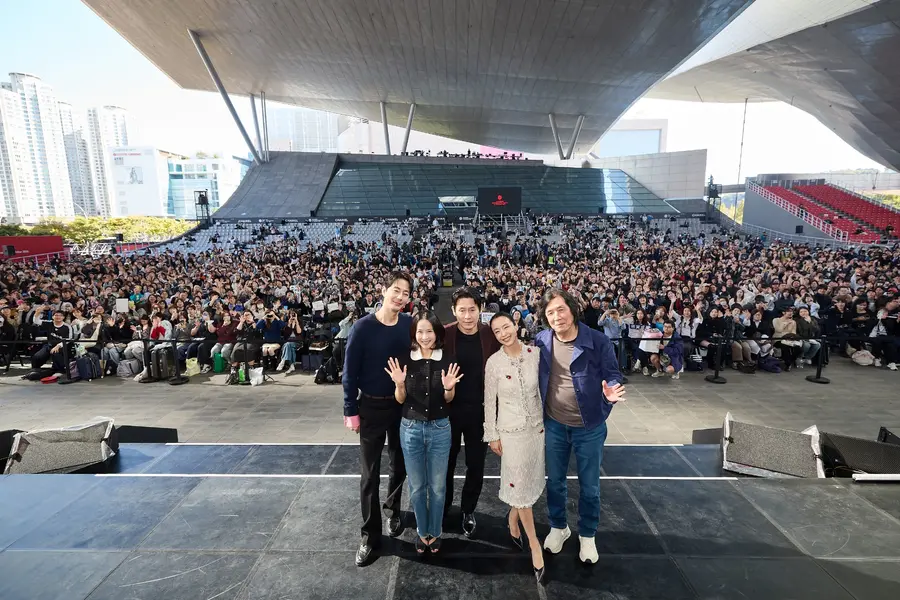
Lee Chang-dong returns after eight years, "Do I really have the right to tell their story?"
The starting point of 〈Possible Love〉 was a large-scale layoff, a mass strike and its suppression at a major conglomerate about a decade ago. After encountering the incident, Lee Chang-dong said he believed it would not be only the dismissed workers’ problem but a moment that would change our lives, and he wanted to make it into a film. He worked through reporting and a screenplay and reached preproduction, but ultimately stopped. Lee confessed, "Do I really have the right to tell their story? It’s not a documentary but a drama—what does it mean to present it that way? How close am I to these people? I couldn’t be certain about those questions."
Writer Oh Jeong-mi’s proposal: "I could tell an honest story about myself"
What set the long-stalled story in motion was a suggestion from co-writer Oh Jeong-mi: to include the story of a documentary director. Lee said, "I came to think that the suffering of fired workers could be not only others’ pain but my own story. Could I, as the filmmaker, look at them with what eye, what attitude, what ethics? I began to feel I could tell an honest story about myself."
With the appearance of Ye-ji (Cho Yeo-jeong), a documentary director who carries a camera, the film became a story about 'gaze.' Lee said, "Someone holding a camera means someone is looking at someone else, and the act of looking already carries power. Holding the camera itself creates a kind of authority."
Cho Yeo-jeong, who plays Ye-ji, said, "On set I tried to fully inhabit the documentary director Ye-ji, always holding a camera and shooting little things whenever I could. The fact that the film’s documentary team was made up of real cinematographers and producers helped me naturally immerse myself in the role."
〈Dekalog〉's 10 episodes and Cheol-i's transcendent gaze, "like the eye of God"
Among the film’s many intersecting points of view, the most striking is the gaze of the son, Cheol-i (Jeong Seop). Lee said he intended Cheol-i’s perspective to "not feel like the ordinary gaze of a typical child but to feel somewhat transcendent."
According to the director, Cheol-i was written with characteristics associated with Asperger’s syndrome. He explained, "This child has traits suggesting he is more trapped in his own world than other children," and clarified his directorial intent: "Cheol-i’s gaze is a child’s gaze but slightly transcendent—perhaps it can feel like the audience’s gaze from the start of the film."
Lee said the project began as part of a film project inspired by Krzysztof Kieślowski’s 〈Dekalog〉 series. 〈Dekalog〉 includes, in each episode, a briefly appearing transcendent figure who seems to observe events with a 'God-like gaze.' Lee recalled an anecdote: "Kieślowski had died, but the writer on that project was alive until last year; during a video call with Lee, that writer told him, 'Do whatever you like, but I have one request. Could you, in some way, reflect that transcendent gaze in your film?'"
What Lee meant when he told actors, "Don't act"
Jeon Do-yeon recalled that because of her experience on 〈Secret Sunshine〉 she went to this set prepared for "a pain that might come with pleasure," but found the production extremely enjoyable. She remembered Lee’s characteristic directing style: "The director told actors not to act. Standing in front of a camera and being told not to act—what on earth does that mean?" she said, adding, "Ultimately it meant ‘speak and feel so the lines come out like your own words.’" She emphasized, "During 〈Secret Sunshine〉 I didn’t fully understand the director’s working method, but now I realize that when I go to set the most important thing is how open my heart is and how much I clear my mind."
Seol Kyung-gu also said, "We each tried to bring our own emotions and be alive on screen," and admitted, "The nicest thing I could hear was that it looked like I was alive on screen." Jo In-sung added, "I felt that the script already contained everything, and even without doing anything big with my acting, if I could simply believe at each moment, ‘Yes, this is really how I am now,’ the energy suitable to the situation would naturally come out. So I tried to trust that and remain still."
Why Mi-ok (Jeon Do-yeon) tells the 'Steve Jobs' story: "It connects to the film’s overall theme"
Jo In-sung pointed to the ensemble of four characters colliding as the film’s chief pleasure. He said, "The most engaging part is the 'character play'—how the four actors interact, each with different aims and dispositions, like in the scene where they grill meat together."
Lee said of that scene, "You have to show the four characters individually so subtle tensions and awkwardness appear, but it mustn’t become heavy; it should be entertaining." At the barbecue restaurant, the two men become subtly conscious of each other: the archetypal Korean man Hoseok (Seol Kyung-gu) and Sang-woo (Jo In-sung), "a new form of man who looks kind but is actually more frightening." Lee said Mi-ok’s Steve Jobs anecdote is "a line that ties into the film’s overall theme." He explained, "It symbolizes new technology that seems like it will solve everything and free us, but when combined with terrifying capital it can strip away our lives—so I conceived the 'Steve Jobs' story in the film."
"An equally shining" moon above the stone bench
Questions about the ending followed. Lee said, "From the time I was writing the screenplay I very naturally thought this had to be the ending," showing confidence in his direction. He explained, "The marble bench at the end is never used properly; it ends up being used only to dry peppers and laundry, a symbol of the failure, betrayal and frustration of one’s life." On that space of collapse, the couple drinks together and looks up at the moon. Lee described it this way: "That moon shines equally on everyone." He added, "Whatever that ending means, I thought it might be a decisive scene in the life we live. Whether that scene carries hope or sorrow will vary by viewer, so I made it an inevitable ending."

![[2026 BIFF] Lee Chang-dong, Jeon Do-yeon, Seol Kyung-gu, Jo In-sung and Cho Yeo-jeong on 〈Possible Love〉: 'The Moon Shines Equally on Everyone'](https://cdn.www.cineplay.co.kr/w300/q75/article-images/2026-10-15/1da25e3b-e53c-4a23-ac23-cee5ac213feb.jpg)
![[First Reaction] 'Still Radiant' Cineplay Reporter Ratings](https://cdn.www.cineplay.co.kr/w300/q75/article-images/2026-10-15/e104c4fb-ef9c-4471-a6ff-cc18479ed021.jpg)
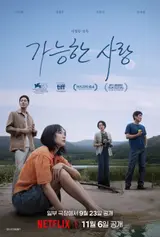
![[First Reaction] 'Possible Love': CINEPLAY Reporters' Ratings](https://cdn.www.cineplay.co.kr/w160/q75/article-images/2026-09-21/4e8e5a87-9661-4669-9afe-ba1df097176c.jpg)
댓글 (0)
댓글 작성
댓글을 작성하려면 로그인이 필요합니다.
로그인하기