


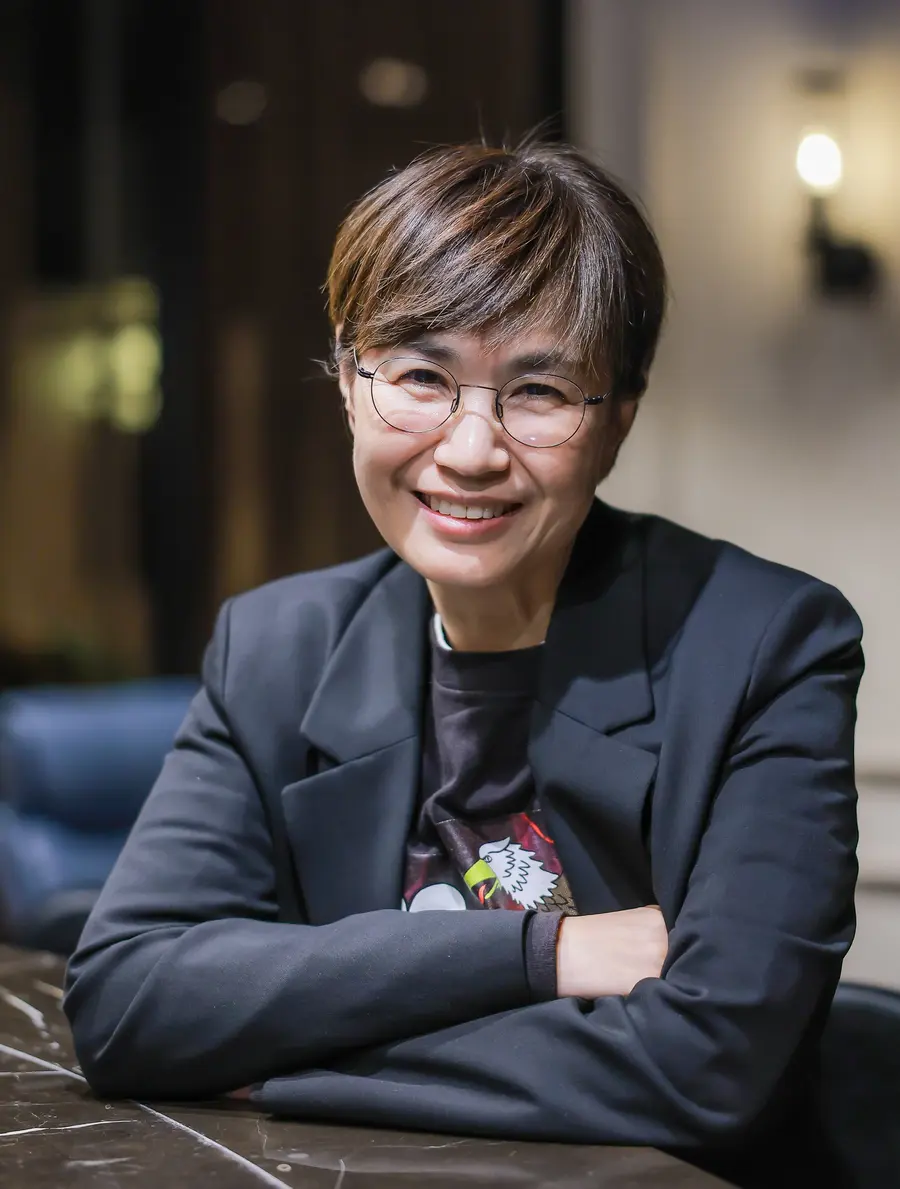
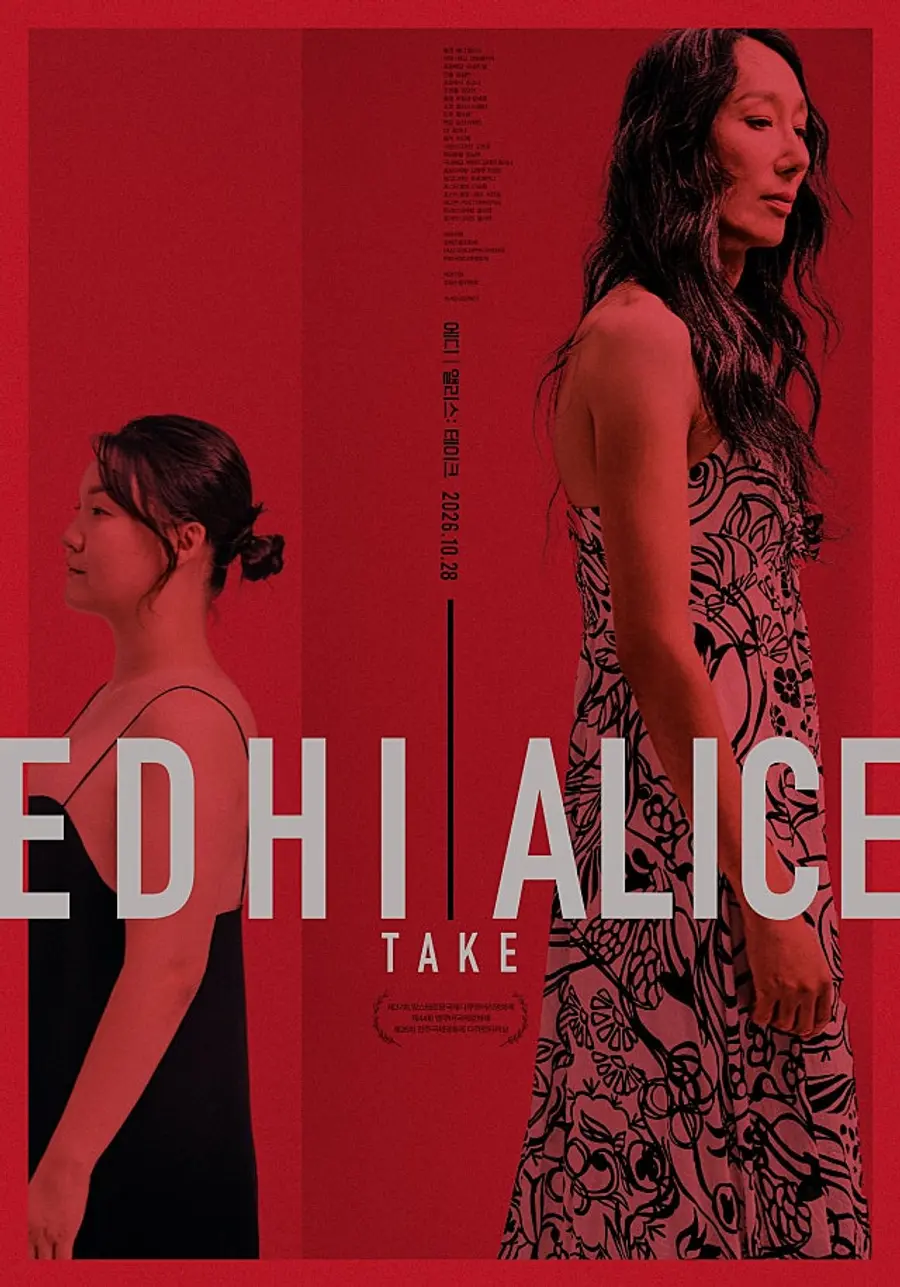
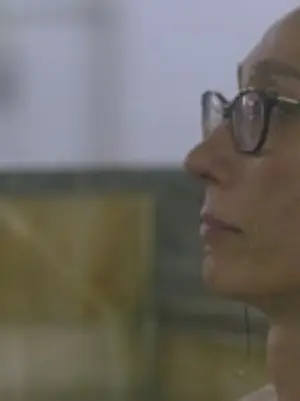
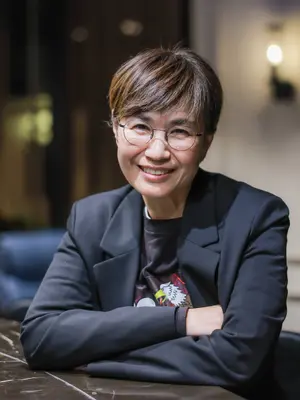
A women’s bathhouse. Perhaps it’s a familiar, ordinary place for most women. The camera is set up, the lights come on, and filming begins. Water—whether sweat or tears, it’s hard to tell—runs down the face of a woman in the bath. What we see is the “unfamiliar emotions” that emerge amid that familiar scene. This bathhouse scene, which feels like something from a movie, is one take from the documentary 〈Edhi Alice: Take〉. Alice, a lighting director and trans woman, sets up a scene to film Eddie, another trans woman. The documentary’s director is also there on set. She is Kim Il-ran, who directed 〈Two Doors〉 (2012), about uncovering the truth behind the tragedy surrounding redevelopment in Yongsan, and 〈The Remnants〉 (2018), which examines the trauma of those who survived the tragedy. 〈Edhi Alice: Take〉 is Kim’s first film to open in eight years. Through her camera, she has opened up space for empathy with society’s marginalized.
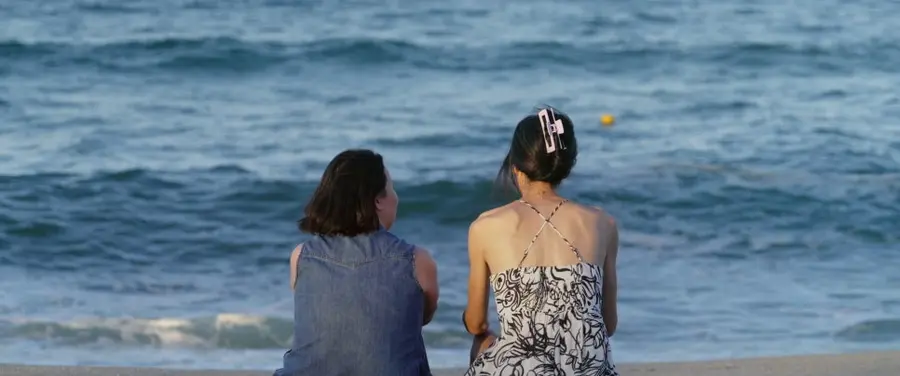
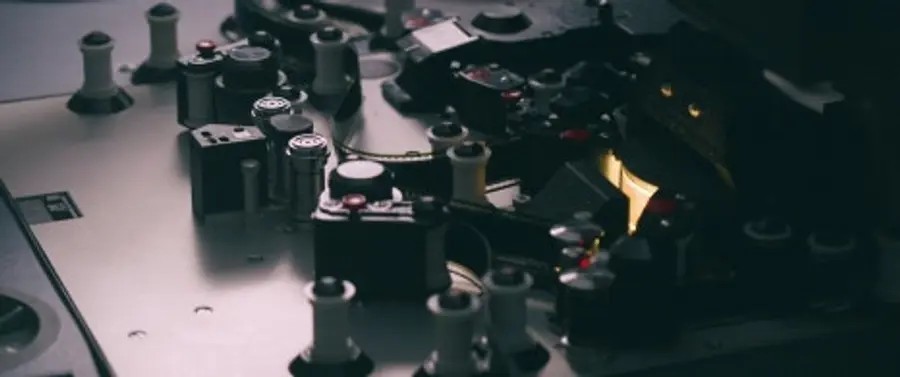
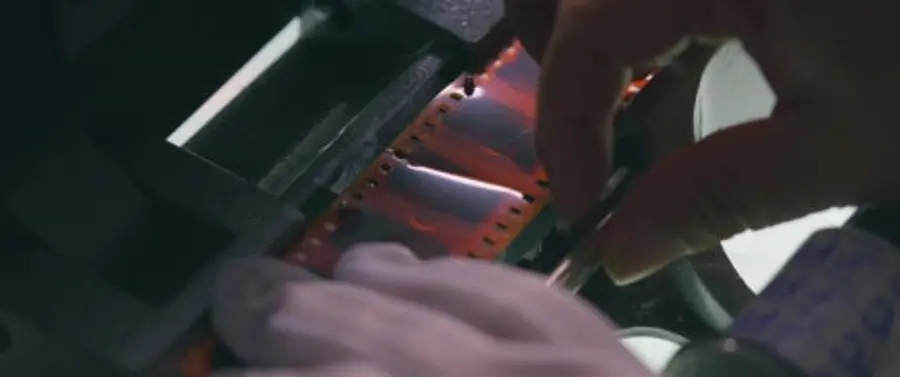
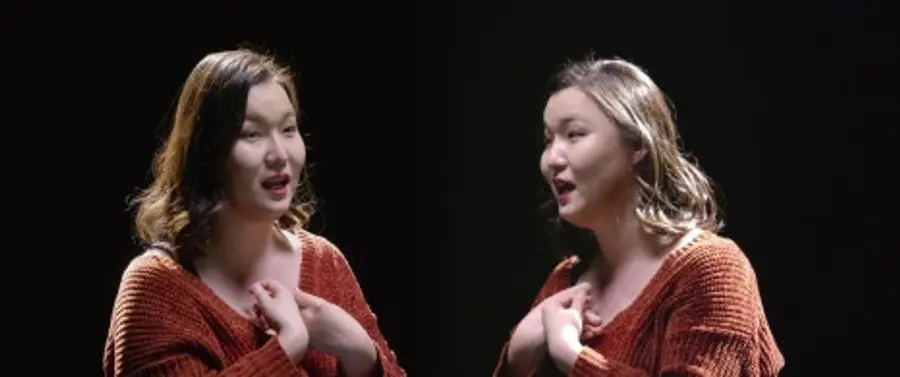
Where her previous films began with “incidents” that society had overlooked and persistently questioned society’s values, 〈Edhi Alice: Take〉 breaks down grand narratives and opens with a closer look at the everyday lives of trans women. Alice, a lighting director who worked on 〈The World of Us〉 and 〈House of Us〉, struggled relentlessly to live “like a man.” Eddie works as a counselor at a crisis support center for young people and is preparing for gender-affirming surgery. Their daily lives become the focus of observation, unfolding along two parallel tracks like mirrored images. The film’s approach to observation is also varied. It shifts constantly between nonfiction and fiction, behind-the-scenes footage of a film shoot and performance, stimulating the audience’s senses. The process of handling film—cleaning, cutting and splicing it together—becomes a metaphor woven into the story. It’s a distinctive process in which a film takes shape and transforms as it follows the choices and transitions of two trans women.
〈Edhi Alice: Take〉 speaks to audiences in a cinematic form many have never seen before. The exploration of identity—a question often addressed in films about LGBTQ+ people—may have been this film’s “prequel.” Leaving behind years of discrimination and exclusion, 〈Edhi Alice: Take〉 considers the next step. It follows, in concrete detail, the steps toward change. Kim, who has spent years thinking alongside trans people, is careful not to reduce their lives to sensational material. Now she invites audiences to work through the answers to these questions with her. We met with Kim, whose thinking extends beyond the finished film and into a distinctive lecture series being prepared to coincide with its release.
Your 2009 film 〈3xFTM〉 told the stories of trans men. How do you feel society’s attitude toward transgender people has changed since then?
I think the biggest change is that people now use hateful language without hesitation. In the past, there was some caution around how to understand and accept these unfamiliar people. When people talked about what they were curious about, there was a sense that they first considered whether it was hateful or not. But at some point, people began expressing their hatred openly, sometimes making hateful remarks specifically to hurt others. Groups have emerged whose views are so troubling that you find yourself wondering, “Why would anyone think this way?”
In the meantime, you directed 〈The Remnants〉 and 〈Two Doors〉, bringing you close to the perspectives of society’s marginalized. What was the decisive factor in your decision to make this film? The death of the late Sgt. Byun Hui-su, who died after being discharged from the military following gender-affirming surgery, felt especially significant in the film.
I first met Eddie when Yeonbunhong Chima was making a variety show called 〈Queer Service〉 for YouTube. Eddie, a trans women’s rights activist, was the host, so we saw each other often. She suggested making a documentary about her life. Anti-trans hatred was growing, and Sgt. Byun Hui-su had held a press conference. Byun and Eddie knew each other. When Byun later took her own life, Eddie was deeply affected. Voices calling for the exclusion of trans women kept appearing on social media, including Facebook. As the hatred grew, Eddie kept saying, “At times like this, I need to document the life I’ve lived.” To be honest, I hesitated a little when Eddie made the suggestion. I wondered whether I could do it well and what I could say about representing trans women. Around that time, I was introduced to Alice.
How did you meet Alice?
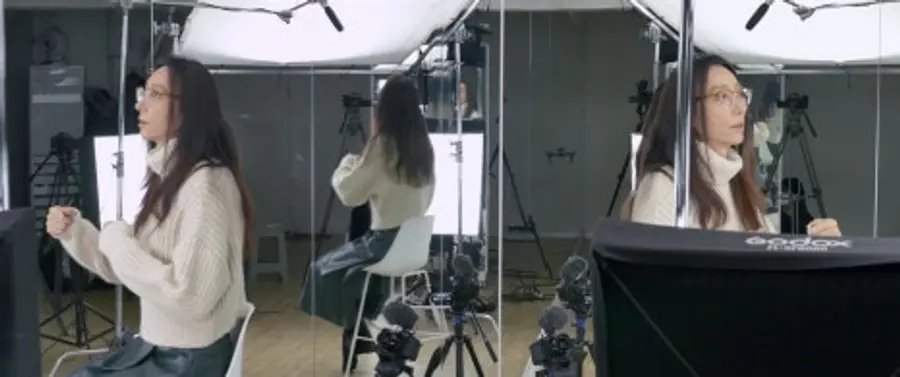
It was by chance. I knew the B-camera cinematographer who joined the drama production after Alice was pushed out of the set—the incident shown in the film. One day, that cinematographer came to the Yeonbunhong Chima office, a group advocating for LGBTQ+ rights, and told me that a trans woman lighting director had been kicked off a drama set where they were working. I said, “How could something like that happen?” They told me the lighting director had worked on films by director Yoon Ga-eun: 〈The World of Us〉 and 〈House of Us〉. She had also worked on director Lee Joon-ik’s 〈Dongju: The Portrait of a Poet〉. I said I wanted to meet her. I’ll never forget the day Alice first walked into the Yeonbunhong Chima office. She came in wearing neon-lime leggings, a sleeveless top and a bra top, and she was so tall. The visual impact of her appearance and the sound of her voice hit me all at once. That day, she told me how hard things had been on the drama set. I thought then that I wanted to work with Alice, and wondered what it might be like to bring Eddie and Alice together.
When Alice takes part as a lighting crew member while Eddie is being filmed, the structure feels like we’re watching behind-the-scenes footage of 〈Edhi Alice〉. You also connect transgender transitions with the film’s production process, carrying through your perspective as a director.
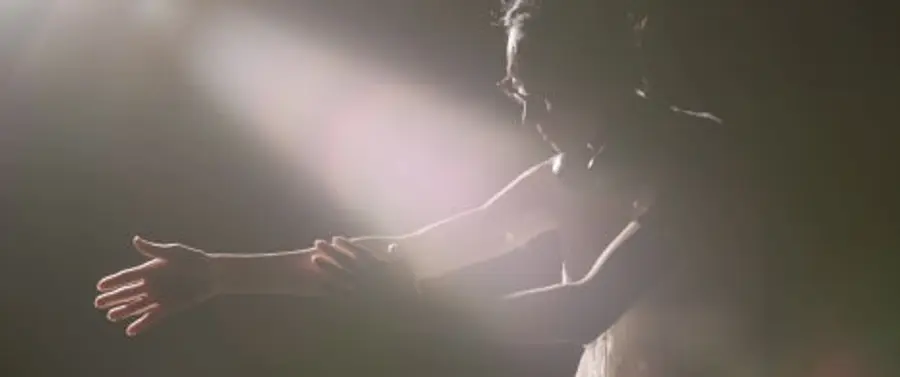
I was developing the idea during the COVID period. There was a lot of talk then about “the death of cinema.” I had a lot of questions myself as someone who makes films. At the time, I realized how closely the word “transition” connected these two fields. The transition in film and the transition of transgender people seemed so similar that I thought I might start an experiment there. When editing a film, you consider transition effects, straight cuts and how to put different shots together. A body doesn’t change overnight, so I felt that film editing and the process of coming to understand one’s identity were alike. I thought that if I used transgender people’s experience of transition as a metaphor in film, I could make a movie that told that experience differently.

As Eddie goes through the surgical process, she has to think harder about things that people who naturally accept the sex they were assigned at birth don’t have to consider. Did watching the two of them up close change your perspective?
I thought, “Eddie really has been taking on the impossible.” She prepares for each and every day of her life. When she worked at Tt-tingdong, a crisis support center for young people, she would advise them, “Come out, but be prepared.” She’d say, “Your parents might reject you and you might have to leave home, so do it when you have even a million won in hand and a friend you can call.” That’s practical advice she could give because she went through it herself. Watching her prepare for surgery and talk to her father made me realize what kind of person she is.
Compared with Eddie, who expresses herself openly, Alice seemed more repressed. She said, “I don’t have even 1% positive feelings about my body.”
Alice had lived without ever thinking her dreams would come true. She kept trying to live as a man. She even got married and tried right to the very end, but eventually realized she couldn’t do it. She thought about ending her life and even attempted to. But then she thought she should see a psychiatrist just once, find out what was going on with her, and then die, so she sought treatment. She was filming that day. After finishing the lighting setup, she took a break and got a call from her psychiatrist. She said she was overjoyed when the doctor told her, “You are a woman.” Alice legally changed her gender and is living her life by expanding that 1% possibility. At the start of the film, she cried as she said, “This is my first time in a women’s bathhouse.” Now she goes to women’s swimming pools without a problem. She found the courage to do that herself after we finished filming.
※ The interview with director Kim Il-ran about 〈Edhi Alice: Take〉 continues in the second article.



댓글 (0)
댓글 작성
댓글을 작성하려면 로그인이 필요합니다.
로그인하기