



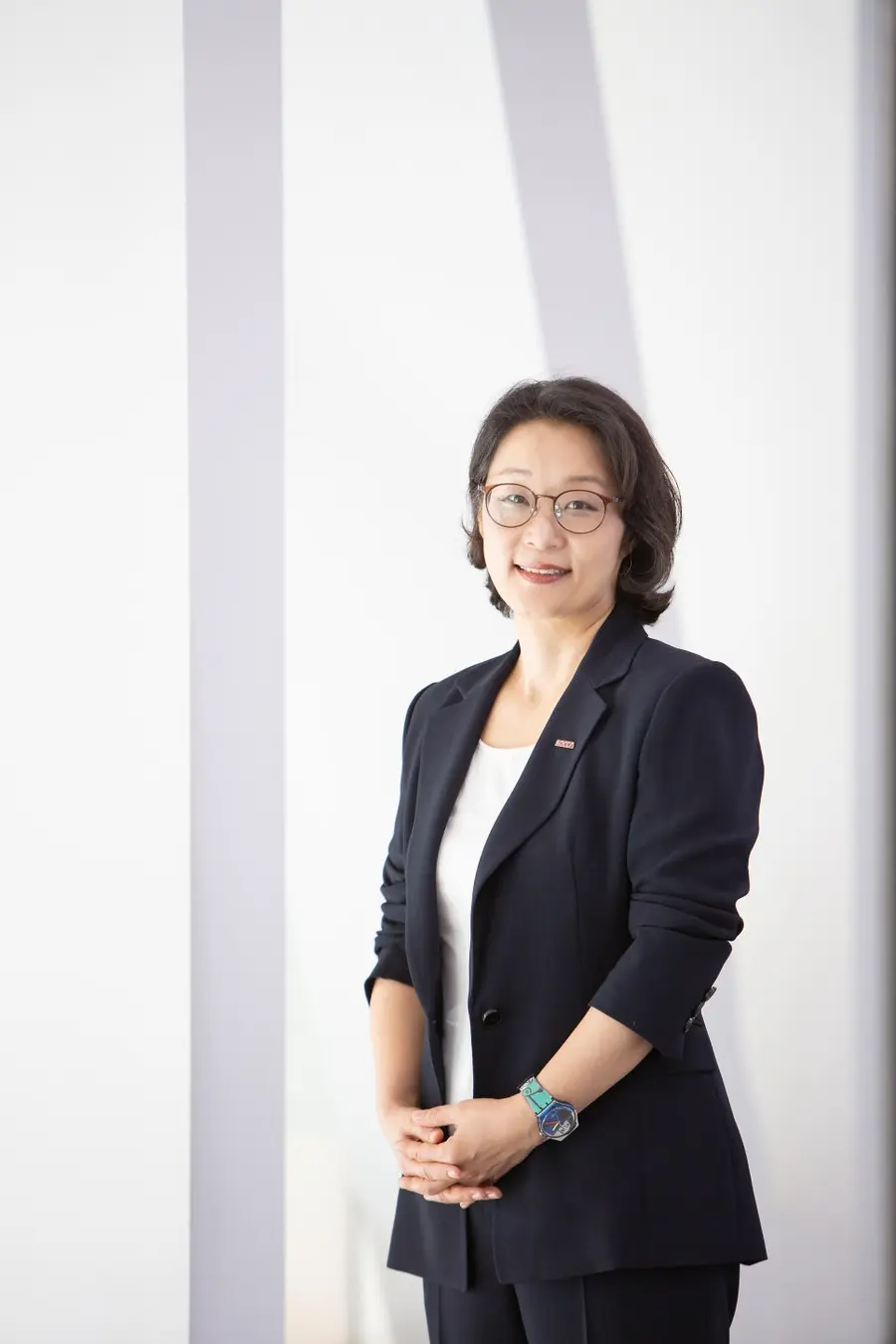
Beyond slowing growth and worsening profitability in Korea’s content industry, what other structural challenges do you see?
To be honest, as a support agency, we feel constrained in some ways. A prime example is the budget structure. The industry is changing rapidly, but government budgets can’t move at the same pace. Even if we come up with a new initiative now, most of next year’s budget has already been set, so it won’t actually be reflected until the following year. Another constraint is that programs are funded on a single-year basis. KOCCA typically begins spending its budget in March and must use it by November. But it’s difficult to produce large-scale content like dramas and games within that timeframe. The Korean Film Council has access to fund-based programs, which gives it more room to run projects over a longer period. KOCCA, however, is constrained by its annual budget cycle. Companies also face significant difficulties when using support funds. Because they are government subsidies, the documentation requirements are extremely strict. We’re therefore considering changing the structure of our funding to use contributions instead. That would allow us to run programs more flexibly and reduce the burden on companies.


You’ve written several books, including 「The Korean Wave: An Outside Perspective」, 「The Economics of the Box Office」, and 「Squid Game and the Content Revolution」 (co-authored). In particular, 「Squid Game and the Content Revolution」 includes a chapter titled “What the 1 Trillion Won Economic Impact of 〈Squid Game〉 Doesn’t Tell Us.” What was your purpose in examining 〈Squid Game〉 from an economic perspective?
Because 〈Squid Game〉 (2021) was such a huge success, the idea came up to study it together. I had been researching the economic impact of the Korean Wave, so I took part from an economic perspective. One of the topics I’d been interested in was how increased exports of Korean Wave content affect exports in related industries, such as cosmetics and food. I asked a similar question about 〈Squid Game〉. At the time, the media often mentioned “1 trillion won in economic impact,” but in reality, that figure was closer to the impact Netflix received. It didn’t mean that an equivalent amount of revenue flowed directly into the Korean economy. Even so, I think 〈Squid Game〉’s success sparked an important discussion: When content made in Korea succeeds globally, how should the benefits flow back to domestic industries? I especially wanted to study this issue because, under buyout contracts for intellectual property, production companies are left with little even when a show becomes a huge hit.
What specific solutions might there be?
I believe Netflix is making an effort to contribute to Korea’s content industry. Still, we need to give more thought to ways of sharing IP. Netflix doesn’t actively develop ancillary businesses for every title, but Korean production companies urgently need additional revenue. One option would be to change the contract structure to share some of the IP, or at least ensure that production companies retain the right to develop ancillary businesses. Netflix, too, is facing greater production-cost pressures as it acquires more titles as originals. Couldn’t it reduce production costs somewhat in exchange for leaving ancillary-business rights with the production company? Another issue is that even when production companies secure those rights, many don’t know how to generate revenue from them. That’s why KOCCA is considering various programs not only to help companies secure IP, but also to help them generate actual revenue from the IP they acquire.

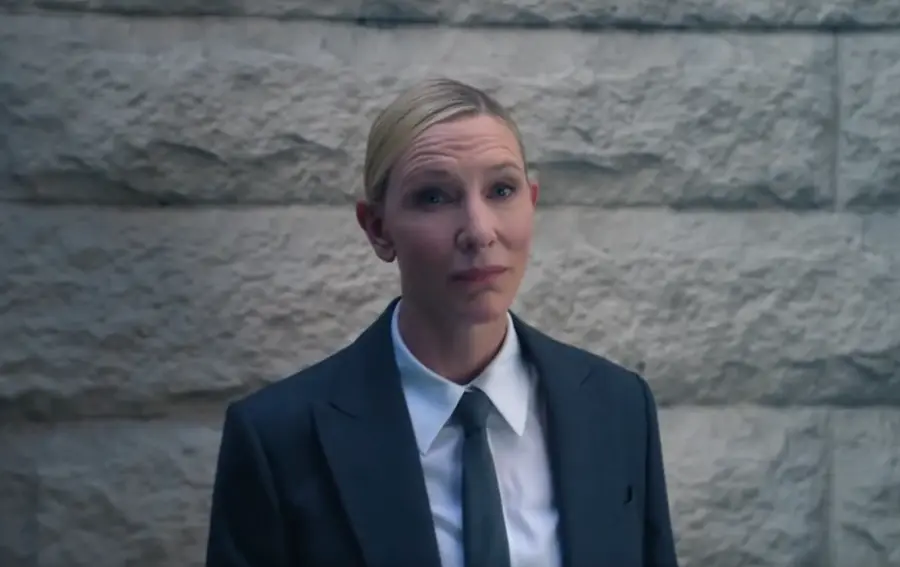
I’m also curious how you watched 〈Squid Game〉 as a viewer. Were there any characters you particularly liked or found intriguing?
What I found most intriguing was that earlier Korean Wave dramas had won great popularity with romantic comedies at their center, while 〈Squid Game〉 broke away from that mold. The melodrama market, including romantic comedies, remains strong, which made it all the more interesting. More than anything, earlier dramas had been popular mainly in Asia, and later in Latin America. 〈Squid Game〉 showed that Korean content could break out of those markets and make inroads in North America and Europe, too. It marked the arrival of a new model. Personally, I liked the Ddakji Man best. (Laughs) He wasn’t a major character, and he wasn’t one of the players, which only made me wonder even more: “Who could he possibly be?” and “What’s his story?” One way to expand IP is through a spinoff, and I thought it could be fun to make the Ddakji Man the star of one. I was really surprised when Cate Blanchett appeared at the end of 〈Squid Game〉 Season 3 as the Hollywood version of the Ddakji Man. It made me think that audiences in North America had found the character intriguing, too.
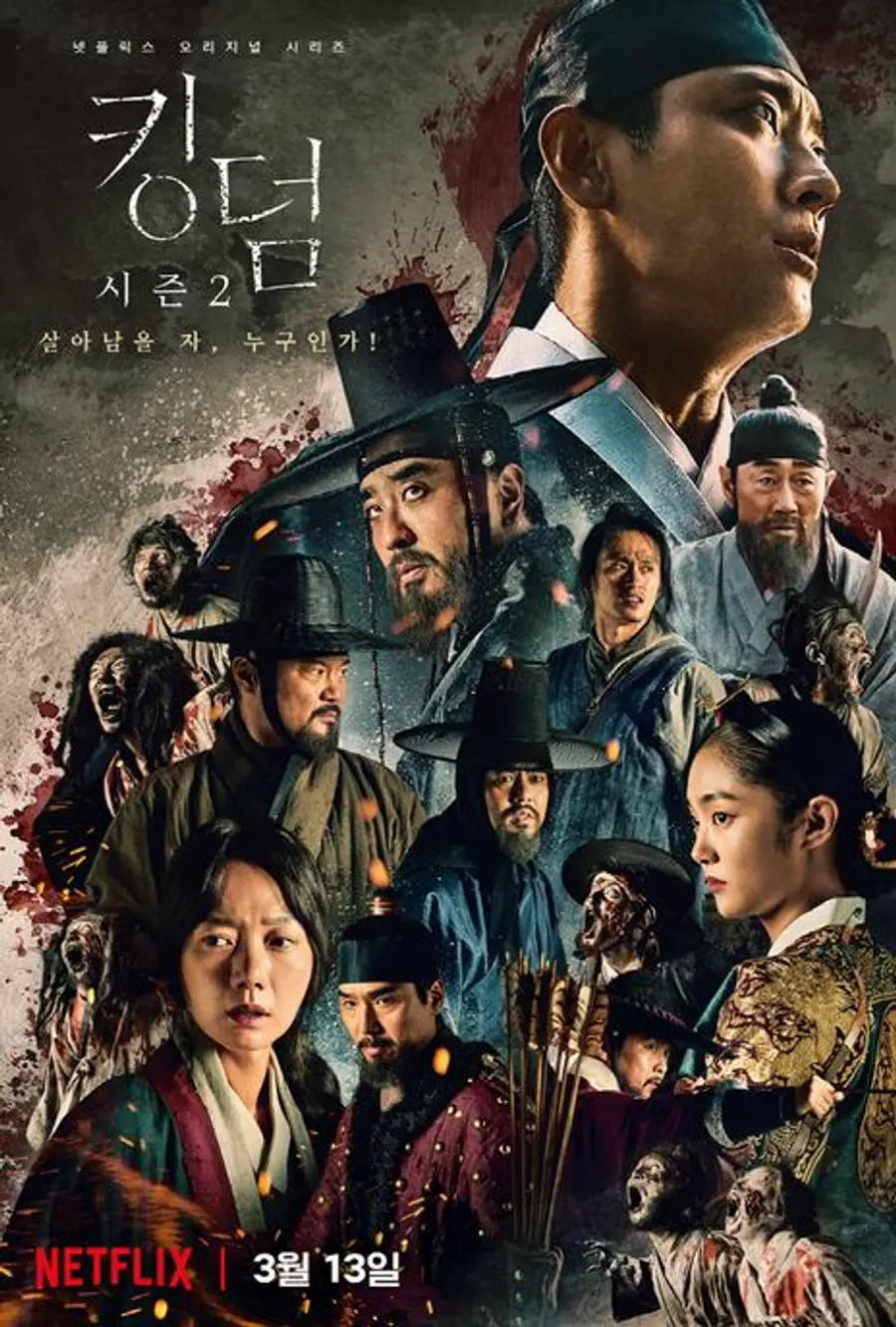
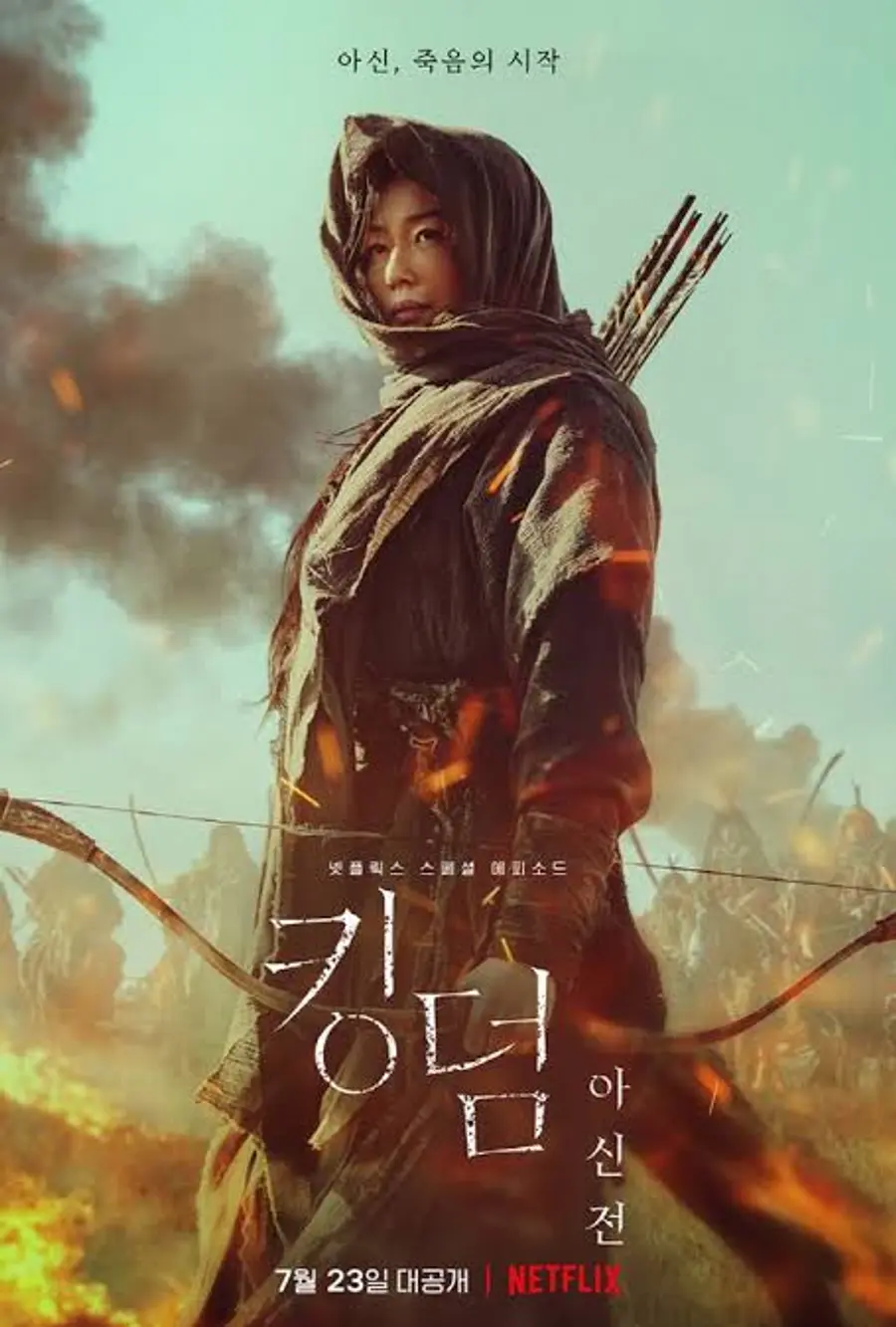
Apart from 〈Squid Game〉, what other titles do you think have had major significance for the industry in terms of the Korean Wave and the expansion of K-content?
Netflix’s 〈Kingdom〉 (2019), without a doubt. At the time, it played a hugely important role in establishing Netflix in Korea, and it was a show that prompted audiences in North America to take another look at K-content. Back then, directors debated whether to work with Netflix. And like 〈Squid Game〉, it was a historical zombie drama, far removed from romantic comedies and melodramas. But after 〈Kingdom〉, it no longer seemed strange for Korean film directors to make OTT series. The historical context at the time also mattered. The COVID-19 pandemic and events like the Writers Guild of America strike created new opportunities for K-content. During that period, outstanding Korean film directors used Netflix’s funding to make a range of works. Looking back, I realize that 〈Kingdom〉 was also when I finally gave in and subscribed to Netflix. (Laughs)
Any other titles you found interesting?
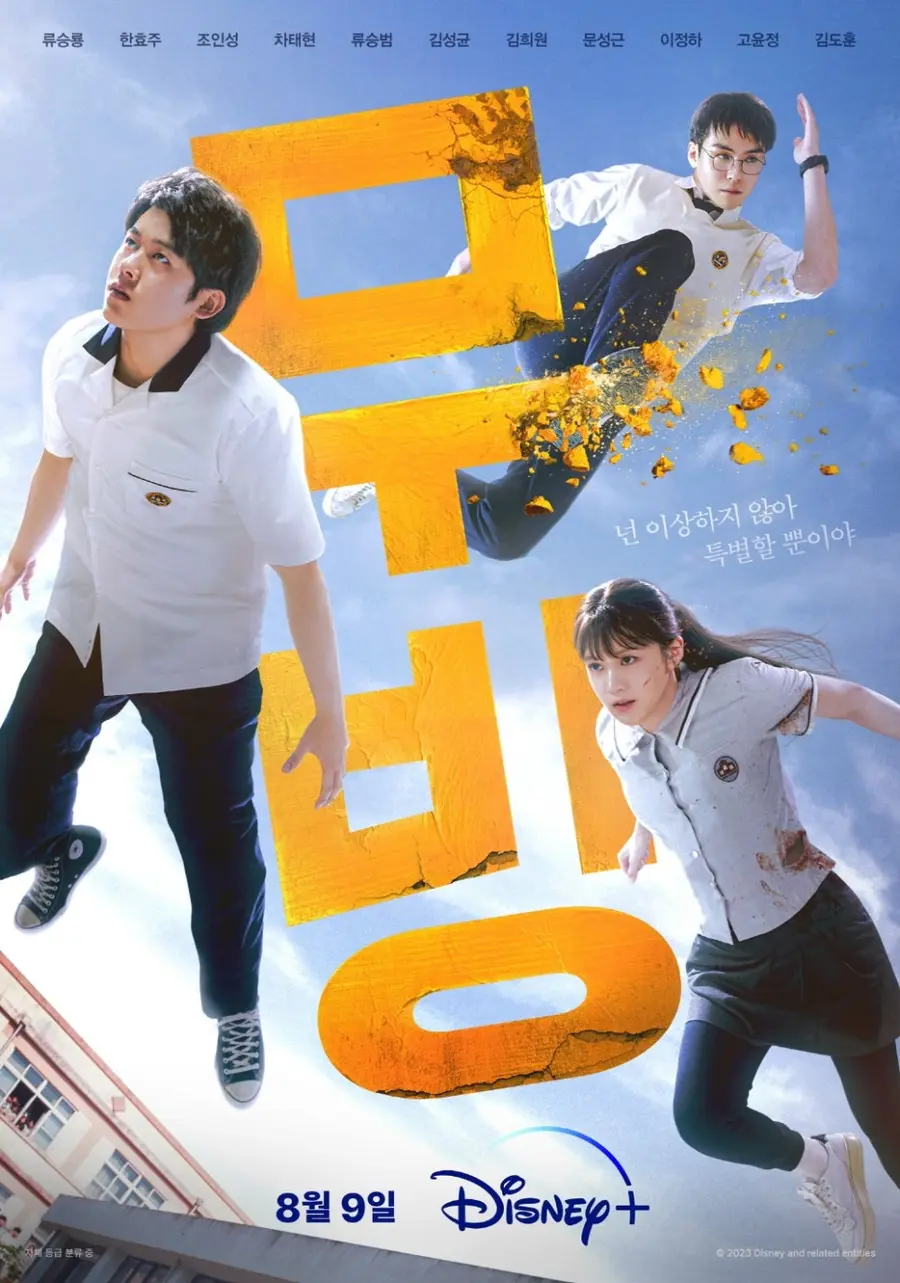
I was drawn to Disney+’s 〈Moving〉. I think it’s a fascinating title, especially from the perspective of exploring how to expand an IP business. It’s important that it introduced what’s being called a “Korean-style superhero story,” and it’s also significant that it expanded from a webtoon into a drama. The series could continue, connect with other genres, or support a range of ancillary businesses. We still don’t have enough examples of a single IP being expanded in multiple directions and achieving major success, so this title has tremendous potential. It was released on Disney+ and later aired on MBC, which also made it an interesting case of a single title being consumed across multiple platforms. If a production company owns part of the IP, it could earn additional revenue by reselling the title to a broadcaster after its OTT release. That seems like a promising approach. It’s important to build a structure that generates multiple revenue streams from a single piece of content.

Aside from specific titles, which creators have you continued to follow with interest?
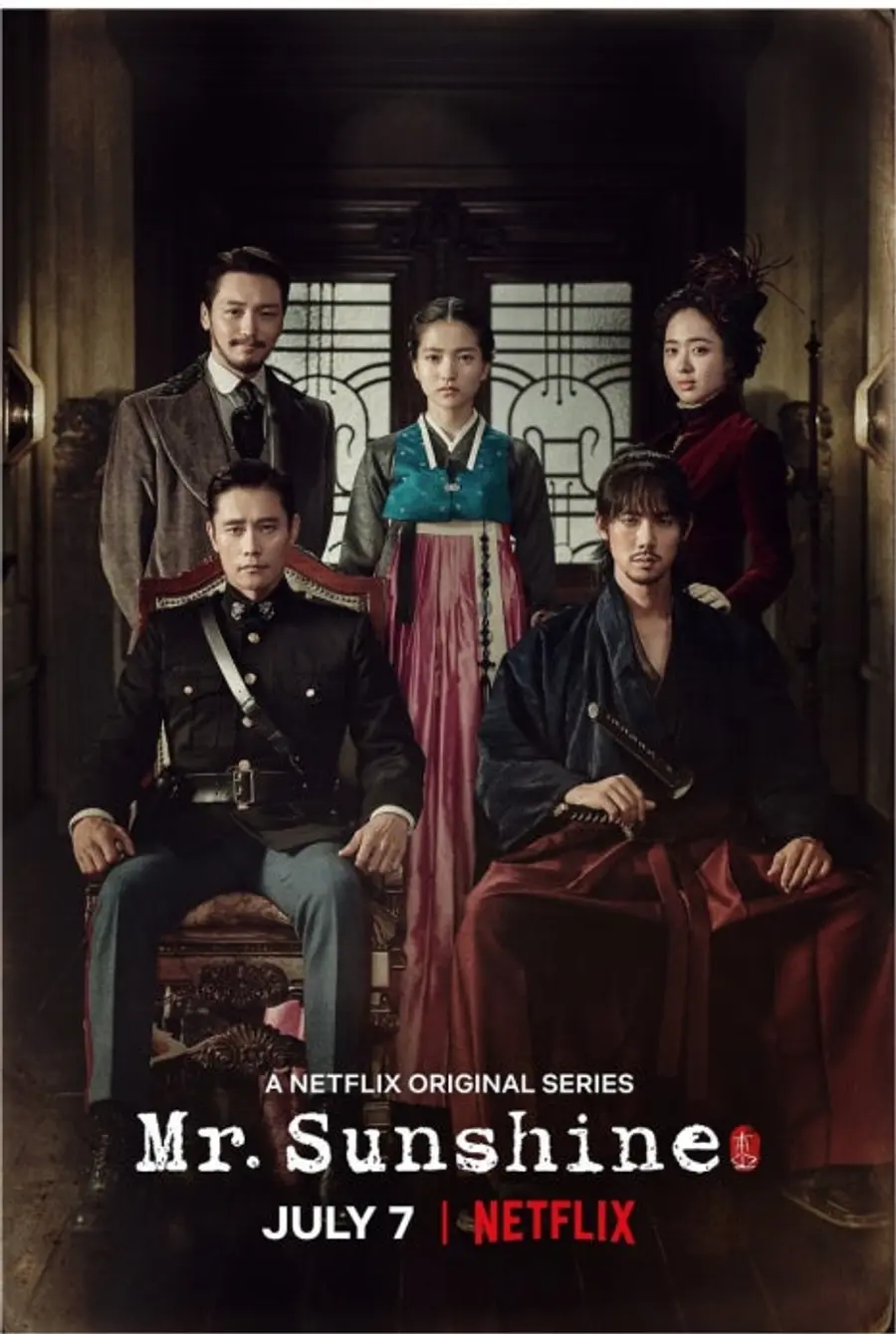
Kim Eun-sook, without a doubt. Interestingly, her work offers a clear picture of how Korea’s drama industry has changed. Dramas like 〈The Heirs〉 (2013) played an important role in expanding the Asian market, while 〈Mr. Sunshine〉 (2018) shows how the nature of productions and their contract arrangements changed as the broadcast environment shifted toward OTT. Netflix paid 28 billion won, equivalent to 70% of Studio Dragon’s production costs, and bought the exclusive distribution rights. These rights allow a title to be distributed exclusively in all territories except certain ones. Netflix distributed 〈Mr. Sunshine〉 as an original title available only on Netflix in every country except Korea. Because it was a high-budget production, it demonstrated a new production model and revenue structure based on collaboration. Kim Eun-sook was already an exceptional storyteller, but she’s also hugely important because she has achieved success by changing her subject matter and genres whenever the industry landscape has shifted. The idea of a “Kim Eun-sook universe” could encompass that aspect of her work as well.
※ The interview with Kim Yun-ji, president of the Korea Creative Content Agency, continues in Part 3.







댓글 (0)
댓글 작성
댓글을 작성하려면 로그인이 필요합니다.
로그인하기