


The saying 'Korean cosmetics are a must-have' is becoming a reality in Japan. K-Beauty is pushing out local brands, which have been the mainstay of Japanese cosmetics, and is recording unprecedented growth.
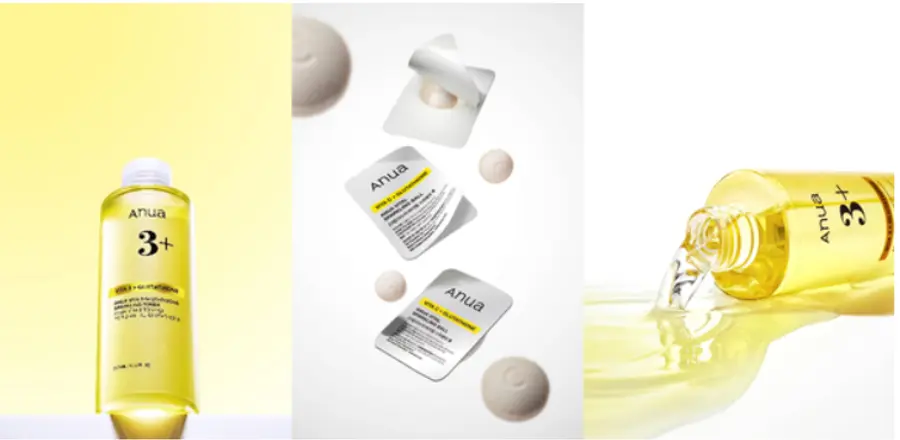
According to industry insiders, Korean brand 'Anua' achieved overwhelming success in the Best New Cosmetic Awards for the first half of 2025 on Japan's largest cosmetic review platform '@cosme'. Anua's 'Azelaic Acid Serum' took first place, followed by 'Azelaic Acid 15 Intense Calming Serum Mask' in second place, and 'Rice 70 Fermentation Moisture Mask Pack' in third place, monopolizing the top three spots.
This starkly contrasts with the first half of last year, when 9 out of the top 10 products were Japanese brands. This year, Korean brands have made their mark in the top three, indicating a shift in the Japanese cosmetics market. Notably, in the lip and cheek category, the Korean brand 'Pyu' took first place, while 'Too Cool For School' won first place in the under-eye shadow category, highlighting the remarkable rise of Korean brands across all categories.
Sales figures also support this trend. The best-selling product across cosmetic stores in Japan for the first half of this year was 'Protage Pencil' by Too Cool For School, with Anua's 'Azelaic Acid Serum' in fifth place and Romand's 'Juicy Lasting Tint' in sixth place, showing that Korean brands dominate the top sales rankings.
The market size is also expanding rapidly. According to data from the Japan Cosmetic Import Association (CIAJ), the import scale of Korean cosmetics to Japan reached 36.04 billion yen (approximately 338.5 billion won) in the first quarter of this year, a 22.9% increase compared to the same period last year. Japan's Credence Research predicts that the Korean cosmetics market in Japan will grow at an average annual rate of 8.28% by 2032, expanding to a size of 177.21 million dollars.
The strategic changes in the local distribution industry are also noteworthy. Japan's cosmetic specialty drugstore 'Ainz Tori' has filled 30% of its new cosmetics with Korean brands since last year, and Korean cosmetics now account for 14% of total sales. In fact, major drugstores in Tokyo have dedicated sections for Korean brands, indicating their high popularity.
The key to K-Beauty's success is its rapid response to trends. Ishikawa, the head of Ain Holdings, stated in an interview with KOTRA that 'Korean companies continuously release new products reflecting the preferences of the younger generation and respond quickly to the demands of the Japanese market,' adding that 'this quick response has significantly contributed to increased sales.'

















댓글 (0)
댓글 작성
댓글을 작성하려면 로그인이 필요합니다.
로그인하기