


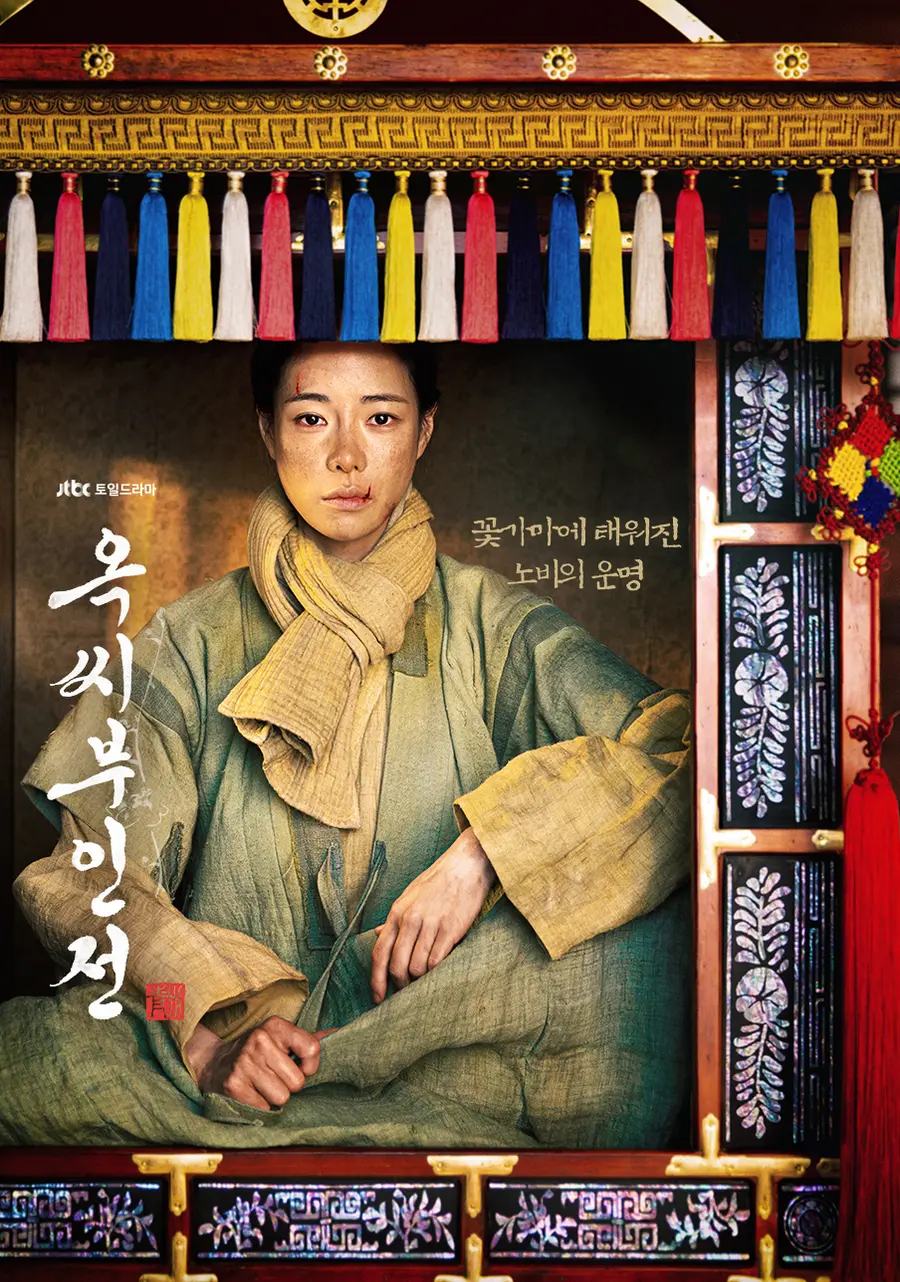
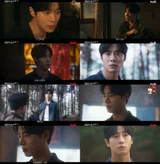
It’s so entertaining yet subversive. 〈The Tale of Lady Ok〉 is subversive yet warm, hopeful yet filled with tension, and despite being a 16-episode series, it has a fast and solid pace. Above all, the achievement of 〈The Tale of Lady Ok〉 lies in breaking the prejudice that 'kind dramas are not entertaining.' The viewership ratings of JTBC's weekend drama 〈The Tale of Lady Ok〉, which aired from November last year to January this year, started at 4.2% for the first episode and recorded 13.6% (Nielsen Korea) for the final episode, showing an upward trend. Gradually gaining word of mouth from viewers, it has managed to capture both artistic value and popularity.
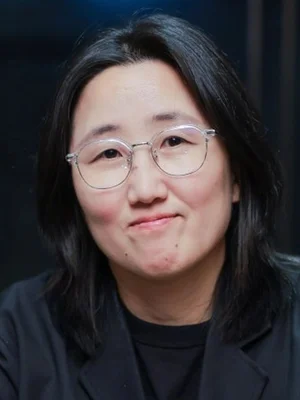
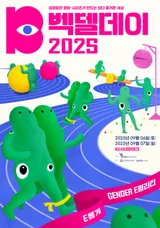
The Bechdel Day event, hosted annually by the Directors Guild of Korea (DGK), is designed to reflect on gender equality representation in Korean film and media, aiming to enhance audience awareness of gender equality through films and series and contribute to cultural diversity. Bechdel Day selects directors, writers, actors, and producers who have contributed to gender equality as 'Bechdelian' each year, and this year, writer Park Ji-sook of 〈The Tale of Lady Ok〉 has been selected as the Bechdelian in the series writer category.
In 〈The Tale of Lady Ok〉, Gu Deok-i is played by Ok Tae-young (Im Ji-yeon), Song Seo-in is played by Cheon Seung-hwi, and Seong Yoon-gyeom (Choo Young-woo) are characters who freely subvert roles and stereotypes. The obvious proposition that 'everyone is equal,' spoken by Ok Tae-young in the drama, resonates with the value of 'gender equality' that Bechdel Day has been advocating, making 〈The Tale of Lady Ok〉 perhaps the series that Bechdel Day has been waiting for. To celebrate writer Park Ji-sook's selection as Bechdelian, Cineplay presents the full text of the written interview conducted with her.
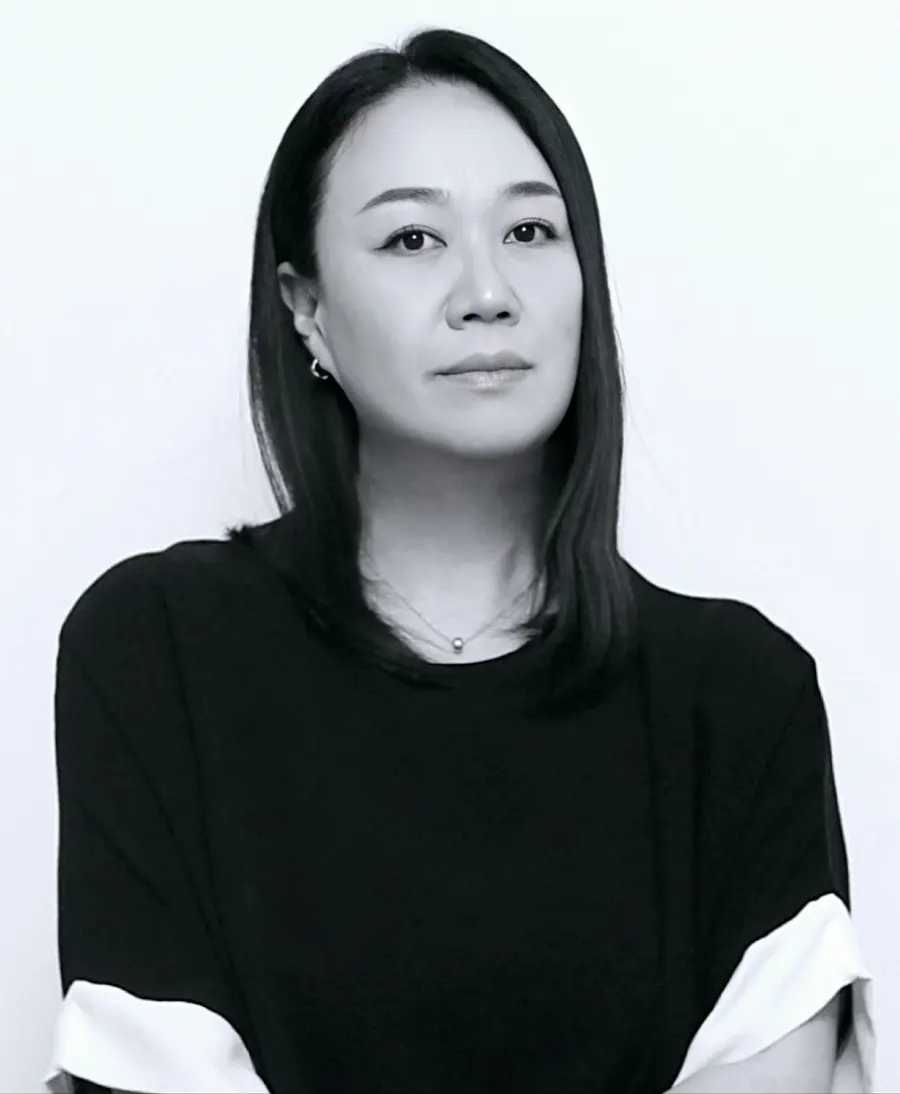
Writer Park Ji-sook has been selected as the Bechdelian of Bechdel Day 2025 for implementing an original narrative and characters of gender equality through 〈The Tale of Lady Ok〉. Please share your thoughts.
Thank you for the Bechdelian selection. I believe it is thanks to the viewers who resonated with 〈The Tale of Lady Ok〉 and the people who worked hard to make this story broadcast. I have always written stories about those who have not been mainstream, those who are marginalized or weak, finding happiness. I just wanted to be a small comfort and courage to someone, and with this selection, I feel that my heart has been somewhat recognized.
In today's world where original scripts are rare, it is very impressive that the drama 〈The Tale of Lady Ok〉 is based on your original script. You have previously written modern dramas, so I am curious about the reason you decided to write a script set in the Joseon Dynasty with 〈The Tale of Lady Ok〉, and how the idea began.
While writing modern dramas, what I always craved was the time and space of narratives that could accumulate emotional depth. The developed living environment of modern times makes the development of relationships simple and light, preventing emotions from lingering sufficiently. Therefore, I had a longing for historical dramas where the convenience of the medium did not exist. In that era, waiting deepened relationships, and the longer the wait, the more affectionate it became, and the more difficult it was to meet, the more desperate the emotions became.
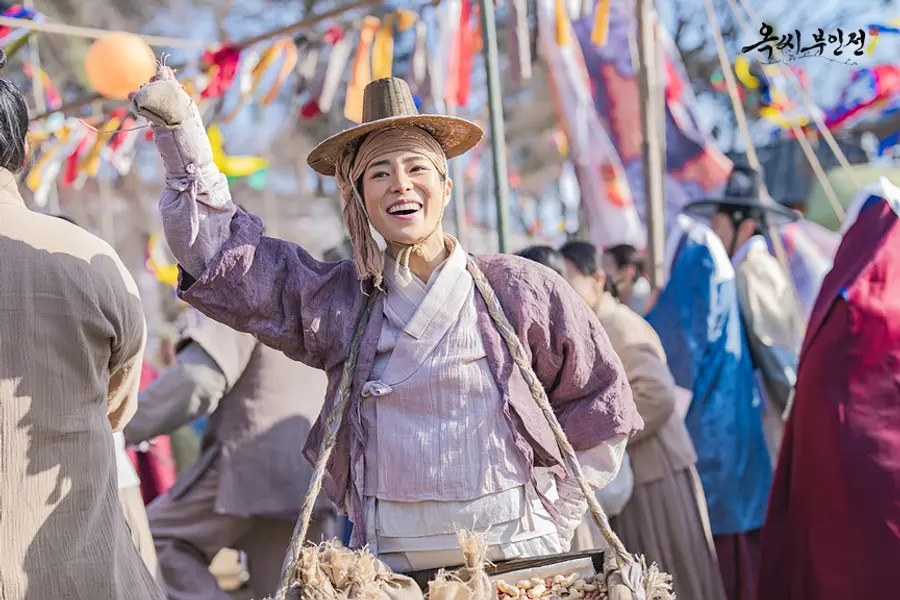
You have mentioned that you wanted to find records of real women, but found it difficult to find dramatic narratives of real women, so you created fictional characters. You also added that “many women who carved out their lives under the patriarchal order of Joseon were simply not recorded.” Why did you want to resurrect the 'unrecorded women' in the language of drama, and how?
When I decided to write a historical drama, I wanted to find people who had not been widely covered rather than those who had been. I started looking for many materials and records, but most of them were centered around the ruling class or bureaucrats who held political power. The stories of those who lived fiercely at the bottom of society were mostly limited to men. This is likely because the record system of Joseon was aligned with the perspective of the ruling class and Confucian values. There must have been women who lived diverse lives, but records about women were very rare, limited to images like virtuous wives and chaste women, which felt very regrettable. In the end, I decided to create fictional characters through imagination rather than chasing real figures.
Gu Deok-i, who becomes Ok Tae-young (Im Ji-yeon), engages in activities similar to a modern 'human rights lawyer.' I am curious about how and why you came up with the setting of a 'female outsider from a slave background.'
The motif of 〈The Tale of Lady Ok〉 was the trial record of Baek Sa Lee Hang-bok's 'Yuyeonjeon.' Based on this, I brought in the role of an outsider, which was a real role of a lawyer in the Joseon Dynasty. If the protagonist is destined to be tried, I wanted to depict her as a character who defends her own sins rather than helplessly standing in court. I thought it would be very paradoxical and dramatically powerful for a female slave, who is in the lowest position and receives no protection from the system, to confront the world with a strong voice using the law and the system, even at the risk of revealing her identity.
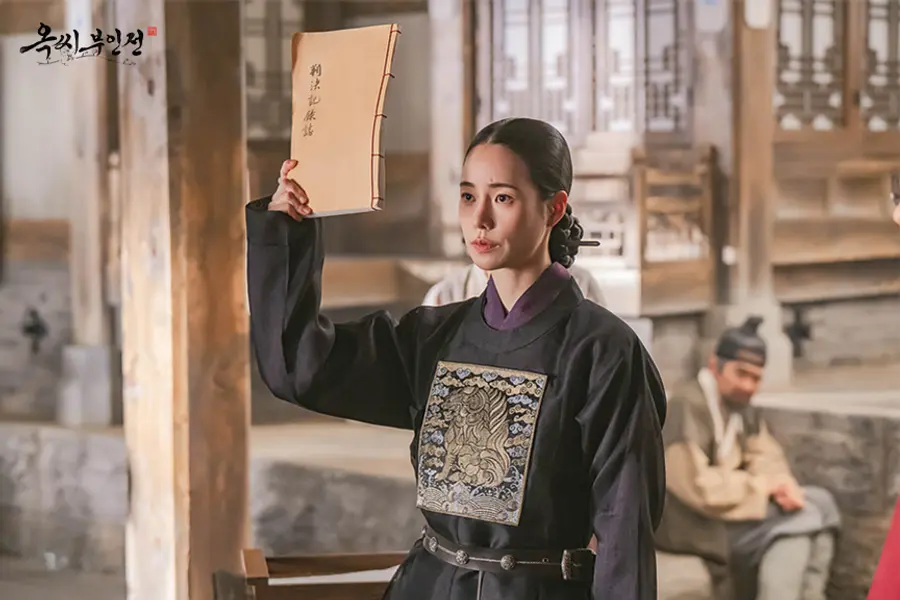
You have summarized 〈The Tale of Lady Ok〉 as 'the story of a sinner Gu Deok-i who is forgiven after great hardships.' Although Gu Deok-i is a 'sinner,' she is a character that evokes sympathy. What considerations did you have to allow viewers to empathize with the sinner Gu Deok-i, and what devices did you devise?
The first concern was that Gu Deok-i's lies should never be selfish. Even when arranging events, I made sure that Gu Deok-i did not intentionally choose lies, and emotions like the desire to become a noble or feelings of revenge or hatred were thoroughly excluded. Instead, I endowed Gu Deok-i with kindness, integrity, altruism, and sacrifice. I made her confront the world with genuine feelings, gratitude, and innate cleverness as her weapons. Ultimately, this sincerity became Gu Deok-i's greatest charm, and I believe that is why she was loved by viewers.
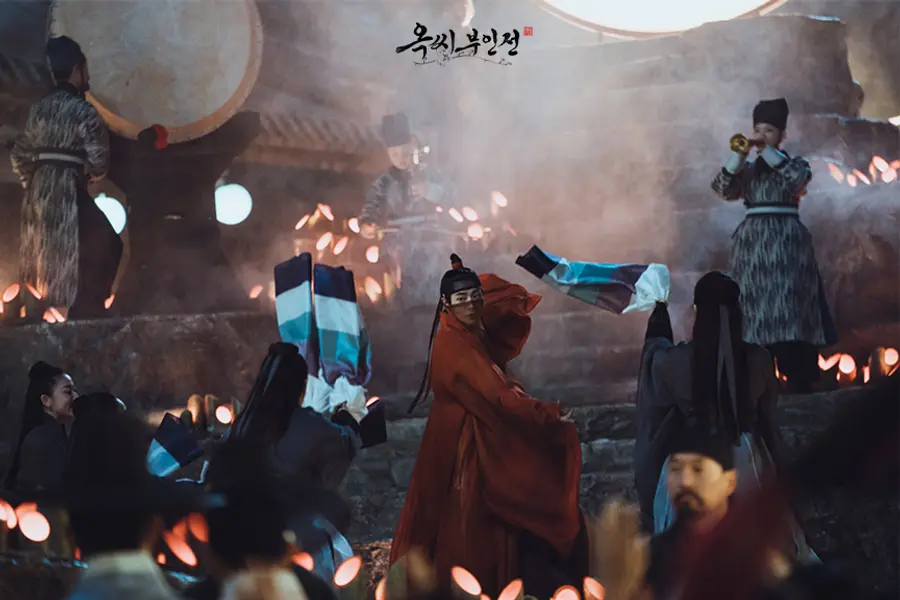
Not only Gu Deok-i, but also Song Seo-in (Choo Young-woo), who is of illegitimate birth, is a character who overcomes her social limitations and carves out her destiny. Song Seo-in is called a 'madman' because she is more interested in novels than studying, and in painting, music, and dance rather than martial arts. I am curious about why you set a character who breaks the stereotype of 'Joseon masculinity' as the male protagonist.
I believe that for female characters in historical dramas to move forward, male characters also need to show different faces that break away from existing orders and archetypes. Since the typical male image has been frequently dealt with in various historical dramas, I wanted to present a character with a slightly different texture. Since Seo-in has to act out the lives of others from the middle of the story, I thought of the setting of a performer, which I believed was the closest profession to an actor at that time.
You have shown a bold choice by including LGBTQ+ themes in a drama set in the Joseon Dynasty. It is impressive that 〈The Tale of Lady Ok〉 has made minorities in the Joseon era visible. As a TV drama rather than an OTT drama, it must have been a difficult choice. I am curious about the reason behind this choice.
This setting was based on actual records, not imagination. In addition to the motif of 'Yuyeonjeon,' if you look at various records from the Joseon era, sexual minorities clearly existed in the past. Therefore, I thought it would be unnatural to exclude them from the category of marginalized individuals that Gu Deok-i would encounter. I did not consciously consider this setting as particularly bold. They were real people who existed, and since they were also part of the era, I wanted to reveal them as they were.
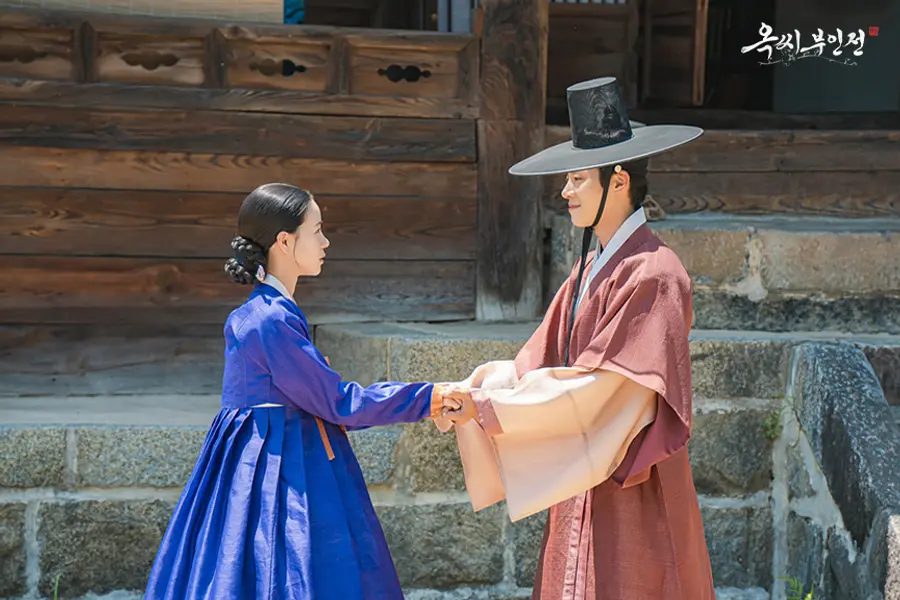
The marriage between Seong Yoon-gyeom (Choo Young-woo) and Gu Deok-i (Im Ji-yeon) in 〈The Tale of Lady Ok〉 can be read as a 'solidarity for survival' of socially marginalized characters, as it is a union of a sexual minority and a woman of slave origin. I am curious about what message you wanted to convey through the marriage of Seong Yoon-gyeom and Ok Tae-young.
The marriage of Seong Yoon-gyeom and Ok Tae-young was not intended to convey any special message. I thought of them as companions who chose the safe device of marriage to realize their strong beliefs and values, even though both were in dangerous situations.
The death of Baek Yi (Yoon Seo-ah), who was sexually assaulted, and the contradictions of the Joseon era, such as widows and virtuous women, appear in the drama. What is the reason for using such themes in the drama?
In actual history, most of those who experienced such events likely disappeared unjustly without any remedy. By showing the process of resolving those unfair incidents through the fictional character Ok Tae-young, I hoped to provide viewers with a small comfort and sense of liberation, while also deepening their trust in the character of Ok Tae-young.
It is impressive that 〈The Tale of Lady Ok〉 features characters who transcend the walls of the Joseon class system without fantasy elements. What were your main concerns when depicting socially marginalized characters such as minorities and slaves within these historical constraints?
Whether they are slaves, illegitimate children, or minorities, I hoped they would not be seen merely as victims, even if they are in a socially weak position. I wanted to depict them as proactive characters with the power to choose and act for themselves.
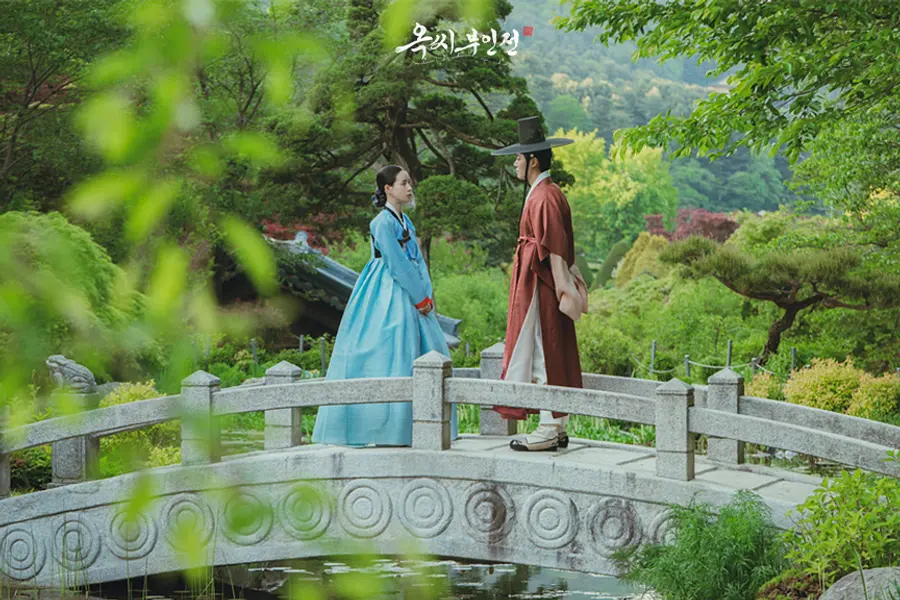
Above all, the greatest achievement of 〈The Tale of Lady Ok〉 lies in its 'entertainment.' While embodying values such as justice, equality, and common sense, the drama never lost its fun and tension until the end. Did you strive to overcome the prejudice that 'kind dramas are not entertaining'?
Writing a kind yet entertaining drama has been my life goal, and I am happy to feel that I have achieved that with 〈The Tale of Lady Ok〉. I believe that people are inherently good and that the world is filled with warm-hearted individuals. Although we live in an era rife with hatred and conflict, I feel the greatest joy in knowing that many people still willingly enjoy and find fun in stories where good people are rewarded.
In addition to 〈The Tale of Lady Ok〉, your works such as 〈Uncle〉 and 〈The Spring Day of My Life〉 show a warm perspective on humanity. It is also characteristic that ordinary, unremarkable characters appear. I am curious if you plan to continue writing warm, human-centered stories in the future, as you have done so far.
I love stories where ordinary people find happiness. I do not know how many more opportunities will be given to me in the future, but as long as I am allowed, I will continue to write diligently.
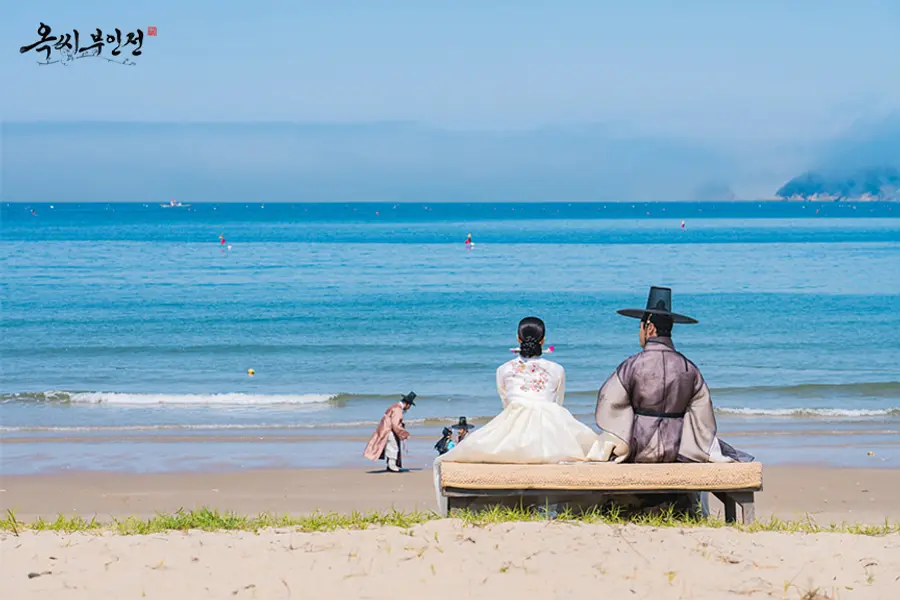
Finally, please share your expectations and support for Bechdel Day 2025, which is approaching in September.
I believe Bechdel Day is a meaningful festival that shows that the value of gender equality allows everyone's stories to be respected. It will be a place that gives courage to creators and allows viewers to vividly feel the voice of change. I sincerely support Bechdel Day, hoping for a warm world where no one is marginalized and everyone's stories are remembered and respected.
 Casting"" loading="lazy" />

댓글 (0)
댓글 작성
댓글을 작성하려면 로그인이 필요합니다.
로그인하기