



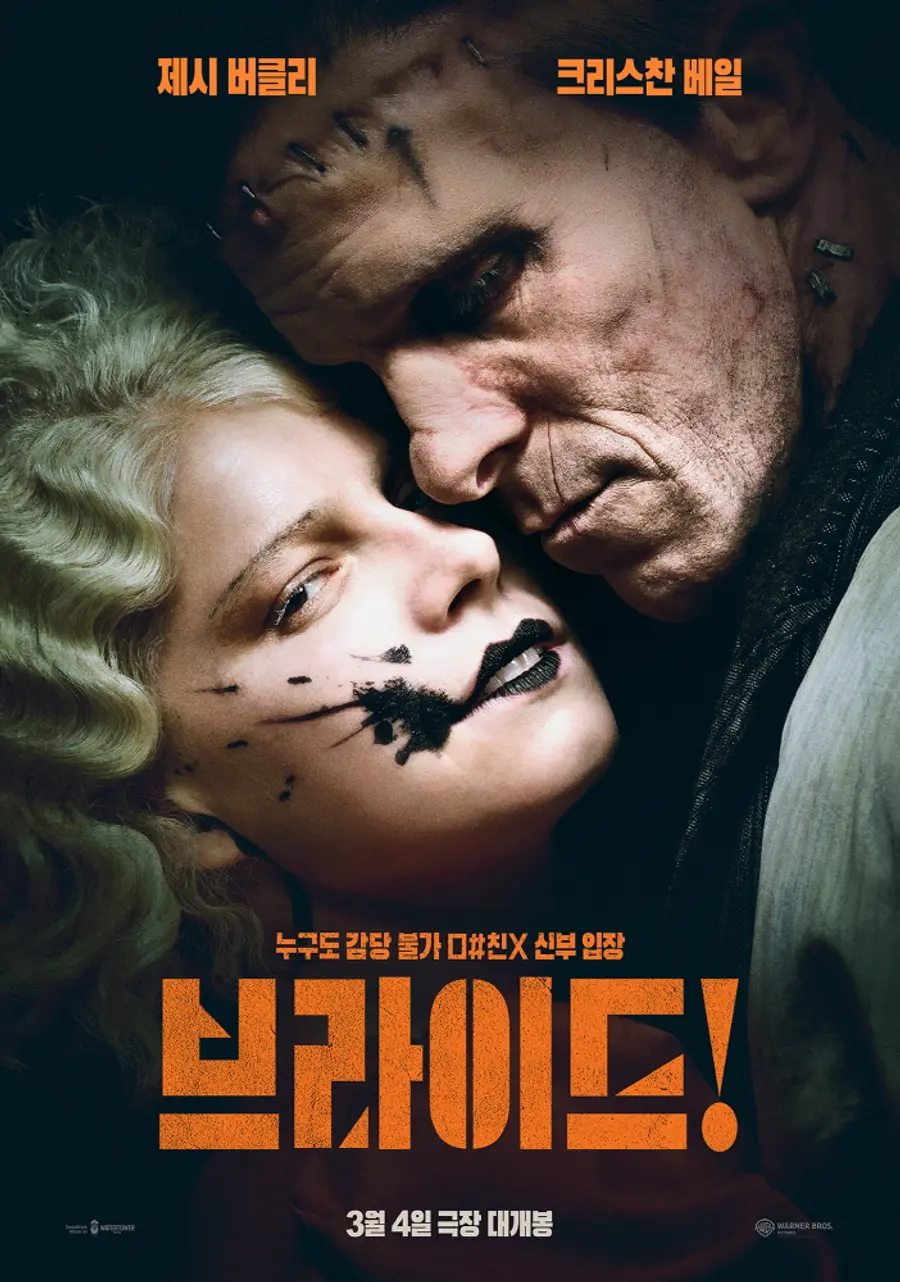
〈Bride!〉 is bold. It borrows from the masterpiece 〈Bride of Frankenstein〉, which is regarded as a classic in the 〈Frankenstein〉 franchise. In an era where remakes and reboots are commonplace, bringing back a masterpiece from over 90 years ago is a courageous choice. However, what’s surprising is that this courage doesn’t stop there. Just as it took the title 〈Bride!〉 from 〈Bride of Frankenstein〉, the film deconstructs the masterpiece with an intensely powerful message and a shocking format, redesigning it on its own terms. Here are my impressions from the preview of 〈Bride!〉, which will be released first in South Korea on March 4th.
A Story of Violence and Alienation Reinterpreted from a Classic Masterpiece
The 1935 film 〈Bride of Frankenstein〉, which 〈Bride!〉 is based on, is not centered around the bride, despite the character's intensity and the famous title. She only appears towards the end of the approximately 60-minute film, and even then, she takes no independent action. However, that idea has inspired countless works, and 〈Bride!〉 brings this bride to the forefront, allowing us to witness the violence present in 1930s America.
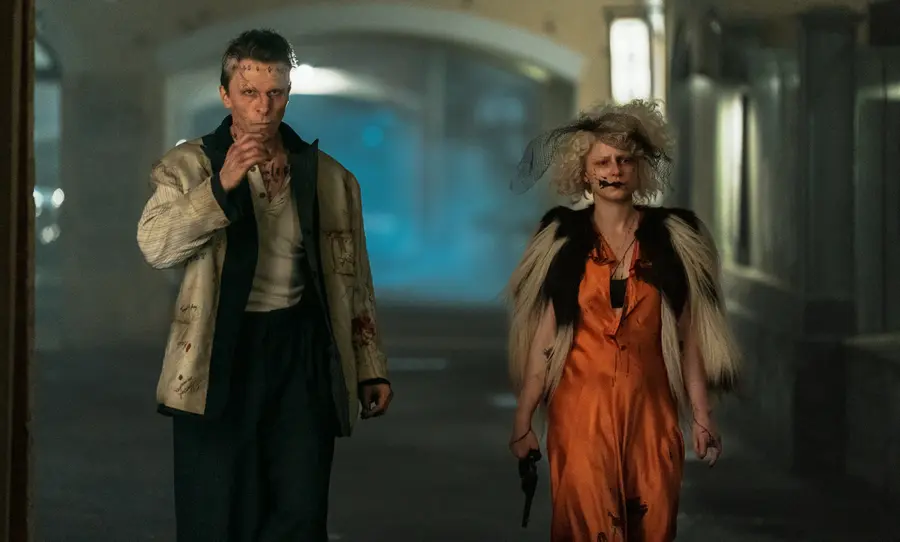
Aida (Jesse Buckley) suffers from sudden hallucinations and dies with implied intent. Frankenstein (Christian Bale), who has lived a lonely life, seeks out scientist Uproonius (Annette Bening) to create a companion to alleviate his pain. Fortunately, or unfortunately, Aida is resurrected by the two and begins a new life as the bride.
Through this process, the film sheds new light on 1930s America from a perspective not seen in the existing 〈Frankenstein〉 series. Like the era of detectives and mafia, the society of that time, often romantically depicted, was particularly harsh on women. Although it is a work that has gone down in history as one that captures 'the human striving to become God and his creation,' it had to be published anonymously due to the societal norms of the time that deemed women could not be authors, thus bringing Mary Shelley into the film as a character to highlight the unfair and violent world.
In this regard, it is even more interesting when compared to the 2025 Netflix original 〈Frankenstein〉 (directed by Guillermo del Toro). While the original creator-creature, human-monster dynamic is depicted as closely as possible in 〈Frankenstein〉, 〈Bride!〉 subverts the famous original film and portrays the two characters as a kind of rock star and lone wolf resisting a violent society, building an independent story and message.
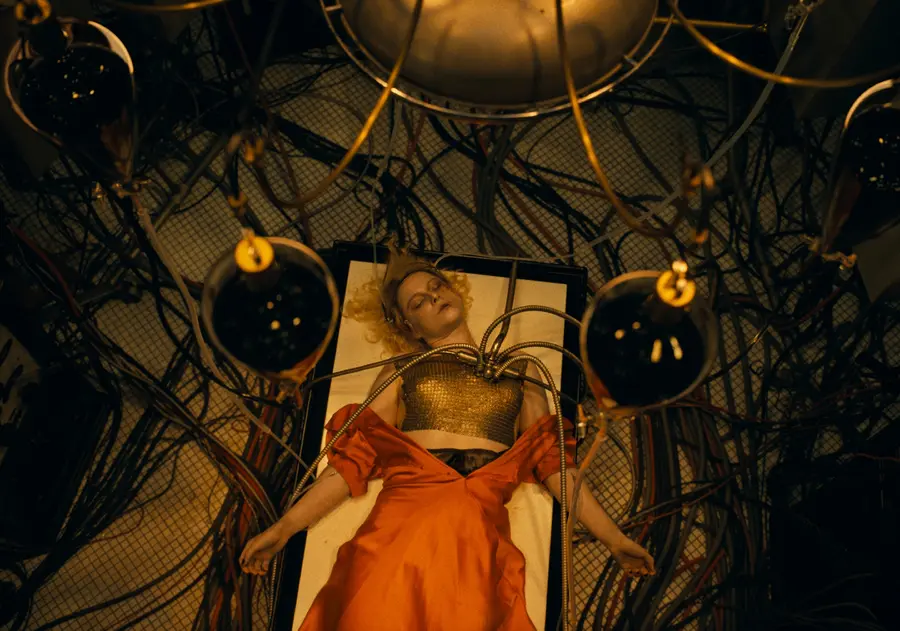
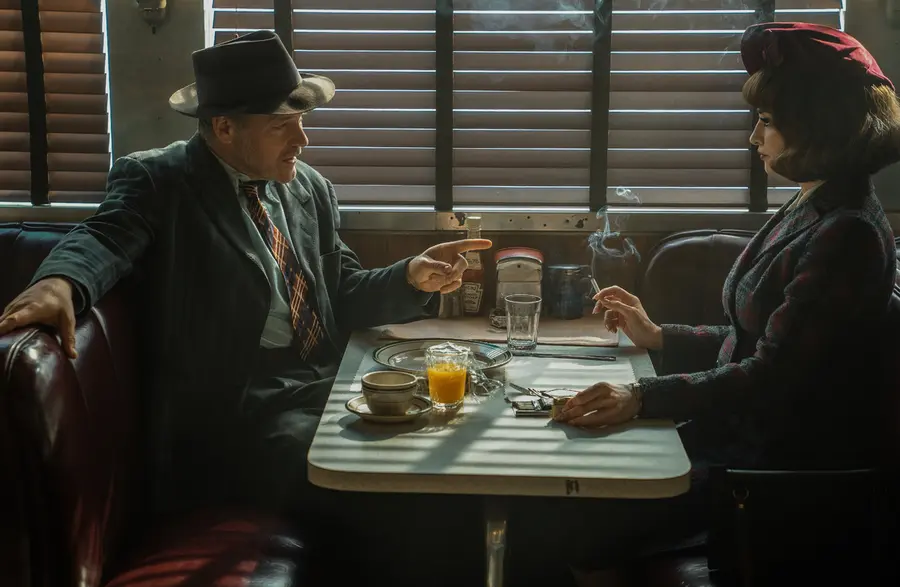
The intense message of 〈Bride!〉 is worth contemplating on its own, but it radiates an even more original aura when connected to the film's challenging format. The film depicts the bride as a fragmented being, leading to her being naturally recognized as a symbol of women who have been oppressed and unfree for over a century (from Mary Shelley to the present). Detective Wiles (Peter Sarsgaard) and Maloy (Penélope Cruz), who support another axis of the narrative alongside Frankenstein and the bride, also capture the social landscape while tracking the case, deepening the message. In this way, the film captures both the characters' journeys and the themes it aims to convey, balancing entertainment and message. Maggie Gyllenhaal's thoughtful and sharp perspective, which has continued since 〈The Lost Daughter〉, feels like a step forward.
Balancing Shock, Message, and Entertainment
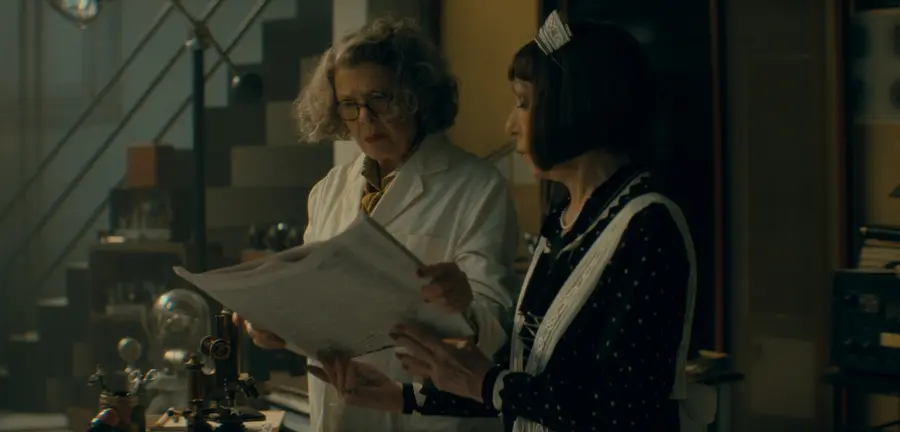
Of course, the film should not be mere propaganda. No matter how good the message is, if it stands out too much, it can be off-putting. 〈Bride!〉 does not lose sight of the fundamental emotion of loneliness that characterizes the 〈Frankenstein〉 series. The process of the bride and Frankenstein exchanging emotions precedes the message, allowing the audience to empathize with them and naturally integrate into the story. Additionally, one of the themes chosen by this film is classic Hollywood musical films. Frankenstein has endured a lonely life through the film of star Loni (Jake Gyllenhaal). Based on this setting, it not only offers various spectacles but also faithfully fulfills the role of subverting the existing American image by borrowing the format from the stage. The audience experiences a strange sensation of being both spectators and witnesses, as well as participants.
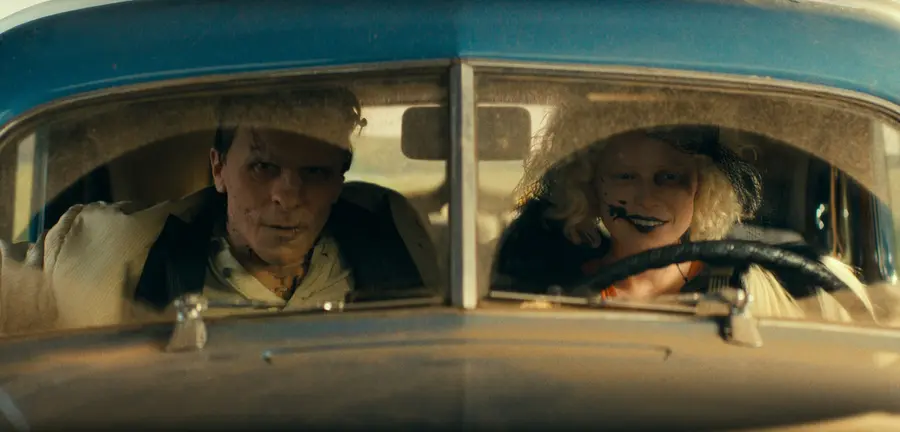
And as everyone expects, the ultimate spectacle is the actors' performances. Christian Bale, who plays Frankenstein, conveys the loneliness of this being even through his eyes, despite being hidden by makeup. The chemistry between Peter Sarsgaard and Penélope Cruz, who track the two protagonists and enliven the film's atmosphere, is also remarkable. Of course, the crowning glory is Jesse Buckley. Her explosive performance in 〈Hamnet〉 has recently garnered attention, and I can confidently say that her performance in this film is also not to be missed. The portrayal of Aida before her death, the bride after her death, and the fragmented appearance shown in the film all reveal that there is still a vast unknown territory for the actress Jesse Buckley to explore.
In fact, the film that came to mind while watching 〈Bride!〉 was 〈Joker: Folie à Deux〉. The shocking message, the mental resonance of two alienated characters, and the satire borrowed from the musical genre. However, 〈Joker: Folie à Deux〉 did not resonate with the public. 〈Bride!〉 has succeeded in more cleanly and broadly integrating shocking attempts into the work. I am curious whether this 〈Bride!〉 will achieve different results with its mix of madness and musical elements. It will be available in theaters on March 4th.




![[First Reactions] 'The Bride!' Cineplay Reporter Star Rating](https://cdn.www.cineplay.co.kr/w160/q75/article-images/2026-03-03/a4059dfe-c108-486b-be19-ecd57b3db162.jpg)
댓글 (0)
댓글 작성
댓글을 작성하려면 로그인이 필요합니다.
로그인하기