


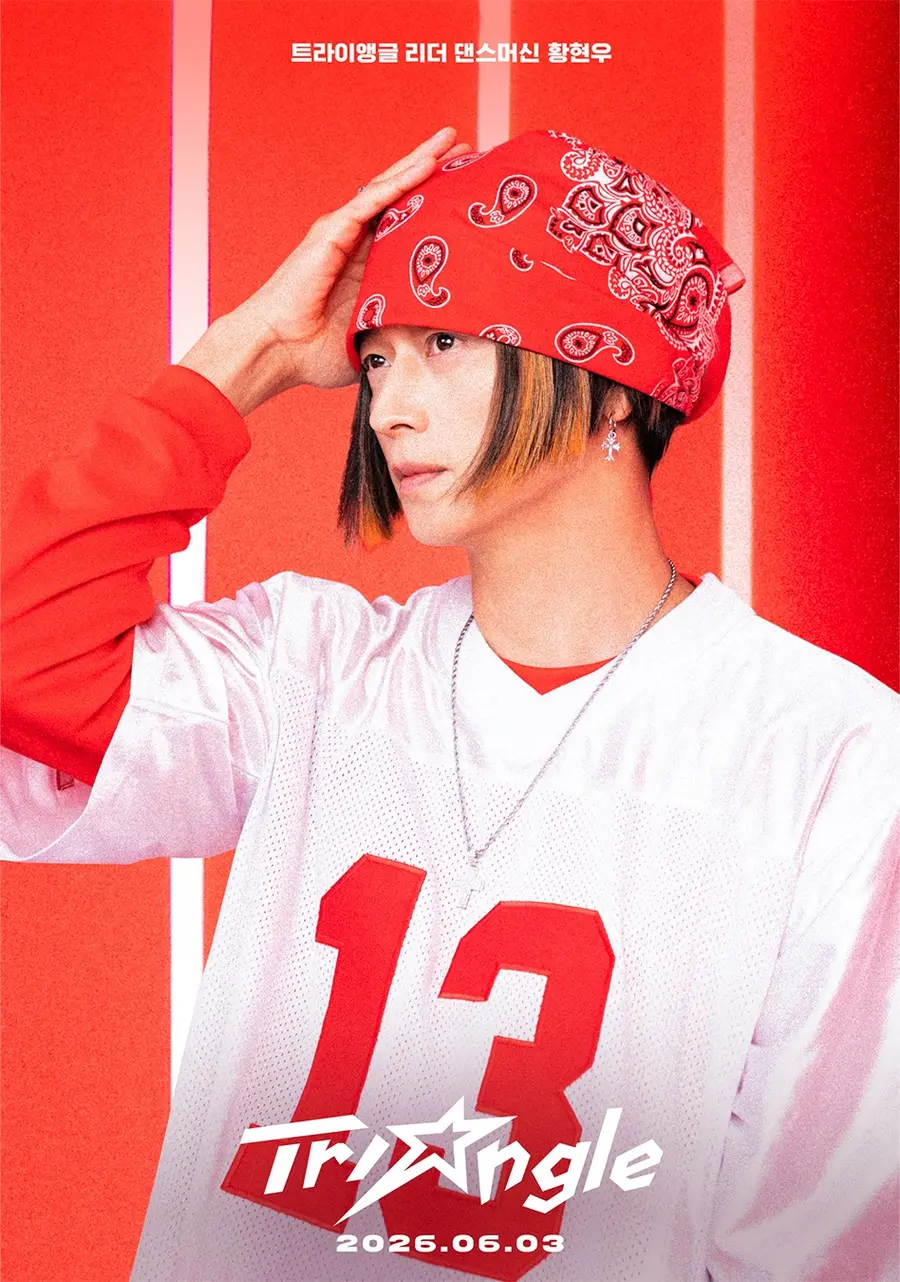
Kang Dong-won let himself go without reservation. He said he wasn’t working extra hard just this time. He explained that he’s always approached each project with the mindset that you can’t afford to strike out; if you strike once, you must make it to base the next time — and that attitude has guided his work.
In truth, Kang Dong-won is an actor who studies every time. People may see him as an actor who’s especially good at action or naturally charming, but during 〈Kundo: Age of the Rampant〉 he swung a sword a thousand times a day, and for 〈Wild Sing〉 he learned the history of hip-hop, starting with its walk and rebuilding the character’s entire framework.
Opening on June 3, 〈Wild Sing〉 is a comedy about a mixed-gender trio dance group called 'Triangle' that once dominated the pop charts but suddenly disbanded after an unexpected incident. Twenty years later, they take on a reckless challenge to seize a chance at a comeback. Actor Kang Dong-won gives a spirited performance as Hyun-woo, the leader and dance machine of 'Triangle.'
Like 〈Wild Sing〉's Hwang Hyun-woo, Kang Dong-won says he long believed that someday he would be completely forgotten. That belief became fuel for his acting, leading him to make choices in each project that pleasantly betray audience expectations. From the pretty-boy in 〈Temptation of Wolves〉 (2004) to the chaotic Taoist in 〈Jeon Woo-chi〉 (2009), from the cool exorcist priest in 〈The Priests〉 (2015) to the sly con man in 〈A Violent Prosecutor〉 (2016), he once again surprises viewers in this film with headspin skills rivaling professional dancers and the swagger of a born hip-hop idol.
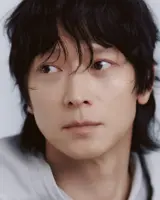
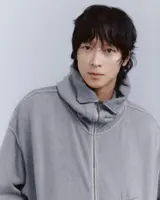
On the afternoon of the 19th, 〈Wild Sing〉 lead actor Kang Dong-won met with Cineplay at a location in Jongno-gu, Seoul, and talked about how he prepared for the film and his mindset as an actor. Below is the full conversation.
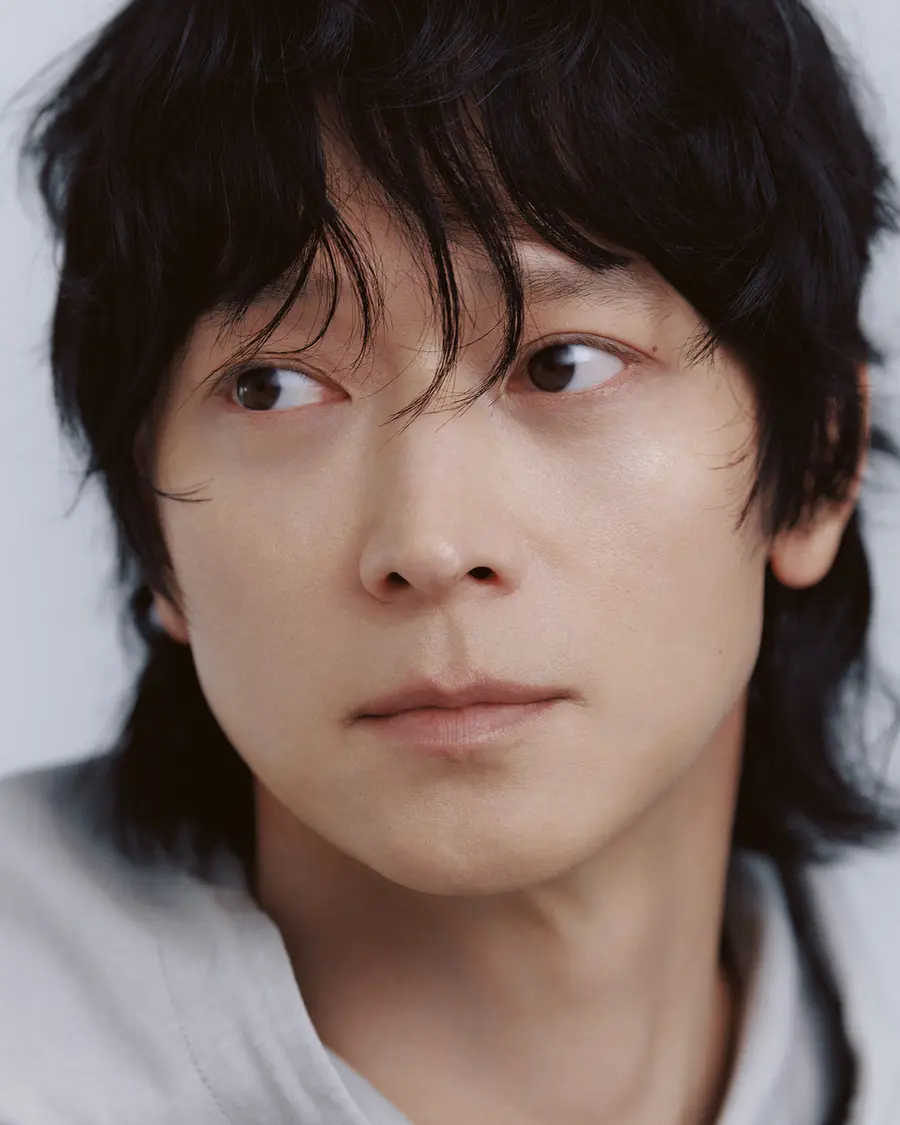
The response after the 〈Wild Sing〉 screening has been intense. How did people around you react to your radical transformation?
A close older friend texted me, "What the heck, are you out of money these days?" I took that as a compliment because it seemed to mean a lot. I expected reactions like this. When I pick films, there are a few where I think, 'People will be surprised.' It was like that with 〈A Violent Prosecutor〉 and 〈Haunters〉 too, and I thought this one would be especially shocking. From the moment I first read the script, I pictured how I would play it, and I thought, 'This will really shock people.' It’s like a pleasant betrayal.
Watching the finished 〈Wild Sing〉, how did you feel about yourself, especially seeing yourself dance?
Seeing myself dance, I felt very satisfied. Especially in the final performance I thought, "Wow, you really are good." I really worked hard. Even after filming wrapped, I kept practicing and went out at night to practice.
Do you think Hyun-woo in his 40s came across more seasoned on stage than his 20s version? Did you feel your stage skills improving gradually during shooting?
Yes. We shot the 40s stage last, so those scenes are the most polished. As we kept filming stage scenes, the experience added up and by the end I had real stage chops. I started to refine the dance lines and not miss the details. At first I was so focused on not missing choreography that I was all over the place, but once the choreography became second nature I paid more attention to line and shape. Balancing singing, dancing, drawing audience response, and hitting the camera was hectic, but as I got used to it, the final stage had really nice dance lines. (Laughs) But the last performance shows a lot more than just dance, so I thought it would be good to pull the dance out separately and show it later.
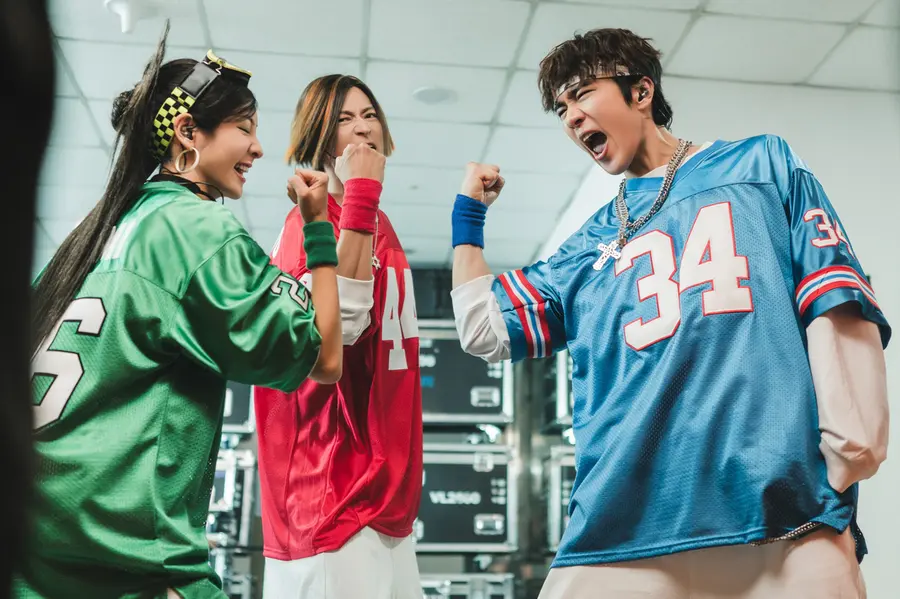
Kang Dong-won is known for action. Was dancing similar to action for you?
It felt like starting a completely new base of movement. Kicks have a taekwondo base, but hip-hop is different even from dance, so keeping time with the beat felt very unfamiliar to me. At first I learned the moves, but then I realized that wouldn’t be enough, so I started with the walk. For about 30 minutes we'd play music and my friend who taught me and I would just keep walking. We loosened up with the music by doing "up up down down." Then we'd do an hour of standing step practice, and when I was sweating we'd go into technique drills. After choreography practice I’d go back to solo technique practice, and I kept that routine for about four hours every day.
Many people reacted like, “If Kang Dong-won works that hard, what excuse do I have?”
This film really shows the effort plainly. But I just did what I always do. I always prepare a character for at least three months before shooting, and with this film the effort is very visible. I used to practice swordplay for eight months for other films. For 〈Kundo: Age of the Rampant〉 I practiced different ways of wielding the sword, doing a thousand swings a day to portray it. This time was the same. We started with 'up down,' from the walk. The scene where I go to Sang-gu (Uhm Tae-goo) and shout "Ssang-gu!" didn’t work at first, but after about 30 minutes of wandering and walking I got comfortable.
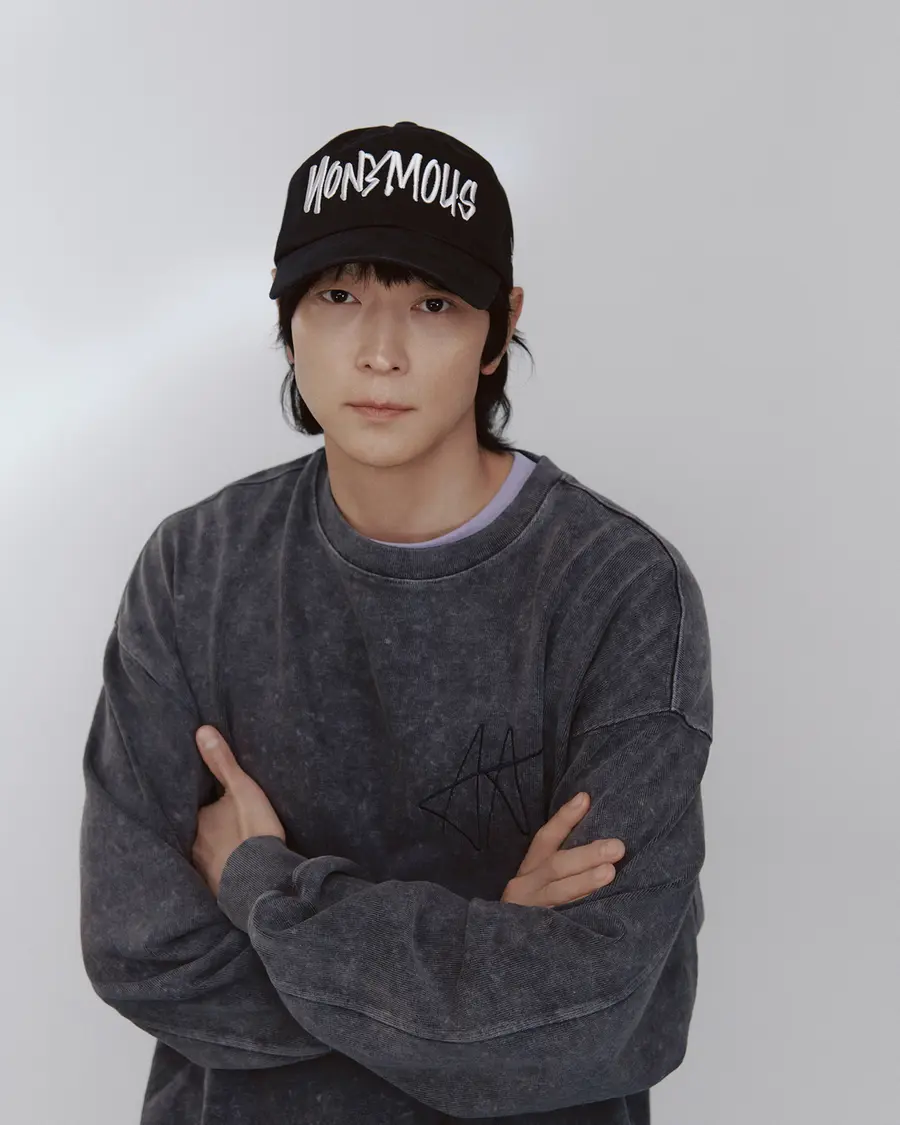
Learning the culture of hip-hop and its unique 'swag' likely involved something different from technical practice. How was that process?
I didn’t know the culture at all. You have to adopt gestures that carry swag, but people who don’t listen to hip-hop might think, "What is this?" It took a long time to adjust. Because it wasn’t easy, I ended up buying and wearing hip-hop style clothes all the time. I’m not a big fan of method acting, but I felt I wouldn’t understand hip-hop culture without wearing those clothes. I didn’t get why people walked like that or swayed, but when you listen to hip-hop beats it makes sense.
Weren’t you originally a fan of hip-hop music?
I knew nothing. Back in the day I only listened to hardcore like Limp Bizkit and didn’t even realize 'Tupac' was a person’s name. I learned for the first time about West Coast and East Coast rivalries. (American hip-hop is classified into the West Coast centered on California and the East Coast centered on New York) Realizing that helped me understand why those songs came about. Because I was so ignorant, I started studying hip-hop history from the beginning and watched hip-hop documentaries. That helped me understand the character Hyun-woo and Korean hip-hop singers from back in the day.
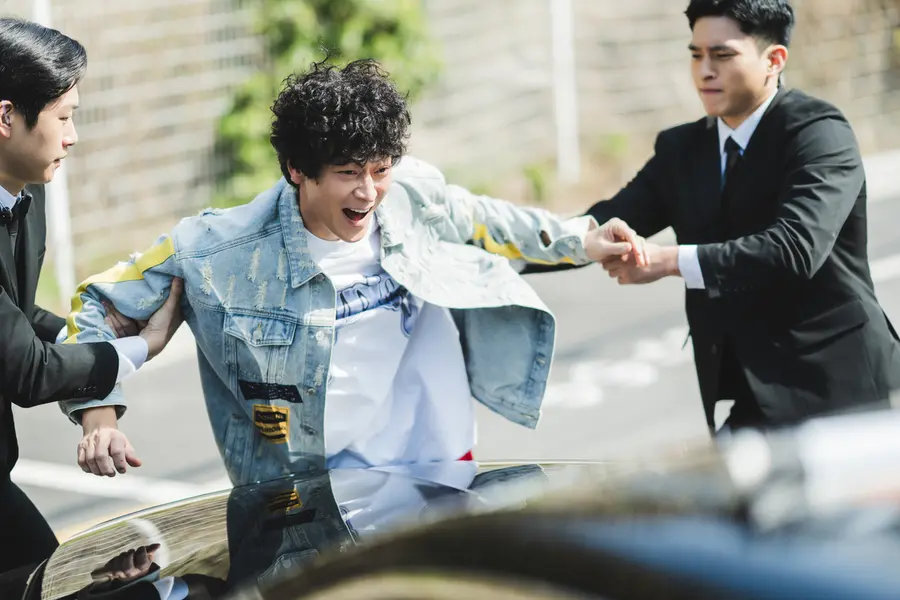
After filming, do you listen to hip-hop more now?
My musical taste hasn’t changed overall, but hip-hop that used to not register now comes through. Since I practiced with that music on repeat, I’ve come to think, "This is actually pretty good." I’ve grown to like it.
Tell us about the process of joining 〈Wild Sing〉. The story is so unique that you must have considered it carefully when you first received the script.
I didn’t hesitate. Actually, this script didn’t come to me for the first time — it was the second time. Originally it was a series script, and back then I thought the timing wasn’t right. But when I got it this time, I thought it fit perfectly and agreed to do it right away.
Why did you think now was the right time?
I felt it was the trend now. When I read it before I thought it was a little early, but this time I felt it was something that needed to be made now. It was time to pull that emotion out. Also, we’ve never properly told the story of dance singers and idols before. I felt now was the moment to do it.
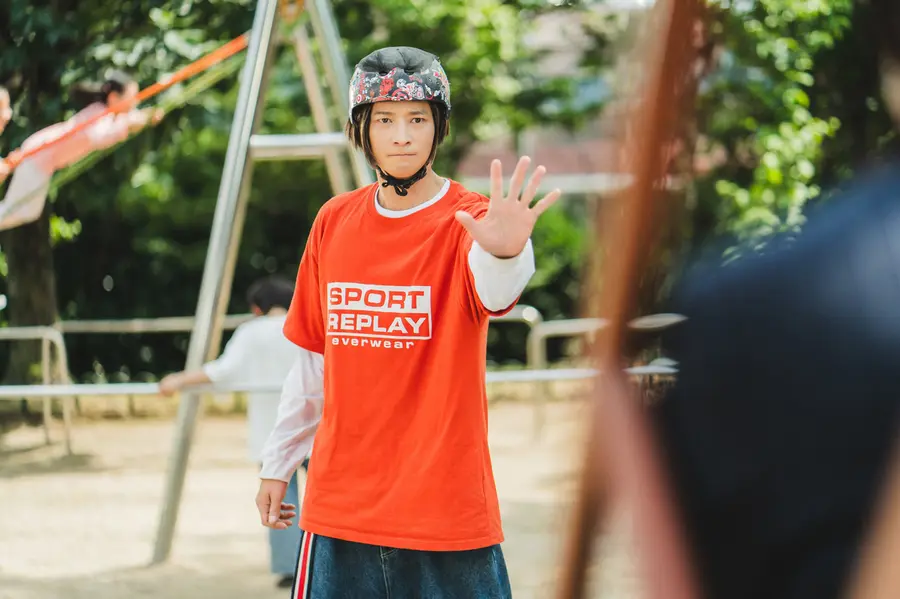
While paying homage to the flashy pop songs of the ’90s and 2000s in 〈Wild Sing〉, you must have recalled many personal memories. Could you tell us about that?
Of course. The ’90s were when I was a student watching first-generation idol seniors on TV. I wanted to pay homage to that style and music. It was a time when popular culture was really flashy, so even though it’s a comedy I wanted to show it properly rather than just make it a joke. As a kid I remember watching those end-of-century style stages and thinking, "Wow, that’s so cool." Looking back it might seem over the top, but I didn’t want to portray it purely comically. I never once thought about becoming a dance singer, but I wanted to recreate what I saw as a kid. Not purely silly — I wanted those performers to look at it and say, 'Yeah, we did that.' It was cool back then. In high school I had free hairstyle rules, so like Hyun-woo I grew my hair out. I used to wear 'Sport Replay.' So when Hyun-woo appears in the film he’s wearing 'Sport Replay.'
Consuming that era as retro versus expressing it as someone who actually experienced it must feel different. You are from the generation that saw it firsthand.
Actually, if we set the film’s 'present' as now, then 20 years ago would be the mid-2000s. That was already after I broke out with 〈Temptation of Wolves〉, and music from groups like TVXQ was popular. Fashion and vibe aren’t that different from today, so you can’t clearly separate past and present. That’s why the music and fashion in 〈Wild Sing〉 lean toward the late ’90s, but we decided not to specify an exact era. That’s the concept. We discussed it a lot at the beginning and agreed that to evoke nostalgia cinematically we couldn’t give up the ’90s; it’s not a period drama and it’s a comedy, so this level of stylization is okay. It’s not the main point of the film.
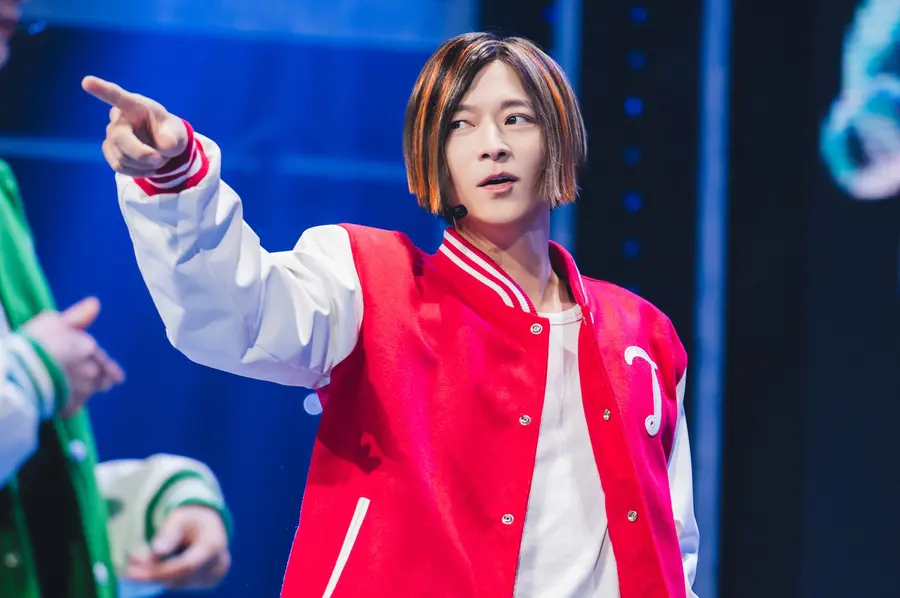
In the film, 'Triangle's' heyday has a clear mood difference between the first and second albums. What distinctions did you try to make in your acting?
The first album had to be really good, while the second had some comic points. For the first album the goal was to be 'so good it’s funny.' I wanted to honor the dancers who became singers at that time and not embarrass them. I wanted those dancers-turned-singers back then to watch and think, "Yeah, I did that." I didn’t want anyone saying, "I didn’t do that." I hoped audiences would be a bit bewildered, thinking, "Why are they so good? It’s funny because they’re so good."
The styling for the second album era was downright shocking. Did you contribute ideas when portraying the past Hyun-woo?
The second album was meant to shock. (Laughs) We went for an end-of-century vibe. If the first album was truly stylish, the second was meant to be fun and a bit over the top. In the old interview scenes I added the speech patterns of the time and mixed in a Seoul dialect here and there.
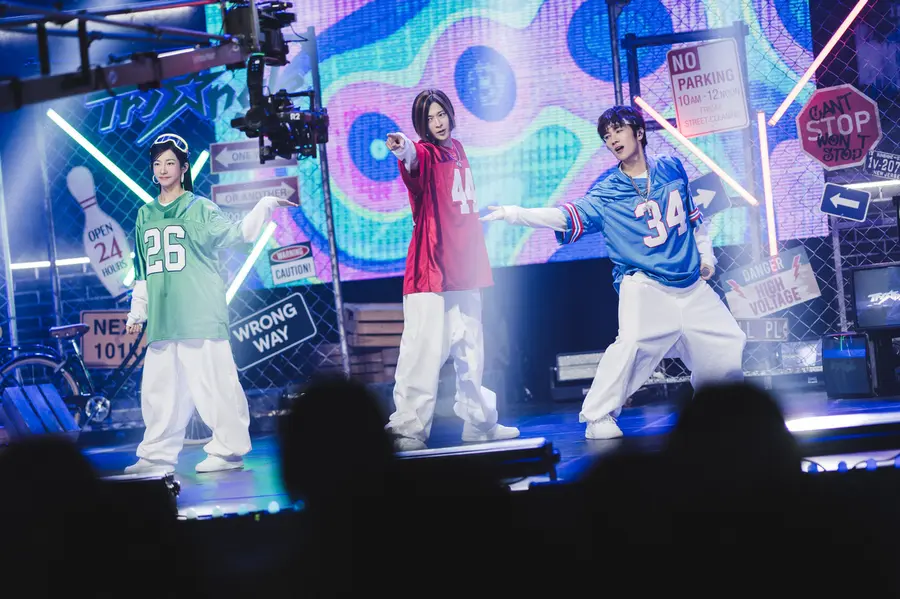
How do you think the film will resonate with generations who didn’t experience that era firsthand?
It will vary by generation, but teens and people in their twenties today often listen to old music and reinterpret it in their own way. If you ask, "Do you know H.O.T.?" they’ll say, "Of course, we listen to them a lot." I thought that music belonged to our generation, but it turns out it’s not just consumed by us. So it should be good for all generations, and global audiences are starting to listen to old Korean songs too, so I hope they enjoy it even more.
After the release of the 'Love is' music video, 'Triangle' fandom called 'Red-Green-Blue Brigade' formed. Do you feel younger fans are being drawn in?
I’m not sure yet, but we had a 'Reconnect' event yesterday and saw fans who we didn’t see before. I wondered if they came in through the music video. I’m not great at remembering names, but I remember faces well. There was a woman who looked to be in her late twenties to early thirties, and seeing her cheer so passionately made me think, "This person is truly a fan of Triangle's Hwang Hyun-woo."

![[First Reactions] 'Wild Thing' Cineplay Reporter Star Rating](https://cdn.www.cineplay.co.kr/w160/q75/article-images/2026-05-18/37ca27eb-13bd-4233-ab0e-f93483272043.jpg)
![[4K/FULL] Gathering Introverted Actors to Make a Funny Movie ❤️💚💙🩷 WildSing 기자간담회 Full Video | Gang Dong-won 엄 태구 박 Ji-hyun Oh Jung-se](https://img.youtube.com/vi/qJ8uGZz1iiw/maxresdefault.jpg)
댓글 (0)
댓글 작성
댓글을 작성하려면 로그인이 필요합니다.
로그인하기