


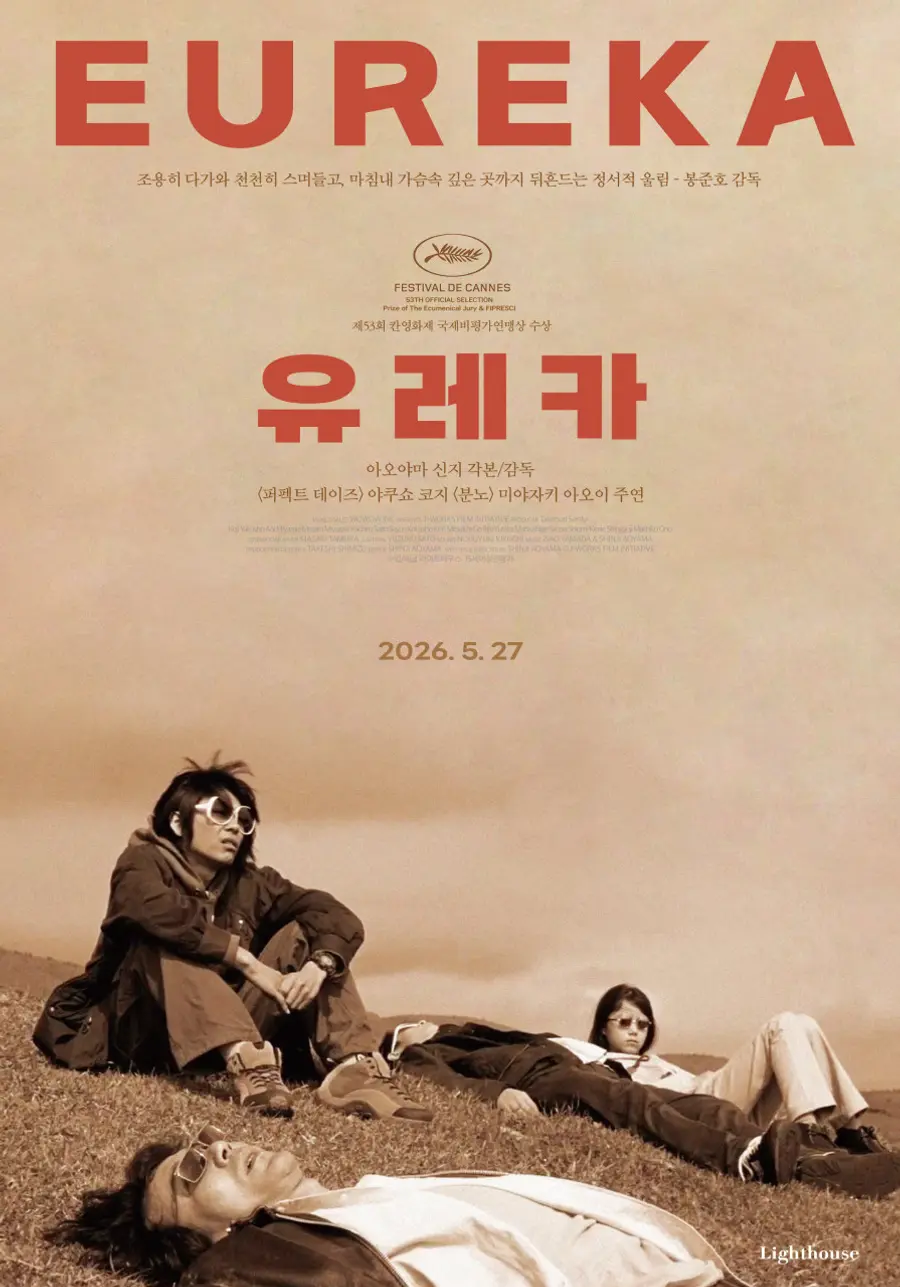
Praised as a landmark of 21st-century Japanese cinema, Shinji Aoyama’s 〈EUREKA〉 will open in South Korea on May 27. Originally released in 2000, 〈EUREKA〉 screened in competition at the 53rd Cannes Film Festival and drew lavish praise from leading contemporary critics such as Shigehiko Hasumi, who declared, "No other masterpiece has yet reached the heights of this film." Its first theatrical release in South Korea offers local audiences a chance to see what many critics regard as one of the defining achievements of 21st-century Japanese cinema.
Shinji Aoyama, alongside Kiyoshi Kurosawa, was a leading figure of the so-called Rikkyo New Wave, a movement that pursued creative work apart from the commercial studio system. Over his career he probed deeply into the origins of violence, the traumas of survivors and the loneliness of modern life. In particular, he relentlessly examined the darkness of contemporary Japanese society and the possibilities of human redemption through his Kitakyushu trilogy set in his native region — 〈Helpless〉 (1996), 〈EUREKA〉, and 〈Sad Vacation〉 (2007). 〈EUREKA〉 visualizes the ravaged landscape of a collapsing Japan in a desolate sepia palette and examines the cyclical nature of violence in Japanese society.
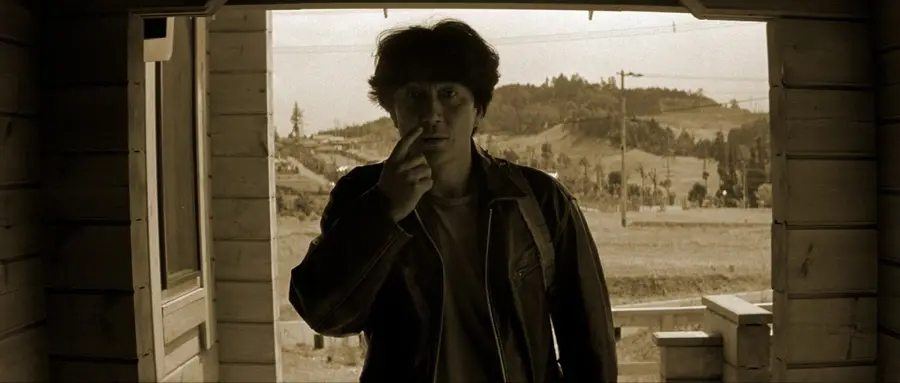
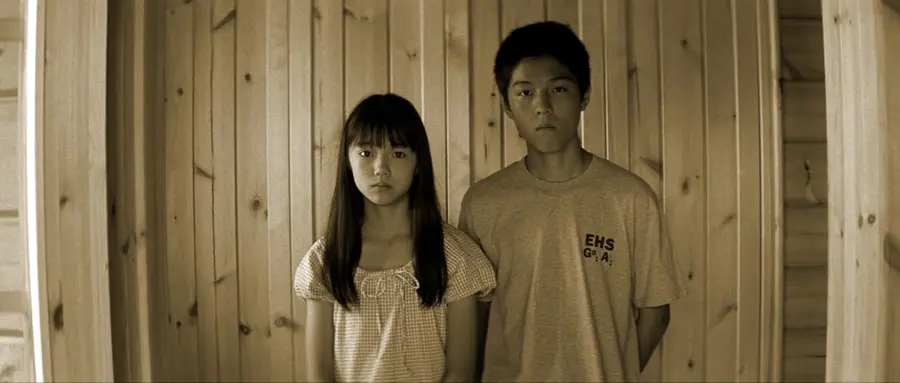
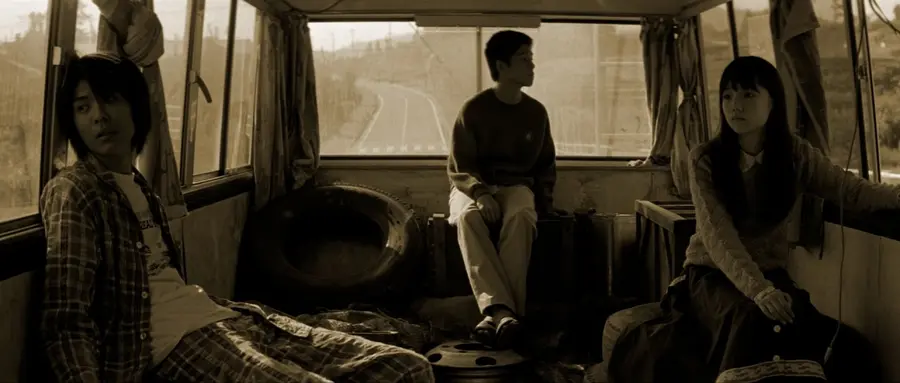
On a quiet summer day in Fukuoka, a bus hijacking shatters the peace of a rural town. Armed with a gun, a man kills passengers one by one. From the bloodied scene, only three survive: bus driver Makoto (Koji Yakusho) and the siblings Kozue (Aoi Miyazaki) and Naoki (Masaru Miyazaki), an elementary-school girl and her middle-school brother. The three live on for a time, each coping with the trauma in their own way, and two years later they are reunited by Makoto. Psychologically isolated from his family, Makoto leaves his home and seeks out the sibling pair, who have been left without parents, asking them to live with him. Not long after, their cousin Akihiko (Yoichiro Saito), who had had no contact with them, suddenly appears and joins their household, beginning a journey in which these wounded people attempt to reclaim meaning in their lives.
How a ravaged Japanese society
passes on and repeats violence
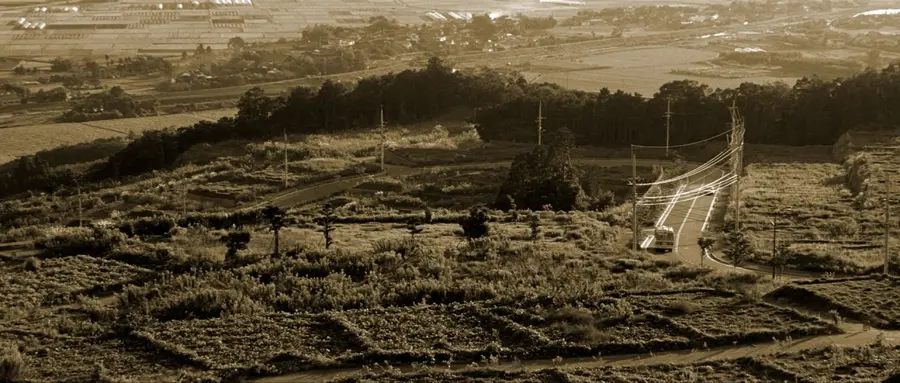
In 〈EUREKA〉, violence hides behind the ordinary face of daily life and gradually reveals itself. The hijacker who takes over the bus and menaces and murders passengers initially appears as an ordinary office worker in a suit on his way to work. At first he boards the bus and looks around awkwardly, then he becomes a terrorist who shatters the passengers' peaceful morning routine. Kozue and Naoki’s father is another instance of everyday violence: he beats his wife and drives the family apart, and later he meets a destructive death under circumstances that leave it unclear whether it was an accident or suicide. In 〈EUREKA〉, violent crime is indistinguishable from ordinary life. The film evokes a Japan of the 1980s and 1990s in which violence had become part of the social atmosphere, a period marked in part by the rise of Aum Shinrikyo.
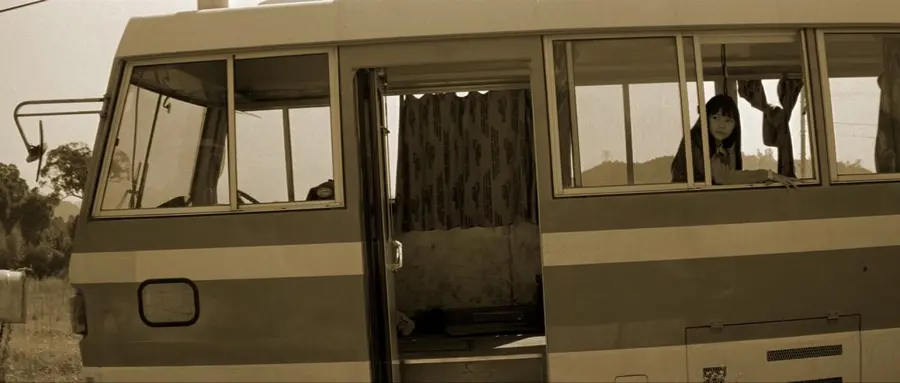
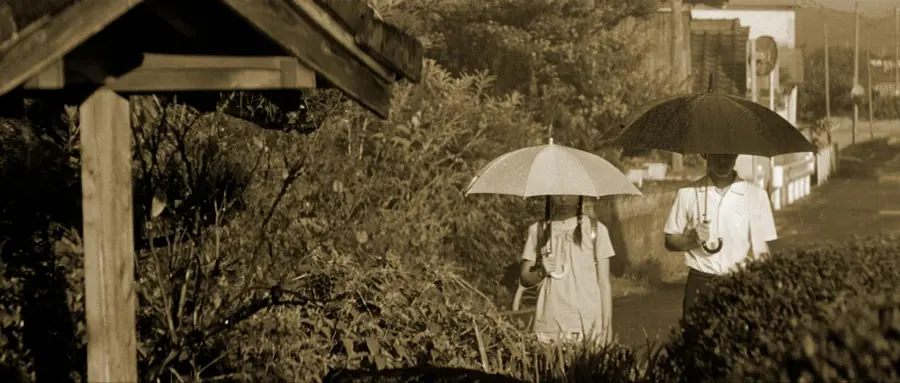
The spread of the new religious movement Aum Shinrikyo in the 1980s was possible because of an accompanying vogue for the occult that ran from the 1970s through the early 1990s. Before the bubble economy’s backlash, 1980s Japan experienced rapid economic growth and a sharp rise in personal asset values, producing material affluence. People indulged in consumerist lifestyles. Yet many also hungered for spiritual satisfaction that consumption could not provide, and they found themselves drawn to worlds outside everyday life. Young people of the era, faced with material wealth that failed to fill their spiritual needs, longed for alternate realities and sought out the supernatural, spiritualism, UFOs and psychic powers — the unknown. Aum Shinrikyo exploited those cultural gaps and expanded by harnessing the spiritual longings of young people. The spiritual yearning of youths who lost a sense of identity amid material plenty led some to reject their previous selves and obsessively desire to become something entirely different. That impulse surfaces in 〈EUREKA〉 during the bus-hijacking sequence: during a standoff with police the hijacker tells Makoto, who has come off the bus with him, "I wanted to become someone else." The line reflects the mindset of young people drawn to Aum with near-cultic intensity, and the bus massacre evokes the subway sarin attack in Tokyo in 1995, when Aum members released sarin gas during morning rush hour.
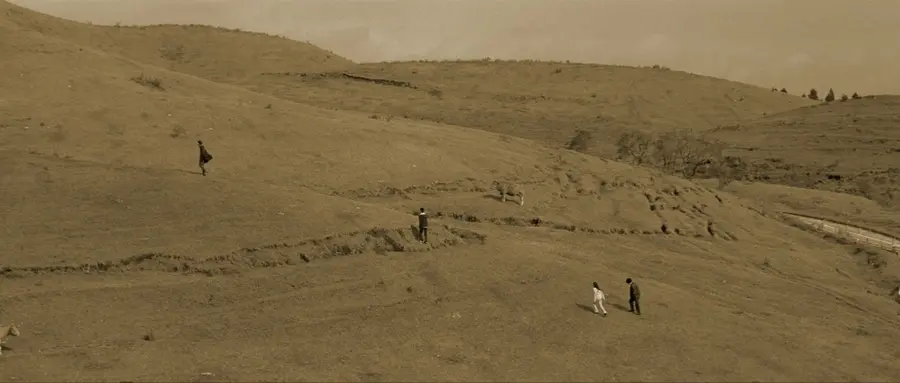
In the 1990s, Japan was reeling from the collapse of the bubble economy and plunged into social crisis as the Hanshin-Awaji Great Earthquake (1995 — often referred to in Korea as the Kobe earthquake, though in Japan it is commonly called the Hanshin-Awaji Great Earthquake) and the subway sarin attack by Aum Shinrikyo helped transform a once-assumed-safe society into a more dangerous one. Japan’s external unraveling bred an internal unraveling among its people. In a society darkened by repeated, insoluble crises, people grow helpless and adrift. 〈EUREKA〉’s faded sepia tone visualizes both the empty interior worlds of characters consumed by trauma after those events and the layered, insoluble problems that accumulate to produce a ravaged national landscape.
※ Spoilers for the film follow.
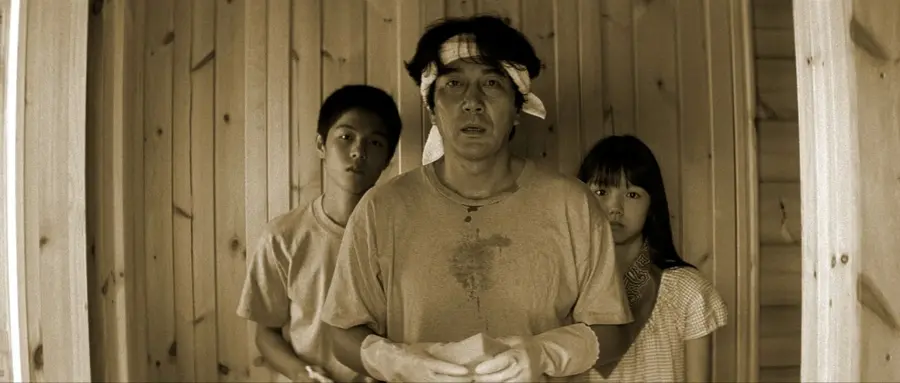
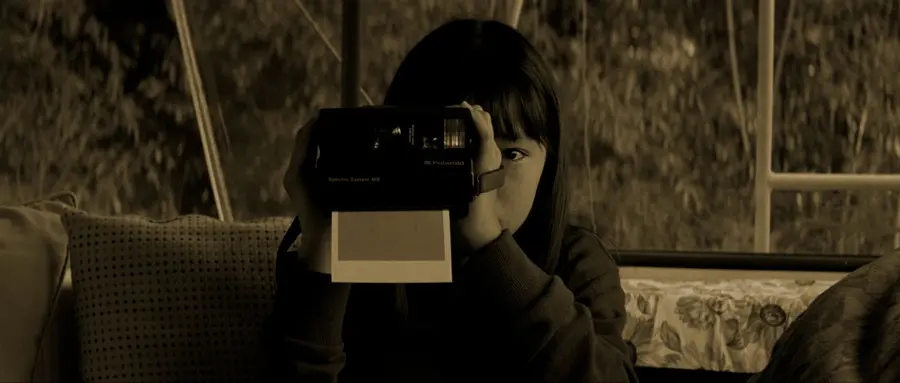
The helplessness and claustrophobic despair that arise in a collapsing society foster violence and the trauma it leaves behind. That trauma does not disappear; it passes to the next generation. In the film, Naoki — a survivor of the bus hijacking — secretly commits murder, repeating the violence of both the hijacker and his father. Naoki’s crimes reveal how the violent currents of the Aum era permeated society and transferred into the sensibilities of that generation of young people. At the same time, they also directly reflect the influence of the 1997 Kobe serial child killings case, a shocking series of murders committed by a 14-year-old. Shinji Aoyama stages the transmission and repetition of violence as symbolic repetitions in the film. Makoto, having failed to find psychological stability within his family, leaves home. He mounts a bicycle his father had prepared and spins in place before heading to the siblings’ house. That image is later echoed and transformed in the film’s final act: Naoki is discovered while attempting a murder. Makoto forces him to drop the knife, admonishes him, and then puts him on the bicycle and rides him in circles.
The bicycle Makoto inherits from his father symbolizes the unresolved problems and burdens left by the previous generation. Makoto’s father is portrayed as a member of the dankai generation — the postwar baby-boom cohort born immediately after World War II — a retired figure who both benefited from Japan’s economic rise and left behind the recession that followed rapid growth. Though the dankai generation generated economic prosperity, they failed to resolve structural social problems, passing those problems on to the next generation along with the downturn. A society where social systems are absent and have collapsed breeds violence, and the next generation, trapped in cycles of violence and trauma, ends up circling in place. Yet the repeated act of riding the bicycle also represents a fierce will to heal wounds and move forward amid a vicious cycle of recurring violence and inescapable suffering. 〈EUREKA〉 asks how a society scarred by collective trauma can live on inside a seemingly insoluble maze of problems.




![[Interview] Taking on Comedy Acting Full Force! Park Ji-hyun ① in <Wild Sing>](https://cdn.www.cineplay.co.kr/w160/q75/article-images/2026-05-28/9d889e84-b63d-46b3-9122-f001925e4cca.jpg)
댓글 (0)
댓글 작성
댓글을 작성하려면 로그인이 필요합니다.
로그인하기