



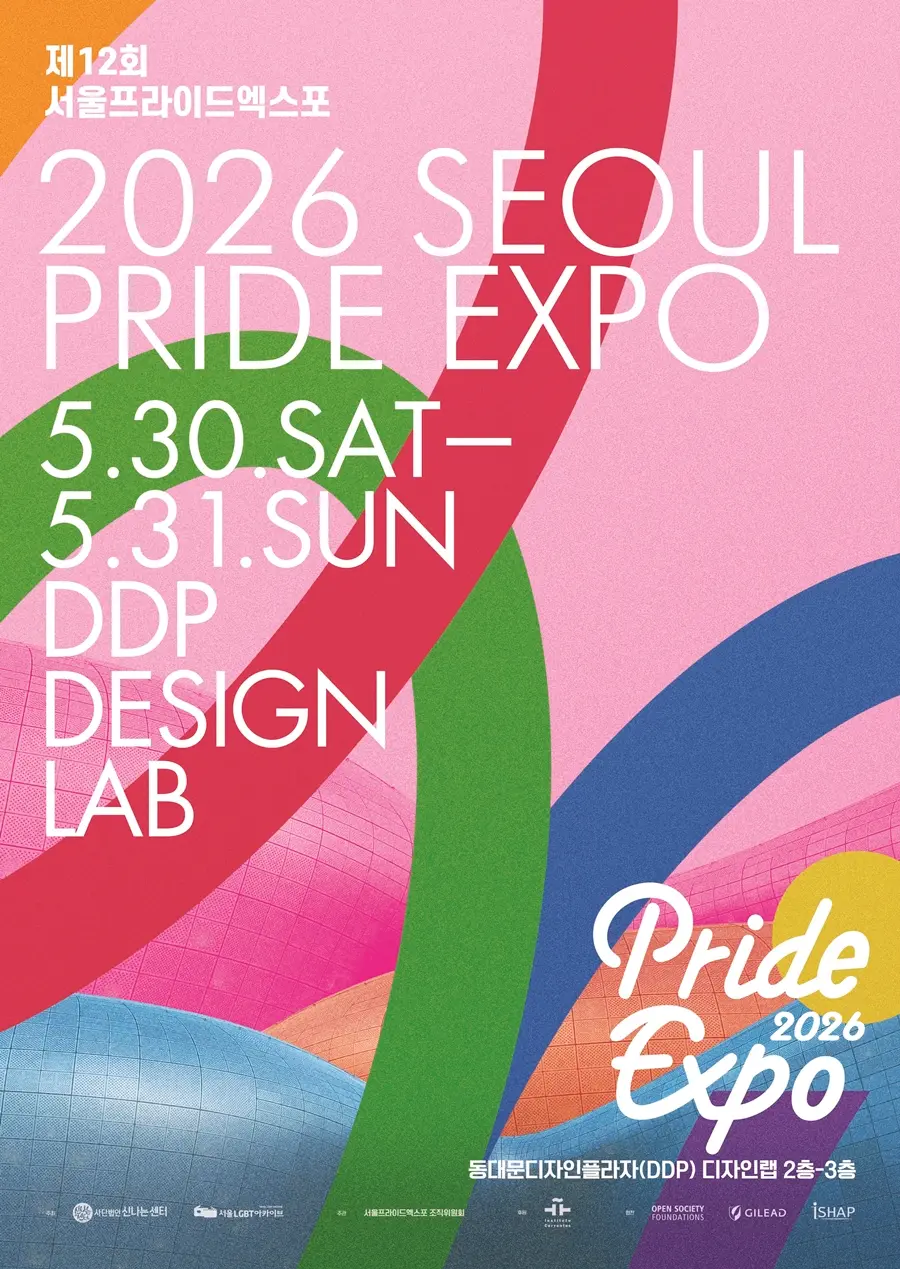
Based on six values—Diversity, Equality, Inclusion, Pride, Love, and Solidarity—the country’s largest LGBTQ culture and arts fair, the “12th Seoul Pride Expo 2026,” wrapped up successfully at Seoul Dongdaemun Design Plaza (DDP) over the two days from Saturday, May 30 to Sunday, May 31.
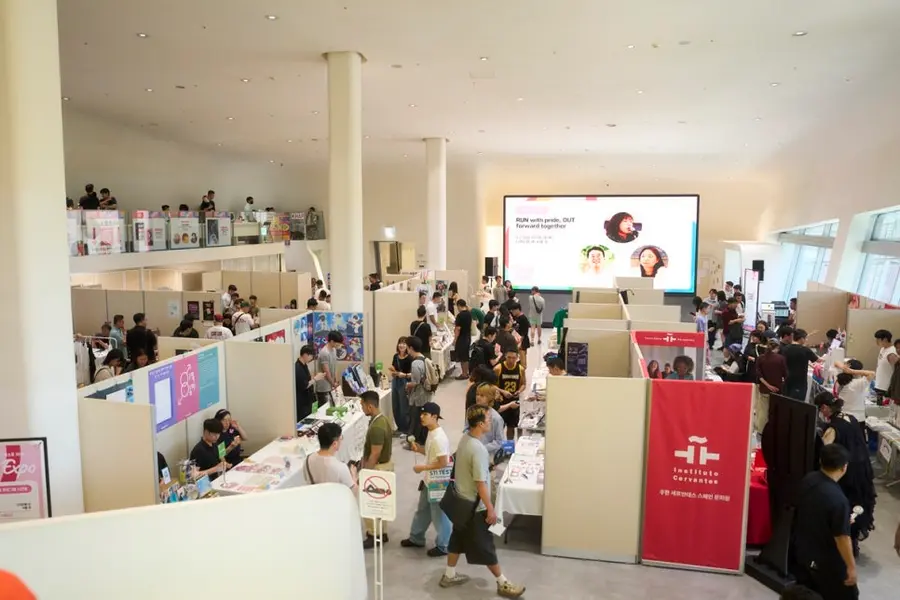
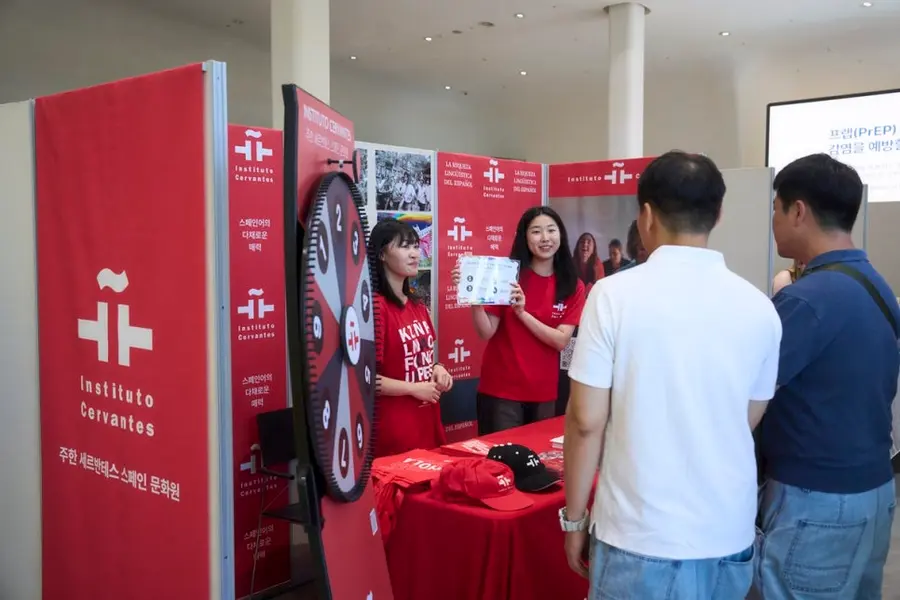
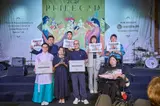
The 12th Seoul Pride Expo was held for two days from Saturday, May 30 to Sunday, May 31 at Seoul Dongdaemun Design Plaza (DDP). More than 2,500 visitors came through, and the expo ended on a high note. Hosted by the Korea Foundation Sin Naneun Center, this year’s event featured a total of 55 participating teams and 47 booths, along with a variety of ancillary programs including master classes, forums, performances, exhibitions, and workshops. In addition to independent creators, participants included publishers, fashion brands, LGBTQ organizations, and local and international institutions. This year, for the first time, Japanese-based overseas brand AKATALE and the Cervantes Spanish Cultural Center in Korea opened booths. Under the newly introduced AI creative participation program, AI creative participants also joined, forming what organizers said was the widest range of participants in the expo’s history.
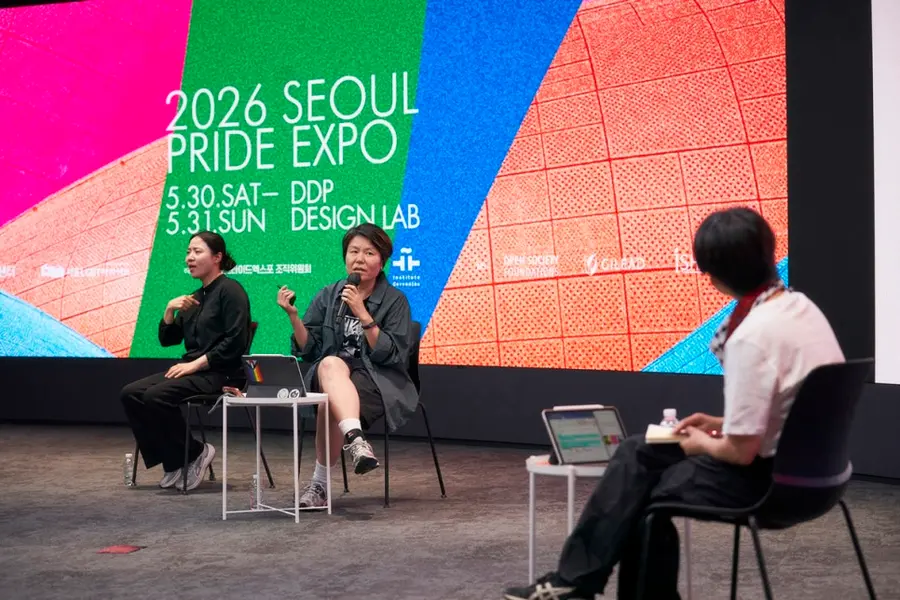
This year’s expanded and reorganized master class program was widely regarded as the densest program at this year’s Pride Expo. Last year, Pride Expo made its debut with the first visit to Korea by Japanese queer comics master Takagame Kengo and a “talk with readers.” This year, the program was elevated into a “master class,” evolving into a format that lets audiences dig even deeper into creators’ worlds of work.
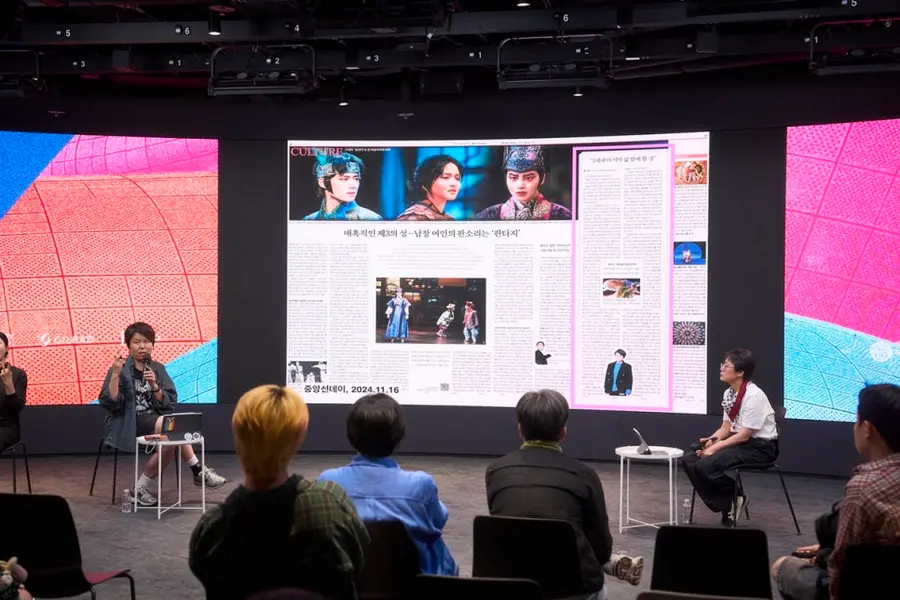
Invited this year, writer Jeong Eun-young is a recipient of the National Museum of Modern and Contemporary Art’s 2018 “Artist of the Year” award. She traced her journey—from the 〈Women’s National Drama Project〉 that unearthed and reexamined Korean women’s national theater from the mid-20th century, to her latest work 〈Sick Seoul〉—with audiences under the direction of critic Lee Jin-sil, who won the 2019 SeMA-Hana Criticism Award. Her story, which excavates women’s art erased from history and untangles the politics of disease, the city, and the body through queer language, vividly showed how art can become another way of writing history.
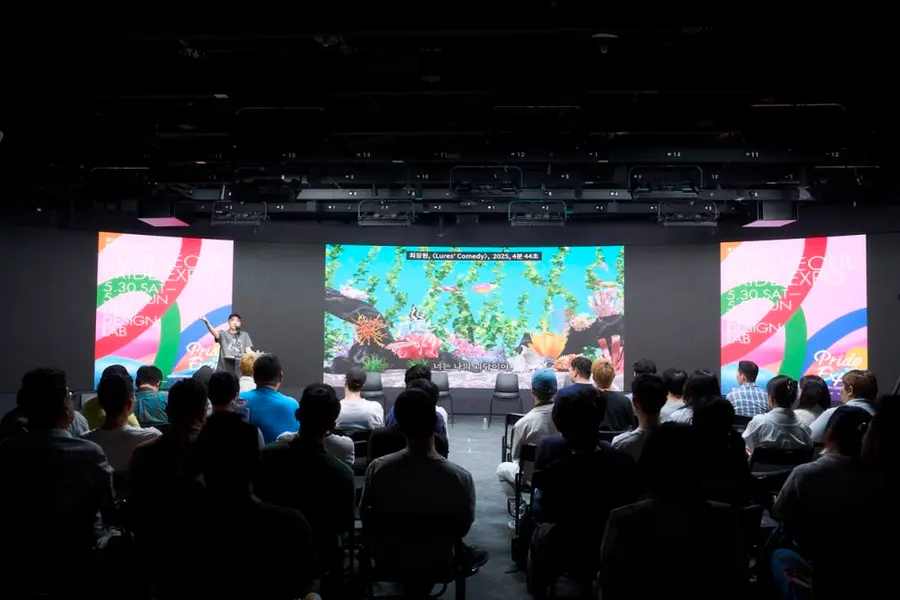
In addition, the country’s first HIV/AIDS art forum gave LGBTQ people—including art creators living with HIV and those who are HIV-negative—an opportunity to speak directly about the emotions, relationships, and perspectives and distance they encountered when facing HIV in their lives through their work. Even with medical changes such as advances in treatment and the introduction of PrEP (pre-exposure prophylaxis), these were stories that had not been shared enough until now.
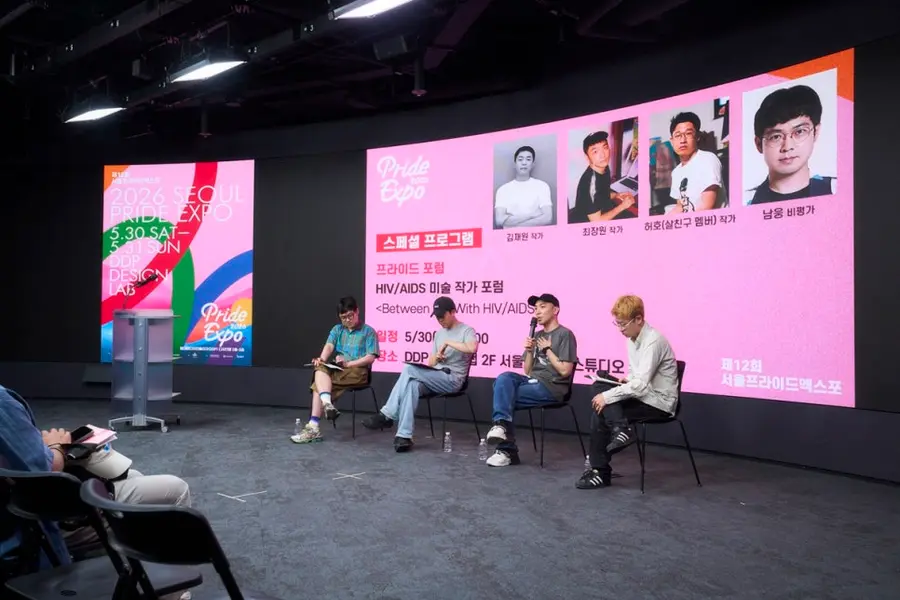
Artist Kim Jae-won, who captures “after infection” not as a break but as an overlapping state, artist Choi Jang-won, who has visualized issues of stigma as well as intimacy, vulnerability, and dignity through works in both spatial and video forms, and writer Heo Ho of the collective Salchingu, which archives queer activism as art, all exchanged stories through their respective practices. With Nam Woong, a full-time staff member at the coalition for LGBTQ human rights who is also an art critic, leading the discussion, the conversation expanded into the question of how new points of contact can be formed between people living with HIV and HIV-negative MSM, starting from individual experiences.
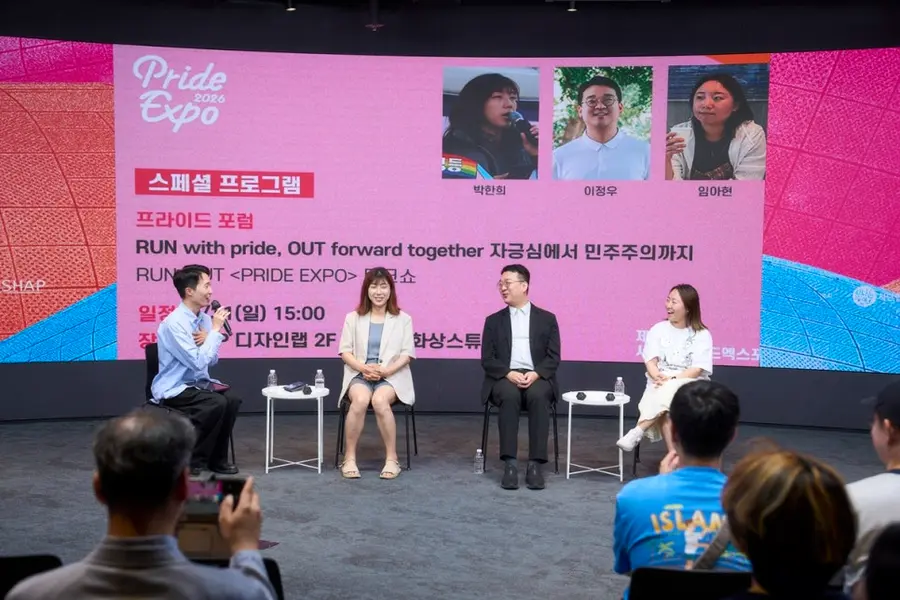
Above all, this year’s Pride Expo drew big enthusiasm for its special program covering a range of LGBTQ issues, including politics, devised theater, open mic, and drag. Pride Forum 〈RUN with pride, OUT forward together: From Pride to Democracy〉 was held as an interactive program in which LGBTQ voters shared experiences of political engagement and explored the future of democracy together. Ahead of the 2026 local elections, this talk show featured Park Han-hee, a public-interest human-rights attorney and co-representative of Rainbow Action; Lee Jeong-woo, author of 『Thailand Democracy』; and Im Ah-hyeon, a candidate in the 2022 local elections and the plaintiff in a lawsuit seeking marriage equality. They shared their political experiences as LGBTQ citizens, concerns about democratic governance, and discussion on institutional changes.
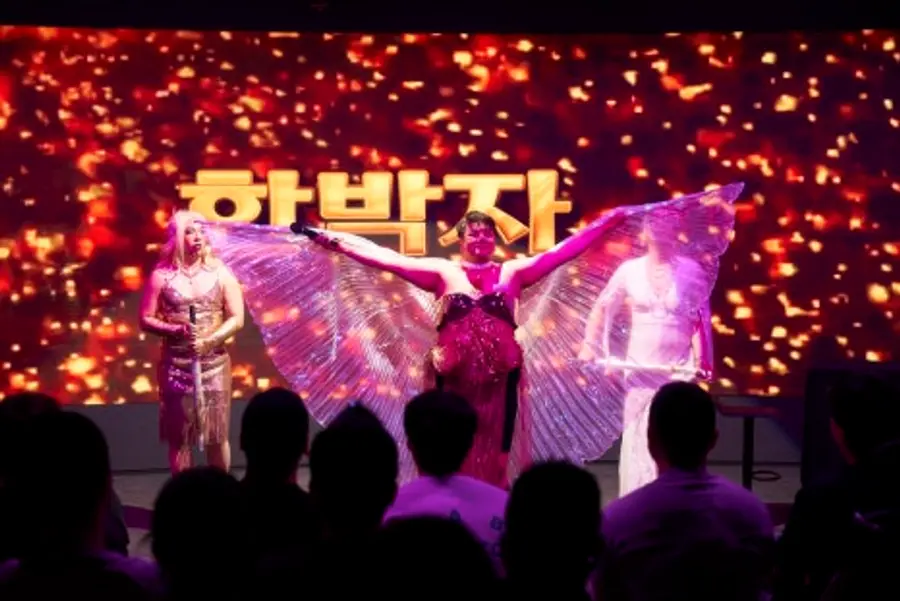
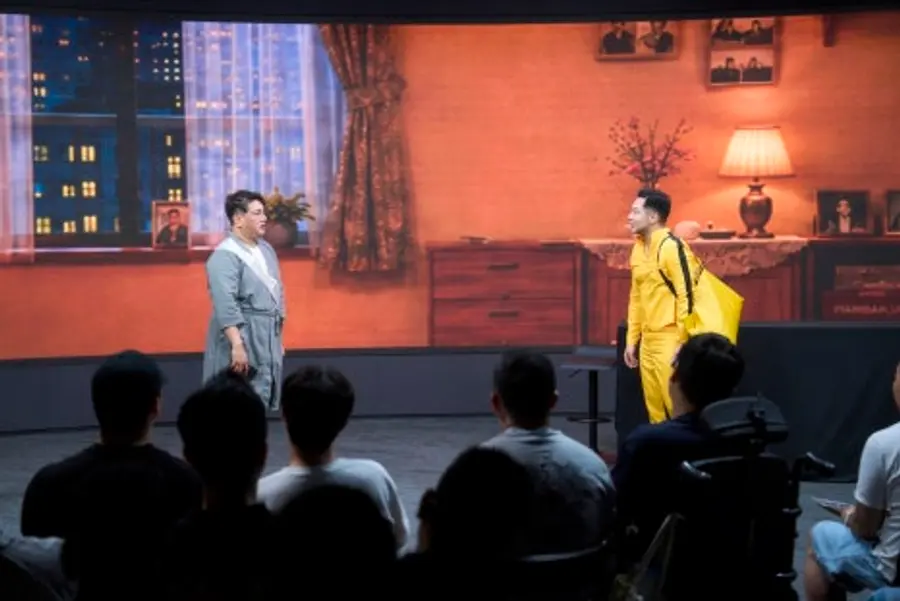
Project Frei (PROJECT FREI), an arts organization centered on creative plays in which male queer people write their own stories and perform them, unveiled a special performance 〈Project Frey: A Servant Singer’s One Beat〉. With two characters who previously stood on stage together at a drag bar, the performance unpacked their relationship and desires as well as conflicts between family and social expectations in a lively yet three-dimensional way. Borrowing the trot survival format, it delivered an original stage where laughter, madness, han (恨), and kk i (kk) interwove, winning the audience’s response.
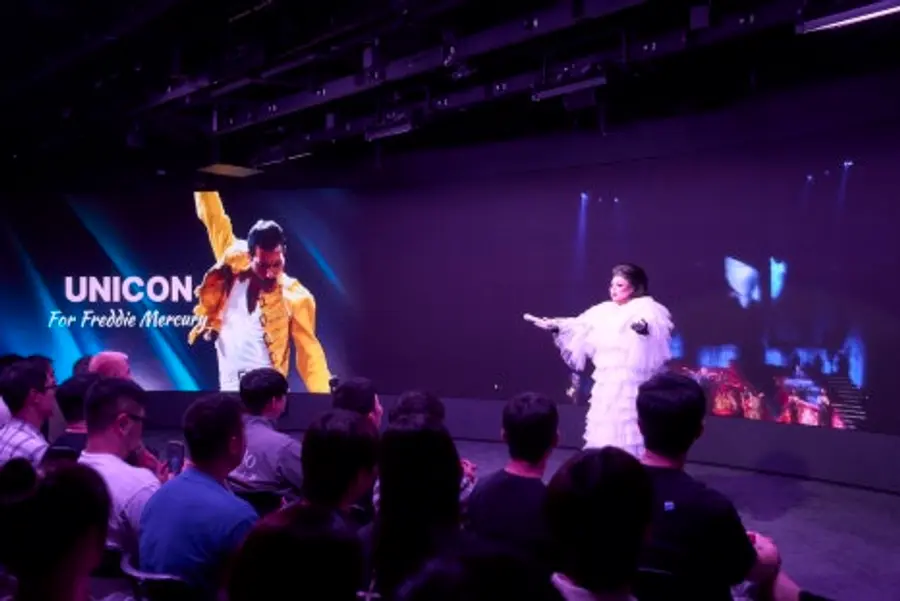
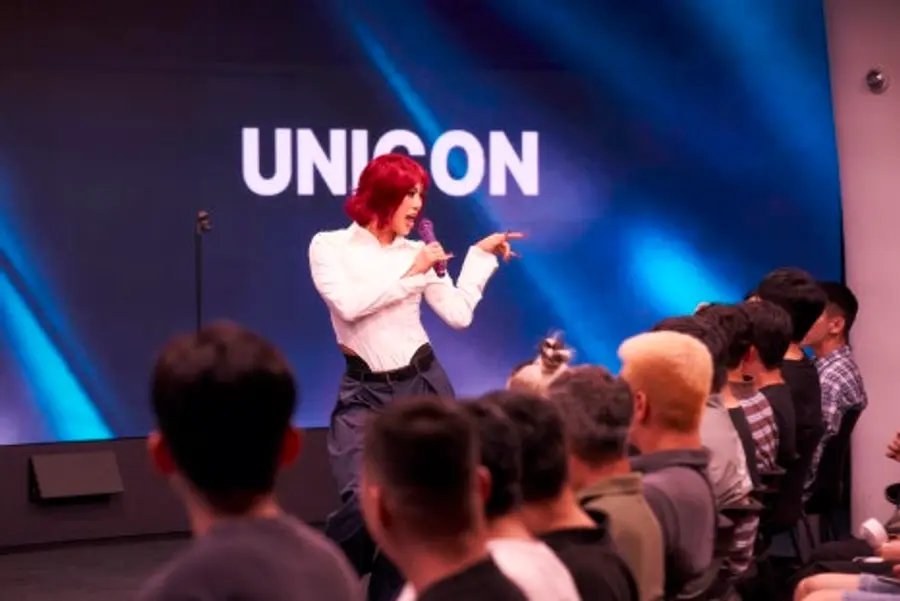
〈Open mic Mo-im〉 met audiences on the stage of the Seoul Pride Expo through a special performance. Under the premise of a “10-minute stage anyone can take,” this performance brought together open mic participants who had been running the program. With Cha Se-bin as host, a range of casts including Bori, Anessa Choi Yari Kodji, Music Sey, and more joined to showcase their own personalities and performances. Eun added meaning as a platform supporting new expressions by up-and-coming queer creators and helping connect them—expanding the traditional open mic stage into a broader form.
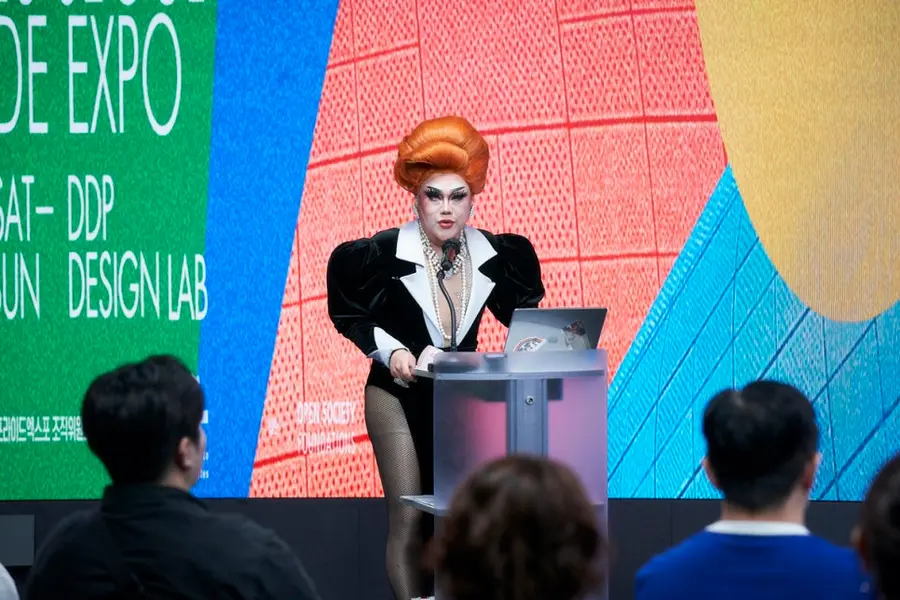
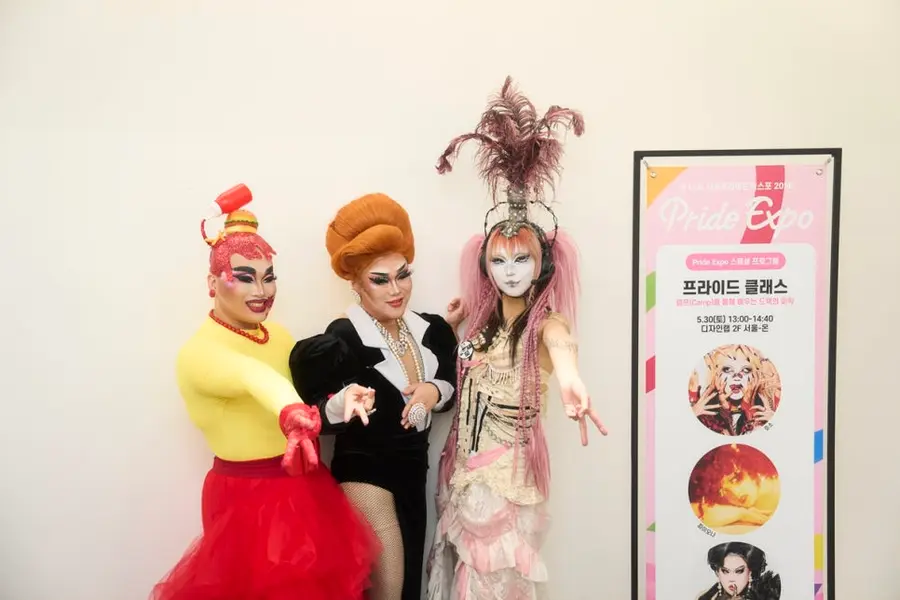
Pride class 〈Learning the aesthetics of drag through Camp〉 was held as a program that shed new light on drag culture and performance. Under the guidance of drag artist Choi Friday, who studies drag, artists Pioneon and Hos o Teratom a, representing the Korean drag scene, participated to present performances and talks together. Participants spent time looking at the aesthetics and modes of expression surrounding drag in a multi-layered way, as well as the meaning within queer culture. As a program that combined performance and discourse, it drew a strong response from audiences.
More than 50 creative booths set up this year showcased works across a variety of genres, including publishing, art, illustration, and handmade crafts. As active exchanges took place, both creators and visitors left with meaningful outcomes. One participating creator said, “Usually I don’t get many chances to promote queer works, but at this expo I met a wide range of visitors face-to-face, and I got a big boost.” Among them, under the AI creative participation program introduced for the first time this year, participation by a fictional AI creative model named ‘Hanho’ became the hottest topic throughout the event. For ‘Hanho,’ whose work explored male queer fantasies, visitors’ footsteps also kept coming in throughout the two days.
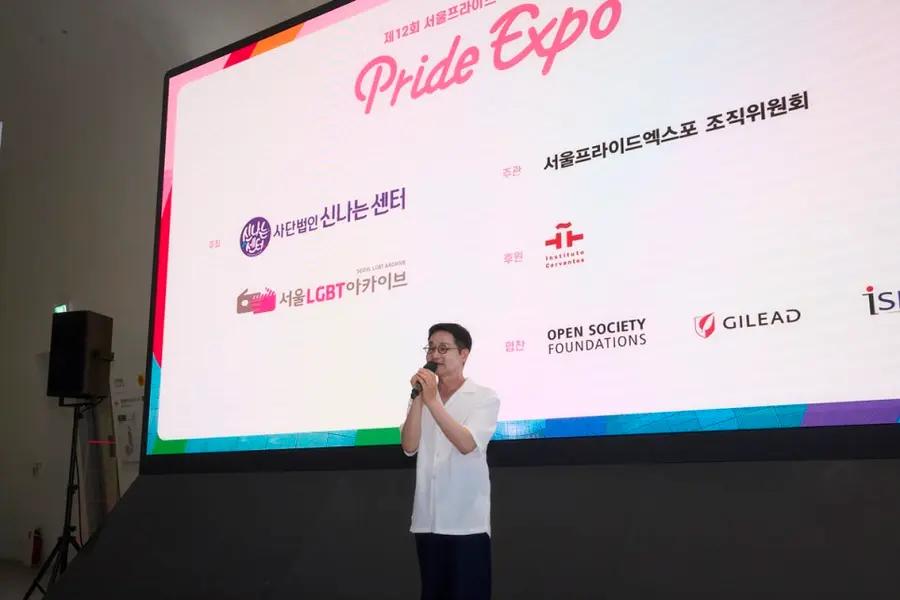
Kim Jo-gwang-su, the director of Sin Naneun Center, said the organization successfully wrapped up the event, adding, “For 12 years, what has sustained this event has ultimately been the trust between queer creators and the audience.” Kim said, “For everyone who needed courage to stand in this space every year, that courage gathered and became today’s Pride Expo,” and expressed his gratitude to the participants. He then added, “Going forward, Pride Expo will remain a place where LGBTQ artists can put their stories out in the safest way, and also a place where we all confirm each other’s existence.”
Meanwhile, the Seoul Pride Expo, hosted by Sin Naneun Center, a nonprofit private organization that was the first in South Korea to obtain legal personality, first appeared in July 2015 under the name “Pride Fair” at the Seoul Metropolitan Government’s Citizens’ Hall. After that, in 2021, it changed its name to “Pride Expo.” Over the past 10 years, it has grown into the country’s largest LGBTQ culture and arts fair, with nearly every cultural and arts field—including art, publishing, handmade crafts, fashion, exhibitions, and online content—alongside citizen groups, government agencies, media outlets, and international organizations all taking part.
Against the backdrop of the landscape of Korea’s queer movement, which has been shaped around parades and rallies, the “Seoul Pride Expo,” which has steadily accumulated LGBTQ visibility through the language of creation and art, exhibitions, and dialogue, has opened a new chapter for a queer cultural fair in Korea. It has done so by expanding its spectrum wider than ever—through an expanded overhaul of the 2026 master classes and the first introduction of an AI creative participation program.
With the event continuing to build its substance even amid a changing environment, the Seoul Pride Expo—now firmly established as a proper queer culture and creation and arts festival representing Asia beyond South Korea—plans to keep going as a festival that both LGBTQ people and citizens can enjoy together and coexist with, building on these achievements.

댓글 (0)
댓글 작성
댓글을 작성하려면 로그인이 필요합니다.
로그인하기