


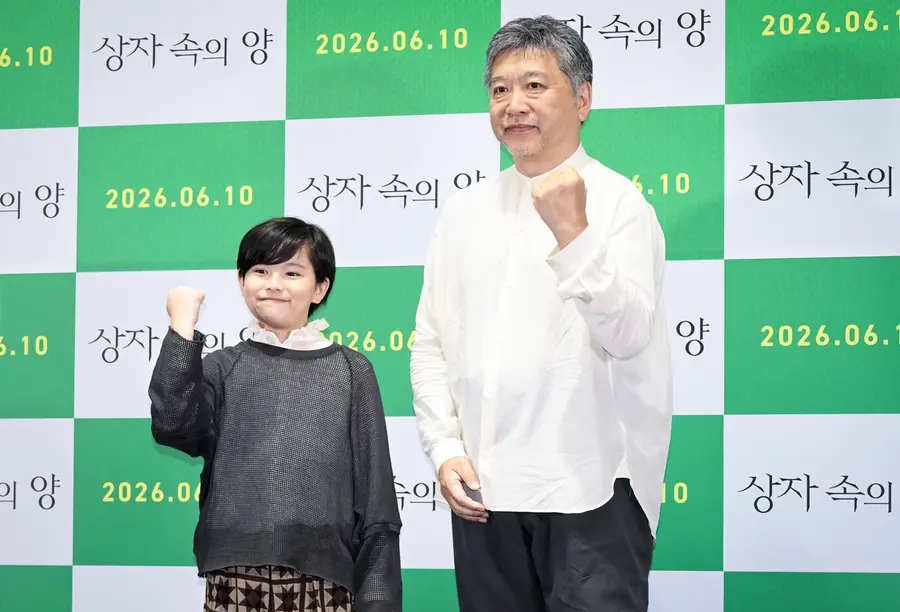
Director Kore-eda Hirokazu introduced his new film 〈Sheep in the Box〉 at a June 4 press briefing at Megabox COEX in Seoul, joined by child actor Kuwaki Rimu, who plays the humanoid Kakeru. Known for his warm yet incisive take on alternative families, Kore-eda returns with a film that extends his ongoing exploration of unconventional family dynamics by bringing artificial beings—humanoids—into that world. The film opens on June 10. Below are key comments they made at the event about the film and its production.
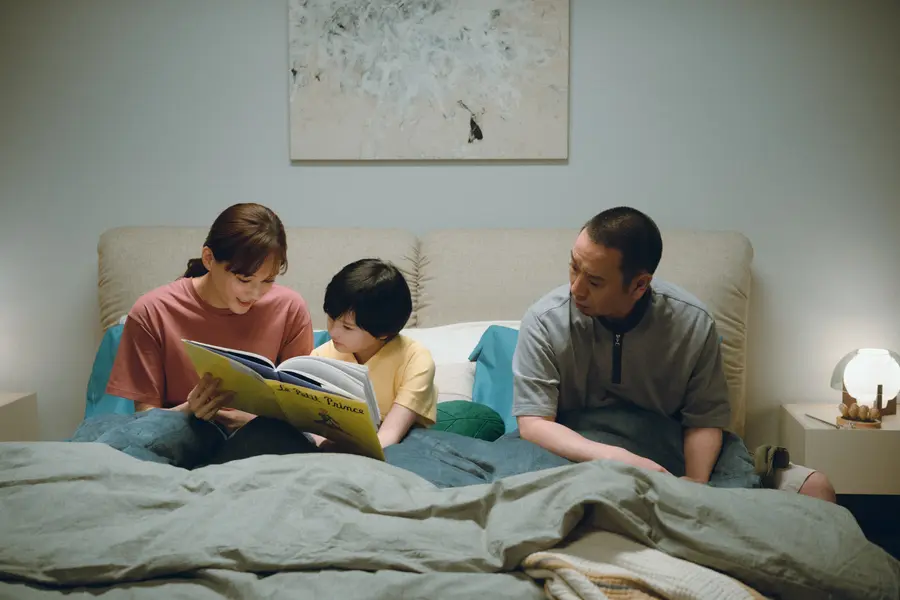
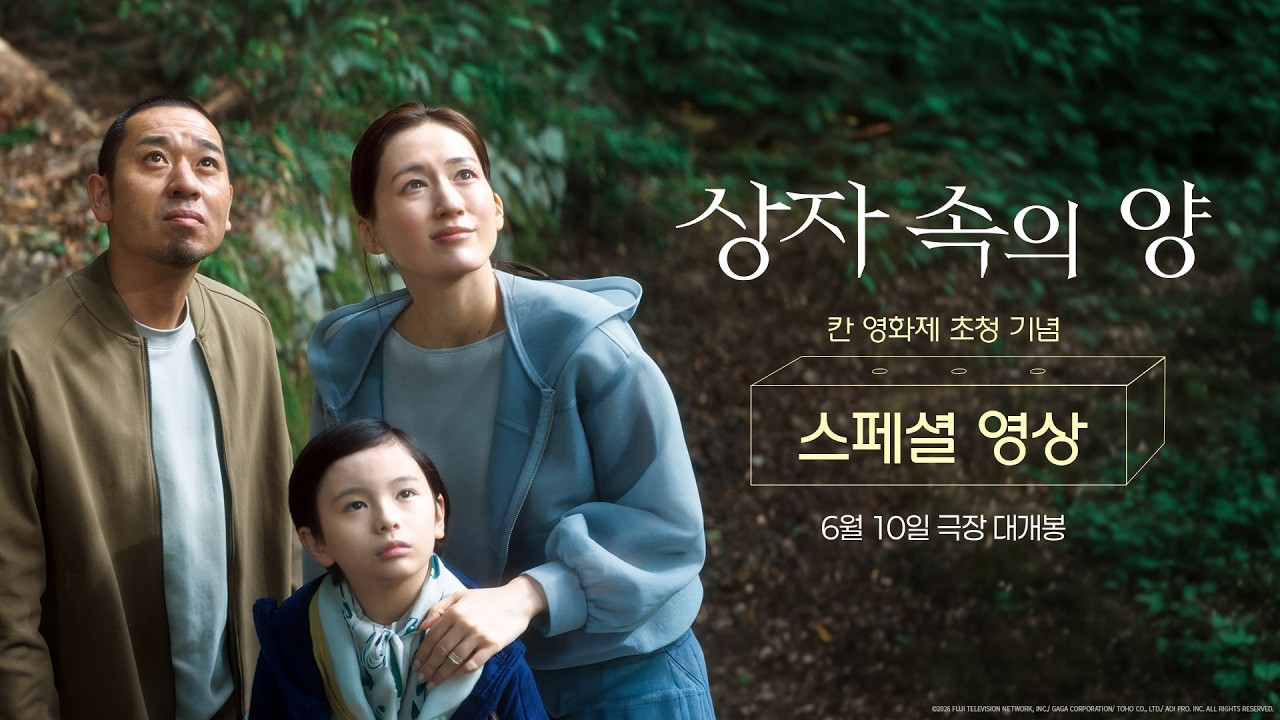
〈Sheep in the Box〉 follows a seven-year-old humanoid named Kakeru who is placed with a family to replace their deceased child. The story traces Kakeru's simultaneous experience of the joy of belonging to a family and the anxiety that he might be abandoned. At the same time, the family that brings in a humanoid in place of their son struggles between excessive emotional dependence and hesitation. Kore-eda Hirokazu said the film began for him after he read an article about businesses in China using generative AI as a substitute for the dead. "I was staying in China at the time and I met people actually running those businesses and heard their stories. I saw AIs being made from videos and photos of people who had passed away, and that became the starting point for this film," he said.
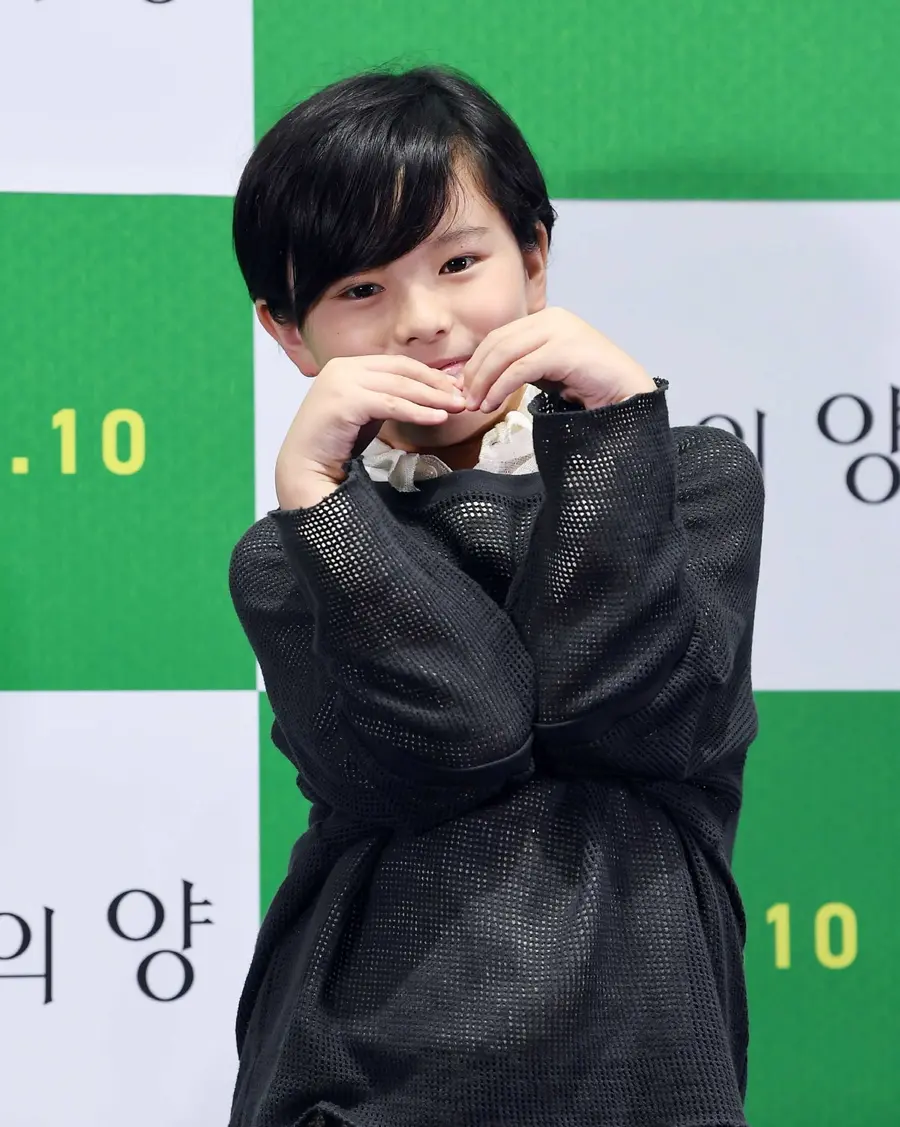
Casting the role of Kakeru was crucial because the child actor would set the film's overall tone. The director and production team held repeated auditions and approached casting with great care. Kuwaki Rimu passed an audition that drew more than 200 participants; Kore-eda selected Kuwaki for the role. On why he cast Kuwaki, Kore-eda said, "I usually cast on instinct, based on a first impression. When I met Kuwaki, I was convinced, 'This is the child.' We still held further auditions, but I kept thinking of Kuwaki. Ultimately, after testing a bath scene with Daigo Chidori, who plays the father, and reaching agreement with the rest of the production team, we decided on Kuwaki." Kuwaki Rimu recalled how family members reacted when told of the casting: "My whole family jumped up and hugged each other; we were so happy. My father, mother and older sister cried a lot. At first I wondered why they were crying, but after my mother explained, I cried too because I was so happy."
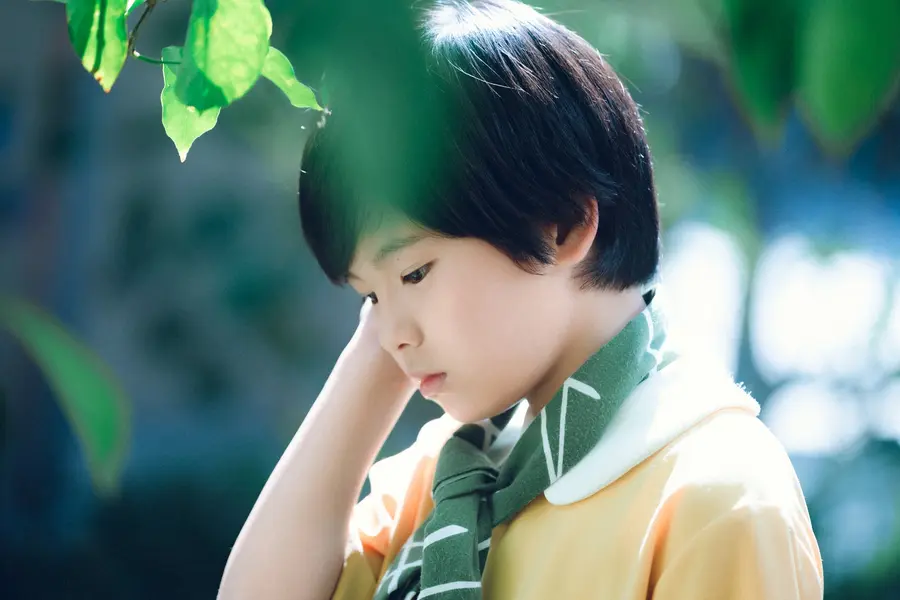
Kore-eda has a long history of introducing child actors whose faces remain memorable: Yagira Yuya in Nobody Knows, Ninomiya Keita and Hwang Shogen in Like Father, Like Son, Sasaki Miyu and Jo Kairi in Shoplifters, and Kurokawa Soya and Hiiragi Hinata in Monster. That legacy alone gives reason to watch Kuwaki Rimu, but Kuwaki also proves capable through the performance. Kuwaki handles the difficult task of portraying a being that resembles a human but is not identical—someone who must feel like a child to be protected and, at the same time, an independent individual. About working with Kore-eda on set, Kuwaki said, "The director told me to 'act like yourself' on set. I was grateful he put it so simply and comfortably."
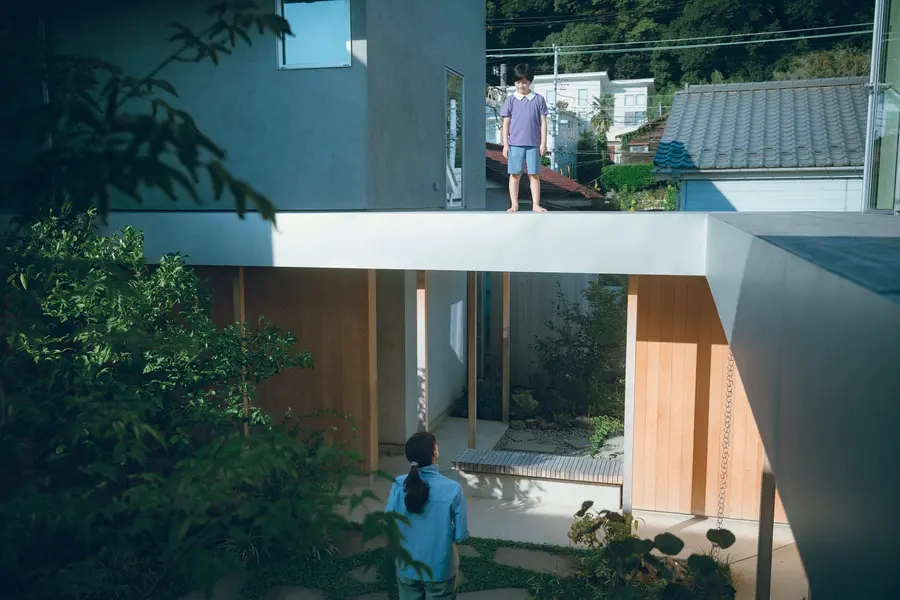
Kore-eda also builds architecture into 〈Sheep in the Box〉 as another major thematic axis. The film repeatedly proposes architecture as a way for disparate things to coexist. He even makes Otone, the mother who lost her son, an architect (played by Ayase Haruka). On what architecture means in this film, Kore-eda said, "The name of architect Nishizawa Ryue appears in the movie. I like his architecture and his paintings. I read his books and they gave me a lot of insight. There's a line in the film that also appears in his book: 'In architecture, the invisible parts are extremely important.' That idea connects directly to the film's theme."

Kore-eda went on to describe where Nishizawa Ryue's architectural work and his filmmaking overlap: "What Nishizawa thinks about architecture and what I think about film are similar. Both involve connecting two things that differ both materially and in meaning, and both reflect an attitude of openness to society and to others. When I set out to depict the coexistence of two dissimilar beings—humans and AI—that architectural thinking became a crucial foundation for the film."





![[Photo&] “AI That Replaces a Dead Son” Hirokazu Kore-eda’s New Work ‘A Sheep in a Box’ Unveiled at the Cannes Film Festival](https://cdn.www.cineplay.co.kr/w160/q75/article-images/2026-05-18/c298c0ef-4fad-4f85-84b4-f5275dfd7b67.jpg)
댓글 (0)
댓글 작성
댓글을 작성하려면 로그인이 필요합니다.
로그인하기