


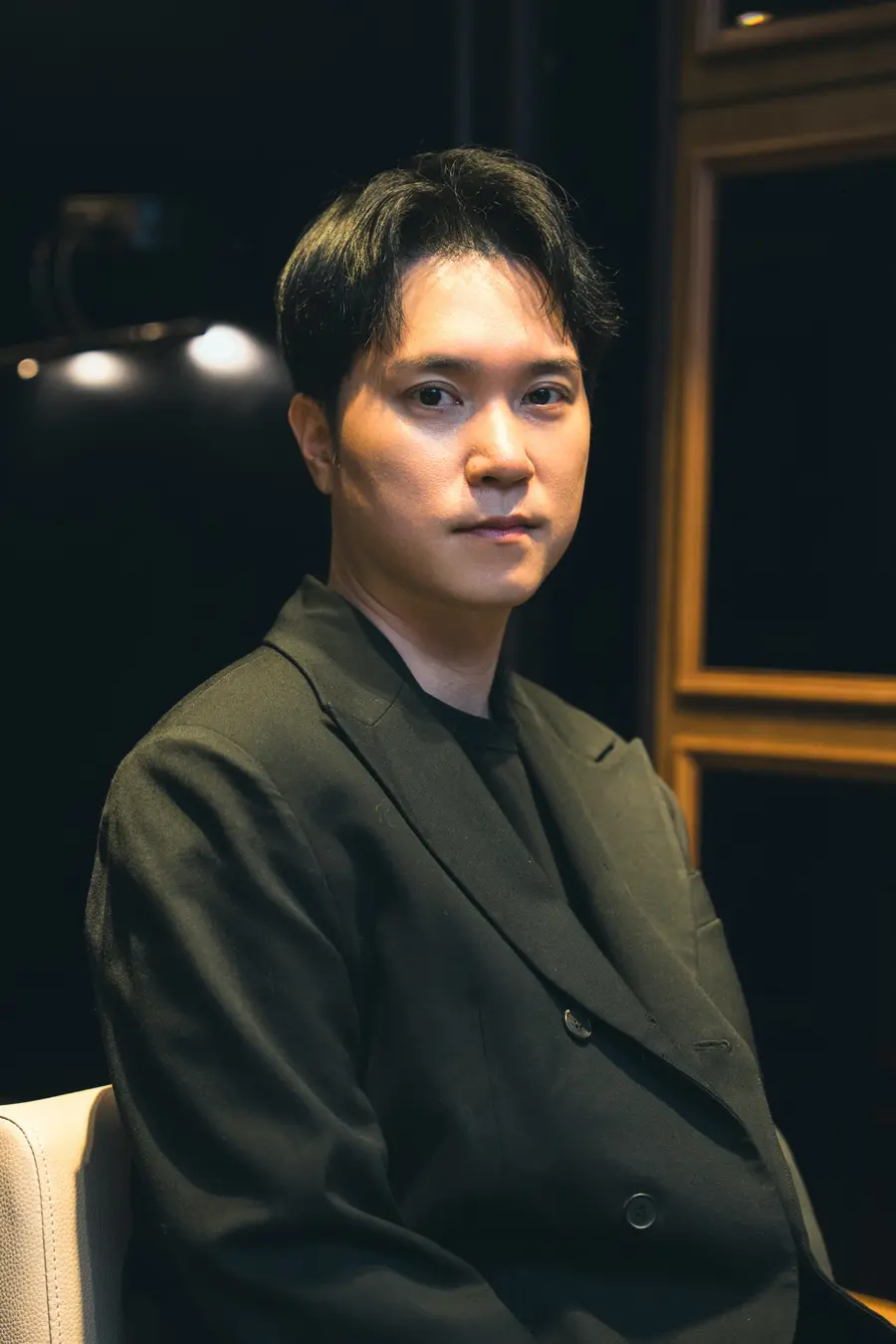
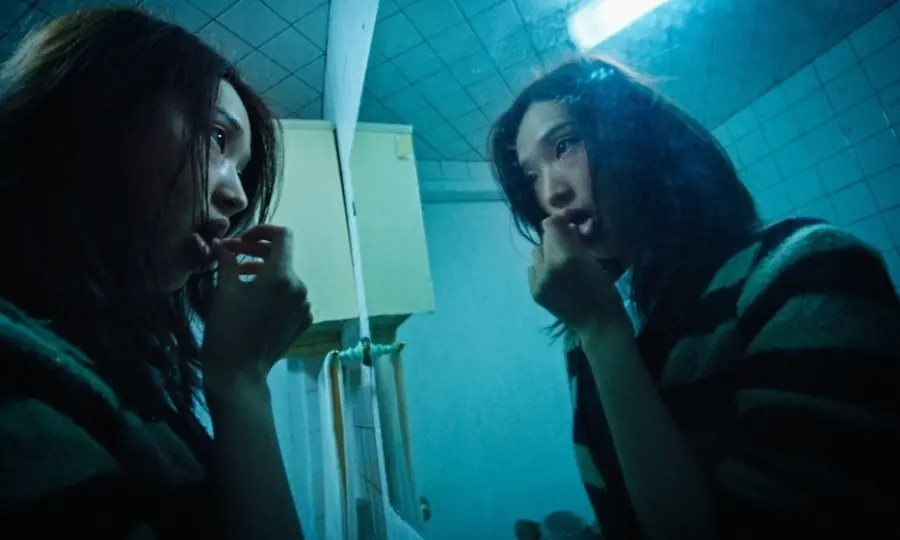
Retro is the trend. In the fashion, music and props of young people in their 20s, there’s nowhere that a Y2K sensibility hasn’t managed to seep in. Director Han Chang-rok, born in 1990 and a graduate of the Korea National University of Arts film school, pulls this retro sensibility straight onto the screen in his feature debut, 〈Choong-Choong-Choong〉. Inside the dazzling, fast-paced MTV-style editing, the aimlessness of teenagers collides with violence—aimlessness, profanity, and the emotions and actions driven by desire. 〈Choong-Choong-Choong〉, which takes inspiration from a murder case in Washington, Benton in 2018, is a film about a catastrophe brought on by the intersecting desires of three kids.
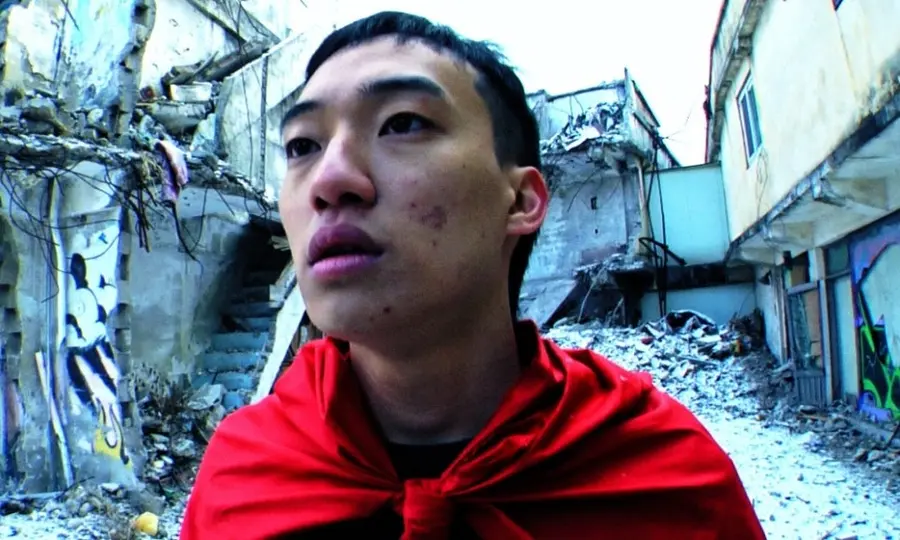
A boy who only has courage but is clumsy in everything—Yong-ki (Joo Min-hyung). A girl, Ji-sook (Baek Ji-hye), who is adored for her courage but always craves affection and wants to be noticed. And even the name “Universe,” like the very thing of space, becomes “Universe” (Jeong Soo-hyun), who is—like a universe, too. The more the arrows of these three young people miss their target, the more the size of the catastrophe swells, shocking viewers. The unstoppable energy created by “raw emotions.” Even for audiences who have watched 〈Beat〉 or 〈The House of Dead or Bad or Good〉 or 〈The Story of Macheon Street Cruelty〉, a sense of deja vu comes with it. Perhaps it feels like the chain of a youth-film thread in Korean cinema—one that had been broken—keeps going, as if the timeline rewinds some 30 years.
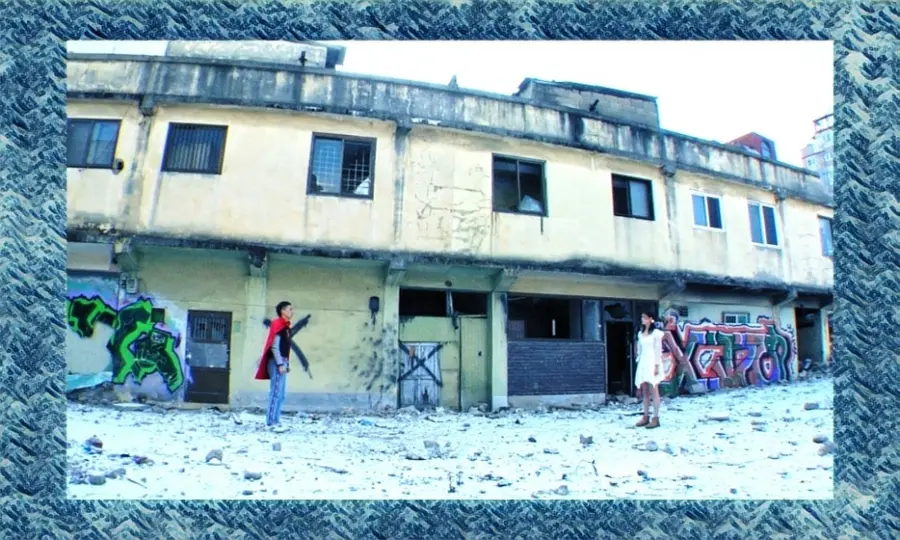
What matters is that “retro” isn’t the past itself—it’s a past that gets reinterpreted. What Director Han Chang-rok faces head-on is, clearly, children in 2026. This kind of first love is nothing like the past. Instead of staying in a past where someone protects someone else, in this film every single character becomes the “subject” of their own feelings—without exception. In a world where display turns into envy. In a society where YouTube and SNS, which everyone can access in real time, form one axis, kids fall into their own anxieties, consume drugs, justify violence, and even stage tragedy for viewing. The film captures the air that currently dominates teenage culture, reaching even the “shocking” images of the late portion—literally “shock.” Right at that point, 〈Choong-Choong-Choong〉 has found the precise language and style that will move today’s viewers—making it the hottest retro youth film. I met Director Han Chang-rok, who directed the movie, as well as the two actors who were given these intense characters through the film: Joo Min-hyung and Baek Ji-hye.
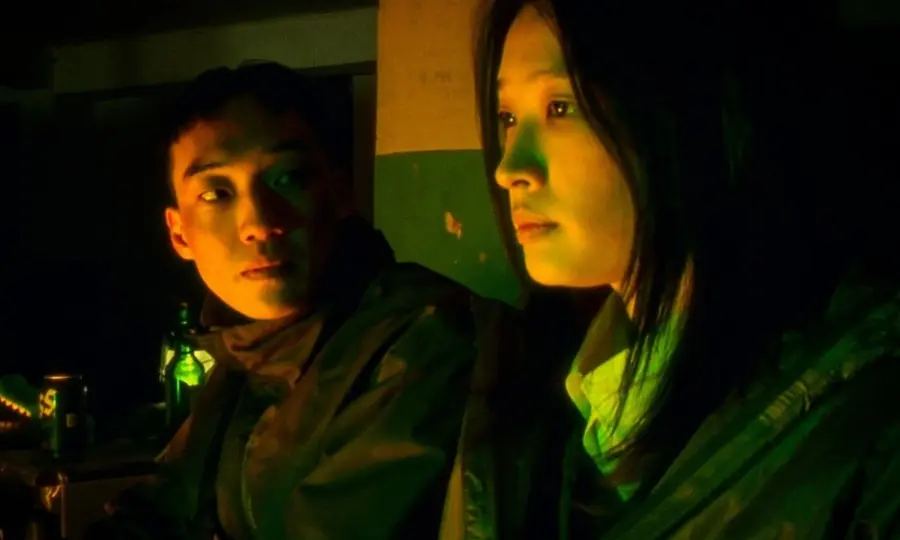
The film’s ending includes a note saying, “This film is based on a real incident.” Could you first tell us what led you to develop the story and then the real-incident story itself?
Han Chang-rok I was watching crime news when I came across an incident that happened in Washington, Benton in 2018. The movie and that incident are a bit similar in terms of the big motive. In a rural village, a boy and a girl lived there, and when a transfer student arrived, the girl’s life got ruined. It was about the boy wearing a red mask and trying to get revenge. He planned that as a birthday present for the girl. In reality, the incident ended as an attempted crime. I saw the image of a boy in a red mask on the CCTV footage, and that image stuck with me so powerfully that I wanted to develop it into a screenplay.
When you look at the story, it doesn’t stray very far from the lineage of past youth films. In the late 1990s, you blended in the analog MTV sensibility to strengthen that feeling.
Han Chang-rok Actually, back then it had already become quite popular among teenagers and young people to embrace Y2K retro culture around 2000. I thought about why that culture caught on, and it felt like the sensibilities of the two eras were similar. You could say it was the sensibility of a chaotic time. In the late 1990s, there was also doomsday talk, and things like violent street gangs and “Bond” were widely discussed in society. There were lots of experiments as the moment shifted from analog to digital, and I thought those things felt similar to the present era as well. At the time, Korea was in the IMF period, and even now, after passing through a low-growth era, it’s hard for younger generations to dream about the future. So I thought the ways they were venting their own energy were similar—and I wanted to shoot it in that style.
There are plenty of works that it brings to mind. 〈Beat〉 〈The Cruel Story of Boys and Girls from Majeokgeori Street〉—those kind of youth films naturally came to mind.
Han Chang-rok I think it follows a very typical plot for high school teen movies. There’s a boy and a girl who have known each other for a long time, and then new characters appear, breaking the relationships and forming love triangles. Those stories feel like classic, old stories. When I encountered the real incident, I felt that a similarly typical teen-movie plot unfolded in a much darker version—and I found that interesting.
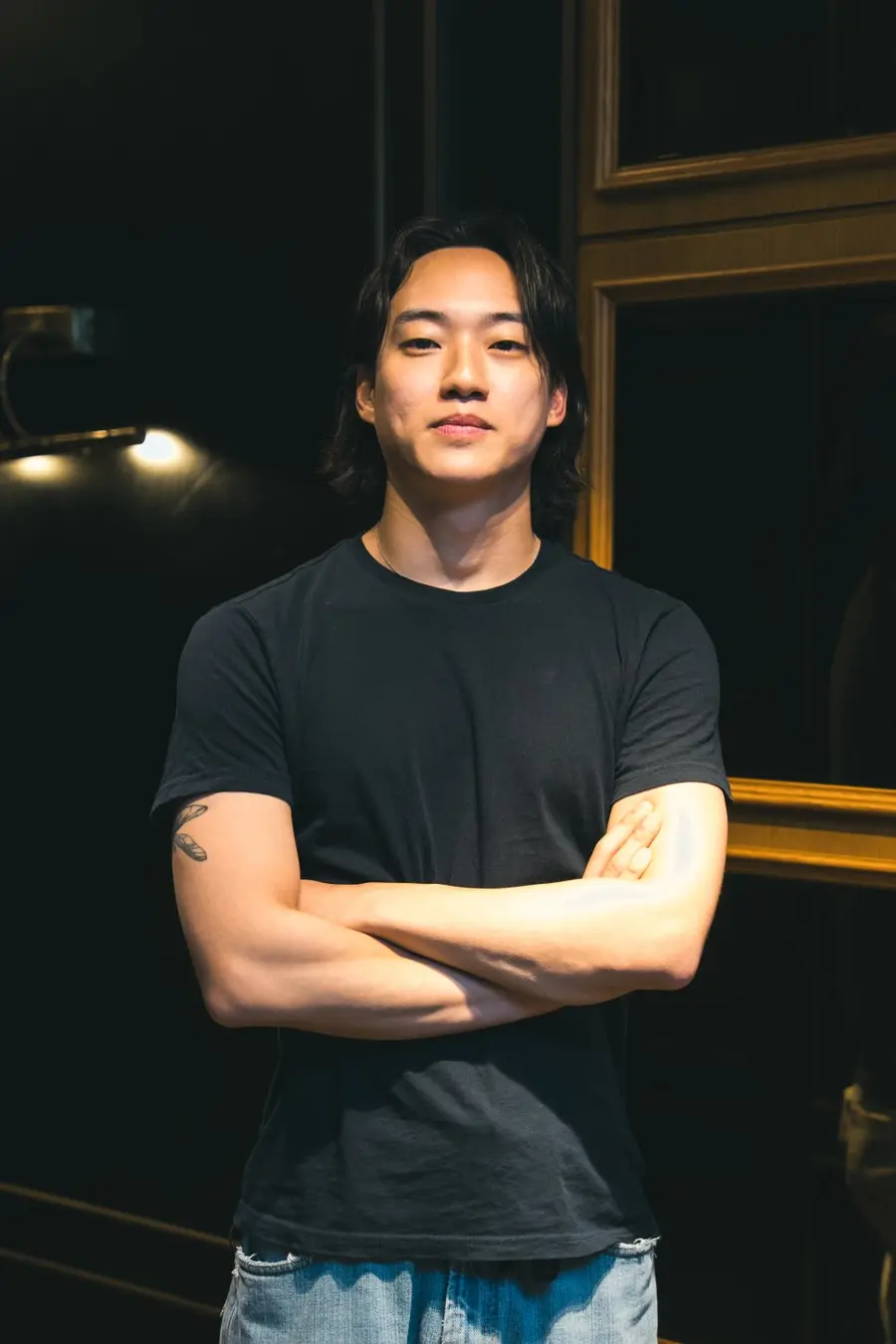
At once a powerful debut and the casting lineup is fresh. This is a film that features the discovery of new actors. Actor Joo Min-hyung is taking his first shot at a leading role.
Joo Min-hyung Since I got to play the lead in my first feature, I ended up thinking a lot, and I was incredibly nervous. I met the director and got very nervous, and I felt that even that side of me should be shown honestly. There were also worries. I have tattoos, so I was concerned; near the end of the meeting, I said, “Director, to be honest, I have tattoos. Would that be okay?” Then the director told me, “That’s great. Try it again next time,” and that put me at ease.
Baek Ji-hye, who plays Jisook, also delivers a striking performance. She breaks the mold of the female character in previous youth films, who is typically portrayed either as a victim or someone who needs protection. She forms one axis within the triangle of the three-person relationship, combining courage and “dunbo”—and at the same time, she’s also a teenage girl suffering from affection deprivation and anxiety. How did you come to understand Jisook as a character?
Baek Ji-hye I didn’t think of Jisook as someone who was hungry in her stomach; I thought of her as someone who was starving emotionally. That condition shows up in the form of anorexia. She thinks, “The reason I’m not loved is because I keep falling short. Because I’m not perfect.” So she tries even harder, and she does her best to stand out in some way. If she can’t get attention in real life, she wants it online, even if it’s only there.
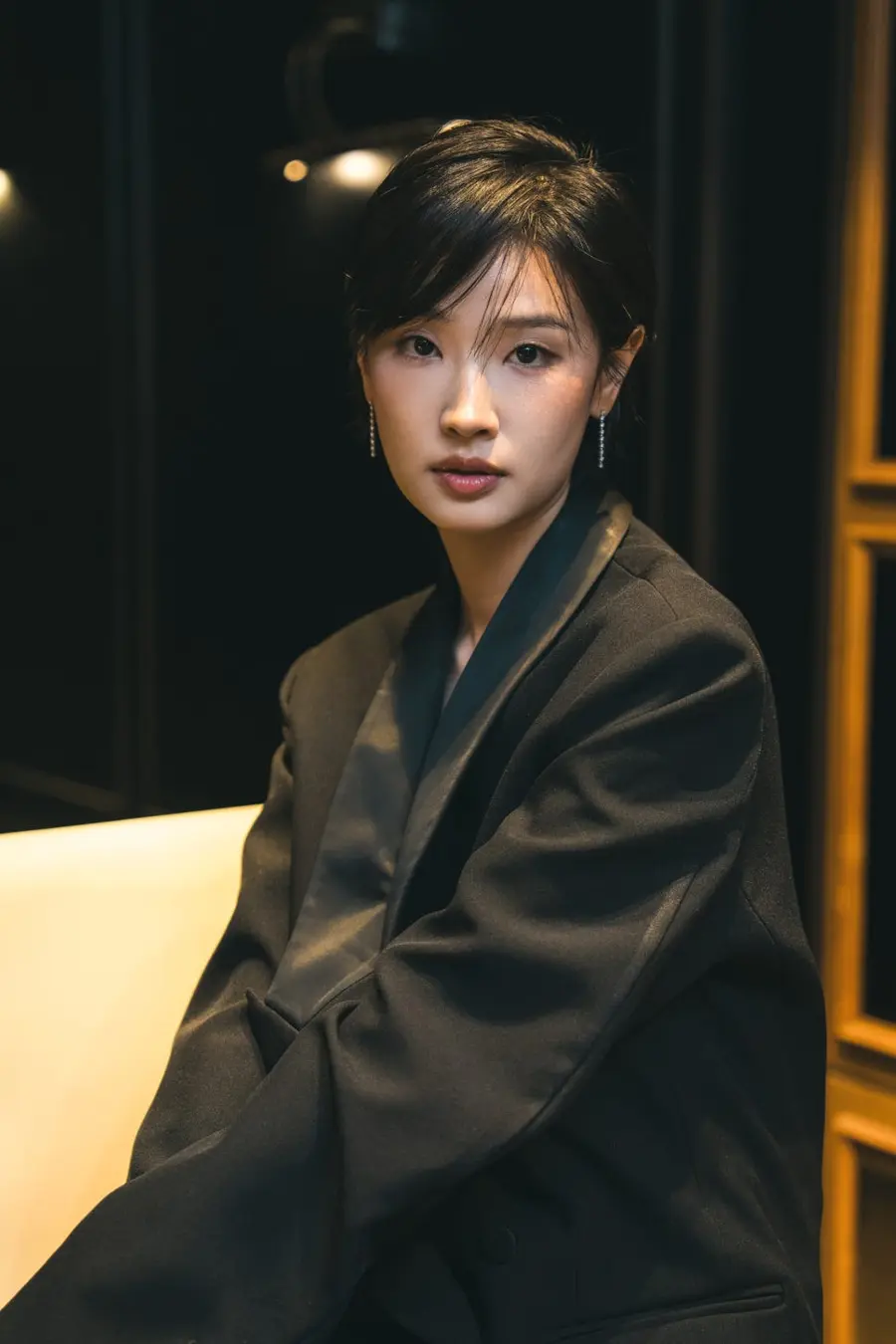
There were also big external challenges to portray anorexia.
Baek Ji-hye I studied by looking into books and papers about anorexia. I also remember losing weight in a short period of time while working as a model. This time too, I lost weight. And I didn’t really go out and socialize with people much. I’m naturally quite cheerful, and even if I say a little, I can get a reaction right away—so I thought that might make Jisook disappear. I kept feeling lonelyness and poverty by myself, and the emptiness in my heart—so when filming, I was alone most of the time, and I didn’t talk much.
▶ The interview with Director Han Chang-rok and Actors Joo Min-hyung and Baek Ji-hye for 〈Choong-Choong-Choong〉 continues in Part 2.


댓글 (0)
댓글 작성
댓글을 작성하려면 로그인이 필요합니다.
로그인하기