


The cultural landscape sometimes triggers a massive tectonic shift along the trajectory of a single artist. Beyond a mere large-scale concert, an astonishing social phenomenon was witnessed in Busan: the entire city—like a vast living organism—transforms into a single artistic text.
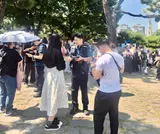
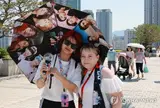
![Ami wave heading to the BTS Busan concert venue 2026.6.14 [provided by the Busan Metropolitan Police Agency. No republication or DB rights]](https://cdn.www.cineplay.co.kr/w900/q75/article-images/2026-06-17/42c179e3-b500-4947-a776-3bac3db7a282.jpg)
A Violet Pilgrimage Route, Reordering the City’s Pulse
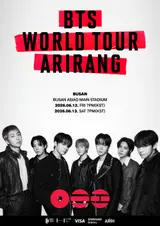
Held over two days at the Busan Asiad Main Stadium, 'BTS World Tour Ariang IN Busan' goes beyond the category of a simple music concert. It is a 'modern pilgrimage' where a global fandom comes together, and a 'mega event' in which large crowds that cross borders take the lead in shaping the city’s flow. The crowds outside the venue—drawn to breathe the air of the scene even without tickets and with a staggering 110,000 attendees—elevated Busan overnight into a globally recognized 'K-pop holy site'.
The city’s 'systemic embrace' that handled this enormous crowd is a particularly noteworthy subject for humanistic observation. An organic deployment of safety management personnel totaling 4,790 people, along with an audacious administrative move—an additional 220 subway trips and 48 light-rail trips—wove the density that could have easily spiraled into disorder into a tapestry of perfect order. The result of zero (0) major safety incidents proves the overwhelming synergy that emerges when 'mature fandom culture' and 'highly advanced administrative capability' combine.
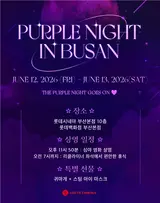
The concert’s ripple spread beyond the physical boundary of the stadium, turning the entire city into a 'venue for celebration'. Tens of thousands gathered at the Love Song Lounge on Gunam-ro in Haeundae, the Port Village at Busan Port’s Pier 1, and the drone lighting show at Gwangalli Beach. There, they enjoyed a 'sense of cultural solidarity' that transcends language and race. The phenomenon was immediately translated into 'economic spillover effects'. The average daily sales of souvenir shops jumped 136% compared with the previous year, and the welcome center bustled with activity—showing, as a living textbook, how intangible 'cultural capital' drives explosive growth in the real economy.
The most lingering takeaway is 'social solidarity', which emerged in the face of a short-term lodging crunch. The opening of temple-stay programs by the religious community and the citizens’ voluntary home-stay offers hint at the 'philosophy of hospitality (Philosophy of Hospitality)' that helps fill gaps in the blind spots of capitalist transactions. In the future, the Busan city government plans to precisely measure the ripple effects of this 'violet syndrome' by integrating big data from communications and credit-card sales. This will be a significant undertaking that sets a new milestone—not just for post-event analysis, but for what future 'cultural cities' should pursue.
![[First Reaction] ‘Family Trip’ Cineplay Reporter Star Rating](https://cdn.www.cineplay.co.kr/w300/q75/article-images/2026-09-16/084269eb-f40e-4e00-a301-dfb9b6caf8e7.jpg)
![[Culture&] 260,000 ARMYs Gather... The Industry Drenched in Purple for BTS Gwanghwamun Concert](https://cdn.www.cineplay.co.kr/w160/q75/article-images/2026-03-16/fce14327-726b-48eb-a2d4-104dfca0a691.jpg)
댓글 (0)
댓글 작성
댓글을 작성하려면 로그인이 필요합니다.
로그인하기