


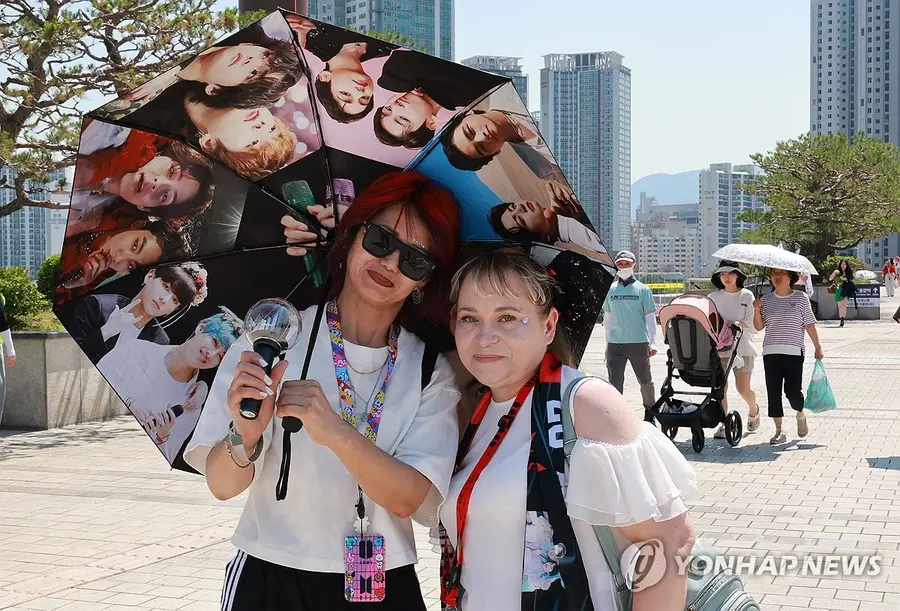
A pilgrimage for pop culture—and a find of the most ‘Korean’ kind of spending
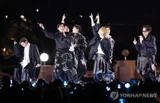
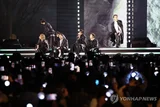
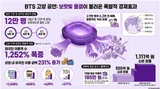
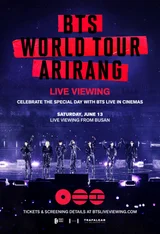
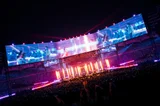
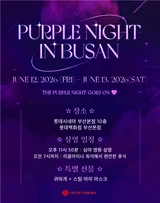
‘Bangtan Sonyeondan’’s arrival in Busan sparked sociological meaning far beyond a massive concert. The fan frenzy that gathered from around the world—the so-called ‘ARMY’—was a giant testbed showing how modern pop culture can swiftly reshape a region’s economic ecosystem. The consumption data for foreign tourists compiled by BC Card, based on 54,700 people, points to intriguing cultural signals. What draws our attention more than the payment amounts that surged 73.3% from the same period the previous year is the ‘texture of space’ that opens their wallets.
While department stores and big-box retailers saw payment growth of just 3.1%, ‘traditional markets’ recorded an astonishing 99.8% spike in payment amounts. That suggests a cultural thirst among today’s nomadic consumers, who crave ‘locality’ in its raw form rather than packaged goods of coded global capitalism. For them, Busan’s market streets were not merely places to transact, but ‘living museums’ where they could experience the cultural roots of the artists they revere. The explosive activation of commercial districts near the Asiad Main Stadium—Dongnae-gu (up 142.3%) and Sasang-gu (up 782.6%)—also vividly shows the dynamism of the ‘microeconomic lifeblood’ created by fandom.
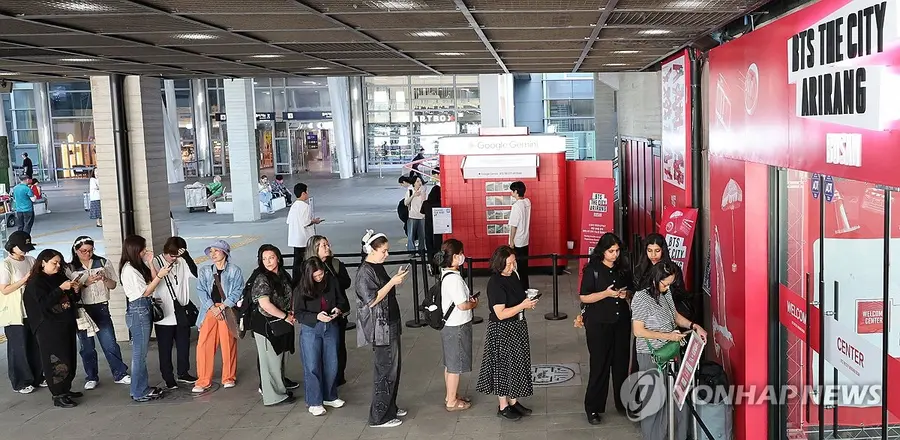
The greed of capital lurking behind the hospitality—and a bitter self-portrait
But when the light is strong, the shadows run deep, too. Behind the festival atmosphere created by a global mega event, the rough edges of crass capitalism were laid bare. The ‘lodging industry’ data, which ranked No. 1 in payment growth rate, lays bare a shameful aspect of society in numbers. Payment orders rose 54.5%, but the payment amount exploded by a distorted 227.8%.
This is clear evidence that the reality of ‘rip-off fees’—beyond the natural market logic of supply and demand—was proven through data. The 133 cases of unilateral booking cancellations and excessive penalty-fee demands filed with the Korea Tourism Organization also back up how fragile the ‘tourism infrastructure’ of South Korea—one that brands itself a global cultural powerhouse—stands on weak moral footing. Exploiting the pure enthusiasm of outsiders who came through culture as thinly veiled business tactics ultimately amounts to self-harm that erodes a huge intangible asset called the ‘national brand.’ At a time when mature ‘civic consciousness’ and self-correcting efforts by the local community that match the dazzling achievements of pop culture are more urgently needed than ever.

![[Culture&] 260,000 ARMYs Gather... The Industry Drenched in Purple for BTS Gwanghwamun Concert](https://cdn.www.cineplay.co.kr/w160/q85/article-images/2026-03-16/fce14327-726b-48eb-a2d4-104dfca0a691.jpg)
댓글 (0)
댓글 작성
댓글을 작성하려면 로그인이 필요합니다.
로그인하기