


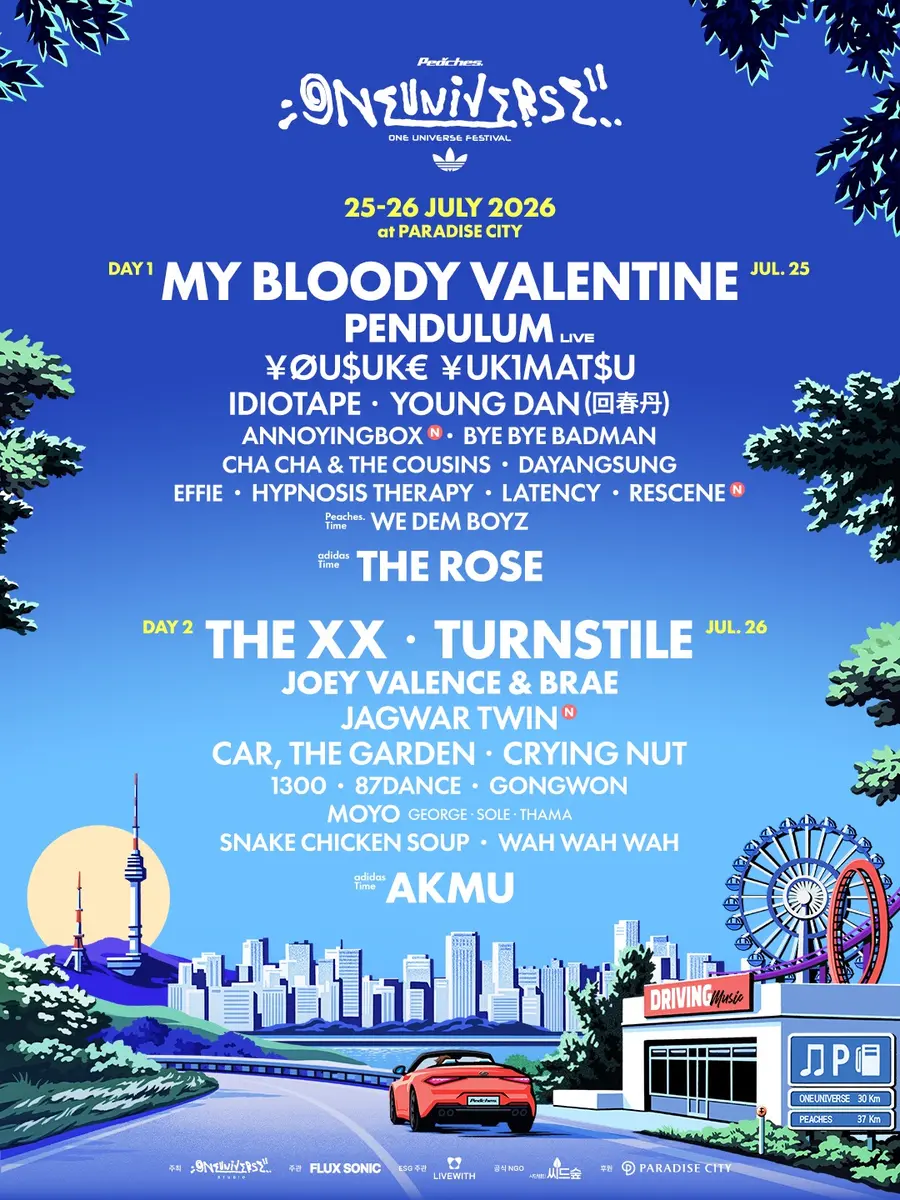
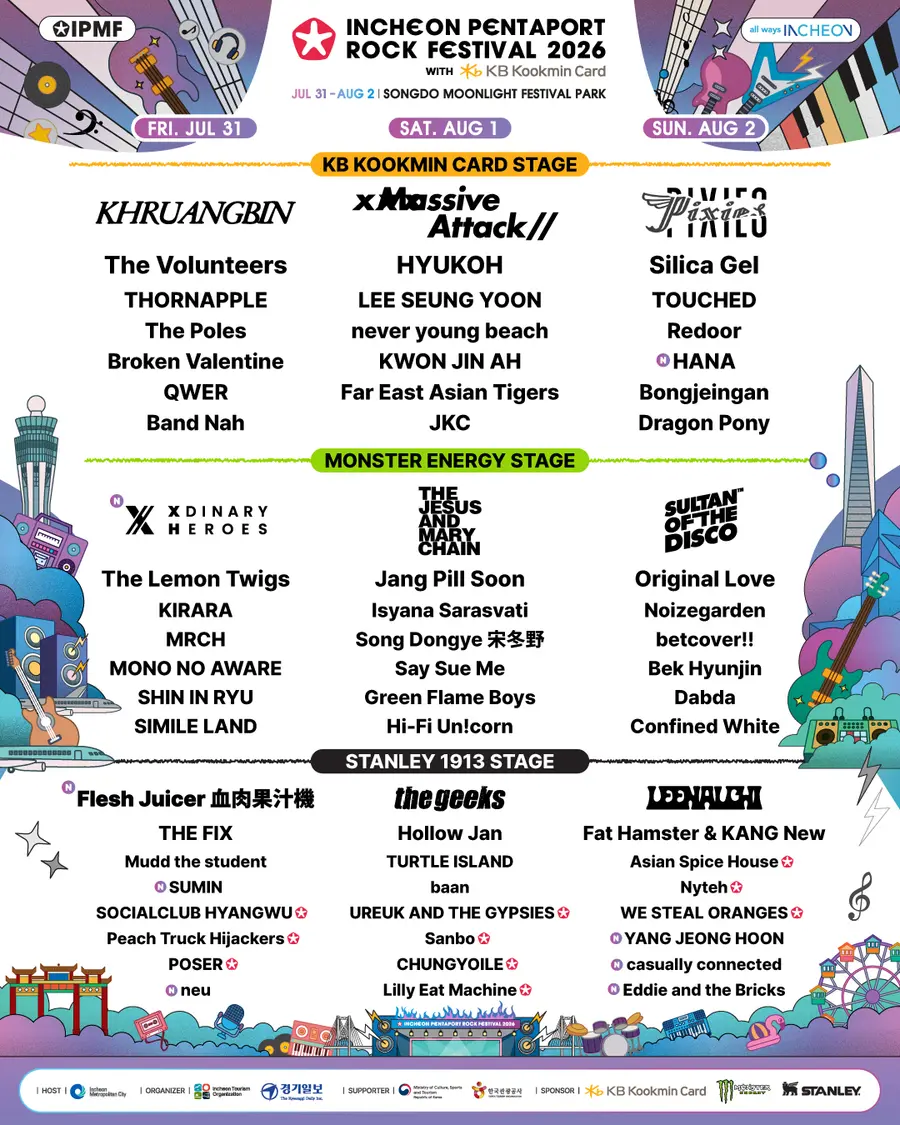
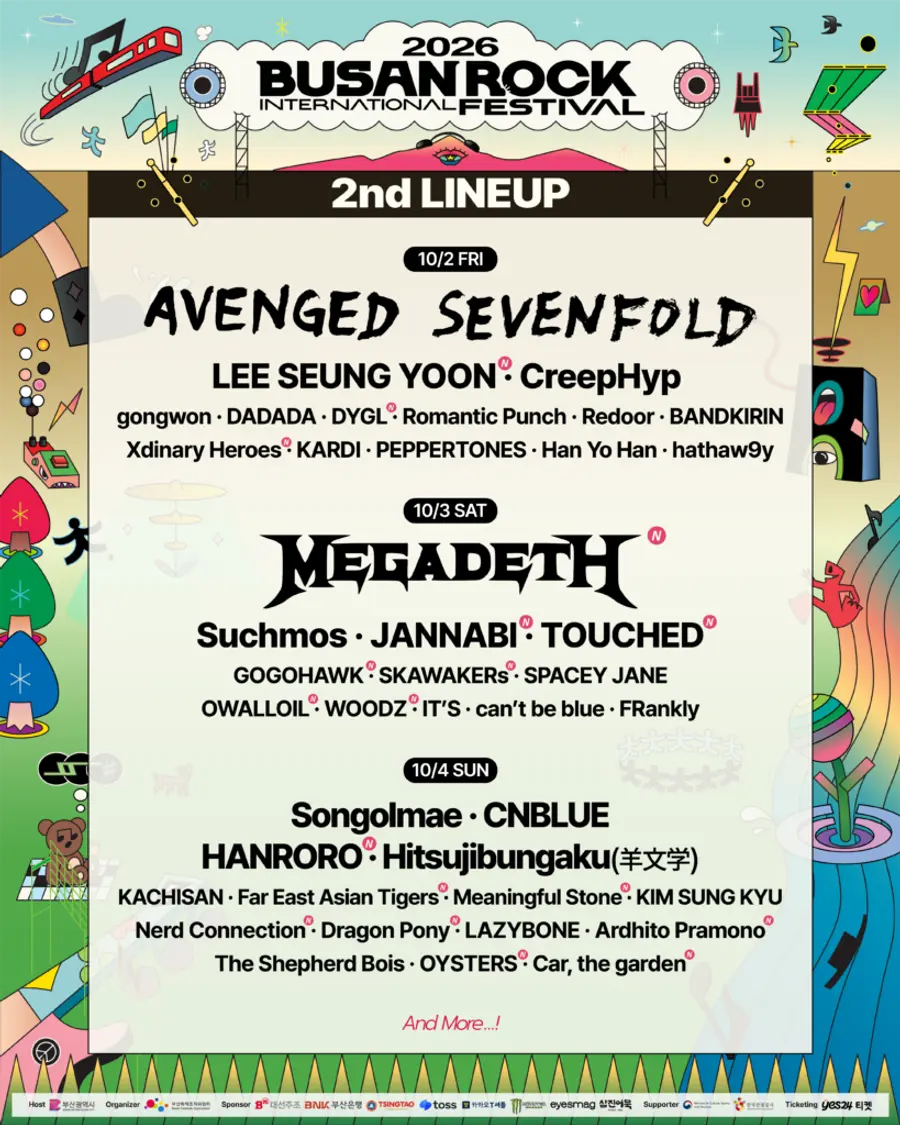
With hip-hop cooling and rock back in vogue in 2026, rock festivals are springing up across the country. Going to a rock festival in Korea means seeing international artists you rarely encounter live. Here are films that feature songs by international bands set to visit Korea for the upcoming One Universe Festival, Incheon Pentaport Rock Festival and Busan International Rock Festival.

"Soon"
〈Nadja〉
Nadja, 1994
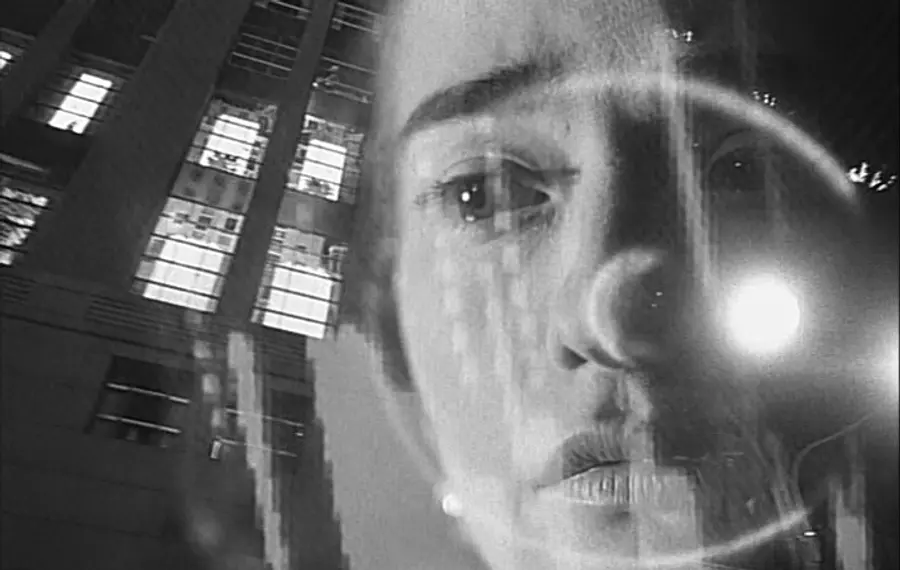
Michael Almereyda remains relatively unfamiliar to Korean audiences despite releases like 〈Marjorie Prime〉 (2017) and 〈Tesla〉 (2020). The strange vampire film 〈Nadja〉 (1994) — often recalled because David Lynch fully financed it — opens with My Bloody Valentine's "Soon." After Simon Fisher-Turner's score and the opening credits, Nadja (Elina Löwensohn)'s face dissolves into New York's night skyline as she murmurs, "Nights... sleepless nights. Nights when the brain lights up like a vast city," and the guitar noise of "Soon" erupts. Although My Bloody Valentine's masterpiece 〈Loveless〉 came out in 1991, the band's music first appeared onscreen in Hal Hartley's 1994 film 〈Amateur〉 — which also featured Elina Löwensohn and Martin Donovan — the same year Almereyda's 〈Nadja〉 was released.
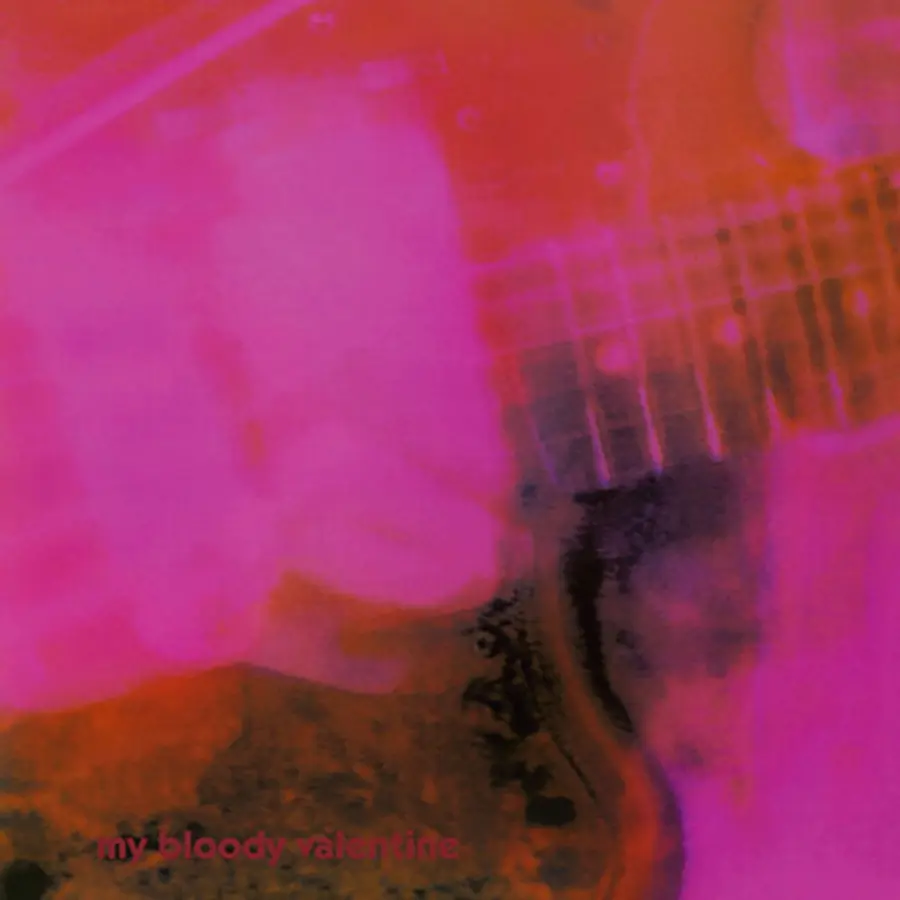
"Sometimes"
〈Lost in Translation〉
Lost in Translation, 2004
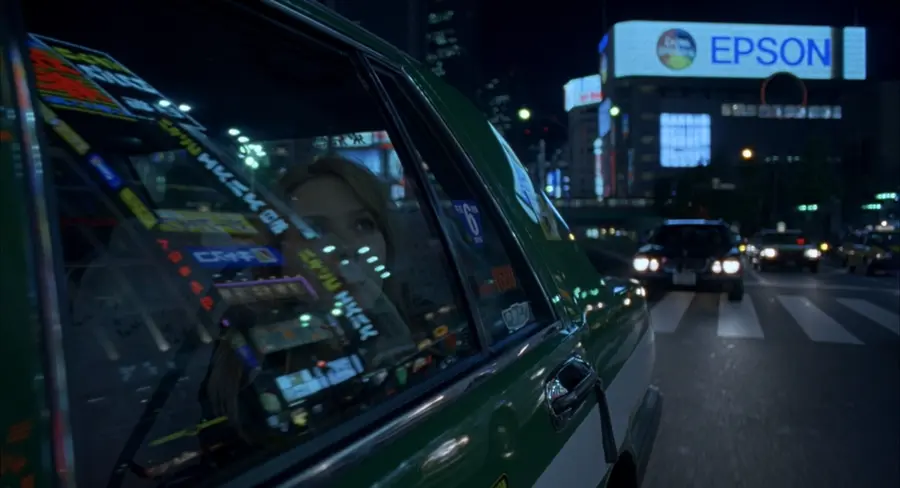
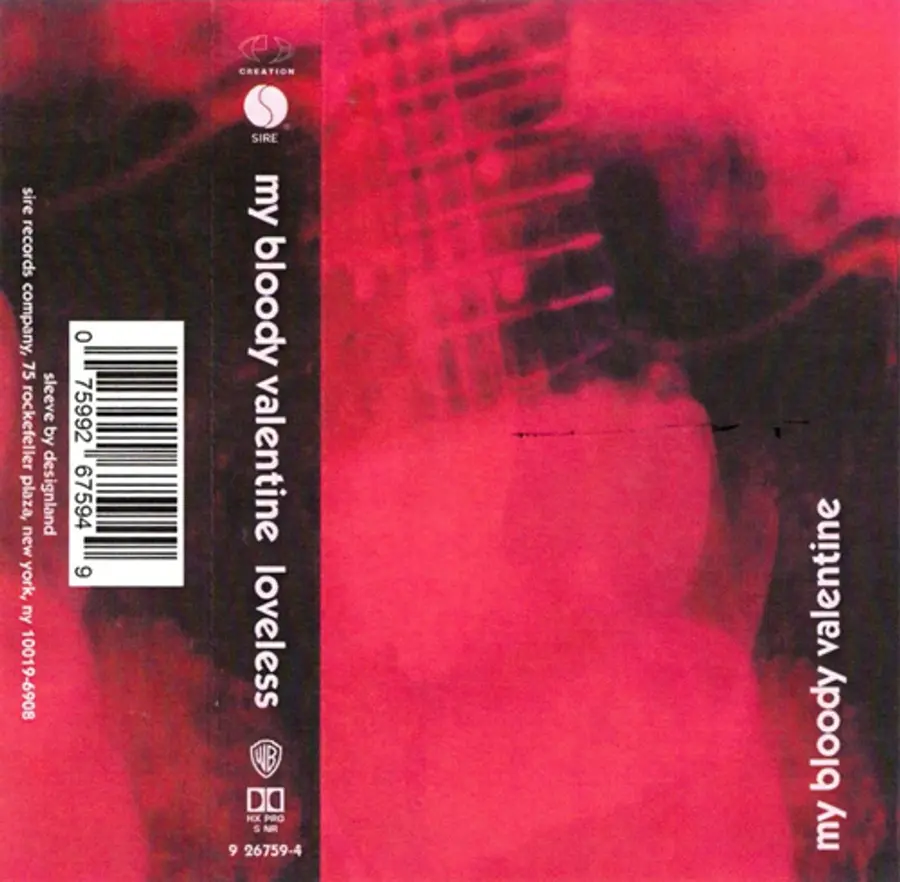
After hiring the French band Air to score her debut, 〈The Virgin Suicides〉 (1999), Sofia Coppola brought Kevin Shields, guitarist of My Bloody Valentine, on board as music director for 〈Lost in Translation〉. Calling him "music director" might overstate it—Shields created only three new tracks for the film, "City Girl," "Ikebana" and "Are You Awake?"—but his presence helped define the movie's musical identity. One older My Bloody Valentine track also appears: as Bob (Bill Murray) and Charlotte (Scarlett Johansson) leave a karaoke night and ride a taxi back to the hotel, "Sometimes," another song from 〈Loveless〉, plays. The snarling guitar over a gentle melody seems to metaphorically echo the slow-growing erotic tension between Charlotte and Bob that night.

"Together"
〈The Great Gatsby〉
The Great Gatsby, 2013
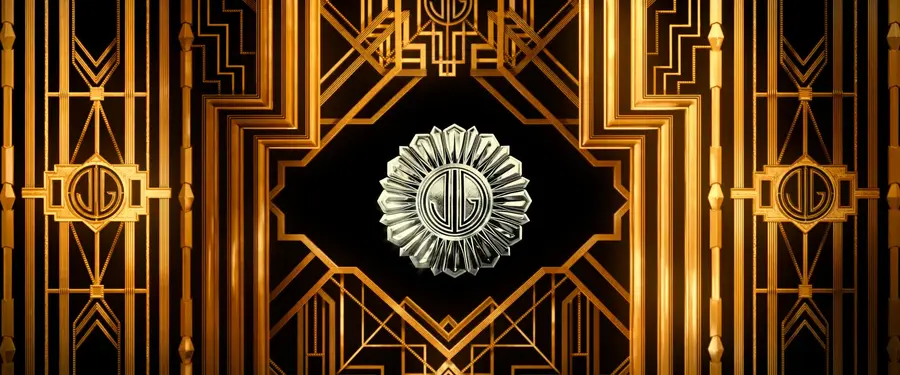
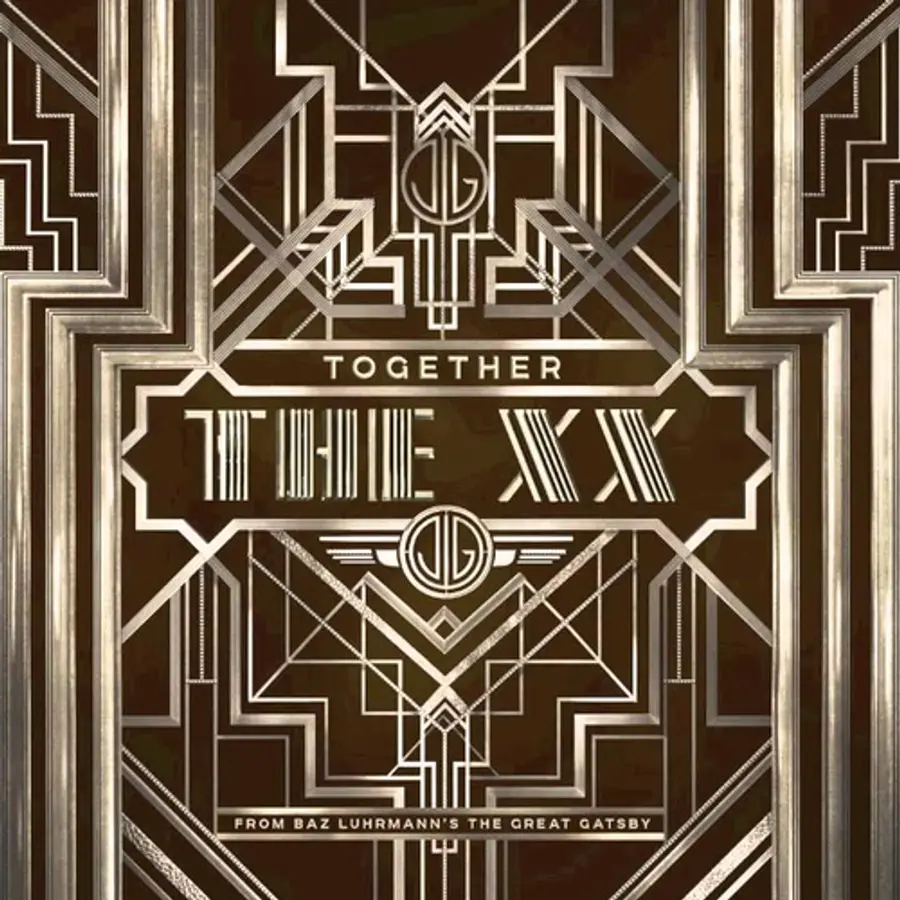
The xx emerged in 2009 and became one of the year's biggest sensations. Their debut, 〈xx〉 (released at the tail end of summer 2009), propelled Oliver Sim and Romy Madley Croft's hushed vocals and Jamie xx's beats into the year's cultural conversation. Baz Luhrmann's adaptation of F. Scott Fitzgerald's famed novel filled the soundtrack with pop stars creating original songs for the film's world: Beyoncé, Jay-Z, Lana Del Rey, Bryan Ferry and Sia, among others. Amid that opulent lineup, The xx claimed the film's end-credit slot. "Together," with the band's dry sensibility wrapped in strings, provided a finale that matched the film's long arc of glamour that ultimately ends in emptiness.
"Stars"
〈Charlie Countryman〉
Charlie Countryman, 2013
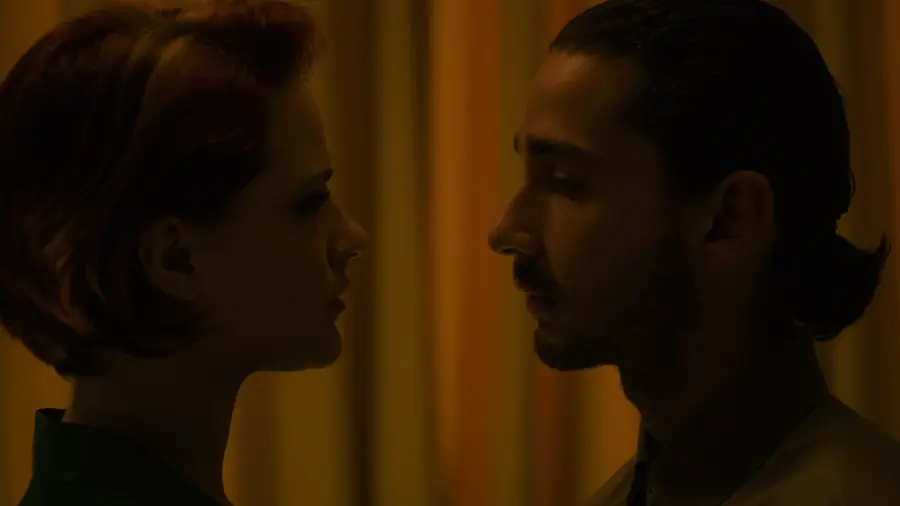
Another 2013 release, 〈Charlie Countryman〉, also benefited greatly from The xx's music. It opened the same year the band first visited Korea for the Ansan Valley Rock Festival. In a scene where Charlie (Shia LaBeouf) and Gabi (Evan Rachel Wood) talk in the same room and grow closer, the closing track from The xx's debut album, "Stars," intensifies the charged atmosphere. Lines like, "Even if the stars don't shine / Even if they don't sparkle at our first moment / Darling, I'm fine, I'm really fine / We have time / We have so much time to be together," linger in the mind and deepen the scene's impact.


"Angel"
〈Snatch〉
Snatch, 2000
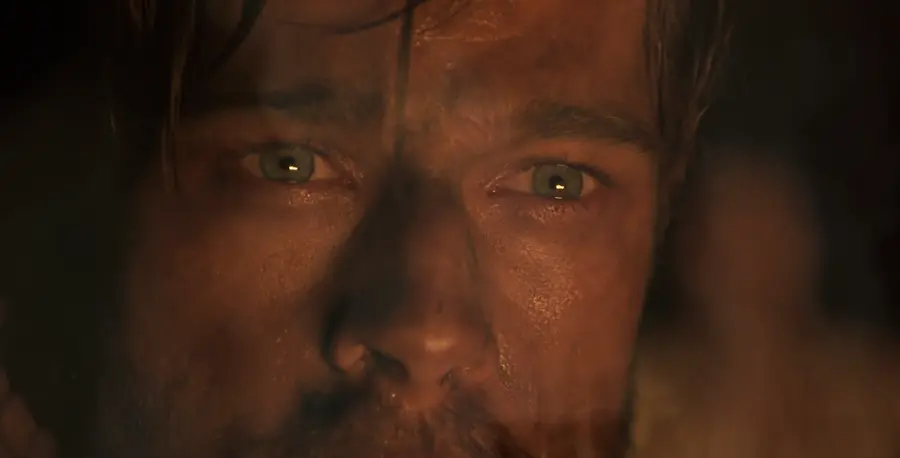
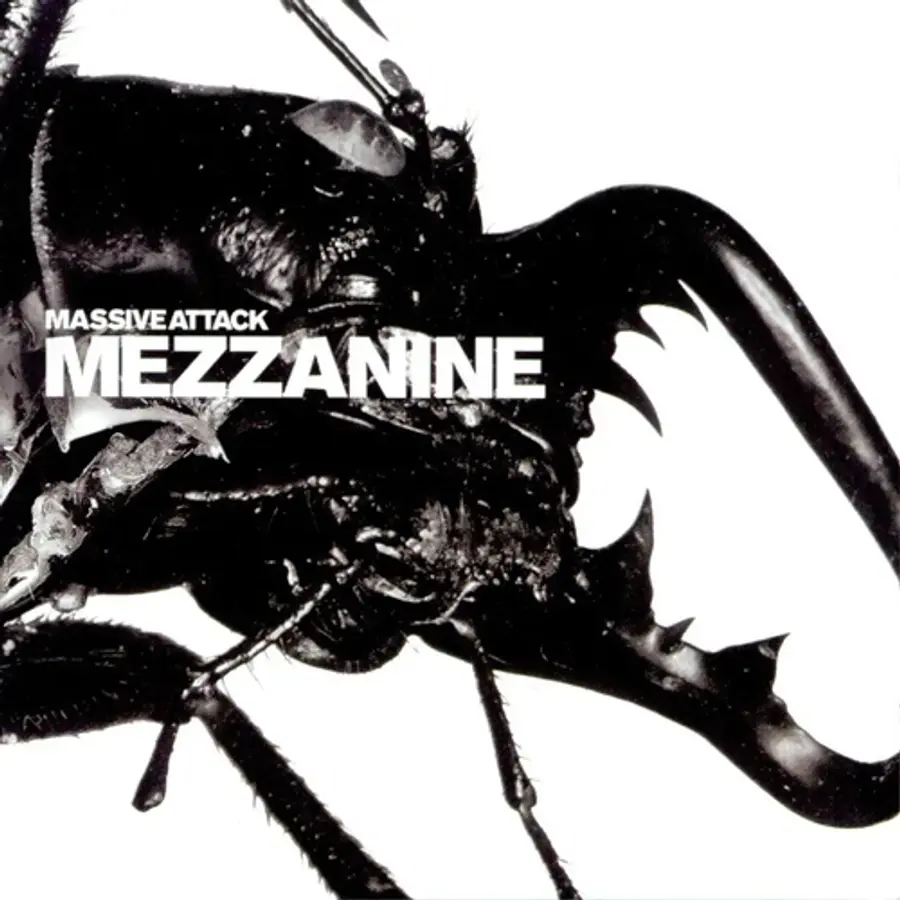
The opening track "Angel" from Massive Attack's third album 〈Mezzanine〉 has been used in more films than any of the group's songs. Its stark, minimal beginning builds with the silky voice of legendary reggae singer Horace Andy into a swelling, explosive climax. That dramatic arc served Darren Aronofsky's 〈Pi〉 (1998), Doug Liman's 〈Go〉 (1999) and the TV series 〈Smallville〉, among others. But its most striking placement might be Guy Ritchie's 〈Snatch〉 (2000). During a dispute over the trailer lot where Mickey (Brad Pitt)'s mother lived, Mickey watches as the trailer is set on fire and his mother dies; "Angel" plays and instantly injects an unexpected, heavy emotion into an otherwise light-toned film. After witnessing that, Mickey takes part in a brutal match.
MUSIC BY MASSIVE ATTACK
〈Danny the Dog〉
Danny the Dog, 2005
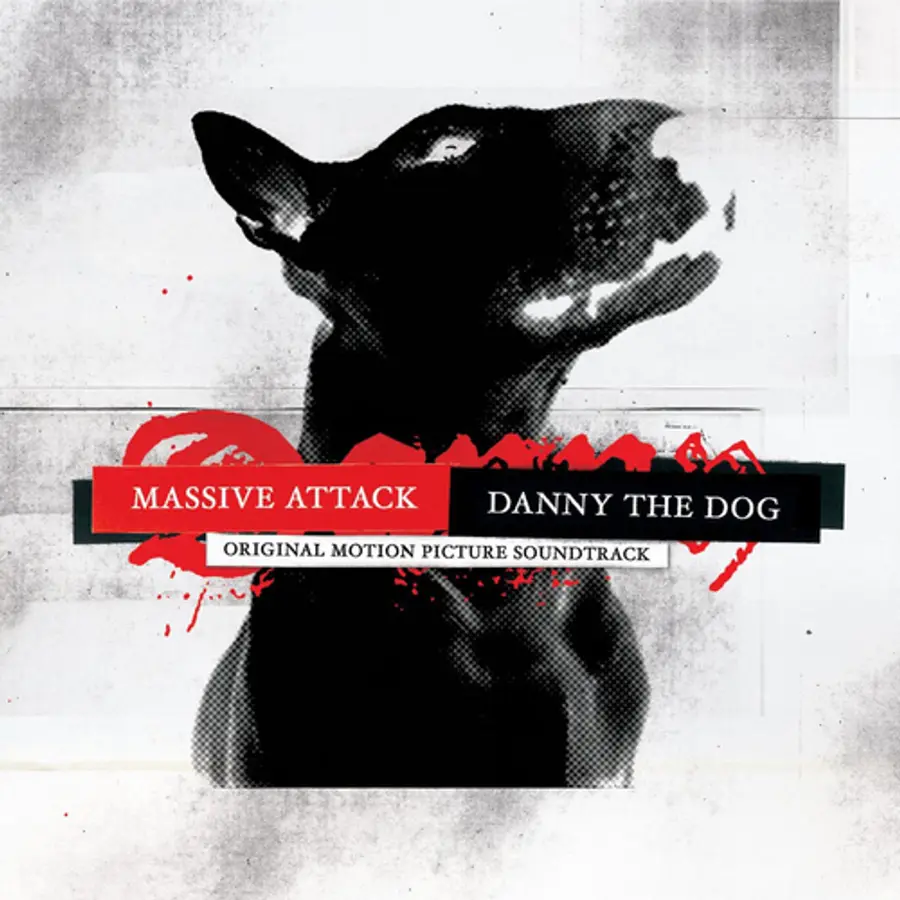
Produced by Luc Besson and starring martial-arts star Jet Li, 〈Danny the Dog〉 featured Massive Attack overseeing the film's music — specifically led by member Robert Del Naja (3D). After Luc Besson approached him, Del Naja teamed up again with Neil Davidge, who had collaborated on 〈Bullet Boy〉 (2004). After nearly four months of work they produced 21 original score pieces that richly underscored Jet Li's explosive action in 〈Danny the Dog〉. Jet Li had earlier established himself in Hollywood with 〈Romeo Must Die〉. An original soundtrack was also officially released.
"Where Is My Mind?"
〈Fight Club〉
Fight Club, 1999
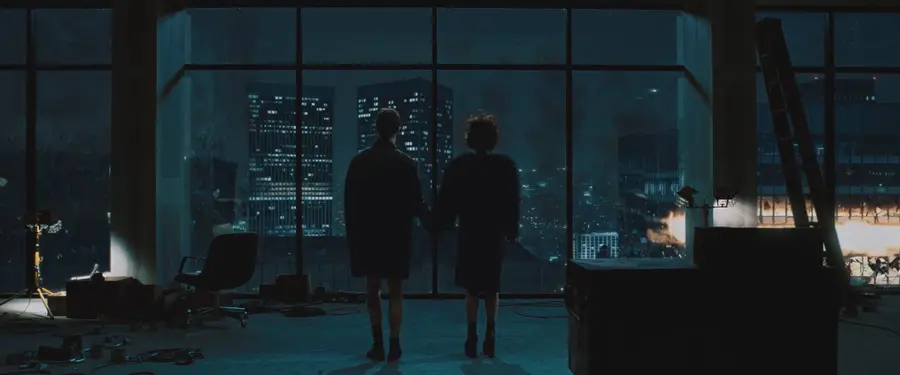
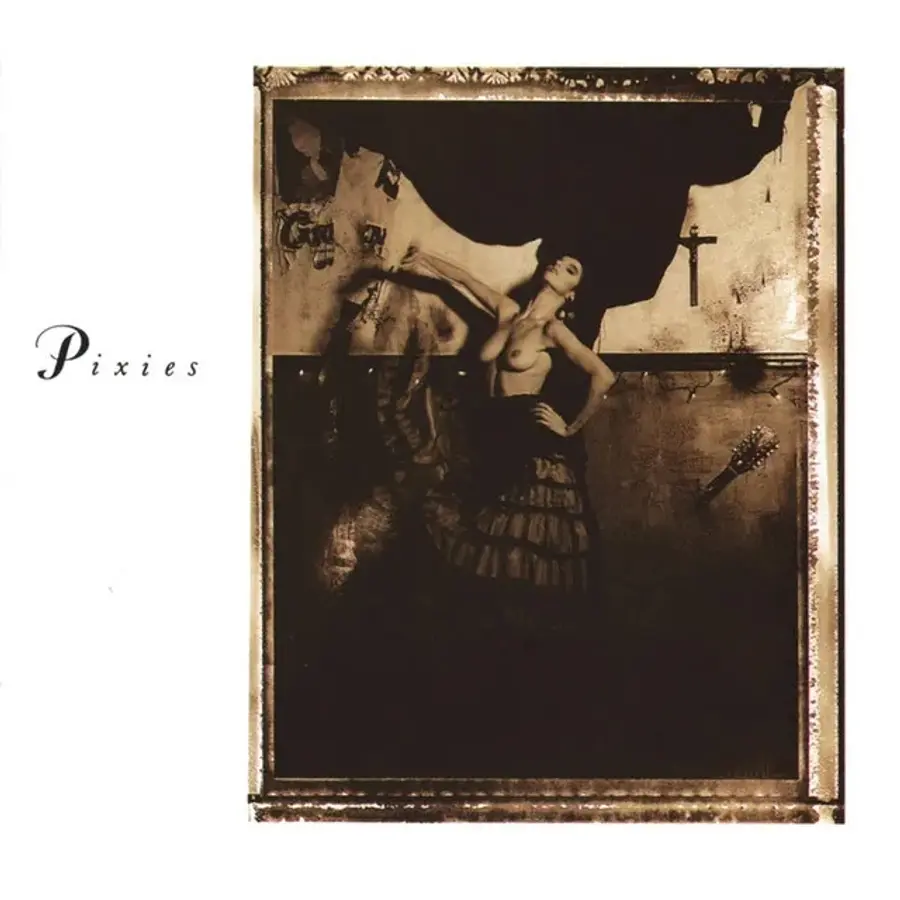
David Fincher originally wanted Radiohead to do the music for 〈Fight Club〉, but tour commitments made that impossible. The Dust Brothers—producers known for work with the Beastie Boys, Beck, Hanson and the Rolling Stones—became the film's music producers. While the Dust Brothers' breakbeat sound fills much of 〈Fight Club〉, Fincher decided the ending needed a completely different sonic texture and placed the Pixies' "Where Is My Mind?" there. The effect is so powerful that the film's closing collapse of buildings viewed by the Narrator (Edward Norton) and Marla (Helena Bonham Carter) is inseparable from the song. The Pixies' classic sits at the center of the album 〈Surfer Rosa〉, an album Kurt Cobain once listed among his favorites, and thanks to 〈Fight Club〉 the band maintained cultural vitality well into the 2000s.
"Wave of Mutilation (UK Surf)"
〈Mid90s〉
Mid90s, 2018
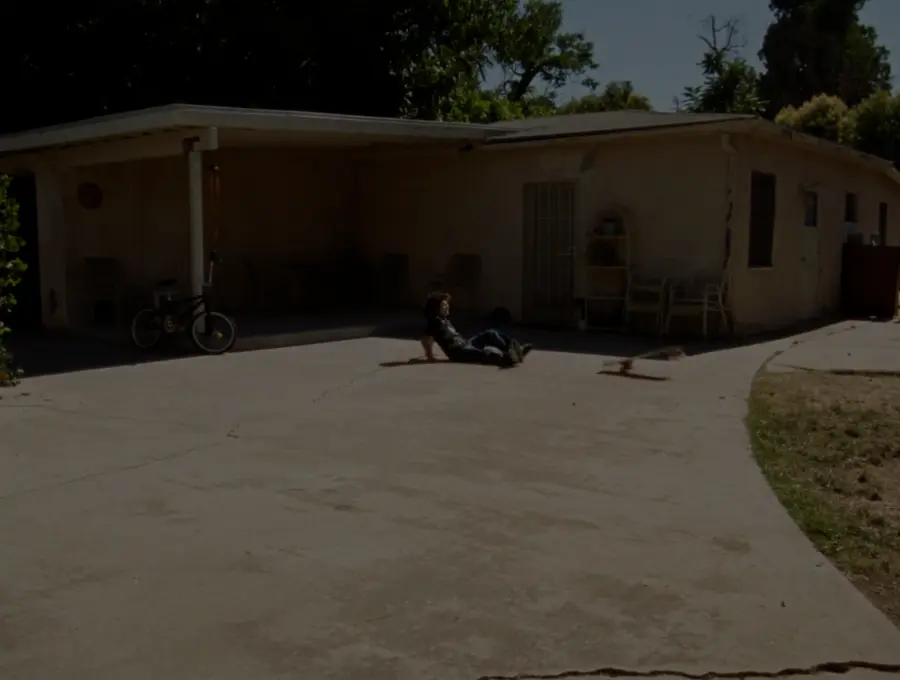
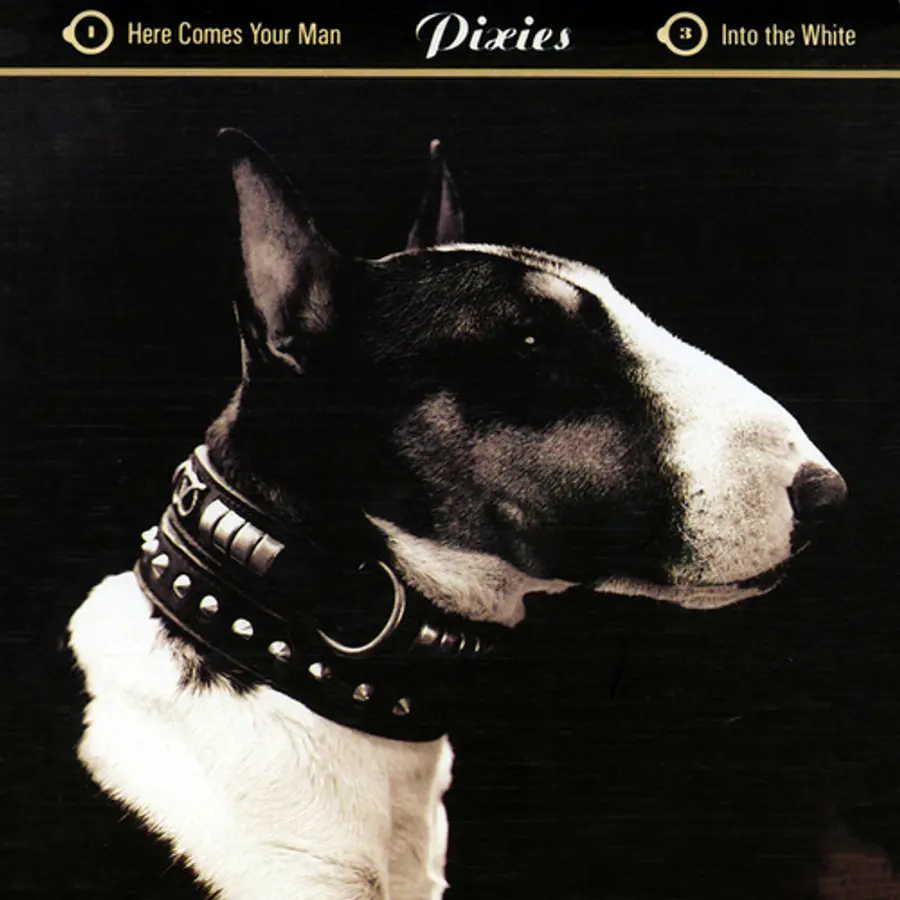
Jonah Hill's directorial debut, 〈Mid90s〉, draws heavily on 1990s hip-hop and rock, but it also includes exceptions. The scenes where Stevie (Sunny Suljic) discovers skateboarding's appeal use "Wave of Mutilation (UK Surf)." That version was created for an encore performance of "Wave of Mutilation" and originally appeared as the B-side to the June 1989 single "Here Comes Your Man." Choosing a slightly off-concept, earlier-era track signals Jonah Hill's deep affection for the song. Indeed, the film's quiet, dry overall tone makes Stevie's entry into a new world feel dreamlike, and that mood would not register the same without "Wave of Mutilation (UK Surf)."

"No More Mr. Nice Guy"
〈Shocker〉
Shocker, 1989
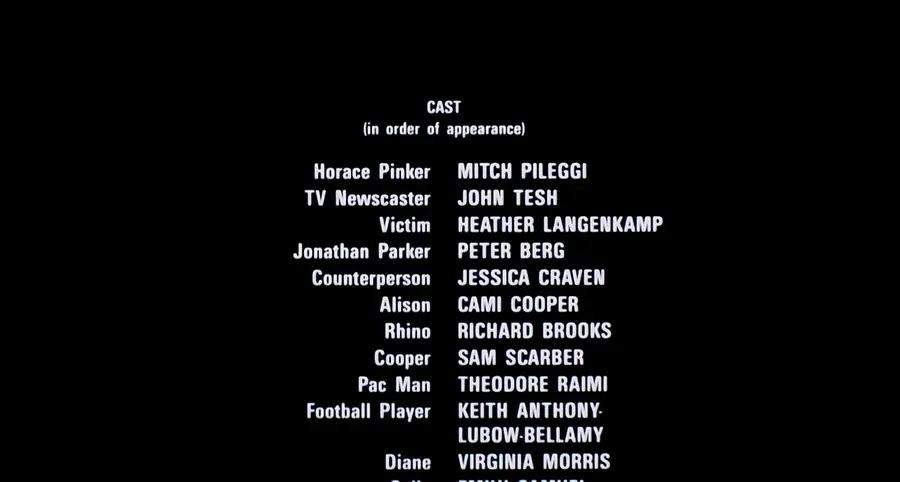
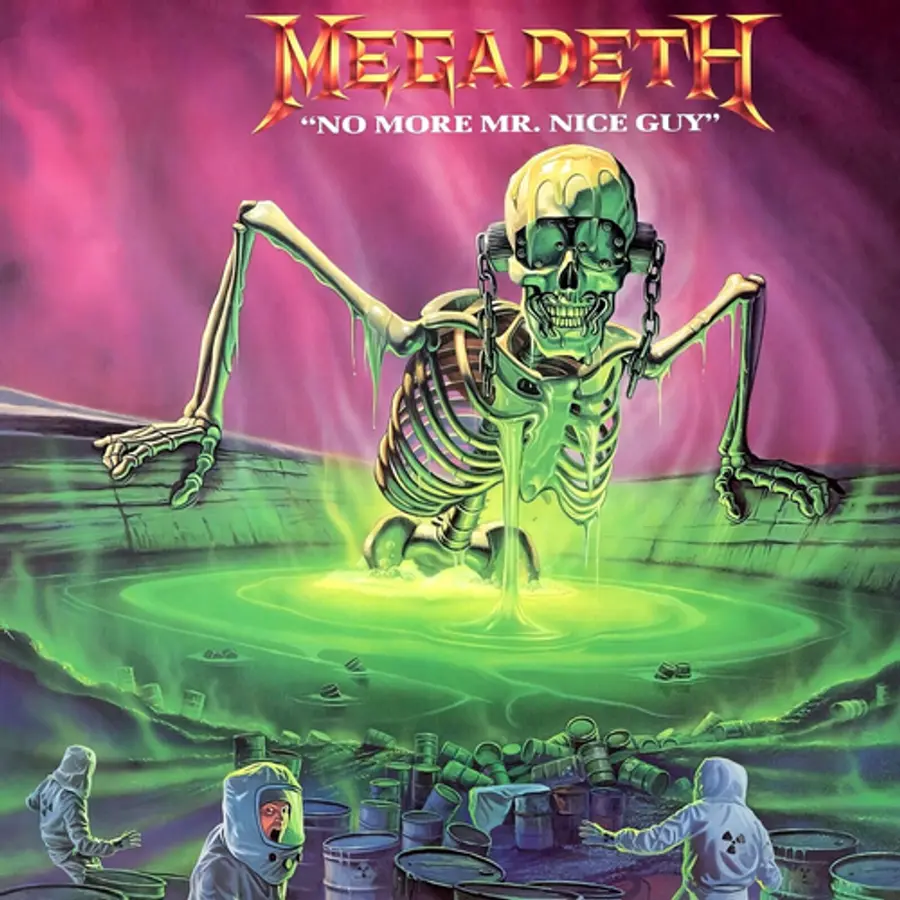
Perhaps because of metal's singular energy, metal tracks appear relatively rarely in films despite the genre's dominance in the early 1980s. Even for a flagship metal band like Megadeth, film placements are few compared with their reputation. In Wes Craven's 1989 film 〈Shocker〉, Megadeth's cover of Alice Cooper's classic "No More Mr. Nice Guy" plays over the end credits. It was not an original Megadeth composition but their cover of an early hard-rock standard; recorded by the trio of Dave Mustaine, David Ellefson and Nick Menza without then-guitarist Marty Friedman, it was the only track they recorded in that lineup. The song proved popular enough to be released as a single the following year.
"Angry Again"
〈Last Action Hero〉
Last Action Hero, 1993
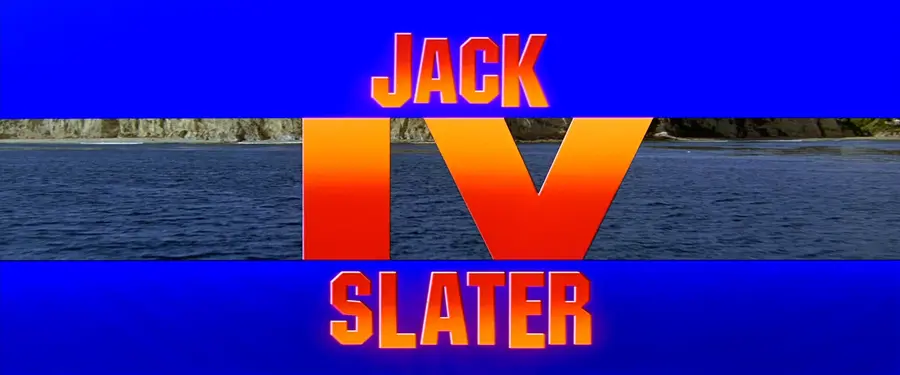
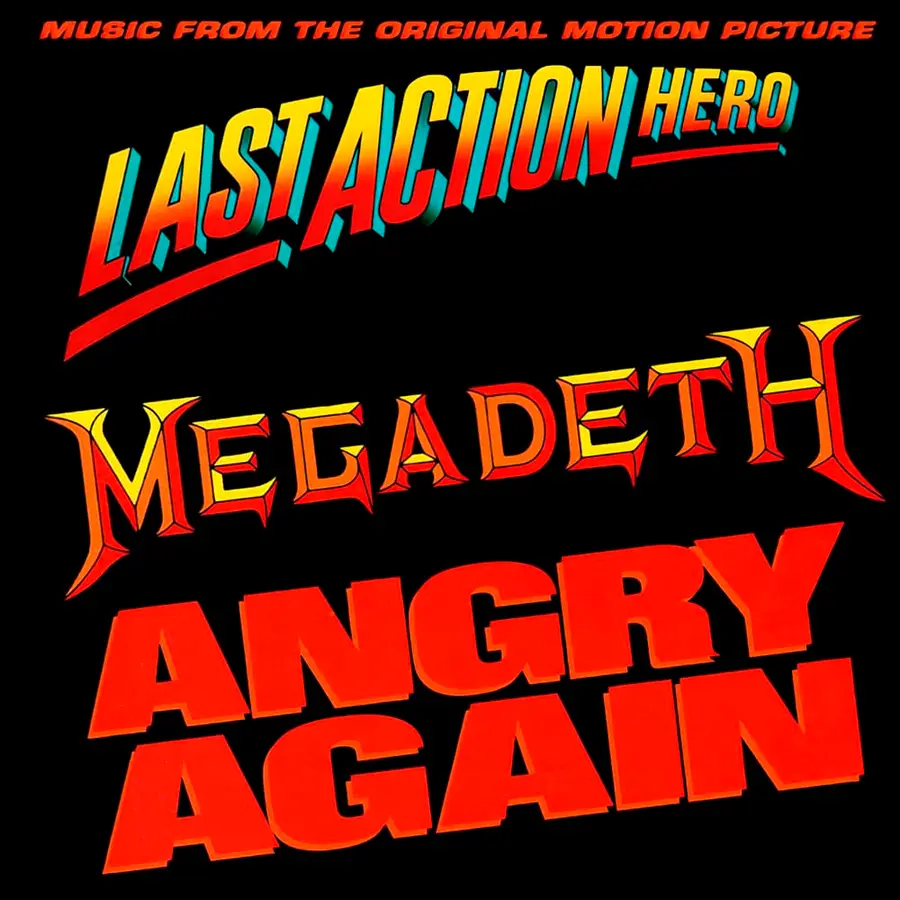
One of Arnold Schwarzenegger's signature action films from the 1980s and 1990s, when he dominated the genre, 〈Last Action Hero〉 has no opening credits. About 18 minutes in, Danny (Austin O'Brien) receives a preview ticket from a projectionist and falls into the film-within-the-film, "Jack Slater 4." Megadeth's "Angry Again" scores the opening credits of that in-film movie as bricks break and chaos erupts. Dave Mustaine wrote the song on the very day he left a drug rehabilitation center; he had been listening drowsily to The Clash's "Should I Stay or Should I Go" and the song's lines stayed with him, helping spark the lyrics for "Angry Again." Though John McTiernan had previously directed hits like 〈Predator〉 (1987) and 〈Die Hard〉 (1988), and the film paired McTiernan with Arnold Schwarzenegger, 〈Last Action Hero〉 flopped at the box office. The soundtrack was hugely successful, and "Angry Again" was nominated in the Grammy Awards' Best Metal Performance category.
![[First Reactions from the Press Screening] Cineplay Reporter’s Rating for 'Clayface'](https://cdn.www.cineplay.co.kr/w300/q75/article-images/2026-10-19/154f800e-4972-423a-9991-5e75760ad046.jpg)



댓글 (0)
댓글 작성
댓글을 작성하려면 로그인이 필요합니다.
로그인하기