



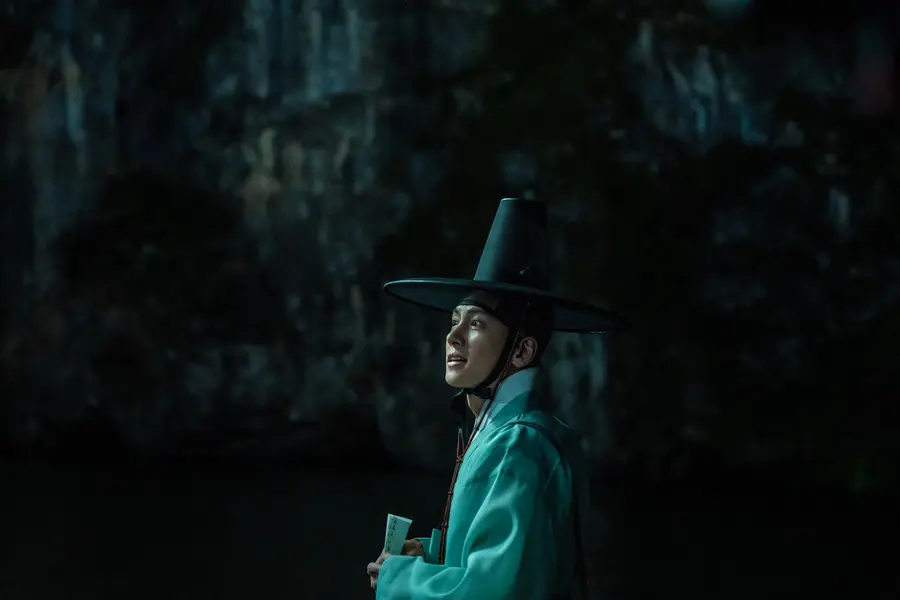
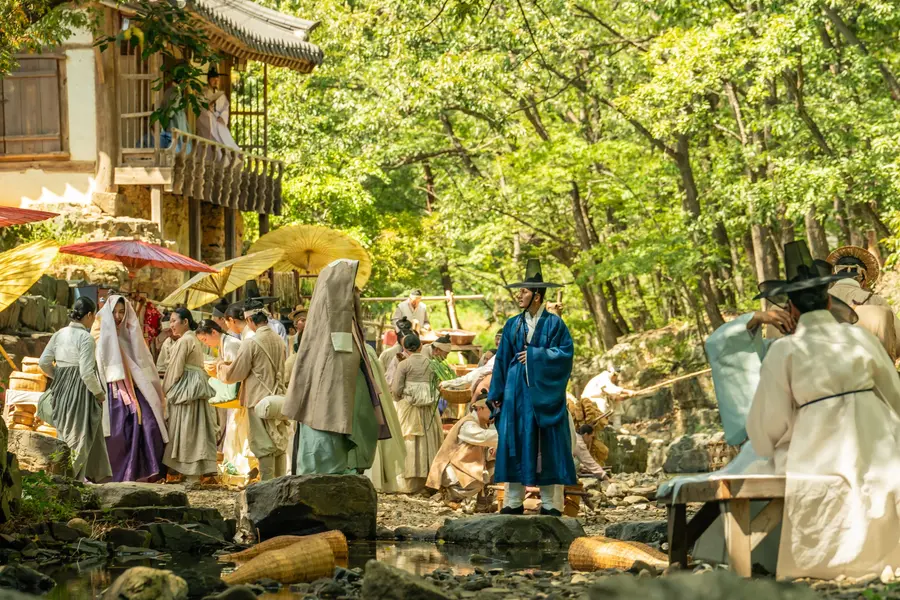
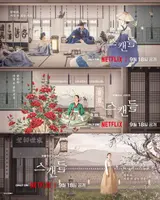
The Netflix series 〈Scandal〉 has released production stills. The series follows Lady Jo, a woman of exceptional talent who is too gifted to spend her life confined by the roles assigned to women in the Joseon era; Jo Won, Joseon's greatest ladies' man; and Hee-yeon, a woman entangled in their brazen and dangerous wager on love. By blending period detail with a modern sensibility, the production moves beyond the conventions of traditional historical dramas to create a distinctive appeal all its own for 〈Scandal〉.
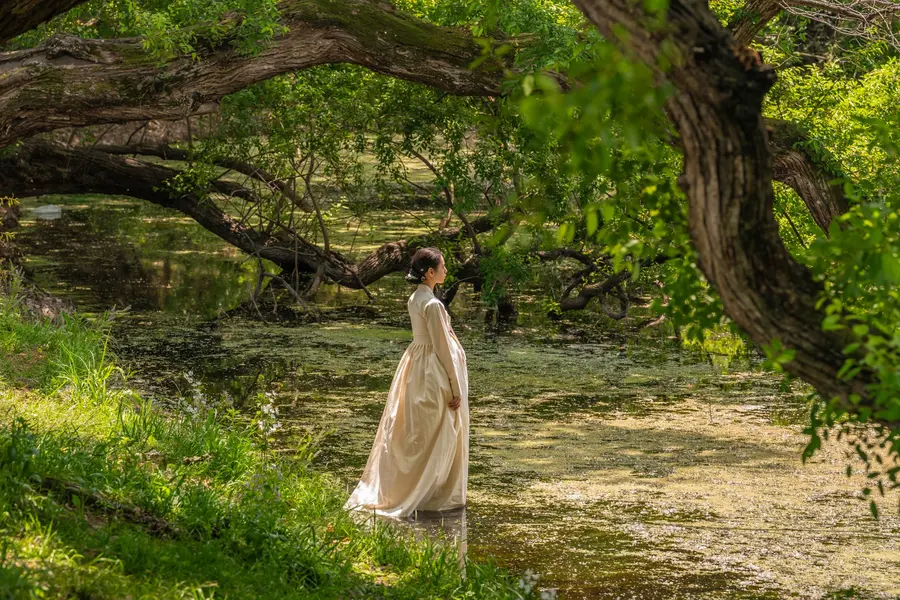
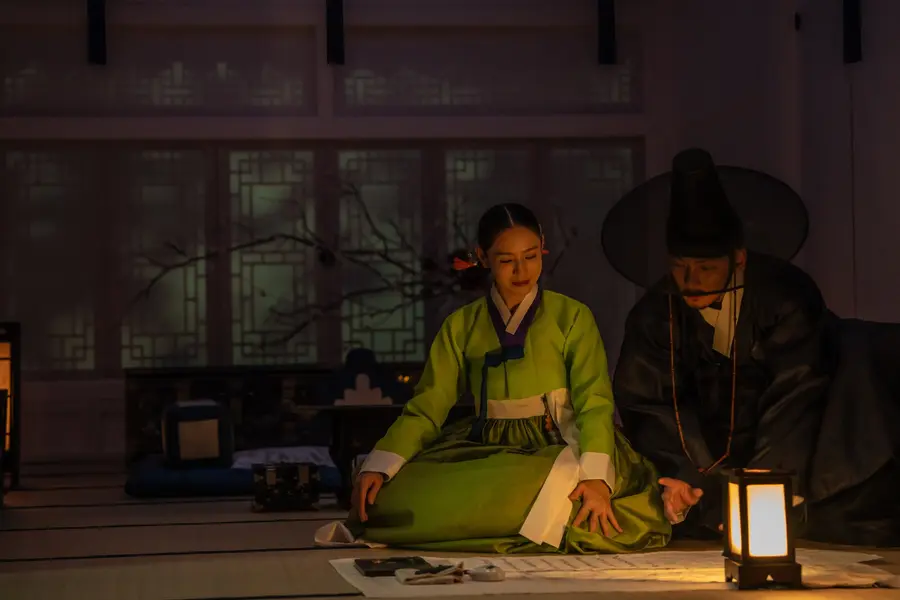
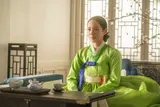
Tchai Kim, a designer brand known for modern hanbok, worked on the costumes and visual direction for 〈Scandal〉 to create a seductive yet refined vision of Korean beauty. The costumes in the released production stills capture each character's individuality and immediately draw the eye. Kim Young-jin, the costume designer at Tchai Kim, said of Lady Jo's costumes, “As Lady Jo's emotions and desires intensify, I designed the green tones to grow progressively deeper.” The shifting colors of the costumes mirror the character's inner life. Jo Won's costumes, marked by strikingly shaped gat hats and lightweight fabrics that drift in the breeze, reflect his stylish taste and free-spirited nature. Hee-yeon's nearly monochromatic hanbok conveys the restrained, understated image of a young widow through plain fabrics such as ramie and cotton. Kim said, “I wanted hanbok to be seen not simply as traditional Korean clothing, but as a kind of ‘poetry’ that encapsulates each character's life, emotions and desires.” Watching the costumes evolve with the story and the characters' emotional arcs will offer another distinctive way to enjoy 〈Scandal〉.
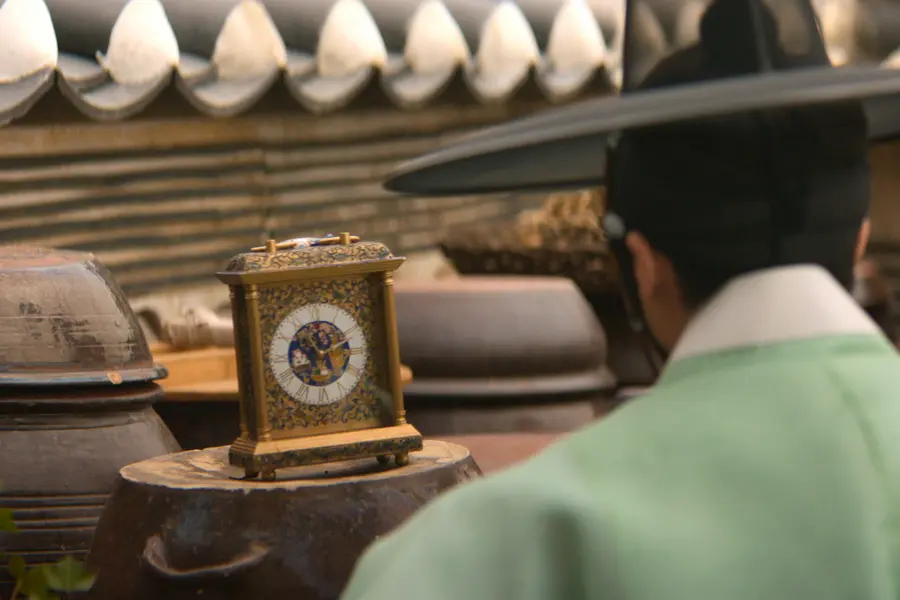
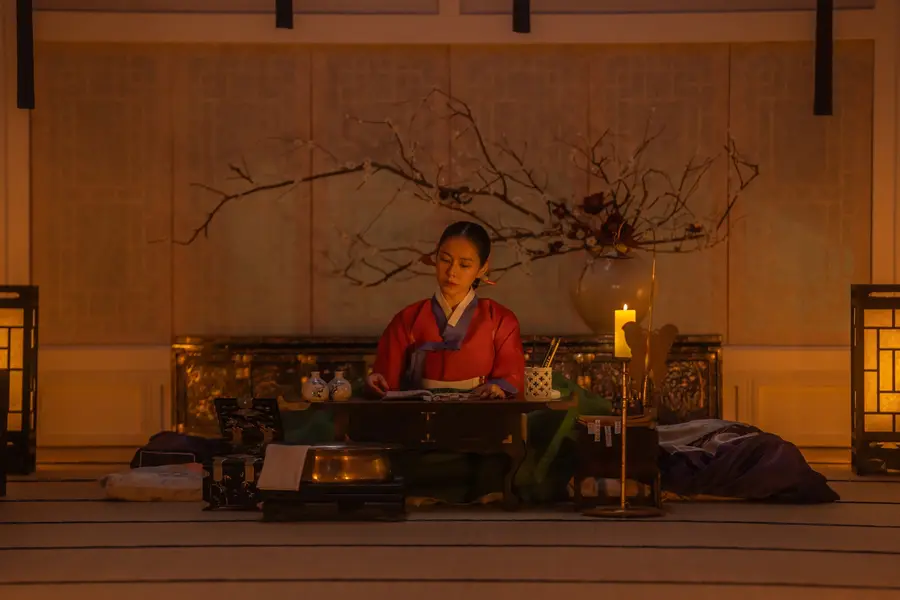
The production's modern, original art direction and props also stand out, breaking free from the traditional framework of historical dramas. In a still of Lady Jo seated in the women's quarters, a traditional paper flower called chaehwa appears behind her. Made in the form of a plum blossom, which symbolizes nobility and grace, the flower reflects Lady Jo's character. Its lifelike appearance—and the fact that it is ultimately artificial—also serves as a metaphor for her circumstances and concealed feelings. A still featuring an alarm clock captures Joseon society at a time when new civilizations and ways of life from the West, introduced after the 16th century, coexisted with established traditions, giving the world of the series greater depth. Professor Lee Sun-hee, who advised 〈Scandal〉 on the history of daily life, said, “I wanted to show that the people who lived in that era also continually judged and made choices within the conditions they were given, creating lives of their own.” The props therefore do more than establish the period: They reveal the characters' lives and help complete the rich world unique to 〈Scandal〉.
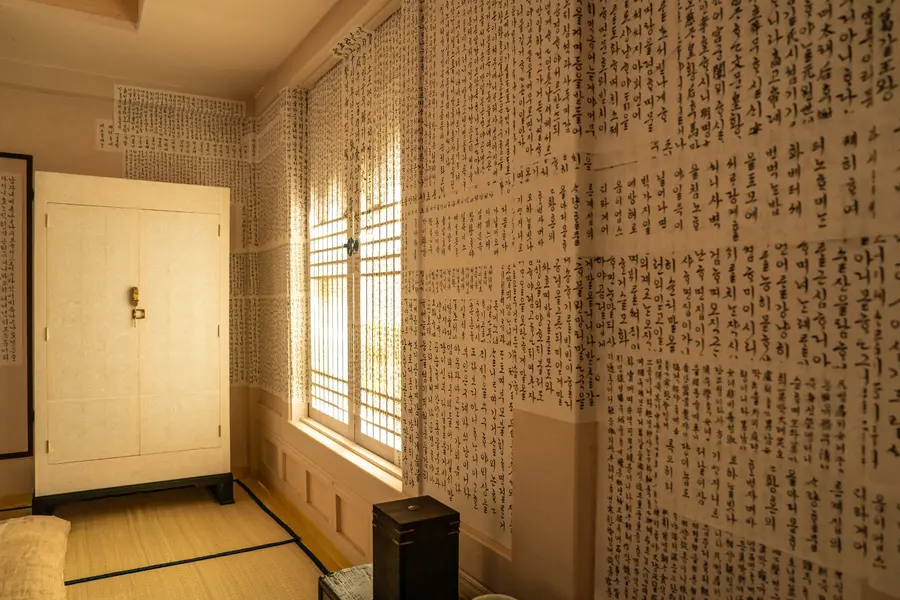
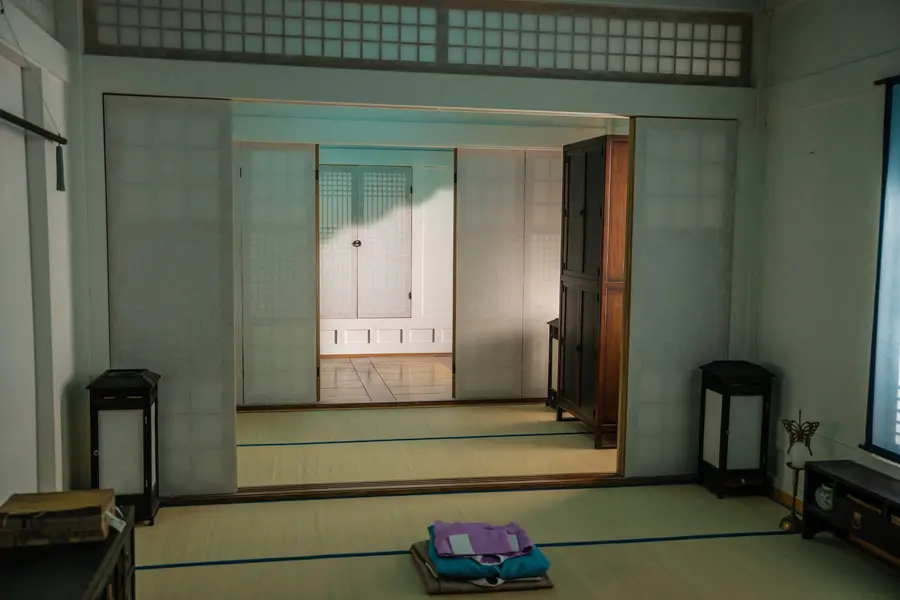
The details of the settings, which function as part of the narrative in their own right, are equally notable. Lady Jo's space, with doors arranged in layers, evokes the facade of a yangban household and the feelings she cannot bring herself to reveal. Hee-yeon's room, covered wall to wall with written phrases, reflects the stifling, oppressive reality of her life, conveying through the space the restrictions of her era and her suppressed emotions. A still showing a panoramic view of Bukchon also presents a three-dimensional landscape with varying elevations rather than the broad, flat courtyards commonly seen in historical dramas, vividly depicting the neighborhood's upper-class society.
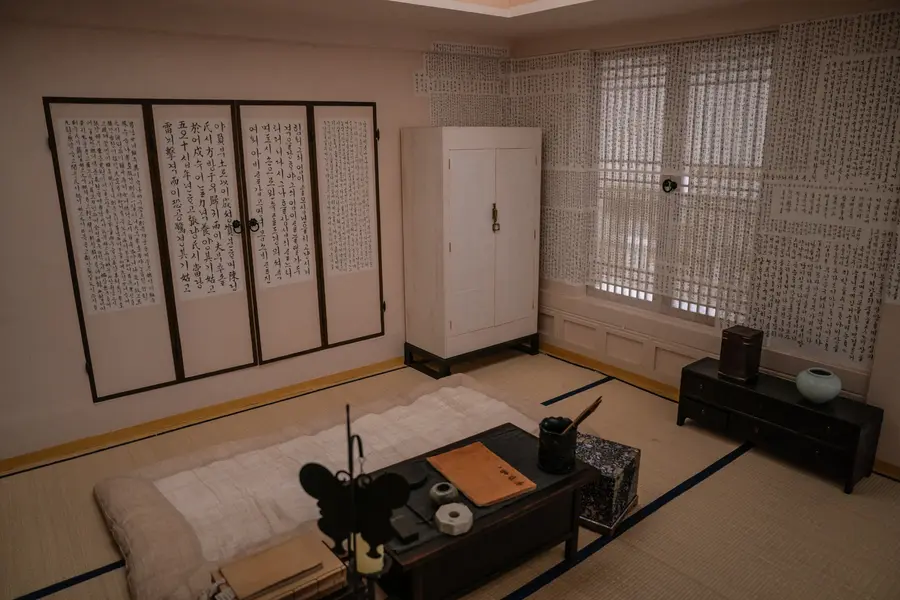
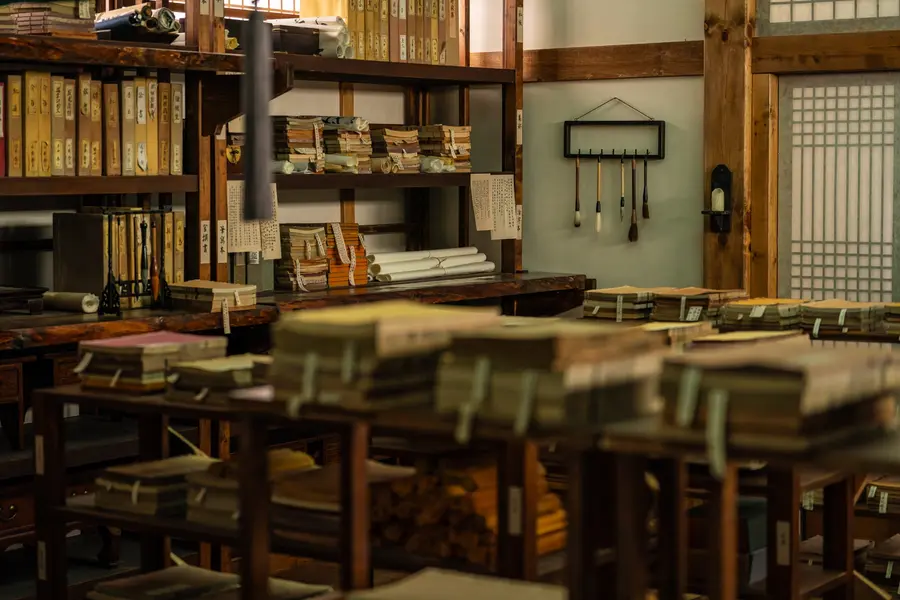
From costumes that express each character's individuality to art direction and props that recreate daily life in the period, and spaces that reflect the characters' inner worlds, 〈Scandal〉 has added meticulous detail throughout the production. Its mise-en-scène combines historical authenticity with a modern sensibility to complete a distinctive production unique to 〈Scandal〉, offering viewers another pleasure to discover in the series.



![[Photos] Son Ye-jin commands 'Scandal' on return after 21 years:](https://cdn.www.cineplay.co.kr/w160/q75/article-images/2026-09-10/cb8c0506-fd6f-4c74-af28-a46c9f932f94.jpg)

![[OTT Ratings] Cineplay reporter ratings for Netflix series 'Scandal'](https://cdn.www.cineplay.co.kr/w160/q75/article-images/2026-09-21/41bfb407-6941-4a0f-aeca-e3b9d2ce727e.jpg)
댓글 (0)
댓글 작성
댓글을 작성하려면 로그인이 필요합니다.
로그인하기