


※[Fascinating anecdotes about Korean film directors you probably didn't know] continues from Part 1.
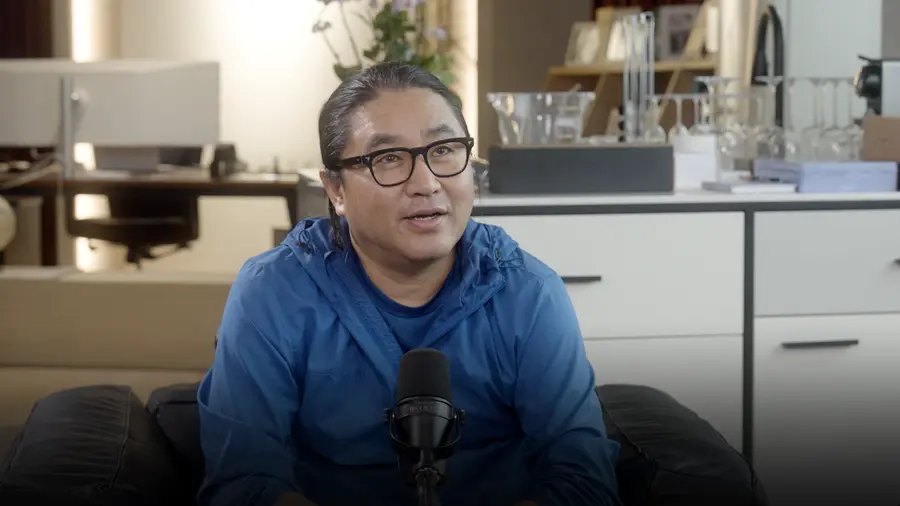
〈The Admiral: Roaring Currents〉 〈Hansan: Rising Dragon〉 director Kim Han-min once ran out of a theater after thinking an elephant on screen was charging at him
Kim Han-min, the director of the Yi Sun-shin trilogy, saw his first film in a theater when he was about seven. That film was an Indian picture — the first Indian film released theatrically in Korea — titled 〈Shinsang〉. The screen filled with a herd of elephants, and young Kim was so convinced they were charging toward him that he bolted out of the auditorium. His older sister silently took his hand and led him back inside; only after going in a second time did he begin to register the distance between the screen and the seats. Kim later likened his reaction to the audience that panicked when the Lumière brothers' 〈Arrival of a Train〉 first played.
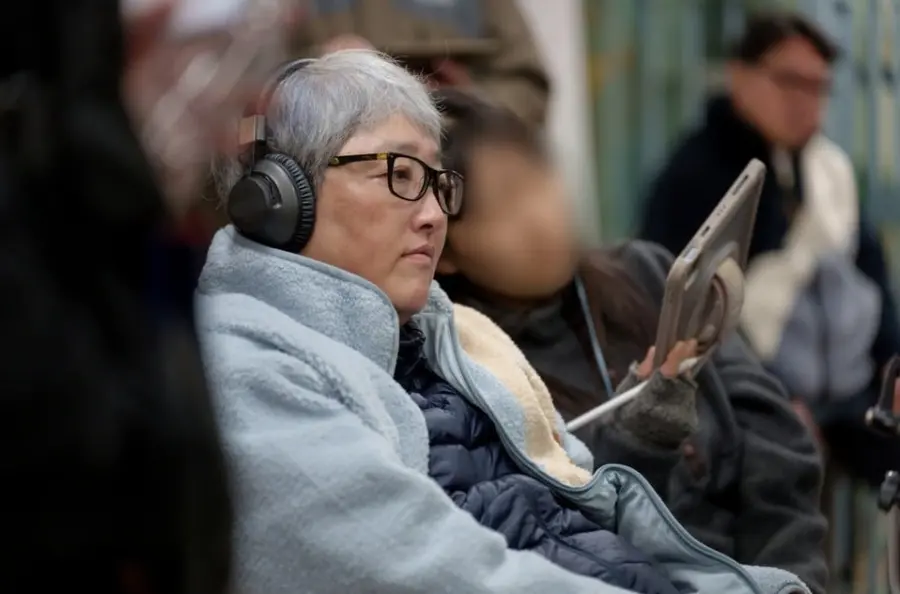
〈Helpless〉 director Byeon Yeong-ju was the first in Korea to insert interviews into wedding videos
On the day of the premiere for his documentary debut 〈Living as a Woman in Asia〉, Byeon Yeong-ju wept during a drinking gathering afterward. He felt he had turned the hard work of everyone involved into something shameful. That night he first vowed, "I want to become a truly good director," and decided to travel to Paris so he could see great films projected on celluloid in proper theaters. Money was the obstacle. He delivered newspapers and milk at dawn and also took wedding-video jobs, the kind of work many Korean directors once did on their way up. It was in that work that he pioneered a then-revolutionary idea in Korea: inserting interviews into wedding videos. He probably first tried the method at director Gong Su-chang's wedding, and the response was so strong that a major wedding studio later tried to recruit him.
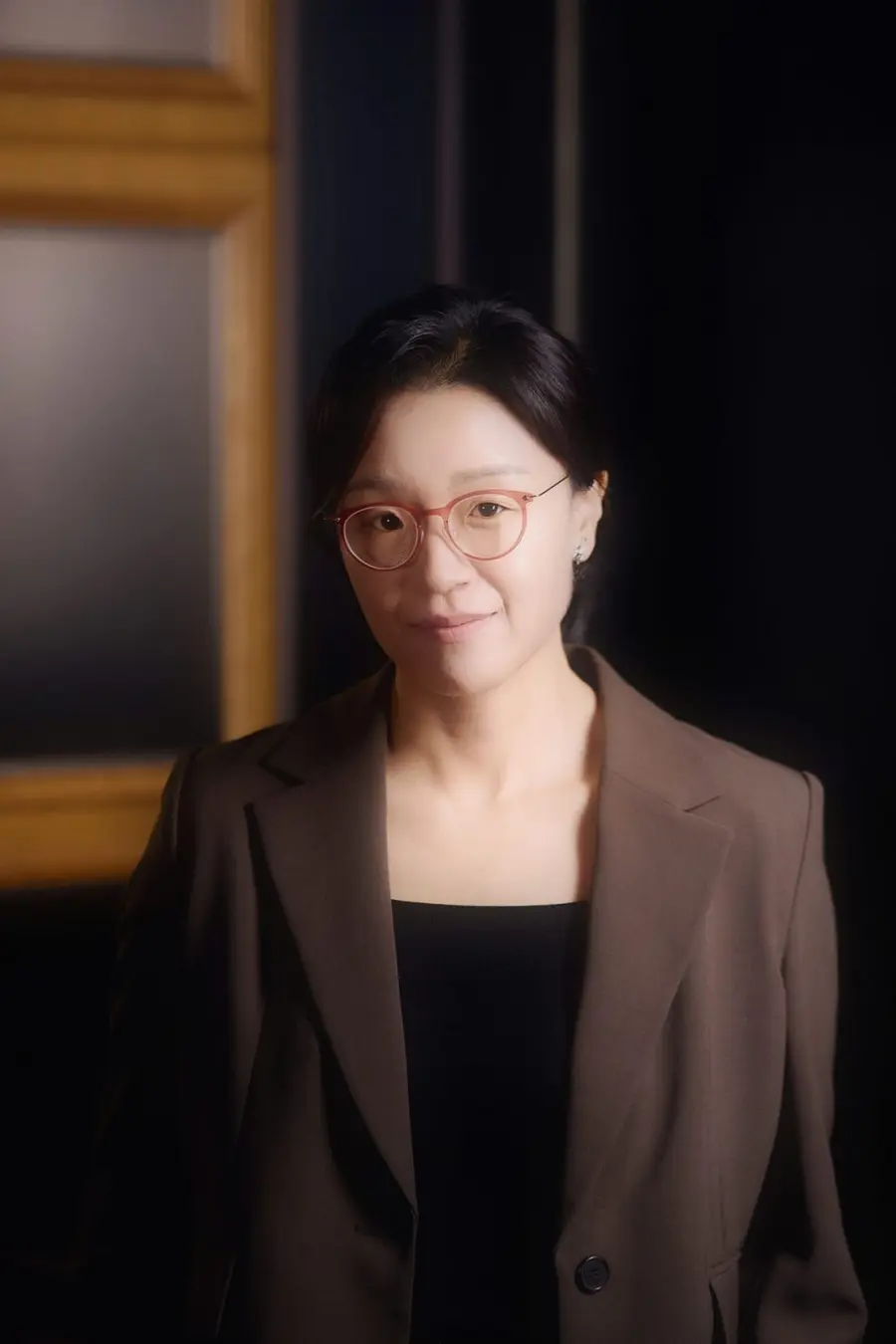
〈The World of Us〉 director Yoon Ga-eun wrote her first feature screenplay under the title 'Master of the World'
As a middle schooler, Yoon Ga-eun joined an early PC chatroom called "Young Quiz Room" (a movie-quiz chatroom) and even attended in-person meetups, already dreaming of becoming a filmmaker. Before her debut she worked as a script supervisor on Kim Gwang-sik's 〈Jjirasi: Dangerous Rumor〉. Kim, who taught screenwriting at the Korean National University of Arts, told students, "If you want to be a director later, you must write a feature screenplay now." Yoon's first feature screenplay carried the title "Master of the World" and centered on a seven-year-old child named Ju-in who lives in a motel. The script was never produced, but the title and the protagonist's name survived and later influenced her third feature, 〈Master of the World〉.
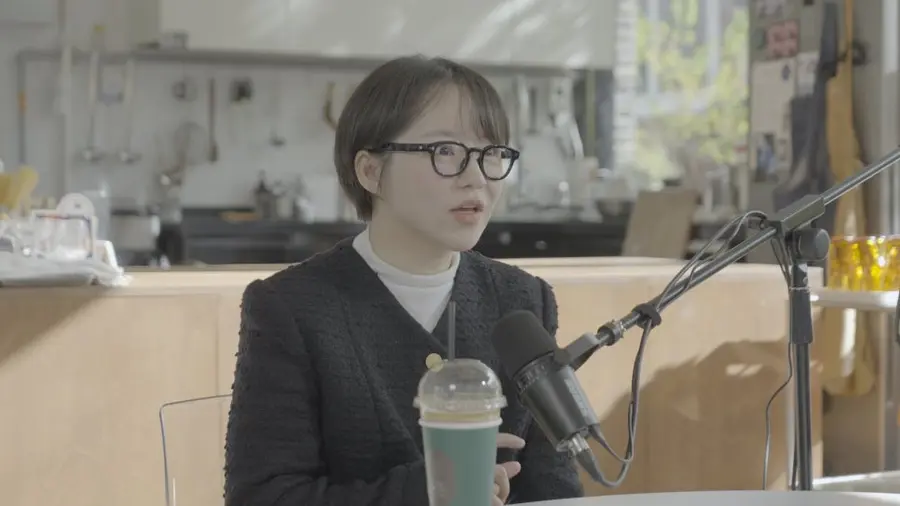
〈The Siblings' Summer Night〉 and 〈First World〉 director Yoon Dan-bi abandoned plans to become a script supervisor after hearing Lee Kyung-mi's 'the Mr. Park incident'
Yoon Dan-bi wanted on-set experience, but she worried that, as the youngest crew member, she wouldn't be able to handle the monitor cable or camera wiring and might become a burden. She chose to work as a data manager instead and spent three to four years starting with Im Soon-rye's 〈Run to the South〉. She considered training as a script supervisor, but an anecdote she heard in an interview with director Lee Kyung-mi — the so-called "Mr. Park incident" — made her rethink. In that story, when the director said, "Bring the battery," the script supervisor passed the message along as, "The director is looking for Mr. Park Dae-ri," creating an embarrassing misunderstanding. Yoon, who felt she could be slow to catch verbal cues, concluded she wasn't cut out for the role.
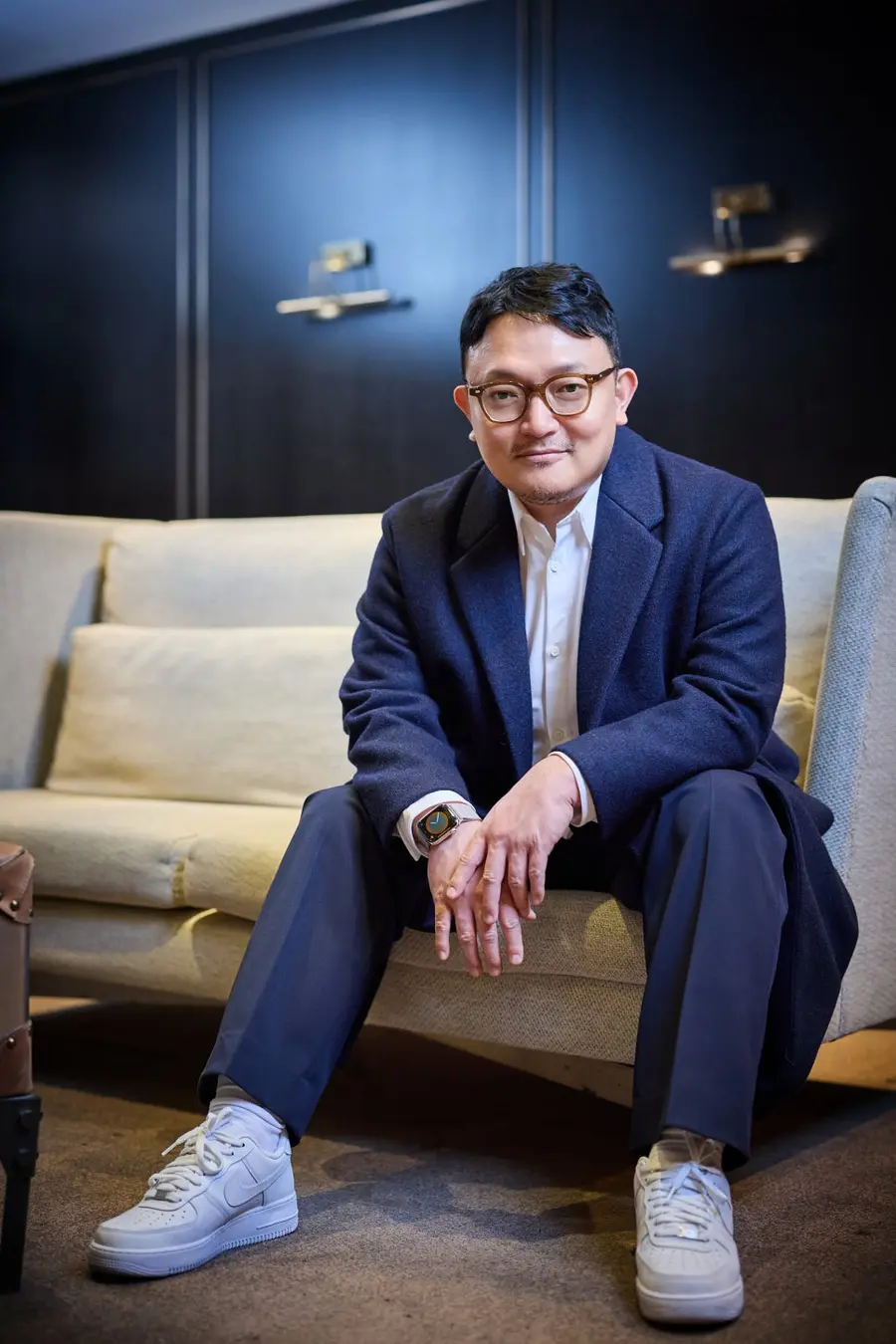
〈Believer〉 〈The Ghost〉 director Lee Hae-young once circulated provocative promotional leaflets signed 'Screenwriting Team Jin Do-hee'
When Lee Hae-young was a newcomer and couldn't find a way to get noticed, he created a provocative flyer himself and mailed it to film companies. At a time when only established writers could sell scripts, he and colleague Lee Hae-joon formed a team and chose an attention-grabbing name — "Screenwriting Team Jin Do-hee" — inspired by an erotic video title that was popular at the time. Packaged as an acronym for "initiative, challenge, hope," the leaflet carried a bold line: "We have no talent, only grit; if you don't like us, don't hire us." He mailed the flyers at random to production-company addresses. Not a single company responded, but that absurd, desperate bravado later became the sturdy foundation for his career as one of Chungmuro's most distinctive storytellers.
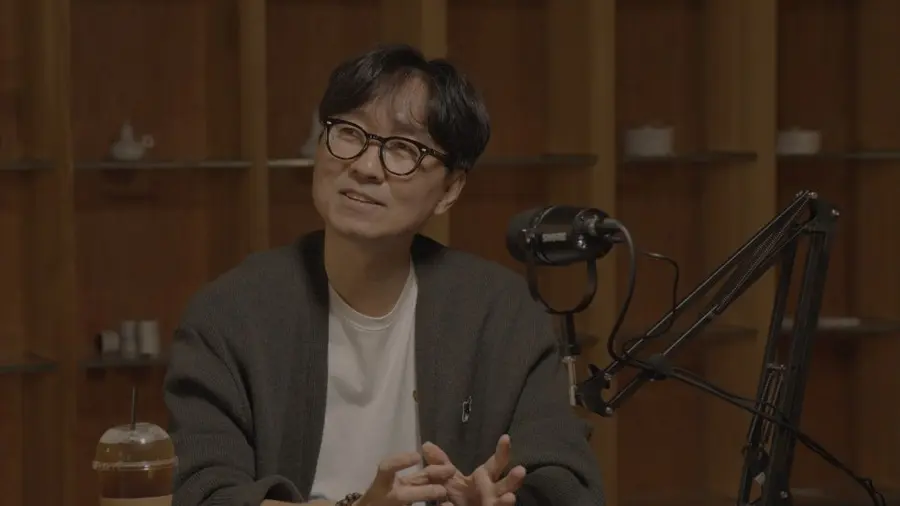
〈The Man Who Lives with the King〉 director Jang Hang-jun became a broadcast writer only because a writer went missing
While working as an FD at a broadcasting station, Jang Hang-jun would write scripts every night based on meetings, even when nobody asked him to. One day a staff writer failed to show up and the program's script was left blank. Jang offered, "I have something I've written at home — should I bring it?" Production resumed using his script, and he became an official broadcast writer. When the show became a hit and he began appearing in newspaper interviews, a former colleague from a film company contacted him with a screenwriting job. The producer had asked for a happy ending in which a runaway wife returns and the couple lives happily ever after, but Jang's attempts kept turning into thrillers. He ultimately delivered a script centered on a detective-agency employee. The producer's response was, "Why did you bring something strange instead of what we asked for? But the office staff all say it's funny." That script became his screenwriting debut, 〈Park Bong-gon's Runaway Case〉.
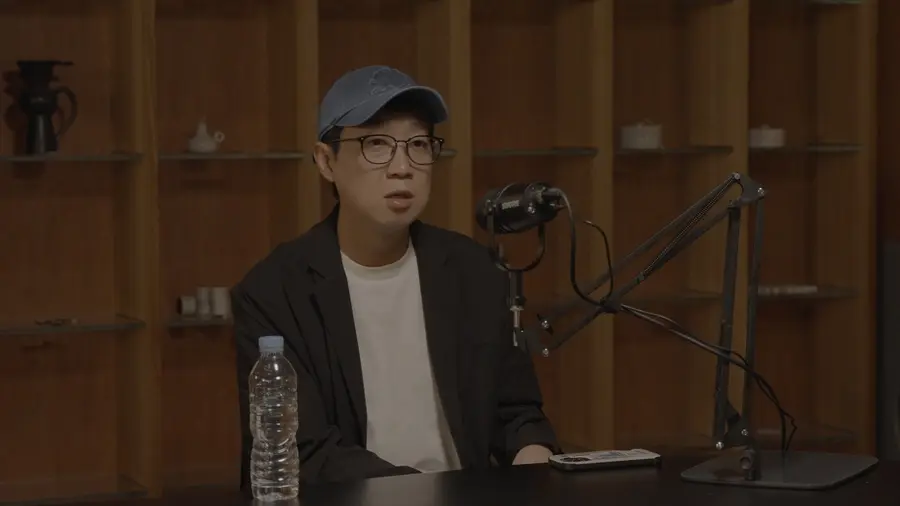
〈Chinatown〉 and 〈D.P.〉 director Han Jun-hee entered film work by setting up chairs at a festival
In his early twenties Han Jun-hee practically lived by film-festival schedules. He began as a festival volunteer and later worked staff at several festivals. At the Bucheon International Fantastic Film Festival, one of his assignments was setting up roughly 1,000 chairs for the opening ceremony. A stage manager who noticed him quietly arranging seats asked, "Would you like to work on a film set?" At 21, Han took his first job on a film set — he joined the props team for Lee Eon-hee's 〈...ing〉. Han later said he was oddly pleased to learn that his role model, Ryu Seung-wan, had also worked on a props team for 〈Whispering Corridors〉 before making his debut.
댓글 (0)
댓글 작성
댓글을 작성하려면 로그인이 필요합니다.
로그인하기