


Cultural Planner Hachi
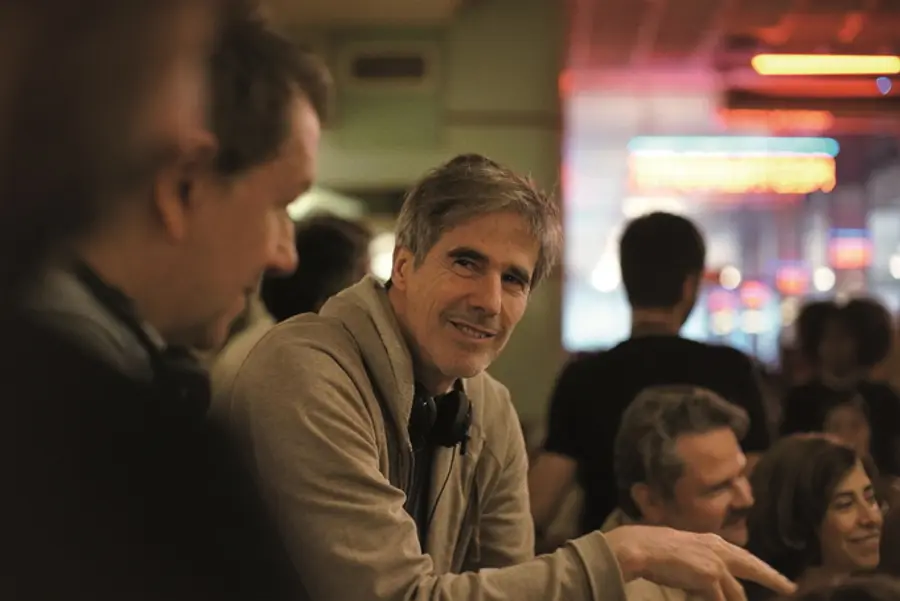
The master director Walter Salles, known for films like 〈Central Station〉(1999) and 〈The Motorcycle Diaries〉(2004), returns after ten years with his new film 〈I'm Still Here〉(2024). Released on August 20, the film follows the hardships faced by a family under the military dictatorship in Brazil during the 1970s and the trajectory of those memories. Based on the memoir of the protagonist Eunice Paiva's son, Marcelo Paiva, 〈I'm Still Here〉 documents how history and memory are experienced and transmitted within personal lives, testifying to the collective scars left by an era of oppression.
Light and Shadow Cast Over Rio de Janeiro
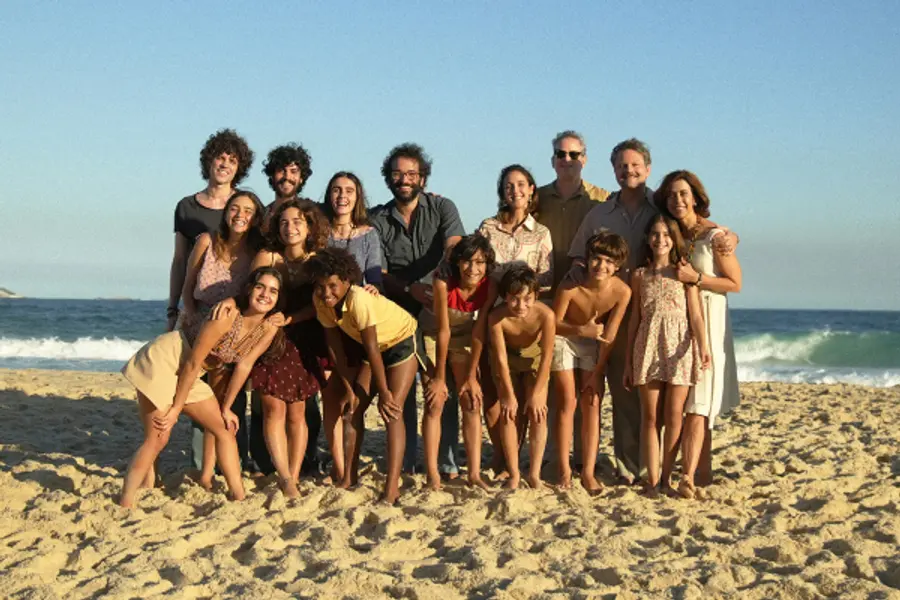
The film begins in 1971 with the dazzling sunlight of Rio de Janeiro. The endless beaches, the blazing sun, and the laughter of sun-kissed children moving with healthy bodies shine for a moment like a manifestation of paradise. However, the deafening roar of military helicopters and the shadow of military trucks crossing the city soon threaten that tranquility, hinting at how easily the fear imposed by the era can crack daily life.
In this context, Eunice Paiva (Fernanda Torres) and her husband Rubens Paiva (Selton Mello) live an ordinary yet fulfilling life with their five children. Their daily life, filled with songs, laughter, and interactions with friends, seems to be evidence of the happiness a small community can enjoy. However, the fact that Rubens was a former congressman soon becomes a seed of threat. The military regime targets him for arrest, and the family is thrown into a whirlwind of tragedy marked by arbitrary detentions, repeated interrogations, and ultimately, disappearance. Despite the uncertainty of his fate, the government spreads fake news to erase Rubens' existence, and the family's daily life is consumed by surveillance, wiretapping, and asset freezes. Now, those left behind must acknowledge the void left by their father and support each other to carry on with life. Eunice makes a decision. Selling their home and moving to São Paulo, she raises her five children alone and enrolls in law school at the age of 46, transforming into a human rights lawyer. The long fight to uncover the truth behind her husband's disappearance does not cease either.
Eunice's Rebirth – I Will Not Disappear
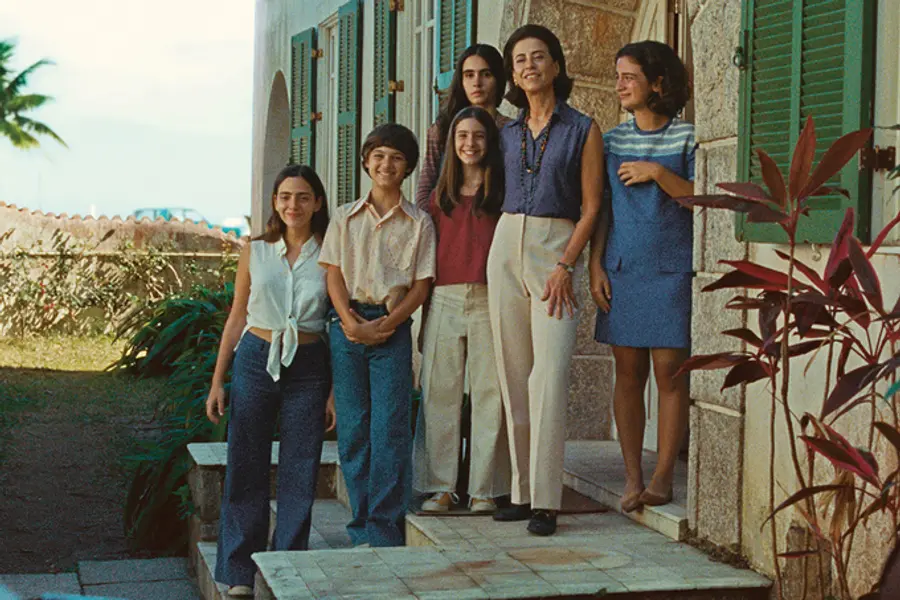
The perspective taken by this film deviates from the conventional narratives of military dictatorship. Instead of familiar scenes of large-scale protests or violent military operations, the film focuses the camera on private and everyday spaces like rooms, kitchens, and the seashore, effectively revealing how easily and suddenly state violence can destroy the intimate realms of personal life. At the same time, the film does not merely record that invasion but showcases an aesthetic dignity that transforms the reality shadowed by loss and violence into warmth and dignity. Small conversations and laughter position survival not as a grand slogan but as a concrete act of enduring each day.
Eunice's life testifies to this point most clearly. Even after her husband's disappearance, she continues to visit the local ice cream shop with her children and does not lose her smile in front of the cameras of reporters. When a photojournalist from the media requests her to stop smiling to emphasize her victimhood, Eunice instead shouts, "Smile! Smile!" demanding her children to be proud. Eunice's smile is not a forced disguise or a defensive gesture but a natural expression that flows from pain, a silent declaration that "I must survive."
Eunice's trajectory reveals that 'survival' in the history of violence and loss is not merely biological continuity but a political act and practical resistance. The laughter that spills out from the ice cream shop, the smile that spreads at the moment of confirming her husband's death, and the life that leads to becoming a human rights lawyer all lie on an unbroken continuum. Following the human form that manifests dignity even in the extremes of suffering, the film asks: What keeps a person alive? Violence is a reality, but it does not solely define life. Oppression and fear did not break this family's will to live and dignity. Thus, the landscape of love and dignity is remembered and transmitted, declaring "I'm Still Here."
The Moment Where Acting and Existence Meet
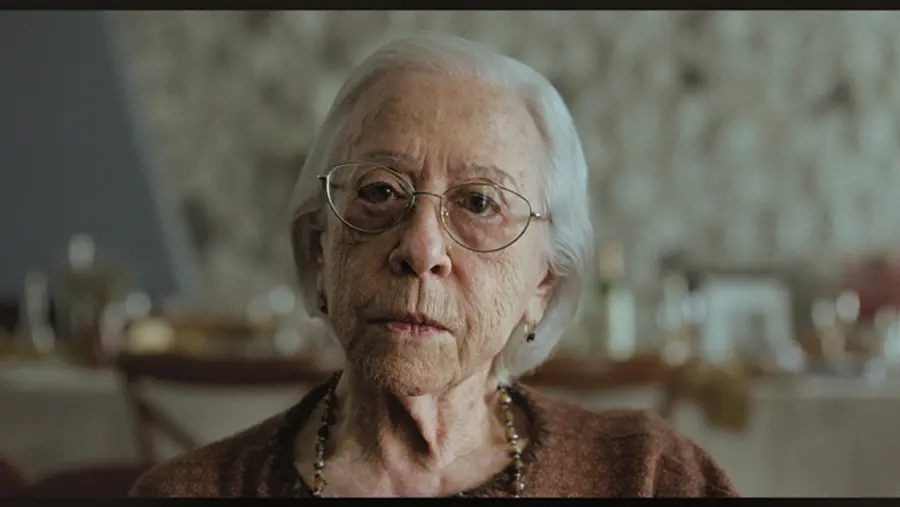
In the latter part of the film, the most striking device is the character portraying the elderly Eunice. The role is played by Fernanda Montenegro, the actual mother of Fernanda Torres and a master of Brazilian theater. At 95 years old, Montenegro, who was nominated for the Academy Award for Best Actress for Salles' 〈Central Station〉(1998), plays the elderly Eunice, who is losing her memory to Alzheimer's, and the scene where she recognizes her late husband's face on the TV screen blurs the boundaries between fiction and reality, actor and character. This serves as a powerful device that visually embodies the continuity and transmission of memory, while also offering an experience that expands Eunice's story into a portrait of countless women who lived through the era of military dictatorship.
Adding to this is Salles' personal experience, which makes the film's background even more vivid. He grew up in the same neighborhood as the Paiva family and was friends with them, recalling vividly in several interviews the beach house where they stayed. Like the memory of "the windows were open, and there was no key in the door, which was very rare considering the political situation at the time," Salles spent his childhood freely discussing politics and society and listening to forbidden music. The quiet aftermath of the beach house being raided by the police also left a deep shock on the director. His interactions with the Paiva family allowed him to experience the violence of the military dictatorship in a different way, ultimately becoming the starting point for the film's creation. The director invested a year in finding a house that closely resembled the one the Paiva family lived in, meticulously preparing every prop and casting child actors similar to the real people to achieve documentary realism.
A Film Resonating with Korea's 'Memory of Martial Law'
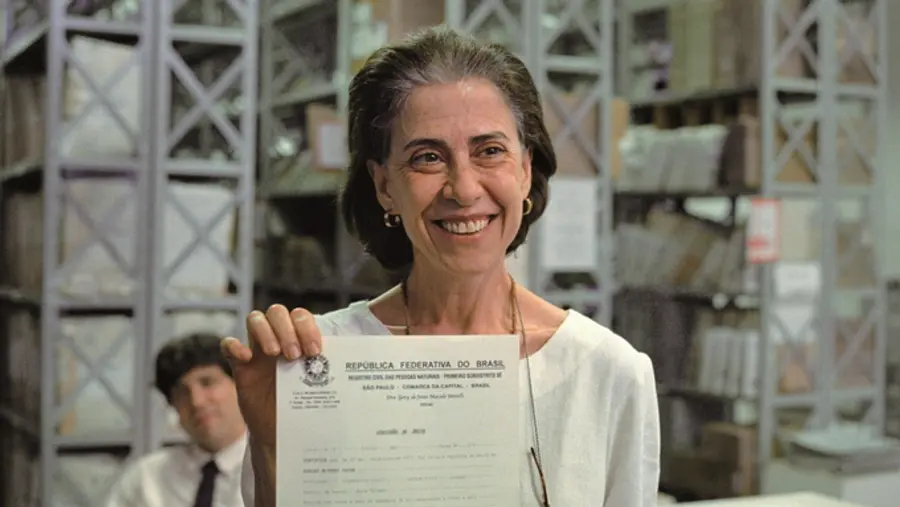
〈I'm Still Here〉 won the Best Screenplay Award at the 81st Venice International Film Festival, the International Feature Film Award at the 97th Academy Awards, and that same year, Fernanda Torres received Brazil's first Best Actress Award (Drama) at the Golden Globe Awards. In Korea, it was first introduced this year at the Jeonju International Film Festival as 〈Memory of Martial Law〉. The state violence of the Brazilian military dictatorship, family disintegration, and the journey of healing resonate deeply with the recent 'Memory of Martial Law' among Koreans.







댓글 (0)
댓글 작성
댓글을 작성하려면 로그인이 필요합니다.
로그인하기