


Kim Na-hee Music Critic
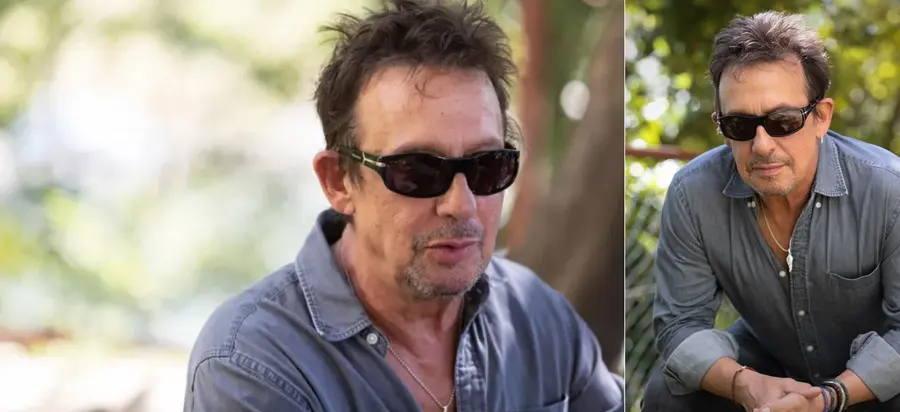
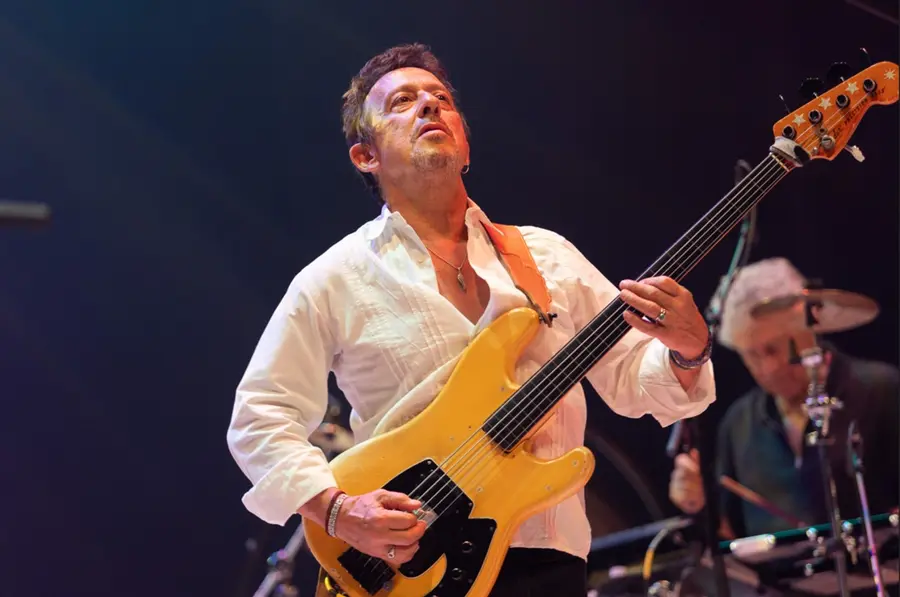
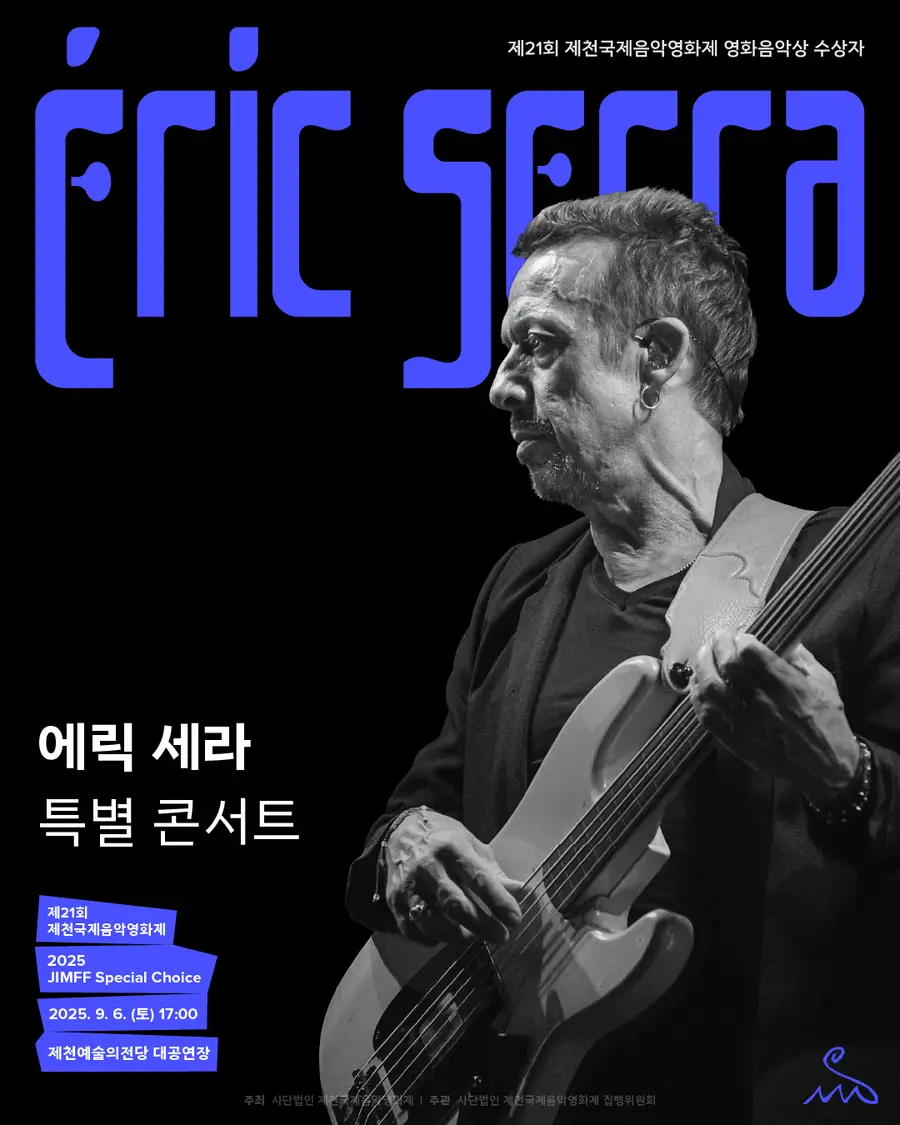
French master composer Éric Serra visited Korea for the first time in his life. He met domestic audiences by winning the Jecheon Film Music Award at the 21st Jecheon International Music & Film Festival (JIMFF), held in Jecheon from September 4 to 9. Known for his partnership with director Luc Besson in films such as 〈Subway〉 (1985), 〈The Big Blue〉 (1993), 〈Léon〉 (1995), and 〈The Fifth Element〉 (1997), he has also won the César Award for Best Music for films like 〈The Last Battle〉 (1983) and 〈Nikita〉 (1990), representing modern French film music. He also made his way to Hollywood with films like 〈GoldenEye〉 (1995), 〈Rollerball〉 (2002), and 〈The Transporter〉 (2003). At this film festival, he not only received the 'Jecheon Film Music Award' but also held a masterclass and, for the first time in Korea, a special concert. This performance was part of the festival's music concert program 'JIMFF Special Choice' and took place over three days from September 6 to 8 at the Jecheon Arts Center's main auditorium. He performed the music from his representative works live with the band he leads. Music critic Kim Na-hee has summarized her face-to-face interview and masterclass with him and sent a vivid review of the concert she attended.
I was five years old. My father bought me my first guitar. It was a size that could be called a toy, but it quickly became my best friend. At that time, we were living in the countryside. My mother was very ill, and at the recommendation of doctors, my father gave up everything and left Paris. We moved to a small village in southern France. There were no neighbors around. To get to the nearest neighbor's house, you had to drive at least 2 km. I was a child running wild in nature. I played freely among the moss of the forest, the dense trees, wild animals, sunlight, and wind. I was alone in a vast landscape where endless vineyards stretched out, with my only friend being the dog I had at the time, and then the guitar was added. I had two friends to play with: the dog and the guitar. I spent the quiet evenings in the rural village in my room with my guitar. My father was quite a famous singer and stand-up comedian, and he was always performing. There were many celebrities around my father. Jacques Brel was my godfather. I didn't know he was such a famous national singer when he came to our house for vacation. Children don't understand fame. More than anything, I regret that I was too young to have a conversation about music when Jacques Brel came to our country house for vacation. My father always played Jacques Brel's records at home. I just felt that he was a natural person, away from the media and the obsessive fans chasing him. He wasn't a complicated or difficult person. That's why I always try to keep things simple. Even now, I prefer talking like this by the lakeside, feeling the sunlight and wind, the smell of earth and forest, rather than in an artificially cooled indoor space with air conditioning. I flew for over twelve hours from France, and it took more than two hours from Seoul to Jecheon, but it's a pity that I only have one performance in Jecheon. I should experience and feel the lake that represents Jecheon to truly say I've been here, right?
Since my father performed often, he was away from home a lot. My mother continued to be unwell even after coming to the south, and her condition gradually worsened. The first toy and friend I met at the age of five, while growing up alone in nature, was the guitar, so for me, the guitar was more than just an instrument; it was a source of support. When I played the guitar, I wasn't lonely. I could feel myself improving every day as much as I practiced. Although I was self-taught, I quickly learned to produce decent sounds, and once I grasped the scales and could play melodies, I wanted to play beautifully. Fortunately, at that time, there were no smartphones, no video games, and we didn't have a television at home. I could immerse myself in playing the guitar in my room. There were no neighbors to complain about the noise, so I was completely free! I listened to a lot of records based on the jazz and rock that were popular at the time. Among them, I especially listened to a lot of Deep Purple's albums, and that album was my lesson teacher and idol. I spent time playing and practicing the same guitar riff over and over again until I could play it perfectly. For me, music was a continuous process of self-learning and mastering through repetition until it became completely mine.
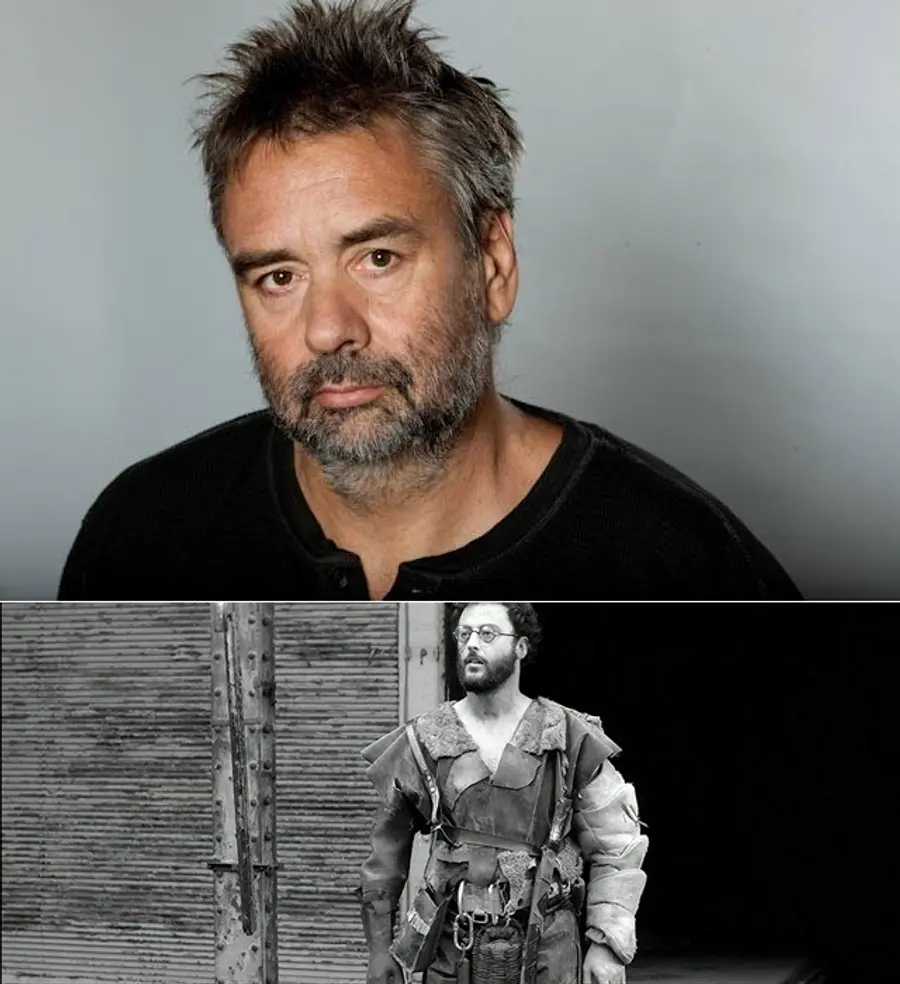
When I turned eleven, during a break from a touring theater troupe, I had the opportunity to perform on stage with a friend. My friend wasn't as crazy about the guitar as I was, so he only played a few chords. It wasn't a grand and glamorous stage, but it was the first time I stood in front of an audience and played a solo on the electric guitar. It was a short intermission of about 20 minutes, but the audience cheered for me, and it was exhilarating. The excitement and thrill outweighed my nervousness. I understood why my father left home for performances so often. So, although it was vague, I decided that I wanted to stand on stage in the future and become a guitarist, and I formed a group with my friends and started group activities from the age of fifteen. I was called in several times as a substitute for recordings. At that time, there were rock bands and groups that were all the rage in France, and when recording, unlike performances, your skills are fully revealed. When I got a call from the recording studio, I was quickly brought in as a substitute to record. It was a pleasant proposal because it meant that I was recognized as someone who could play bass and guitar. That's how I met Luc Besson at the studio where I had built relationships. We happened to be the same age. At that time, we were both essentially nobody. We were just in our late teens, so how could we be anything?
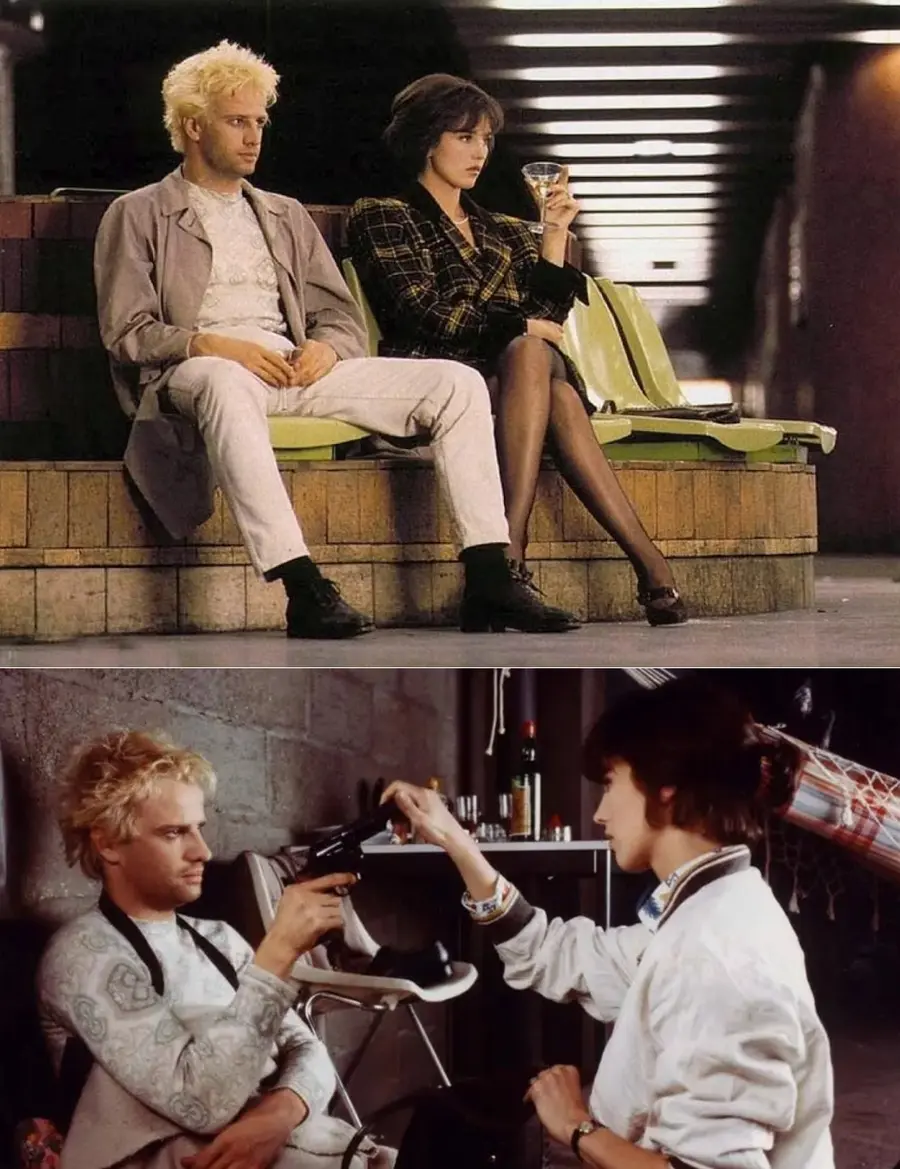
I was introduced to Luc, who was making a film and was now in the directing department and writing scripts. Shortly after, a singer came in to record, and he didn't like the band's guitarist, so I was brought in as a substitute again, and I completed that recording while improvising for almost half a day. That singer happened to be a friend of Luc's. Luc came to the studio to hang out and happened to see the entire process of me recording as a substitute. Since we were the same age, he was very impressed by how I could improvise. He came to me and asked if I could compose music. I naturally refused, saying I couldn't. We were peers, and Luc didn't know how to play an instrument or much about music, so he might have thought that my improvisation would lead to composition, but for me, improvisation and composition belonged to different categories. How many great guitarists are there who can improvise brilliantly but cannot compose? And there are many musicians who are great at composition but cannot improvise. So I refused, but Luc was somehow completely confident and persuaded me instead. He said he was going to make a short film and wanted me to be the music director and create the music. Perhaps that was a moment that determined my fate like a prophecy. What I realized was that the work I had been doing alone in my room as a game was actually no different from composition. While playing, I would often create melodies or guitar riffs that I wanted to play. I tried that, and Luc was very satisfied. Then he suggested we work together on a feature film. Thus, I worked with him on his debut film 〈The Last Battle〉 and then on 〈Subway〉. This work won a Grammy in France and received two Golden Discs, achieving great success.
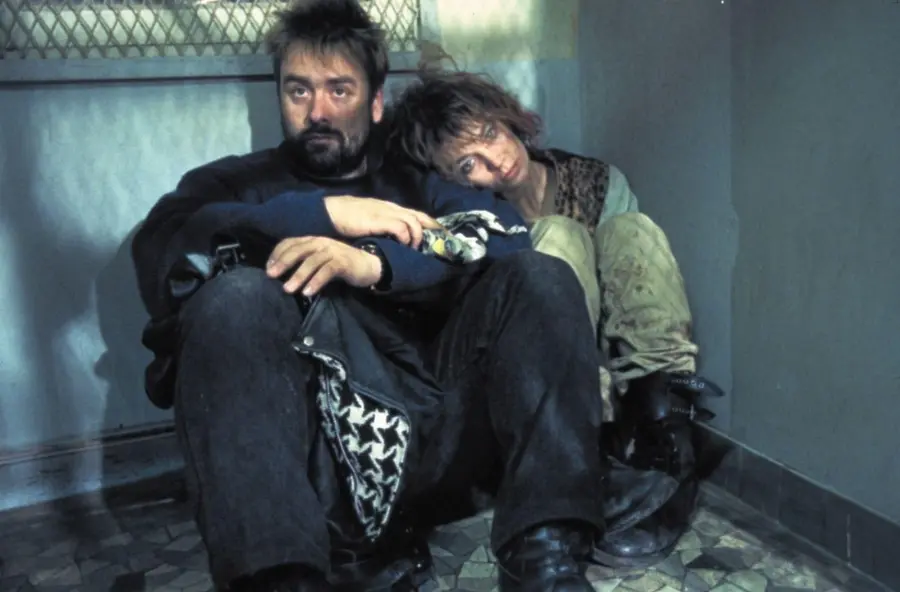
The success of the film 〈Subway〉 was a great success in both music and film, and it was 'our success' achieved together with Luc. However, I never thought of making film music as my profession; I continued to maintain my position as a musician performing in a group, and film music was like an interesting part-time job. Until then, I had been maintaining my identity as a performer. Later, we prepared for our third collaboration, 〈The Big Blue〉, and seeing Luc's passion and effort, I realized that I could try it out, or perhaps do it part-time. I understood that it was not something I could take on. I disbanded the band I had been maintaining until then and became a full-time film music composer for the first time. As time increased, so did the time I could spend preparing for the film. Together with the cast, I learned traditional diving techniques. Luc showed me a documentary and revealed what the next feature film would be about, and that documentary was overwhelmingly amazing and magical. I wanted to feel and know it myself, and I thought I had to experience it to understand, so I spent over three months learning and training to dive, including with the lead actor.
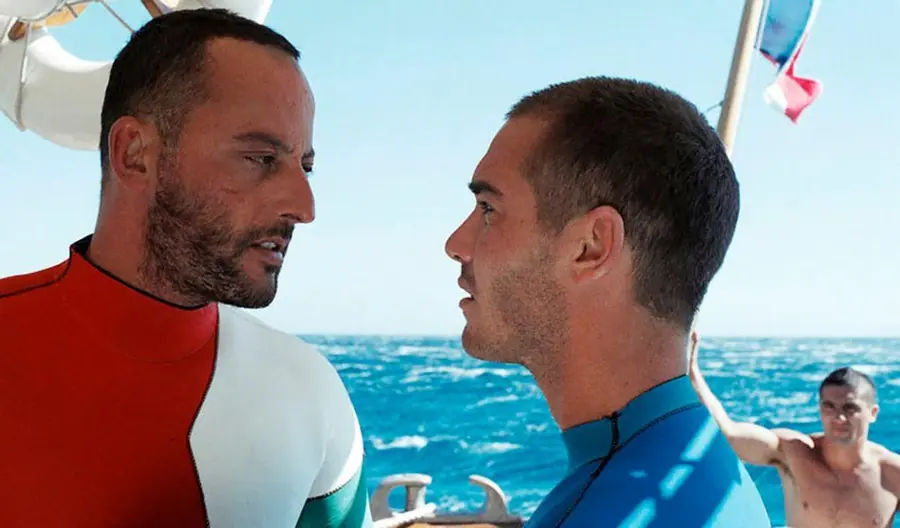
All the training had to take place on a boat in the sea, and it was set against the backdrop of the Côte d'Azur in southern France, Italy, Greece, and Sicily, so it was an amazing three months. Although it was training, it felt like a wonderful summer vacation. Together with the actors, while submerged in the sea, looking up at the surface, I could see the brilliant shards of sunlight breaking apart and the sun shining down on the water from 12 meters underwater. It was a meditation in itself. I forgot my human body for a moment and felt like I was returning to the primordial life form when the universe was first created. At first, I couldn't hold my breath for even 20 seconds, but after repeating the training, I was able to hold my breath for almost 2 minutes underwater. The sensation of being completely submerged in the deep sea, as if I had forgotten gravity for a moment, was truly amazing. Based on that sensation, I composed the music for 〈The Big Blue〉. It naturally contained a meditative and new wave atmosphere, but it wasn't that I intentionally aimed for the trend of the time; it was that I expressed the experience and sensations of the diving training I had personally experienced through music.
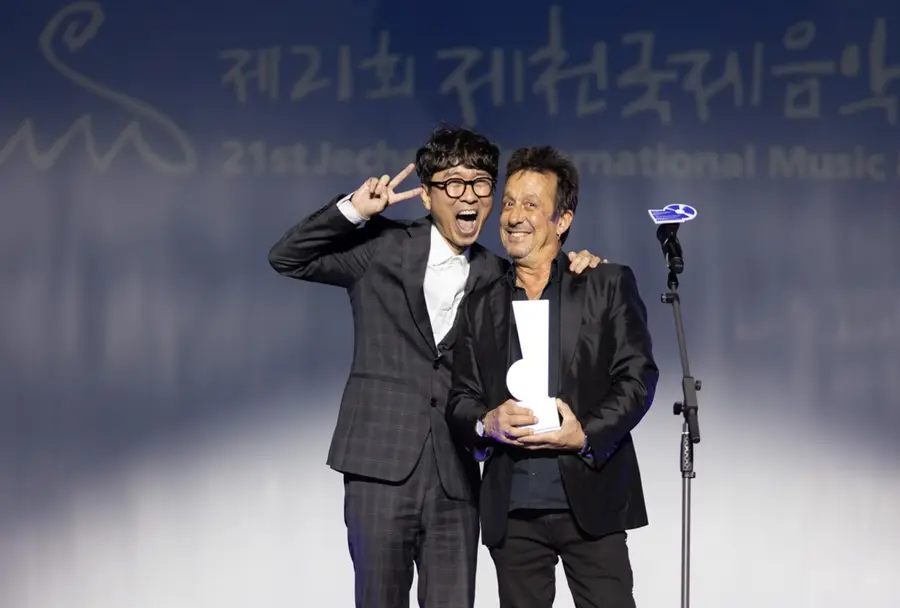
〈The Big Blue〉 was an enormous success, and my life changed. The lives of Luc, me, and the lead actors all changed overnight. Even today, in the 2020s, everyone still talks about 〈The Big Blue〉, and when there are performances of 〈The Big Blue〉, tens of thousands gather in arenas, and we have to tour all over France. At that time, I wondered if this was really okay; it was a terrifying level of success. Even when it was released in the United States, my music was not used due to the distributor's belief that my music would not resonate with American audiences. Coming to Jecheon and receiving the Jecheon Music Award was truly surprising. Although music is said to be a universal language that resonates with everyone, it is truly amazing and an honor that my music was recognized even on the other side of the world. Chairman Jang Hang-jun, who presented the award, was a really pleasant person. He led the atmosphere without fearing to make himself look ridiculous, and his quick wit and humor reminded me a lot of my father, who captivated the audience on stage.
※ The conversation with Éric Serra continues in Part 2.






댓글 (0)
댓글 작성
댓글을 작성하려면 로그인이 필요합니다.
로그인하기