


※ The conversation with Éric Serra continues from the first article.
Kim Na-hee, Music Critic
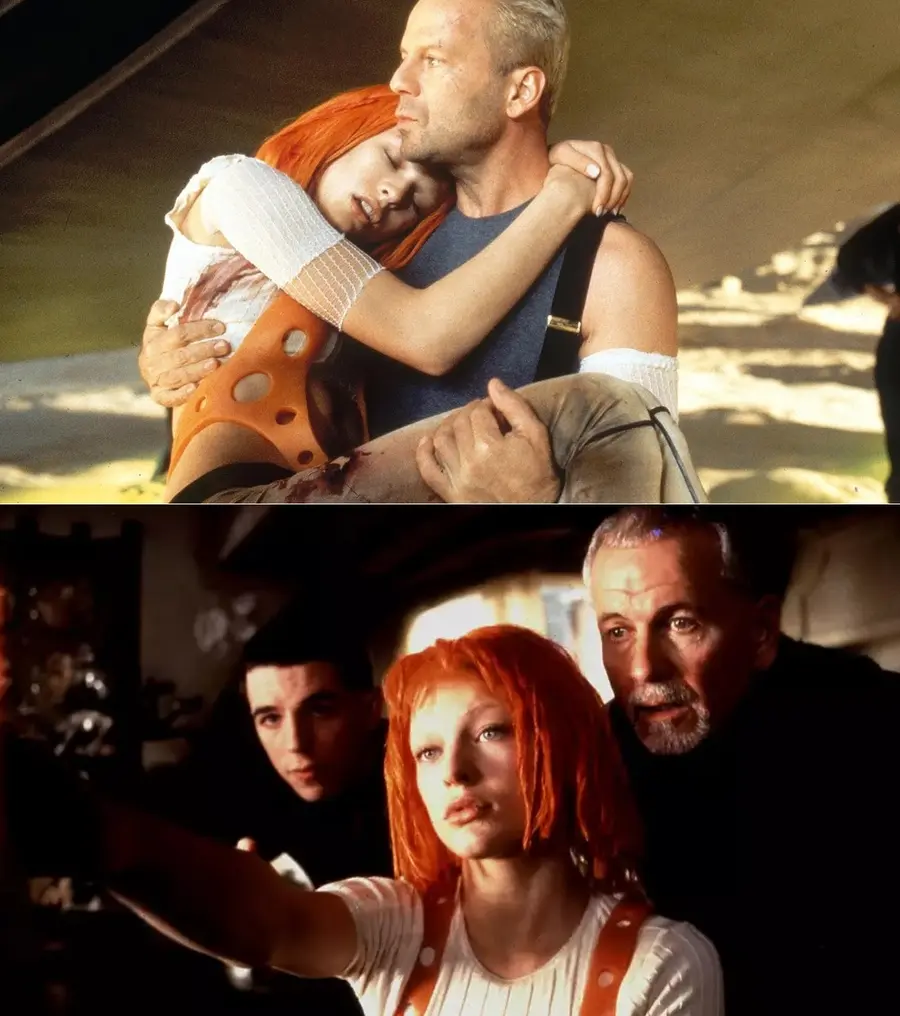
〈The Big Blue〉 and 〈Léon〉 were such huge successes that I began preparing for 〈The Fifth Element〉. It was a project with the highest production cost ever, and I instinctively knew I couldn't repeat my previous style. Both Luc and I really loved jazz-infused fusion rock, but unless I changed genres, it would just be a repetition of 〈The Big Blue〉. From that point on, I challenged myself to compose classical music and symphonies. It was a long and arduous process. I spent three to four hours every day listening to records and studying symphonic scores. At first, I didn't know what was what, but soon I could follow the melodies. It was like falling in love with the guitar and listening to Deep Purple's albums. I didn't know any other way. I took Debussy, Stravinsky, Bartók, and Ravel as my masters, and I repeatedly listened to their music, especially the repertoire I thought was the best, like 〈Petrushka〉 and 〈Prelude to the Afternoon of a Faun〉, while looking at the scores. On the recommendation of others, I also listened to John Williams, and soon realized he was similar to Gustav Holst, so I started listening to Holst. There was already classical music that had been validated and released to the world, and rather than listening to John Williams, who serves as a middleman, it felt better to listen to the original. Holst's 〈The Planets〉 was truly amazing. Listening to it, my heart trembled at its grandeur, and I thought that this feeling could express the universe and extraterrestrial life through music. It took about three years of preparation, and after investing time and effort, I became confident that I could write a symphony in my own style. Not in a way that merely imitates Debussy, Stravinsky, Bartók, or Ravel, but in my own style. Those three years were spent learning, digesting, and reflecting on the melodies of the great symphonies that existed between the 19th and 20th centuries.
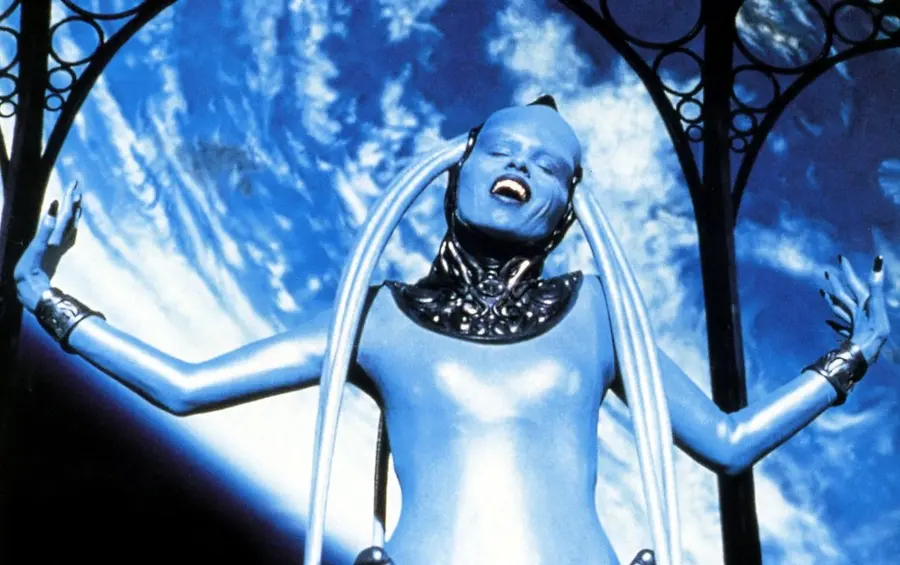
I was really excited to compose the symphony that would go into 〈The Fifth Element〉 and to work with a soprano on 'Diva Dance'. As someone who had never received formal music education, I was an outsider, wild like a wild animal, facing a sound that was the most demanding, intricately trained, and highly refined technique. At that time, I was introduced to the rookie soprano Inva Mula. She came to my studio first, and upon seeing the scores I had laid out, she immediately started warming up and practicing her voice. Is there any sound purer than the human voice? I knew right away how incredible her voice was. Like Bruce Willis in the movie, I was trembling in front of an enormous instrument, unable to move. I thought she would only be able to produce about 60% of the piece I had composed, but thanks to Mula's outstanding skills, she produced about 85%, contrary to my expectations. The rest was fixed with auto-tune. The agent who brought Mula was a legendary figure who had been Maria Callas's agent, and after completing the music, when they came back to the studio, I was incredibly nervous inside. I was worried that the agent, who had experienced grand opera productions with Maria Callas, would be disappointed by my music following the 'Mad Scene' from Donizetti's 〈Lucia di Lammermoor〉. However, they loved the final version when they experienced it alongside the film scenes. Before the film's success, that moment of being recognized by industry professionals was truly joyful. It felt like all the years of effort I had put in alone without a teacher were finally acknowledged. Even now, nearly 30 years later, many sopranos are still challenging this piece 'Diva Dance', and people around me keep sending me messages asking if I've heard it. So every year, I try to rank the best arias on my own list. That list is updated almost every year. (laughs)
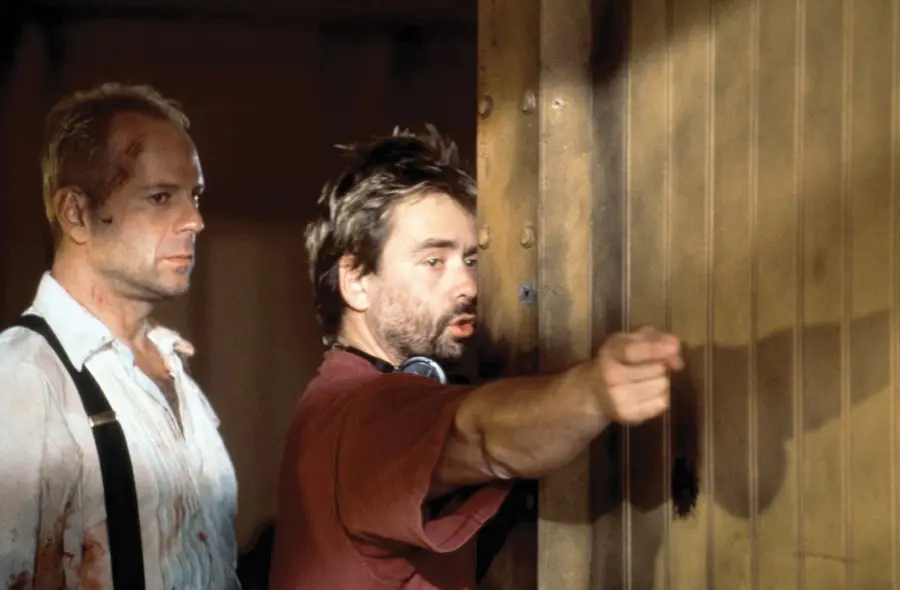
Film music composers who have left their names alongside every film director are, in some ways, incredibly fortunate artists who have learned how to communicate with each other in a remarkably rare way. Film directors have what they want in their minds, but they don't know how to explain it in the precise language of music. Their explanations are just abstract, like raw gems just mined from a mine. The task of a film music composer is to take that abstract and ambiguous part and turn it into concrete music, processing the raw gem into a shining jewel, creating the perfect size and bringing the finished product. It's a difficult task. In the process of that vague something existing only in the director's mind crossing over to the music director's work, there inevitably arise ambiguous parts, leading to misunderstandings. In that sense, both Luc Besson and I were lucky. We communicated without needing to explain everything in words. I think it was a miraculous form of communication.
Film music must absolutely exist to faithfully serve the film. In any case, it should contribute to the atmosphere of the film, and when the image loses its strength or the narrative shows weaknesses, the music should step in to complement those vulnerabilities, intensifying the accumulated emotions and contributing to the overall completeness, acting as a generous helper. It is not always a good thing for film music to remain in the memory independently of the narrative and images. In fact, it might be better if, after watching a film, the music doesn't particularly stand out in memory. Especially these days, it seems to be more so. Film music cannot exist independently without the film. That's why I continue to pursue my solo albums and performances with the group RXRA (which, when pronounced in French, sounds like Éric Serra - editor's note) as separate music projects. This music is presented on stage, separate from film music, and it is also a way for me to maintain my identity as a performer, which is the starting point of my music career, while recharging myself. Especially, these members are ethnic African percussion specialists, saxophonists, and guitarists recognized by the Paris Conservatory, possessing musical qualities superior to mine, and they are musicians trained through formal music education. They are friends who can fill in my shortcomings, and by working with such musicians, I can continue to improve musically.
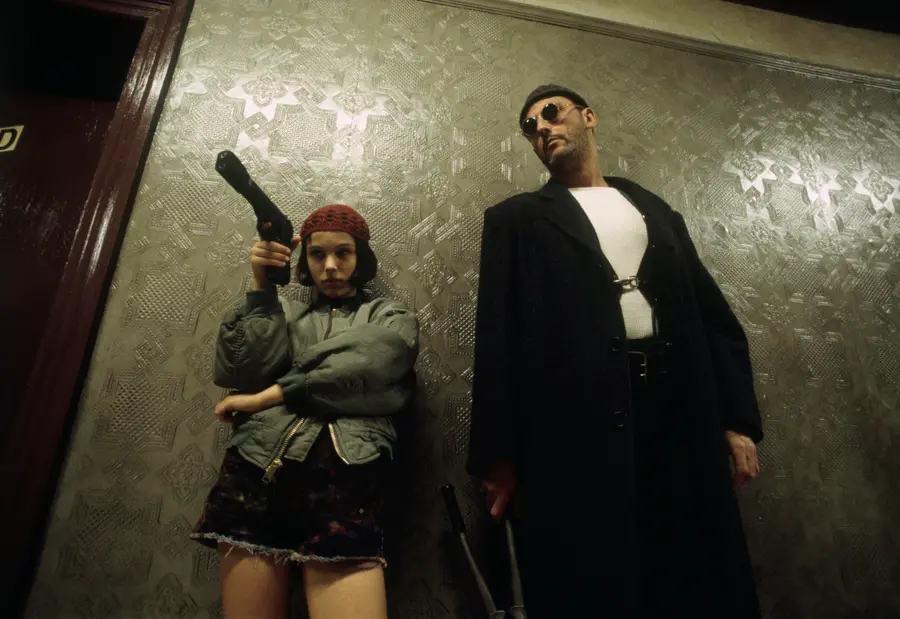
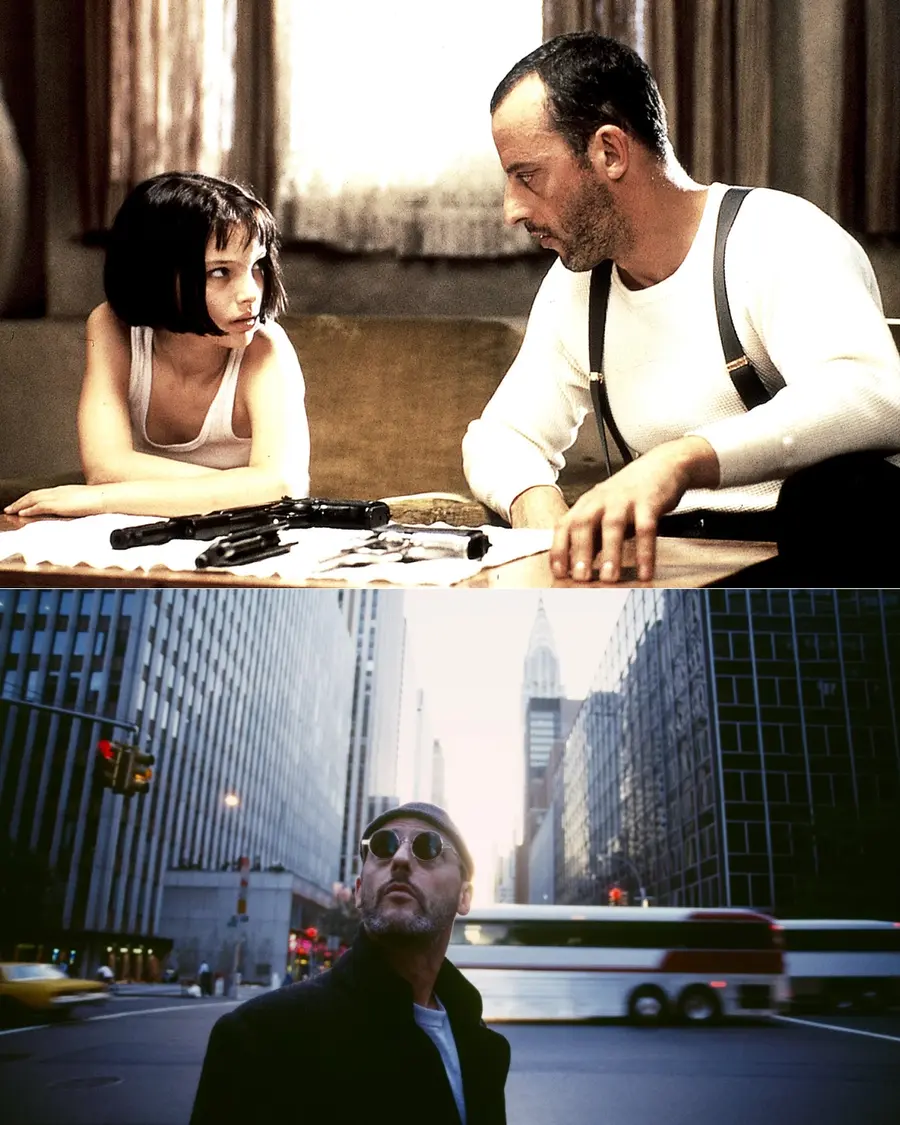
If I had to choose just one among all the films I've worked on, it would be as difficult as answering the question of which child I like best or who I prefer between my mom and dad, because every work leaves its own history and emotions. However, if I really had to choose just one piece, I would choose 〈Léon〉. Musically, narratively, and in terms of the film's success, that intense atmosphere also makes 〈Léon〉 hold a special place in my heart. It was Luc's choice to use Sting's song, but it ultimately became a hugely popular OST.
In fact, even after coming to Jecheon, I am endlessly continuing my work on music, always chasing deadlines, and every time I start a new project, I feel an endless fear. The devil in my heart whispers, saying, this time you will fail, you won't be able to do better, making me weaker and causing my inner courage to fade, leading to feelings of frustration. It's hard because I can't get immediate feedback on whether I'm doing well or not, making film music even more challenging. Even if I finish a project satisfactorily and the film is released successfully, winning awards or such, that success is merely an evaluation of past work from years ago, not feedback on the current work I'm doing. At such times, it feels like being sucked into a swamp or quagmire. Now I am over 60 years old, and I have even overcome cancer, continuing the tours that were interrupted by the unprecedented pandemic of COVID-19.
It has been nearly 40 years since I became a full-time composer dedicated solely to film music after 〈The Big Blue〉, and every time I write a new piece, I feel like I am nothing and insignificant. The advice I can give to younger composers who are trying to follow this path is to create work that satisfies themselves. When writing a piece, I know best whether it is something I would be satisfied with as an audience. I must write a piece that makes me happy, fulfilled, and proud. Even if it's just a single phrase, if I can achieve that, the completed piece will likely sound good to others as well. As more people enjoy my music, the chances of them saying it resonates with them and is excellent will increase. Those people start from one or two, then grow in number, and that satisfied me becomes you, and that he or she becomes what is commonly referred to as the audience, meaning they become us, who are moved by the same melody and tune. So I strive to do my best to write pieces that satisfy myself and pour myself into them. I know from experience that one day we will become 'us'. I felt that once again in the cheers of the audience I met in Jecheon. At the end of the performance at the Jecheon Arts Center, everyone who was there for a moment was 'us'. I sincerely hope to return to Korea someday and meet more of 'us'.
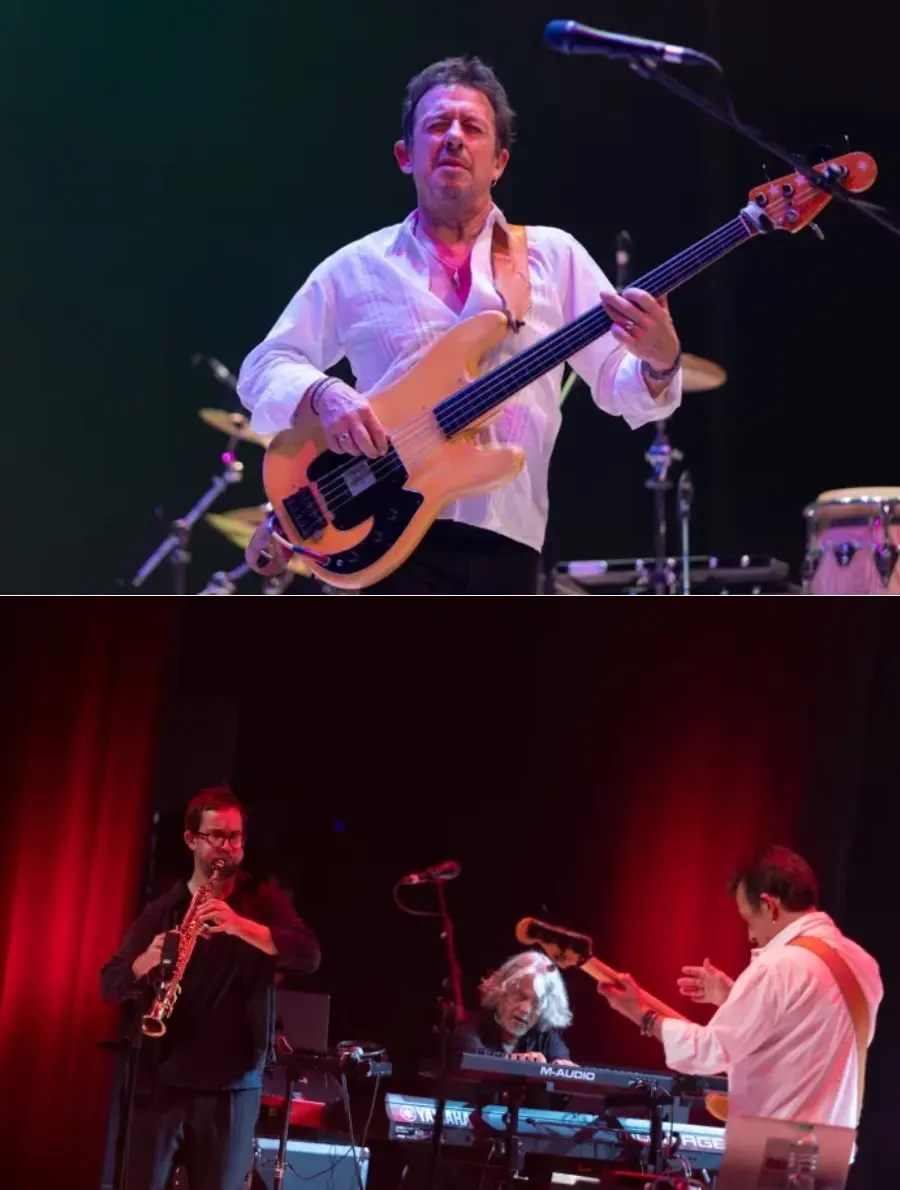
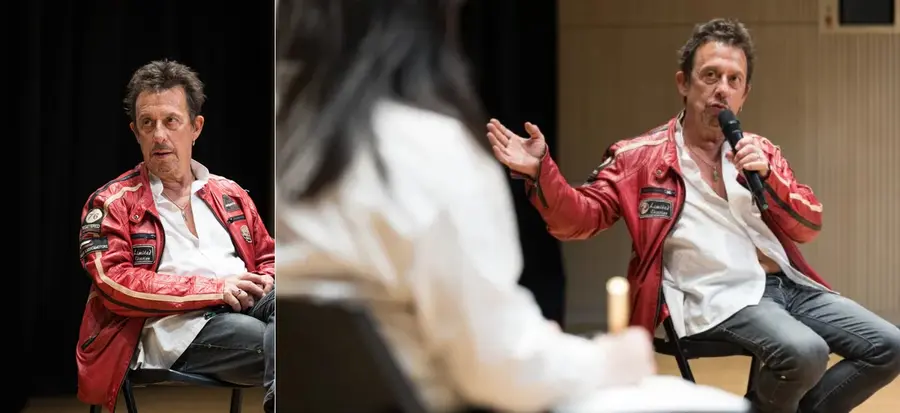
On Saturday, September 6, the RXRA band took the stage at the Jecheon Arts Center, showcasing an amazing concentration and immersion throughout the 100-minute runtime, delivering vivid performances that evoked scenes from the films with each piece played. Music director Mog, who attended the concert, commented, "Cinephiles who encountered new films represented by Luc Besson in the 90s have been decorating indoor spaces with posters of 〈The Big Blue〉 or 〈Léon〉 as if it were a trend. Thanks to Éric Serra's performance, it felt like we were transported back to the time when the Nouvelle Vague films were fresh shocks to everyone." Although the somewhat dry acoustics of the hall left a short reverberation, throughout the repertoire that spanned from the theme of 〈The Big Blue〉 to Éric Serra's Hollywood debut work 〈007 GoldenEye〉, the band members from the Paris Conservatory shone as soloists at every moment. It was a brilliant performance where the musical capabilities honed over a long time sparkled, making the 100 minutes feel incredibly short.









댓글 (0)
댓글 작성
댓글을 작성하려면 로그인이 필요합니다.
로그인하기