



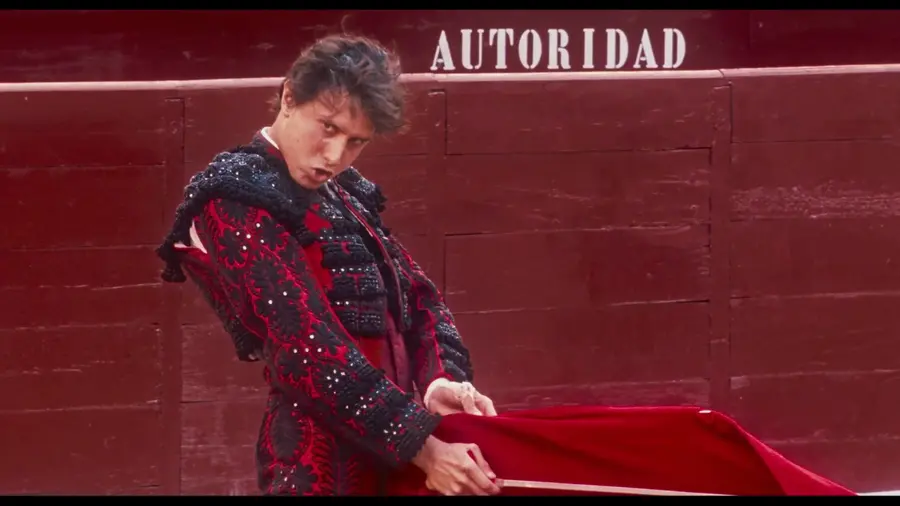
This is the first time that a work by director Albert Serra has received an official theatrical release in South Korea. 〈The Solitaire Afternoon〉 is a film that closely captures the look of world-renowned bullfighter Andrés Roca Rey, one of the giants of modern bullfighting, created by director Albert Serra, who is widely regarded as one of the most original filmmakers in the contemporary film world. It relentlessly captures the world of bullfighting from the moment a costume is put on to the silence after the bout ends. Composed only of images and sounds related to bullfighting, with no interviews or commentary, the film stares intently at moments where humans and animals, life and death, and beauty and violence intersect. In Cahiers du cinéma’s 2025 best films selection, it was named No. 1 film of the year, beating out Paul Thomas Anderson’s 〈Born to Fight Another〉 (No. 2), Cléber Mendonça Filho’s 〈Secret Agent〉 (No. 4), Richard Linklater’s 〈Nouvelle Vague〉 (No. 8), and others.
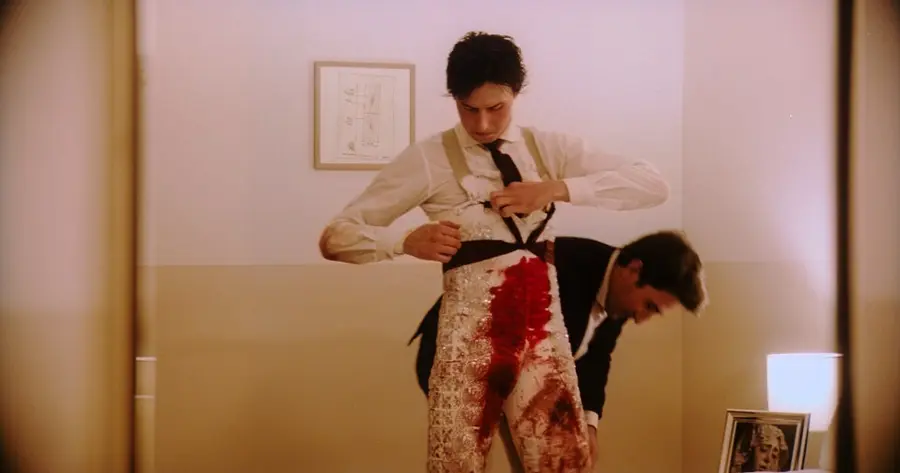
Albert Serra has been building a distinct film universe centered on images, time, and sensations. Beyond film, he has continued working that freely crosses the boundaries between artistic languages such as film, installation, and performance, by exhibiting at prestigious events like documenta and the Venice Biennale. 〈The Solitaire Afternoon〉 is also attracting attention in that it expands the aesthetic traits shown in his previous narrative film work into the real world. In a film where flamboyant costumes, intricate gestures, and the violent force of primordial rites coexist, it offers an intense cinematic experience that goes beyond the format of traditional documentary.
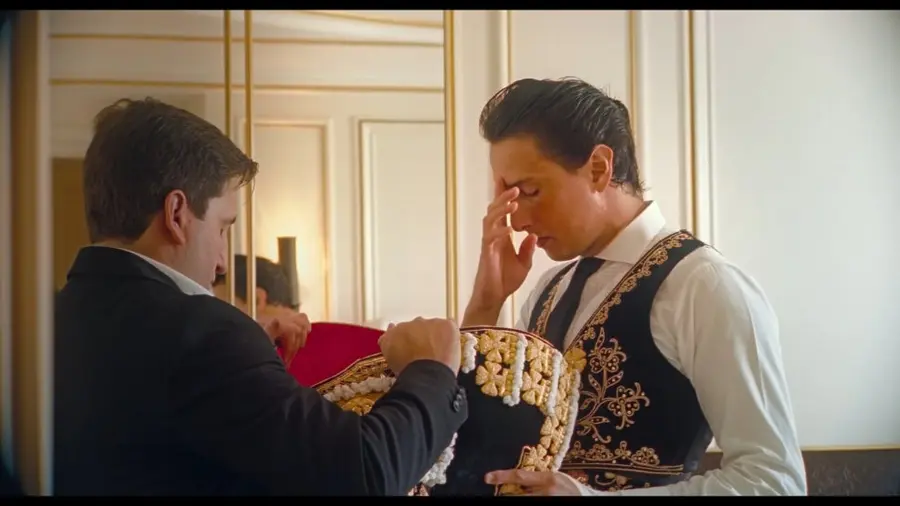
As a child, Albert Serra would often go looking for a bullring near places such as Figueres or Olot in northern Catalonia, his hometown, following his father. After that, he lost all interest in bullfighting. About six to seven years ago, an acquaintance he knew in Banyoles became the manager of a very famous bullfighter, José Tomás. Because people in the bullfighting industry are usually from southern Spain, it was an extremely unusual situation. Thanks to that, he could come into contact with the world of bullfighting much more closely. Around that time, a request came in from a documentary master’s program in Barcelona asking him to film something with the students. Since he usually liked documentaries, he saw it as a once-in-a-lifetime opportunity. In an interview with “Uni France,” he said, “I have long admired the bold way of approaching things, like the films of Wang Bing or Gianfranco Rosi, and the way of capturing on screen realities that are mysterious, difficult to access, and sometimes even controversial. But around me, I couldn’t find subjects that could create that kind of fascination. After a lot of thinking, I felt that only bullfighting could reach that level.” He added, “It was a world made up of something anachronistic and controversial, built from a tradition that feels like it’s somewhere a little crazy. And I thought it would make it possible to create the kind of documentary form I was interested in. Moreover, I had the certainty that by making use of the audiovisual possibilities offered by digital technology, I could build a completely new approach.”
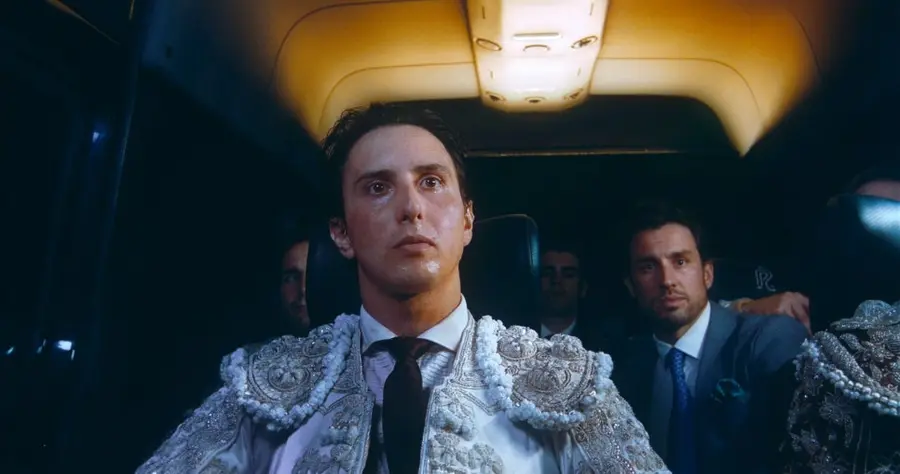
Despite being a documentary, 〈The Solitaire Afternoon〉 strongly calls to mind Albert Serra’s earlier narrative works. In South Korea, it has been something you could only meet through film festivals—much like 〈Homage to the Bull〉 〈The Death of Louis XIV〉 〈Pacifiction〉. In those films, he focuses on the “noble yet at the same time ridiculous delusions” (mythomanie) of a single man standing alone at the center of the world. Andrés Roca Rey is the kind of figure who can end up being mocked—or even a target of hatred—simply because his self-awareness about himself is too high. In the same interview, Albert Serra said, “〈The Solitaire Afternoon〉 aimed to approach a paradox: showing the private intimacy of a man who constantly exposes himself (exposition).” He also said, “Because that intimacy never fully reveals itself, in the end we know almost nothing about this man’s private life, so we wanted to film him even more. It was to try to get a little closer to what lies behind the surface.” He added the following: “If any fascination is at work in this film, it’s because Roca Rey is fascinated with himself—and because even his own image is hypnotized. He constantly looks for mirrors. And the moment he finds one, he dives deeply into it. I’m sure that even when he’s in a car, facing the unmanned camera fixed in the front seat, he keeps looking at his reflected self. He’s likely doing it to admire his own image, and sometimes to mess with it, with a hint of irony. The whole film is essentially a metaphor for a kind of ‘cinema.’”
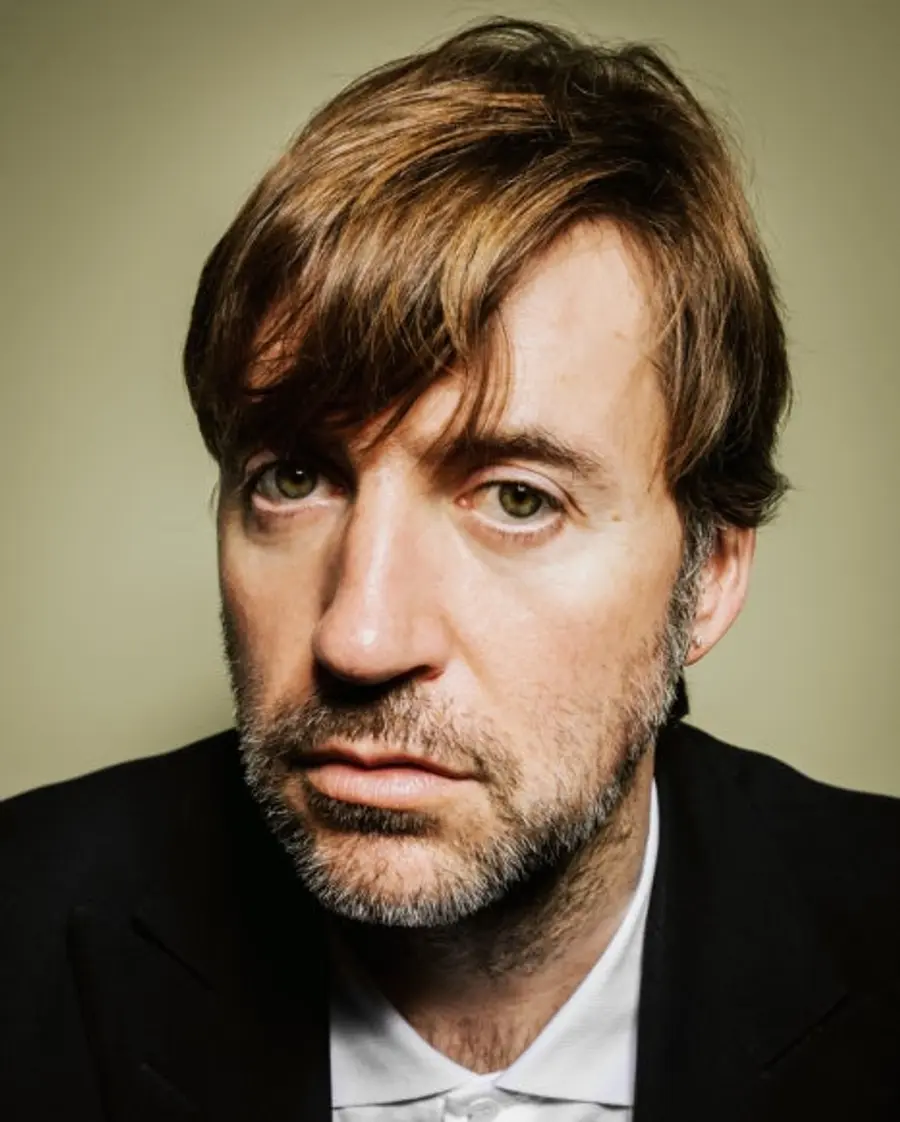
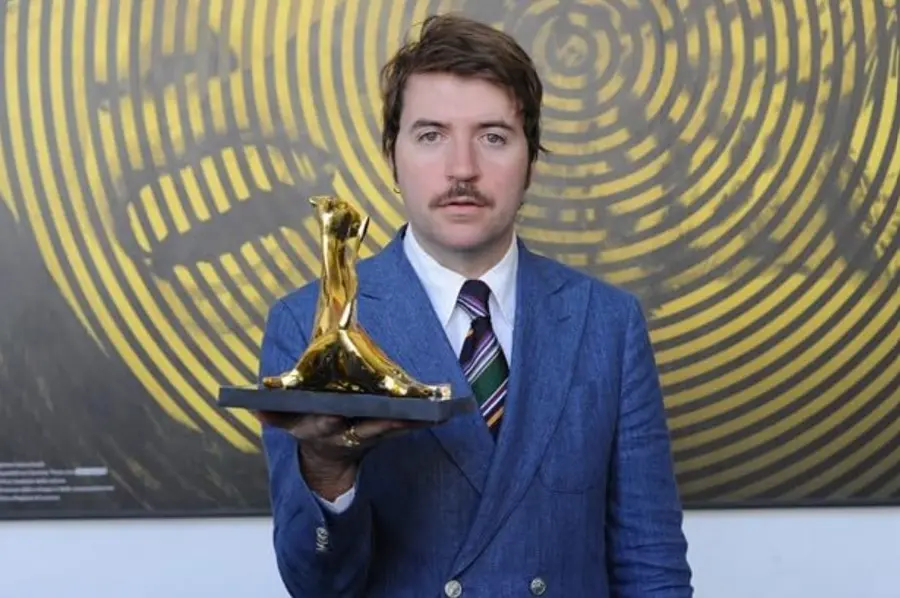
Now, as mentioned earlier, I want to step into the world of Albert Serra’s previous films, where figures appear who shout “mythomanie” from the center of the world—“noble yet at the same time ridiculous” people. The method Albert Serra chose for that was to depict a wandering Odyssey that sets no destination within a vast original work. In 〈Homage to the Bull〉 (2006), he enters the novel by Cervantes and becomes an elderly Don Quixote. In 〈Song of the Birds〉 (2008), he becomes the wise men from the Bible’s East and wanders through the wasteland. And in 〈The Story of My Death〉 (2013), he even brings together in one place Casanova (a real historical figure) and Dracula (someone people believe to be a real figure).
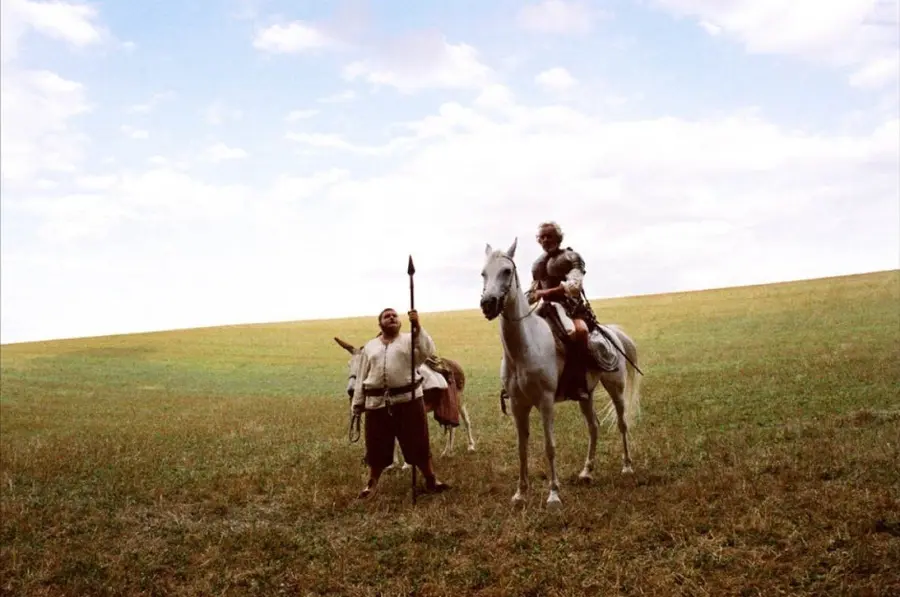
Albert Serra himself is a figure like a modern-day Don Quixote in cinema. The second feature 〈Homage to the Bull〉 itself, which was invited to the Cannes Film Festival and made it into Cahiers du cinéma’s top 10, is an adaptation of Cervantes’s great Spanish literary masterpiece 「Don Quixote」. In his earlier feature debut 〈Crespia〉 (2003), he tried to break down the boundary between fiction and documentary. But in 〈Homage to the Bull〉, he sets off on a cinematic journey in which even distinguishing between the production team and the actors, between sets and real locations, and between the script and improvisation is meaningless. He travels with Sancho—no, with a man who seems to think of himself as Sancho because Don Quixote just calls him Sancho. The film also continues with long takes accompanied by a strange sense of poetic mood. While Don Quixote and Sancho only listen to the sounds of insects in silence, the film shows a full moon that hangs over a tree and then gradually rises until it reaches the middle of the sky. As you know, the moon stays the same, but Earth moves, making it appear that way. The art that Albert Serra imagines is likely the same. Only the differences in interpretation vary; the essence remains the same.
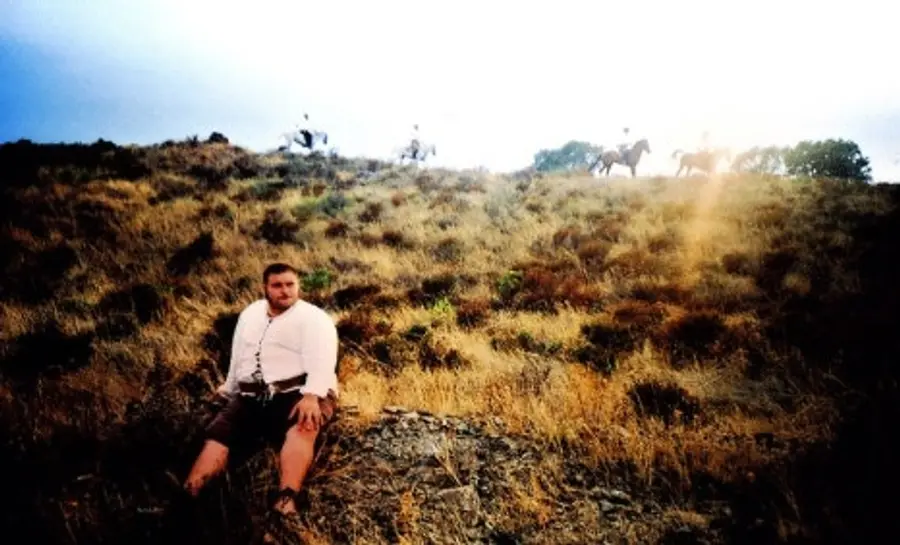
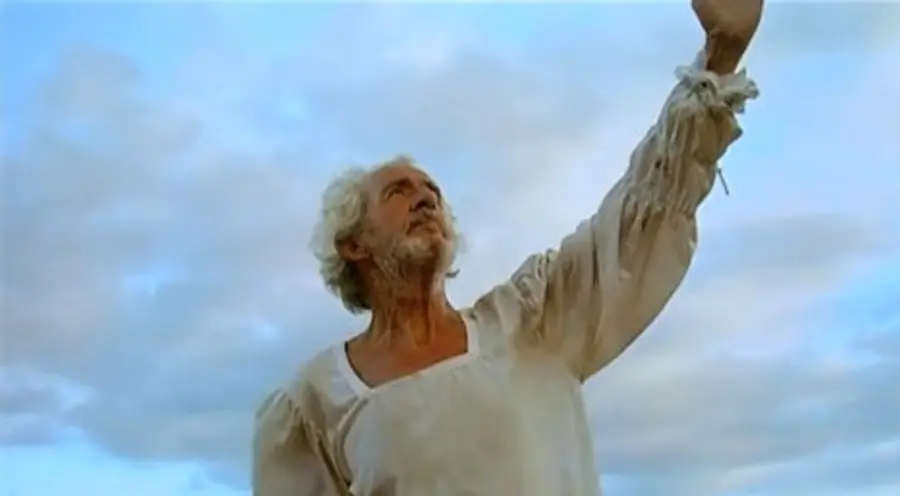
With narrative structure—clear exposition, rising action, and a climax—excluded, Don Quixote and Sancho exchange lines that seem, at first glance, meaningless between great literature and real life. What fills the space between the “words” Don Quixote pours out unilaterally is only the world’s “air” and “wind.” That adventure of delusion resembles the lonely anguish of contemporary artists who have lost their way. Don Quixote’s rhetoric of that anguish is long-winded, yet it reaches a strange and also sublime reflection. Strikingly, with a few brief lines here and there, Albert Serra did not take dialogue from the original work. It’s as if he’s following the journey of Don Quixote and Sancho existing outside the original text. But does that even make sense? Don Quixote and Sancho are characters who exist because 「Don Quixote」 exists. Yet Albert Serra seems to summon them as if the original never existed and records their journey. It isn’t a reinterpretation of the original or a reconstruction of it. It’s a re-creation of an idea and a world that borrows only the character names from the original. As he drifts through a surreal world that can’t be explained—and perhaps is not even meant to be explained—he suddenly asks, in Don Quixote’s voice, about the paths that literature and film—and beyond that, art—should take. “Now, where do we have to go?”
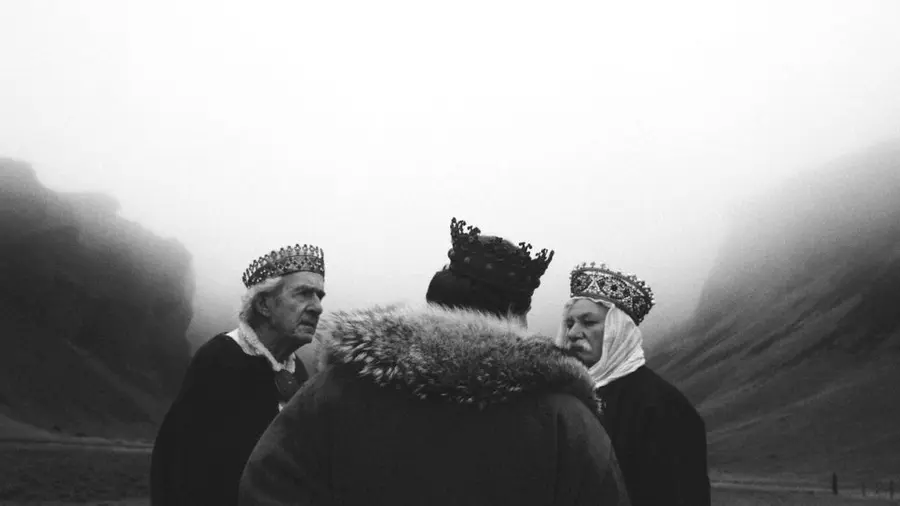
The most familiar phrase for describing the original 「Don Quixote」 is that it is “the book translated into more languages than the Bible, on Earth.” And yet, surprisingly, Albert Serra’s next destination after 「Don Quixote」 is the Bible itself. 〈Song of the Birds〉 (2008), which draws on the story of the three wise men in the Bible who follow the guidance of a star to go pay homage to celebrate the birth of the baby Jesus, and on the other hand takes its title from a folk song from the Catalonia region, also pulls off another surreal journey with an eerie poetic atmosphere—again, like 〈Homage to the Bull〉. Where does that desire come from, to drag in those huge originals—Cervantes’s 「Don Quixote」, the Bible, and other works that feel somewhere like a mirage? If there is one commonality between two “works” that look entirely separate, it’s that they are originals that can’t be said to have a single definitive edition.
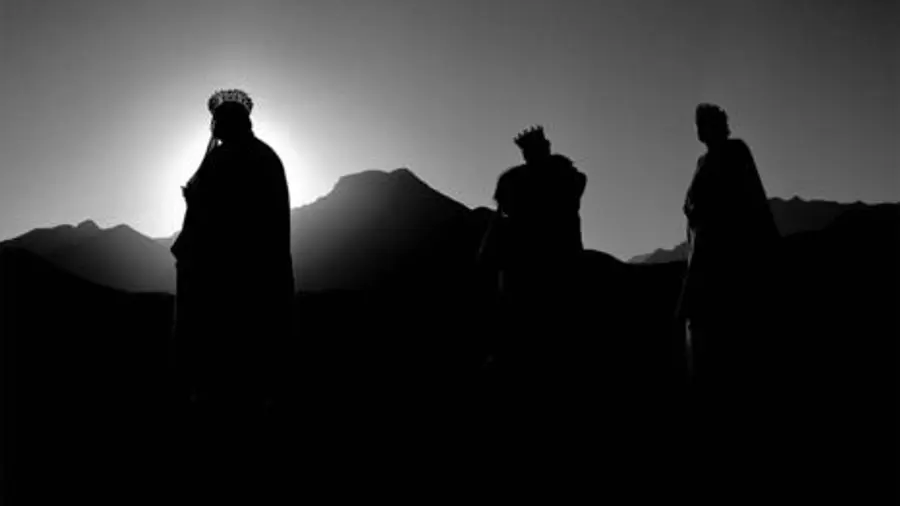
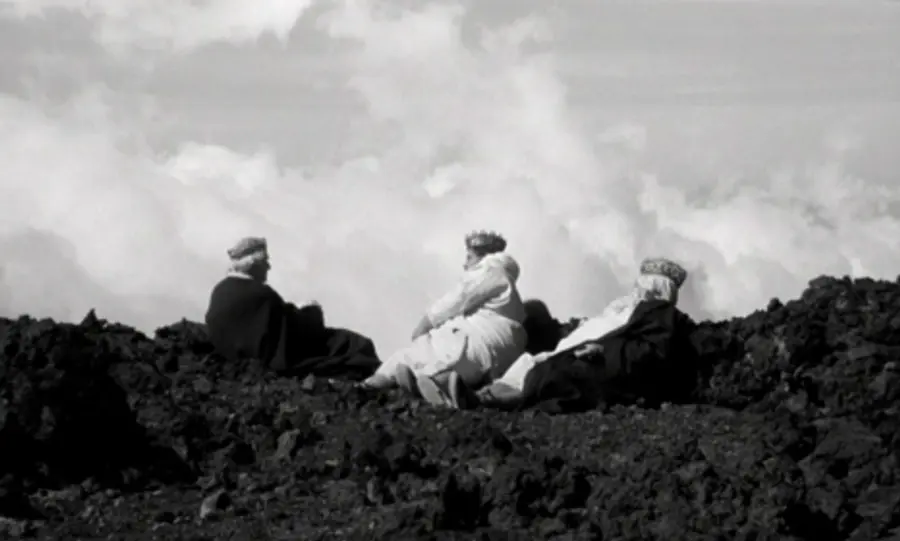
Maybe that’s what led Albert Serra to the stories of the Bible. In a cramped place, the three wise men jostle and bicker so much it feels like black comedy when they sleep. Here, the director’s desire is to watch the wise men’s decision to refuse King Herod the Great’s orders and, in the end, pay homage to the Messiah. In the biblical story as commonly known, Herod the Great, who believed a new king had been born to replace him, sent the wise men on his behalf. But after they worship the baby and offer their treasures—gold, frankincense, and myrrh—they take instruction from a dream and do not meet Herod; they return directly to their home country. At this point, the existence of the Messiah—now finally something the wise men have encountered—can be converted into the lofty realm and value of art, which longs to face what it is really seeking. Two films that, at first glance, seem to dismantle everything and follow no rules, ironically share a common point: they are both “road movies” that keep searching for something.
▶ 〈The Solitaire Afternoon〉 An article about director Albert Serra continues in Part 2.

![[First Impressions] Cineplay Critic Rates 'Heart of the Beast'](https://cdn.www.cineplay.co.kr/w300/q75/article-images/2026-10-21/20b314b3-78d4-4985-a5a5-9a9fb557022c.jpg)

댓글 (0)
댓글 작성
댓글을 작성하려면 로그인이 필요합니다.
로그인하기