


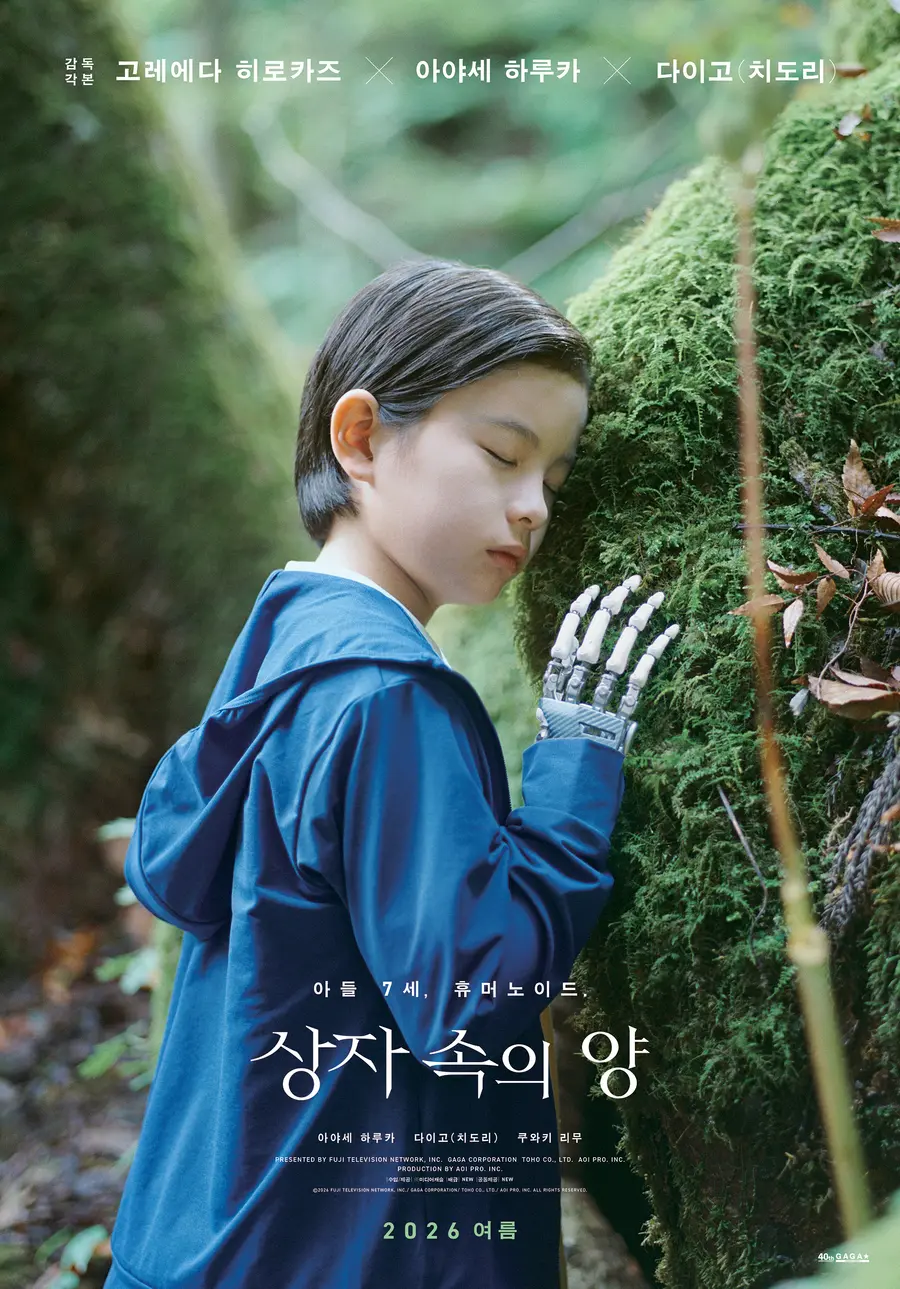
〈The Sheep in the Box〉 may be Kore-eda Hirokazu’s most ambitious film, but its reach exceeds its grasp. Revisiting his long-running interest in alternative-family narratives while returning to science fiction after 〈Air Doll〉 (2009), Kore-eda attempts to expand his themes beyond the human realm to include nature and spirituality. At the same time, stepping away from the image he has cemented as a master of family melodrama and realist direction, he puts his long-standing interest in science fiction front and center. But that ambition ultimately feels less like daring than overreach. The film premiered at this year’s Cannes Film Festival to harsh criticism, and I was also left disappointed by the film’s execution. The film stitches together large themes—AI ethics, mourning and ecology—too thinly. As a result, scenes meant to carry the director’s intent often fail to transmit sufficient emotional or thematic weight to the audience and instead fall flat, serving only as weak patches in the narrative. That scattered approach prevents the film from achieving a coherent overall meaning. Still, the film reveals the intensity of Kore-eda’s ambitions and the ideas he appears to be wrestling with in 〈The Sheep in the Box〉.
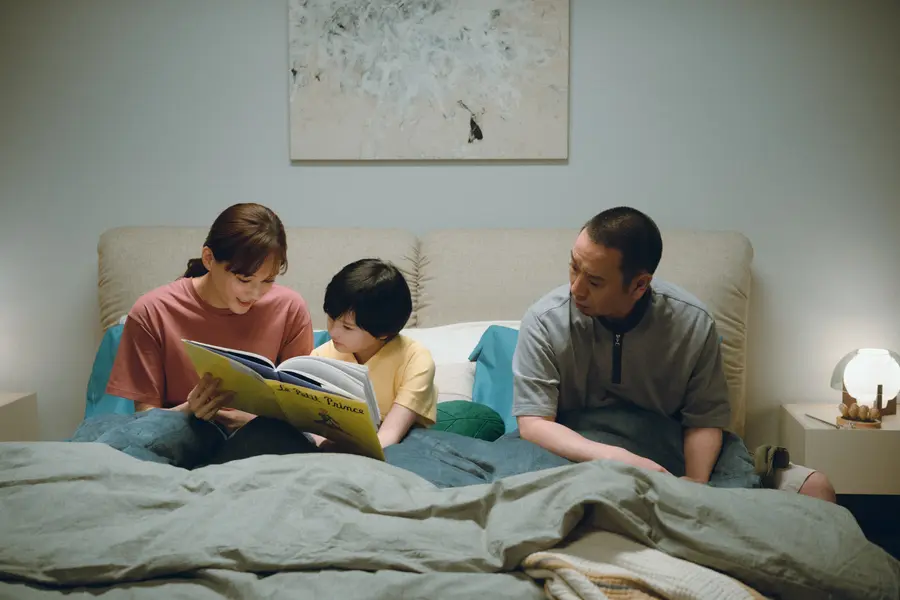
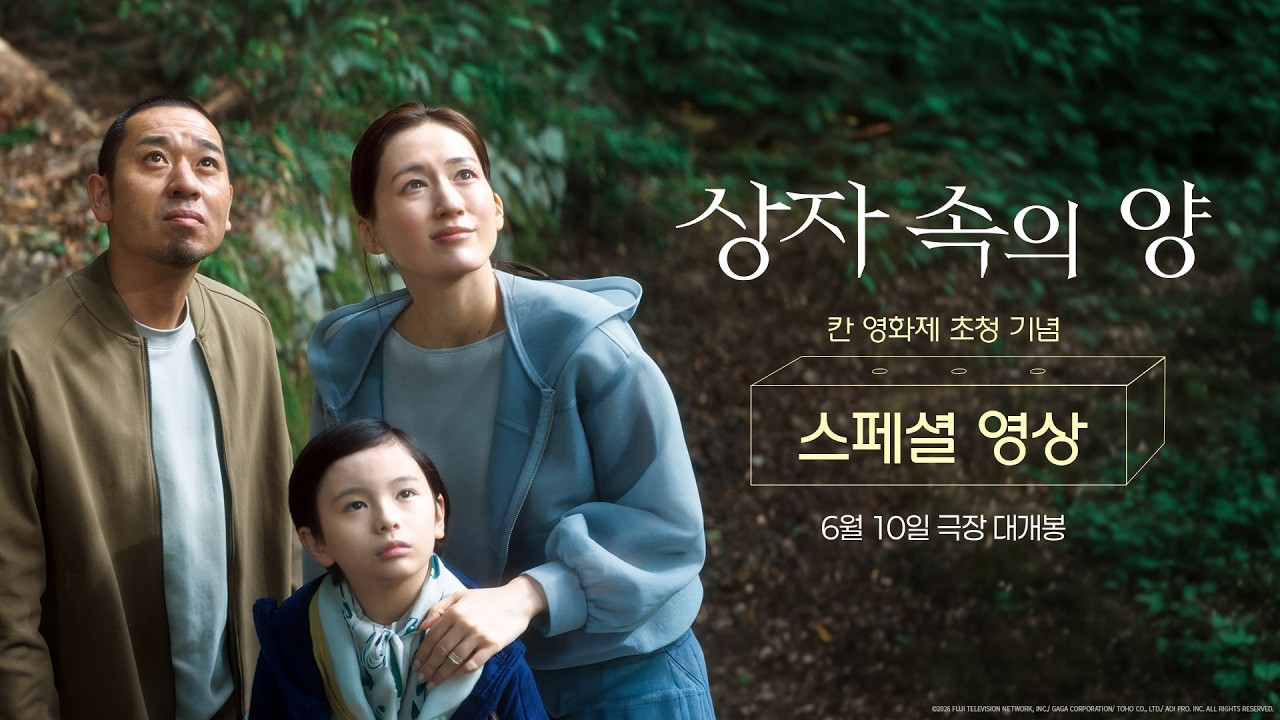
Architect Otone (Ayase Haruka) and her husband, Kensuke (Chidori Daigo), who runs an architecture firm, lost their only son, Kakeru, two years earlier. They bring a humanoid AI replica of their dead son, Kakeru (Kuwaki Rimu), into their home through a humanoid rental service called 'Reverse.' Otone becomes emotionally dependent on the humanoid Kakeru, while Kensuke hesitates to accept him, weighed down by guilt over failing to protect their son. Meanwhile, as Otone works to complete a commissioned architectural project, Kakeru's secret project gradually progresses alongside her efforts.
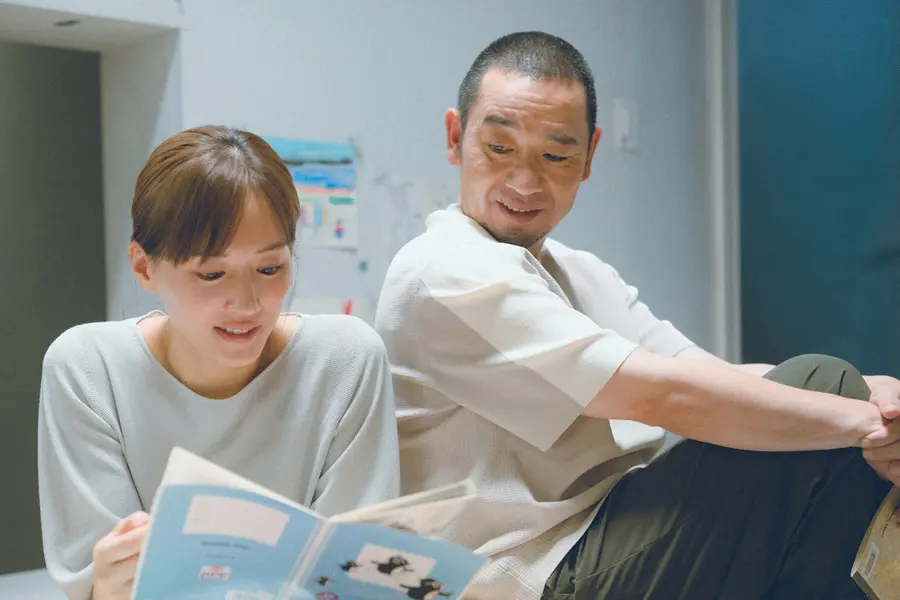
〈The Sheep in the Box〉 imagines a near future and the new problems families face in the age of AI. "Is it ethically right to recreate a dead person with AI?" is the film’s starting point, and the director treats that question with a clearly critical stance. In the film, Otone and Kensuke selectively provide the company Reverse with their child's voice, image and video data. The humanoid Kakeru reconstructed from those materials is a product into which the survivors’ regrets and desires have been projected—it is not the original. From that point, Kore-eda shifts away from a narrow examination of AI ethics and turns instead to the question of how people mourn, asking again, "To whom does the dead person belong?" The desire to recreate the dead through technology is not a simple restoration; it is closer to an attempt to substitute absence with a tangible presence because the loss has not been acknowledged. Consequently, AI ethics becomes, in the end, a question about how humans who cannot let go of the deceased will grieve. In fact, in 〈The Sheep in the Box〉, the sci-fi element of a humanoid AI functions primarily as a gateway and stage prop for a drama about mourning. That choice may disappoint viewers who expected Kore-eda to offer a sustained philosophical consideration and clear answers about the relationship between AI and humans. Still, Kore-eda’s reflections on mourning leave some worthwhile points to consider. As in his earlier films, Kore-eda uses the story to cast a sharp eye on Japanese society.
Belief in the Invisible Realm
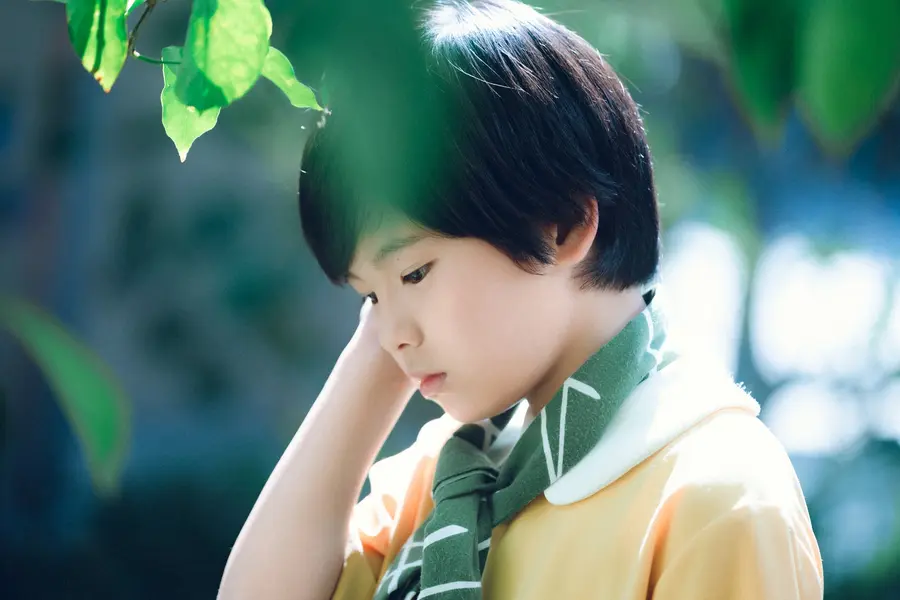
By keeping a humanoid replica of her dead son by her side, Otone gives sensory form to her absent child. She avoids the pain of loss by summoning the son who exists in the invisible realm inside the box back into the world of the living. Otone's way of mourning is metaphorically shown through a Little Prince snow globe that appears in the film. Like the Little Prince figurine trapped inside the snow globe, Otone attempts to keep her dead son attached to the visible world. The Little Prince model functions like the humanoid Kakeru—a representation of the deceased. In contrast, Kakeru takes the Little Prince out of the snow globe and places him in a toy-block house, freeing the figure from its physical constraints. That moment also foreshadows Kakeru's own liberation revealed at the film’s end.
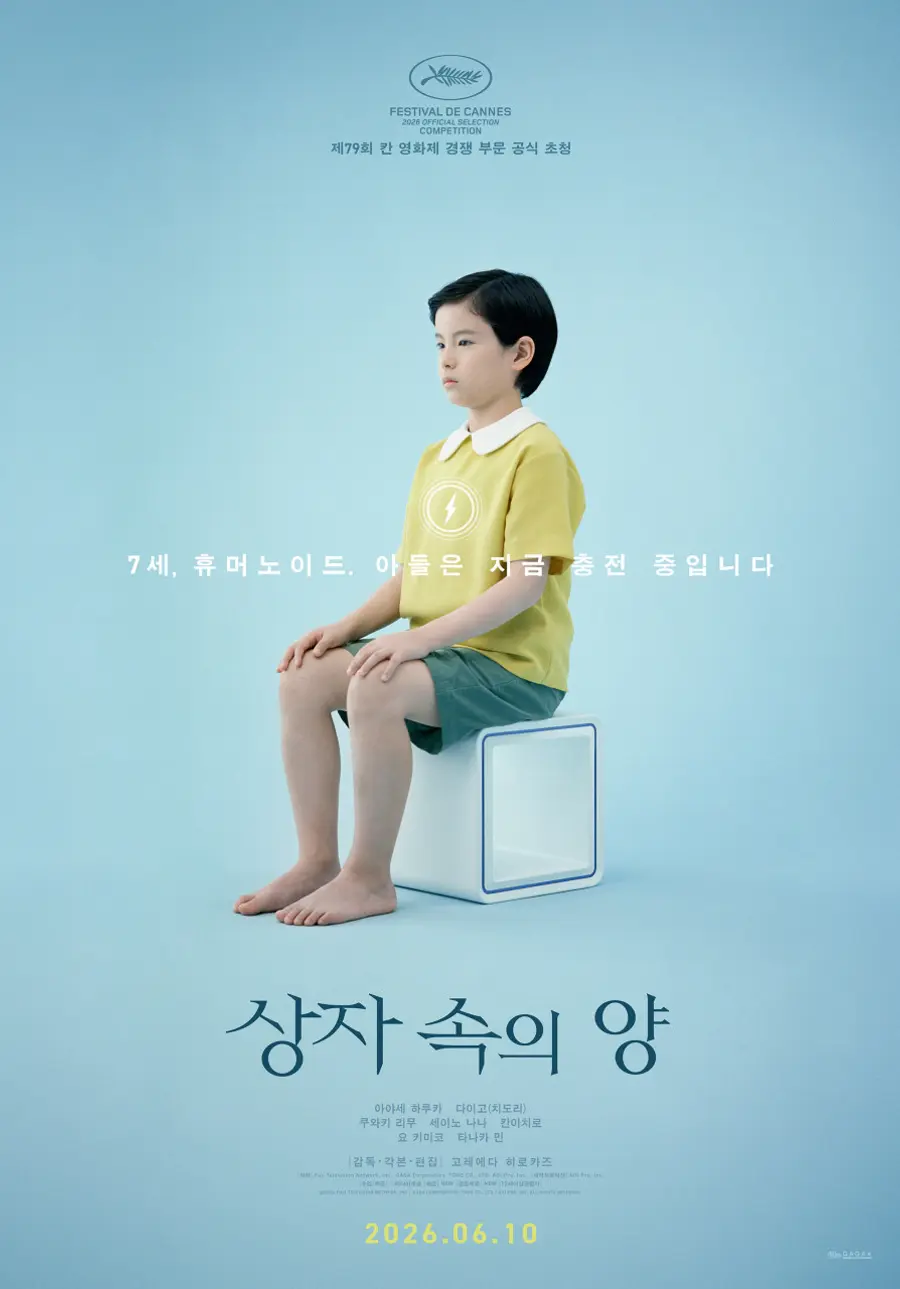
Kore-eda Hirokazu rejects Otone's mode of mourning in the film and, through the 「The Little Prince」 motif of the "sheep in the box," proposes a truer way to grieve. In the original 「The Little Prince」, the sheep inside the box is an entity created by the Little Prince's pure faith and imagination. There, the box is not a container for absence but a device that makes an unseen presence imaginable. The sheep does not so much "exist" inside the box as it exists in the believer’s inner world. In the film, however, Otone and Kensuke accept the box as the realm of death and cannot believe in the sheep’s existence. They are consumed by a desire to replace absence with a tangible object because they cannot accept the loss. That impulse resembles an attempt to possess the vanished person. The film contrasts living with an absent being through imagination and faith against the fixation on freezing that being into a visible form, and it sharply divides the directions grieving can take. The director argues that true mourning comes from believing that the absent one remains in an invisible realm.
▶ This article about Kore-eda Hirokazu's 〈The Sheep in the Box〉continues in Part 2.


![[Photo&] “AI That Replaces a Dead Son” Hirokazu Kore-eda’s New Work ‘A Sheep in a Box’ Unveiled at the Cannes Film Festival](https://cdn.www.cineplay.co.kr/w160/q75/article-images/2026-05-18/c298c0ef-4fad-4f85-84b4-f5275dfd7b67.jpg)
![[Photo] Three Japanese Masterpieces Enter the Cannes Competition for the First Time in 25 Years...Japanese Directors Chasing the Palme d’Or](https://cdn.www.cineplay.co.kr/w160/q75/article-images/2026-05-21/1f7fefad-5ad2-40d9-af02-2621617e7b16.jpg)
댓글 (0)
댓글 작성
댓글을 작성하려면 로그인이 필요합니다.
로그인하기