



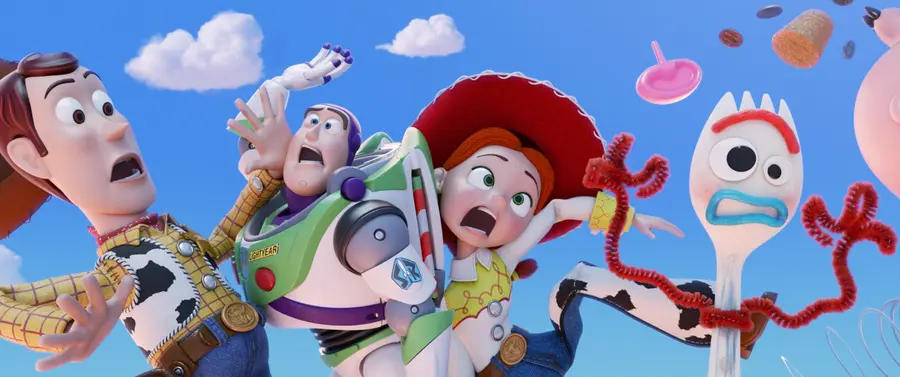
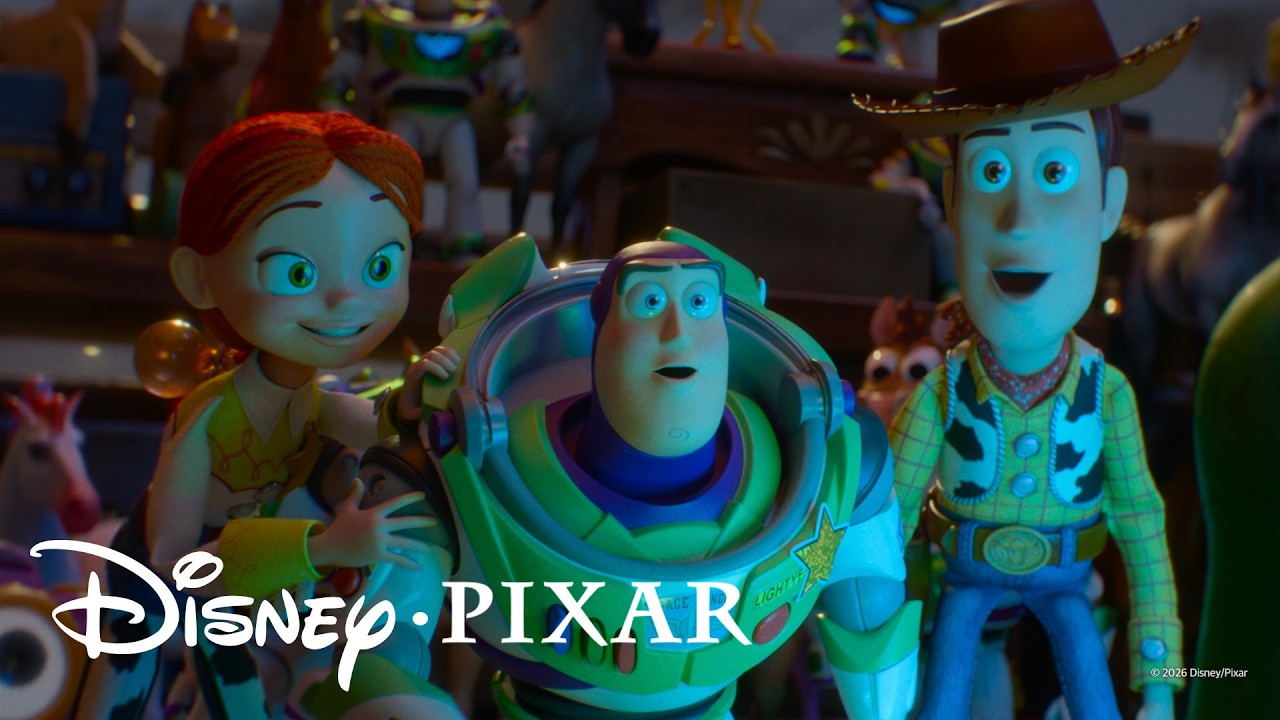
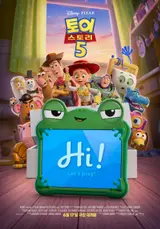
After seven years, the toy gang returns to theaters. Pixar Animation Studios' flagship franchise and a leading force in 3D animation, 〈Toy Story〉, was scheduled to open on June 17. The Toy Story series — which took 11 years between parts 2 and 3, nine years between parts 3 and 4, and seven years this time — now carries nearly as much anxiety as anticipation.
That reaction was understandable. Similar skepticism greeted the announcement of the fourth film. As Pixar's signature property, expectations were high, but many asked, why bother? Two reasons drove that question. First, 〈Toy Story 3〉 had a perfect ending. Second, at the time Pixar still had the image of a studio that produced strong original films, so there was no obvious need for another sequel. People now say Pixar's internal direction has shifted toward developing sequels, as sequels have performed much better.
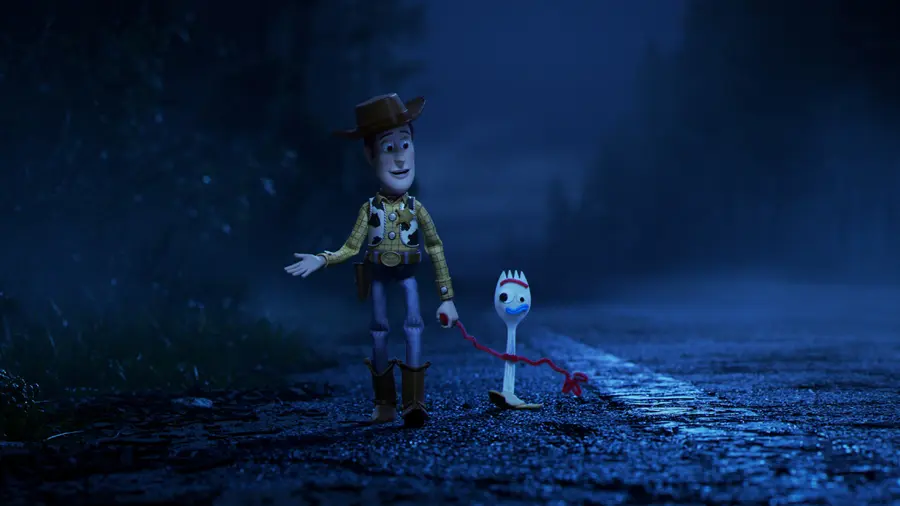
When 〈Toy Story 4〉 finally arrived after nine years, the response was generally positive. It also crossed the $1 billion mark at the box office. Looking back, though, reactions were somewhat lukewarm. People were broadly satisfied, but many focused more on the film's flaws. That was largely because the third film ended so neatly that many gave the series "the greatest trilogy ever" level of praise; against that tidy conclusion, a new story centered solely on Woody felt unnecessary to some.
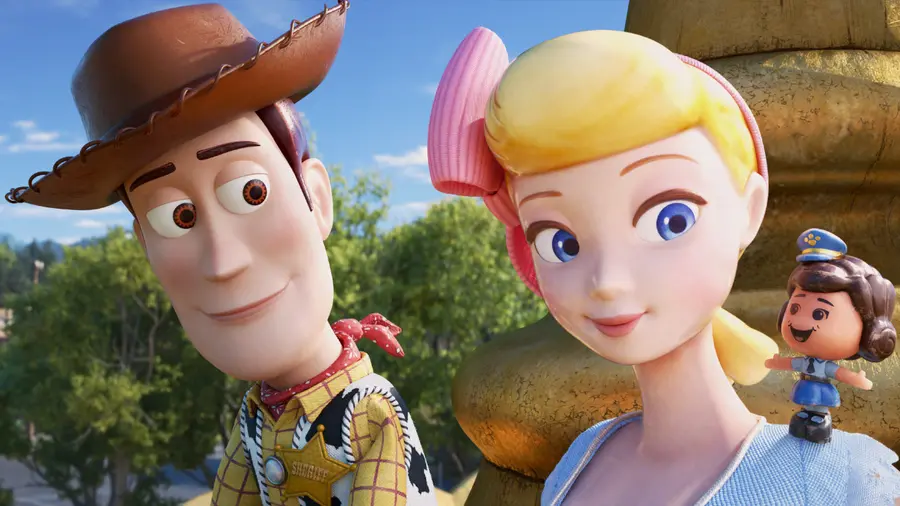
Because of that, the fourth film was a risky proposition from the start, and the finished movie is quite radical. The toys that had carried the series move to the margins. Instead of the ensemble that felt like a team in the third film, the narrative is reorganized around Woody. Though still the lead, Woody is sidelined, almost like an aging figure pushed to the margins. There, by chance, he runs into Bo Peep at an antique shop — a friend, or lover, he had lost — and in the end he does not return to his owner Bonnie; he stays behind at a park. That setup clearly differs from the third film's ending, which concluded with the idea that someone's toy can meet a new owner and regain new vitality over time.
For viewers who have watched the series as the story of the toys as a group, the fourth film can feel unsatisfying. Woody's choice shakes the foundation of the series. Is Bo so important that Woody would leave Bonnie? Is Bo worth abandoning his friends? When you ask those questions, it's hard not to answer, well...
By contrast, I — and viewers who share my tastes — see that as 〈Toy Story 4〉's strength. This film is no longer simply the story of toys. Toys, by definition, have a purpose: they exist to be played with, so their owner defines their reason for being. Even in the Toy Story world, where toys are conscious and can act, they remain ultimately dependent on Andy or Bonnie. Previous films depicted adventures undertaken to be loved by Andy or to return to Andy. In the fourth film, Woody also struggles with a sense of emotional insecurity when he cannot win Bonnie's affection.
But the fourth film breaks that dependency. Woody abandons everything solely for his own happiness and joy. Above all, he severs the identity that defined him as someone else's possession. In 〈Toy Story 4〉 you can read an echo of Nietzsche's most radical ideas. I am not a scholar, so I cannot expound on Nietzsche's philosophy in detail, but Woody's choice illustrates why Nietzsche has been called a dangerous thinker. The core of Nietzsche's thought, the concept of the "Übermensch," describes a figure who breaks free from all previous rules and constraints and finally lives life on one's own terms. Nietzsche argued that shedding imposed morals, disciplines, and missions is the individual's great aim, and that radical claim is what made him controversial. Woody, who has lived his life as someone else's toy, choosing a new life free of his past ties, touches on the idea of the Übermensch.
In fact, when I first saw 〈Toy Story 4〉 I did not know Nietzsche. Still, Woody's decision read clearly as a decisive overturning of his past and a complete redefinition of his essence. That clarity speaks to the filmmakers' storytelling skill, and because the first three films laid out Woody and Andy's heartrending arc, I could sense the deeper shift beneath the surface.
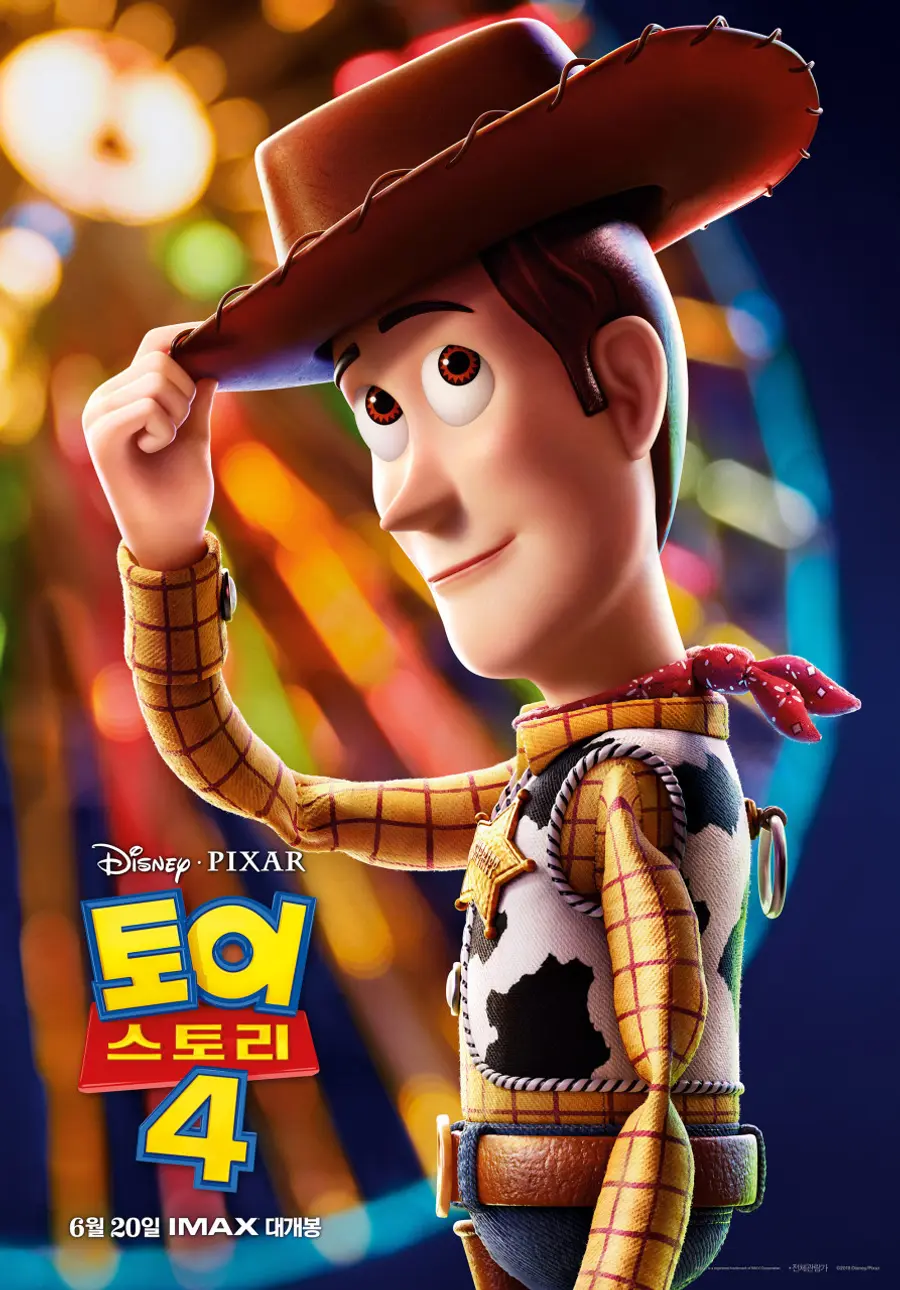
For me, then, 〈Toy Story 4〉 was a striking sequel. It overturns earlier narrative expectations while still making that reversal emotionally understandable because of the story that came before it. For that reason, I confess I was disappointed when the Toy Story 5 trailer was released. Although Woody briefly returns to his friends, it still felt as if the story was returning to square one after the previous film's ending.
That said, as always I remain a Pixar fanboy and I am looking forward to 〈Toy Story 5〉 as much as any film this year. My attachment to this series — the time I have spent loving these films — is what made Woody's decision possible in my imagination: because Andy had been there, Woody could make that choice. How will the fifth film capture the changes in Woody, Buzz, Jessie and the rest of the toys? I eagerly await the June 17 release.

![[Photos] Song Hye-kyo, Lee Jung-jae, Lee Byung-hun, Jeon Do-yeon... Netflix’s 10th Anniversary Celebration Unveils 2027 Slate in Korea for the First Time: ‘What’s Next?’](https://cdn.www.cineplay.co.kr/w300/q75/article-images/2026-10-26/fa6f1d6d-1a12-4731-8920-ff12b9e9ee54.jpg)
![[Premiere Ratings] Ahn Hyo-seop’s ‘Final Table’ Opens at 1.9%… Why the Genius Chef Was Furious](https://cdn.www.cineplay.co.kr/w300/q75/article-images/2026-10-26/9ad424b2-9eab-4c73-9219-1365ad541930.jpg)

댓글 (0)
댓글 작성
댓글을 작성하려면 로그인이 필요합니다.
로그인하기