



Matt Damon said filming Christopher Nolan’s 〈Odyssey〉 felt like “shooting seven films at once.” Nolan, who favors analog cinematography, shot the film on location across North Africa and Europe. Christopher Nolan’s 〈Odyssey〉 filmed across Morocco, Greece, Scotland, Iceland and Italy. Here’s a location-by-location guide to where the production shot key scenes. You can view the full list of 〈Odyssey〉 locations, including the places introduced here, at this link.
Morocco, Essaouira — Troy’s beach
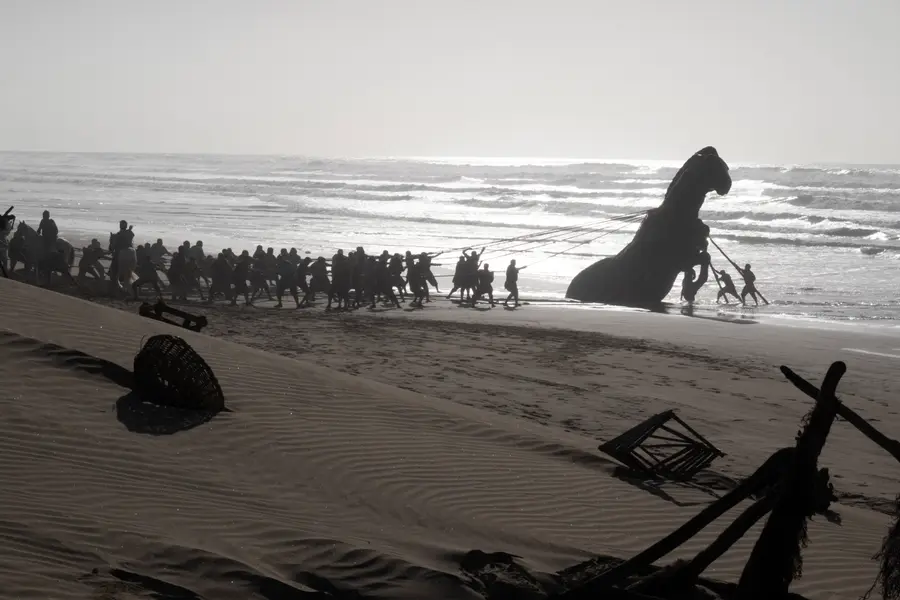
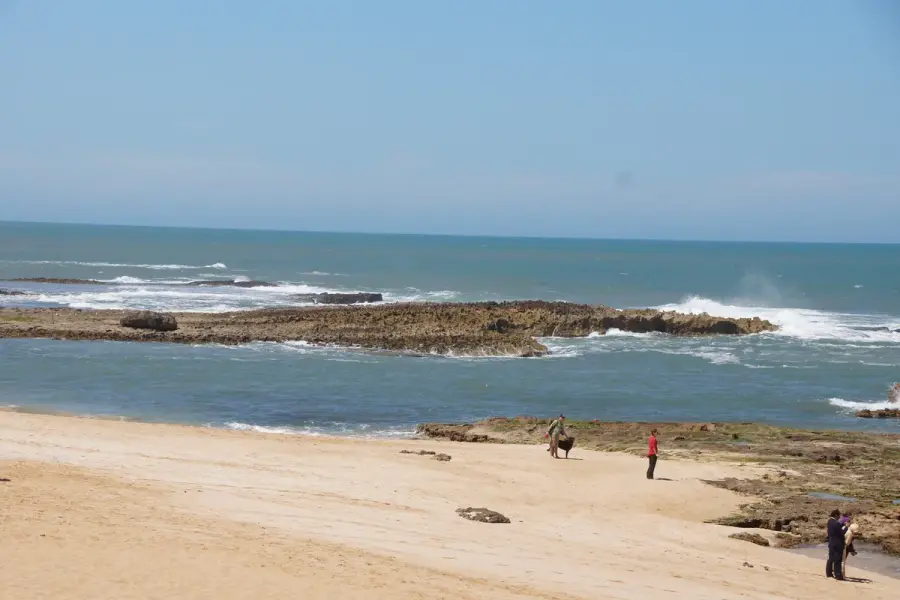
The Trojan Horse sequence that opens the story of King Odysseus (Matt Damon) and signals the end of the long war was filmed in Essaouira, Morocco. Aside from the half-buried horse on the beach and Sinon (Elliot Page), the scene is dominated by a vast, desolate seascape that emphasizes the film’s stark natural surroundings. Essaouira, once a trading city, is known as a tourist destination with a mix of cultures, and just outside the city a long stretch of coastline provides the likely setting for the scene.
Morocco, Ait Ben Haddou — Troy
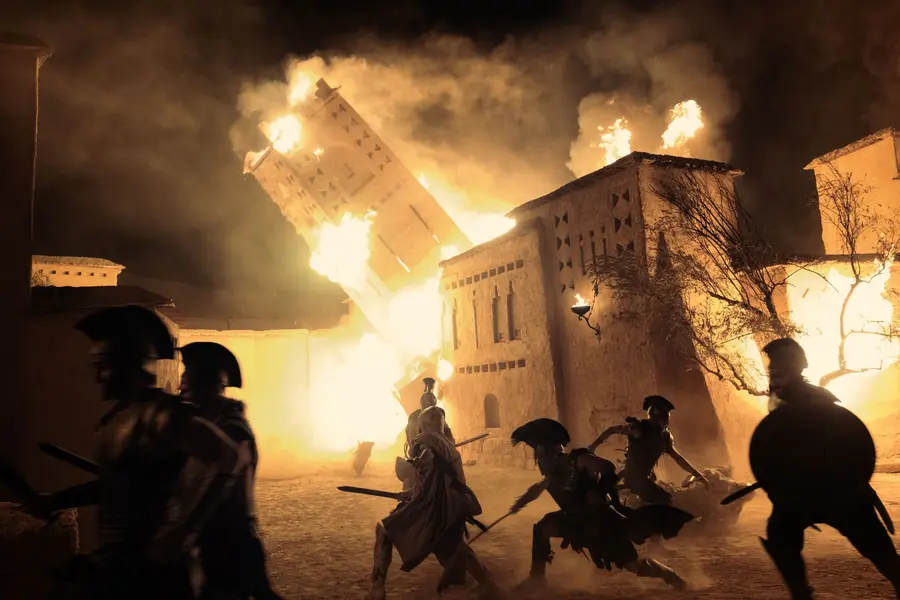
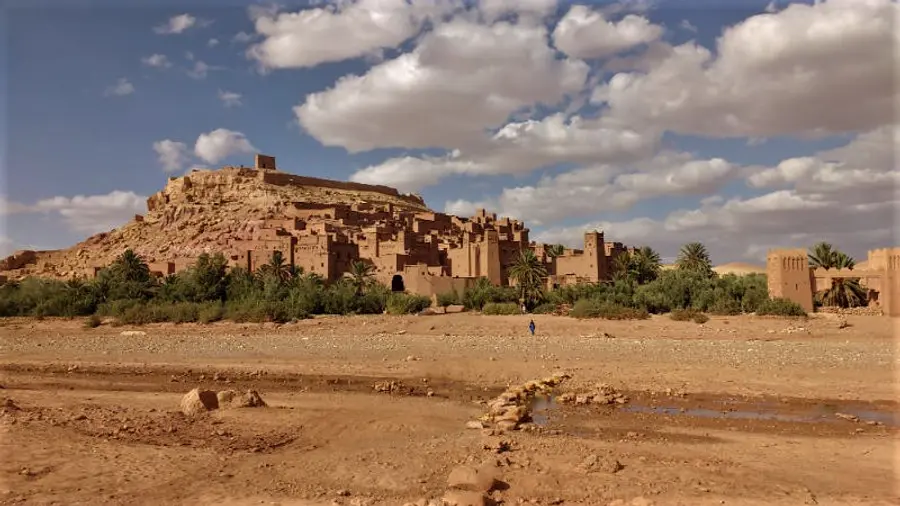
The sequence in which the Greek allied forces storm Troy was filmed at Ait Ben Haddou in Morocco. The real Troy is located in Türkiye and was close to the sea, so it’s noteworthy that Ait Ben Haddou lies inland. In fact, the production constructed a large set rather than relying on the area's actual terrain, so Ait Ben Haddou may have been chosen as the Moroccan stand-in to close out the Troy sequences. Regardless of the set, Ait Ben Haddou is itself a tourist attraction designated as a UNESCO World Heritage site because of its distinctive Moroccan architectural style.
Morocco, Dakhla White Dune — Calypso’s home
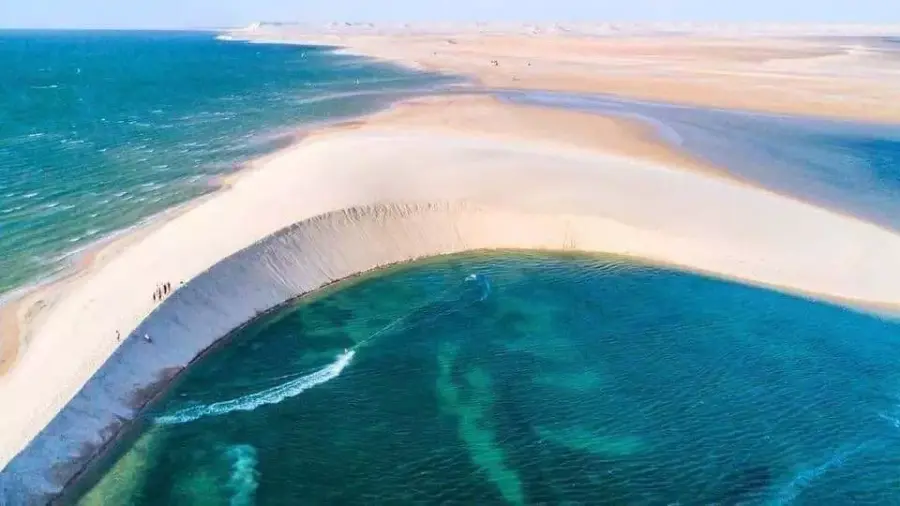
〈Odyssey〉 unfolds along two narrative lines: one showing Ithaca left in a difficult state because Odysseus has not returned, and the other following an amnesiac Odysseus as he slowly recovers his memory. The latter is depicted during his time with Calypso (Charlize Theron), and those scenes were filmed at the White Dune, a well-known landmark in Dakhla, Morocco. The crystal-clear sea and wide-stretching sands make it a renowned kitesurfing spot. Although not the most accessible location, on windy days many kitesurfers visit.
Greece, Pylos — Nestor’s Cave (Cyclops’ cave)
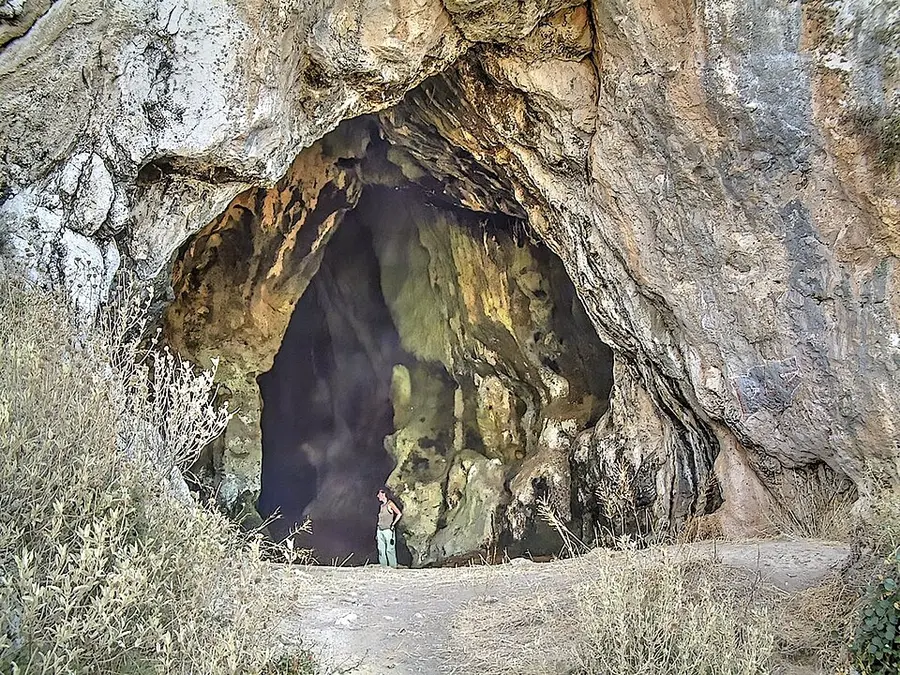
The Cyclops’ cave was filmed at Nestor’s Cave in Pylos, Greece. Because multiple props and mechanisms would have been needed to animate the Cyclops, interior shots were likely filmed elsewhere. In any case, the cave entrance scenes were shot in front of Nestor’s Cave, and even in photographs the setting evokes the film’s atmosphere. Nestor’s Cave also appears in Greek myth: it is said Hermes hid the fifty cattle of the sun god Apollo there after stealing them. Because the cave was so difficult to find, it was thought to be a place where livestock could be kept safely — which helps explain why Hermes would have chosen it to hide the stolen cattle. The site is associated with King Nestor of Pylos (himself a participant in the Trojan War), who is said to have raised livestock there—hence the name. Beyond myth, archaeologists have found evidence that prehistoric humans inhabited the site.
Scotland, Culbin Forest — Forest of the Giant Race
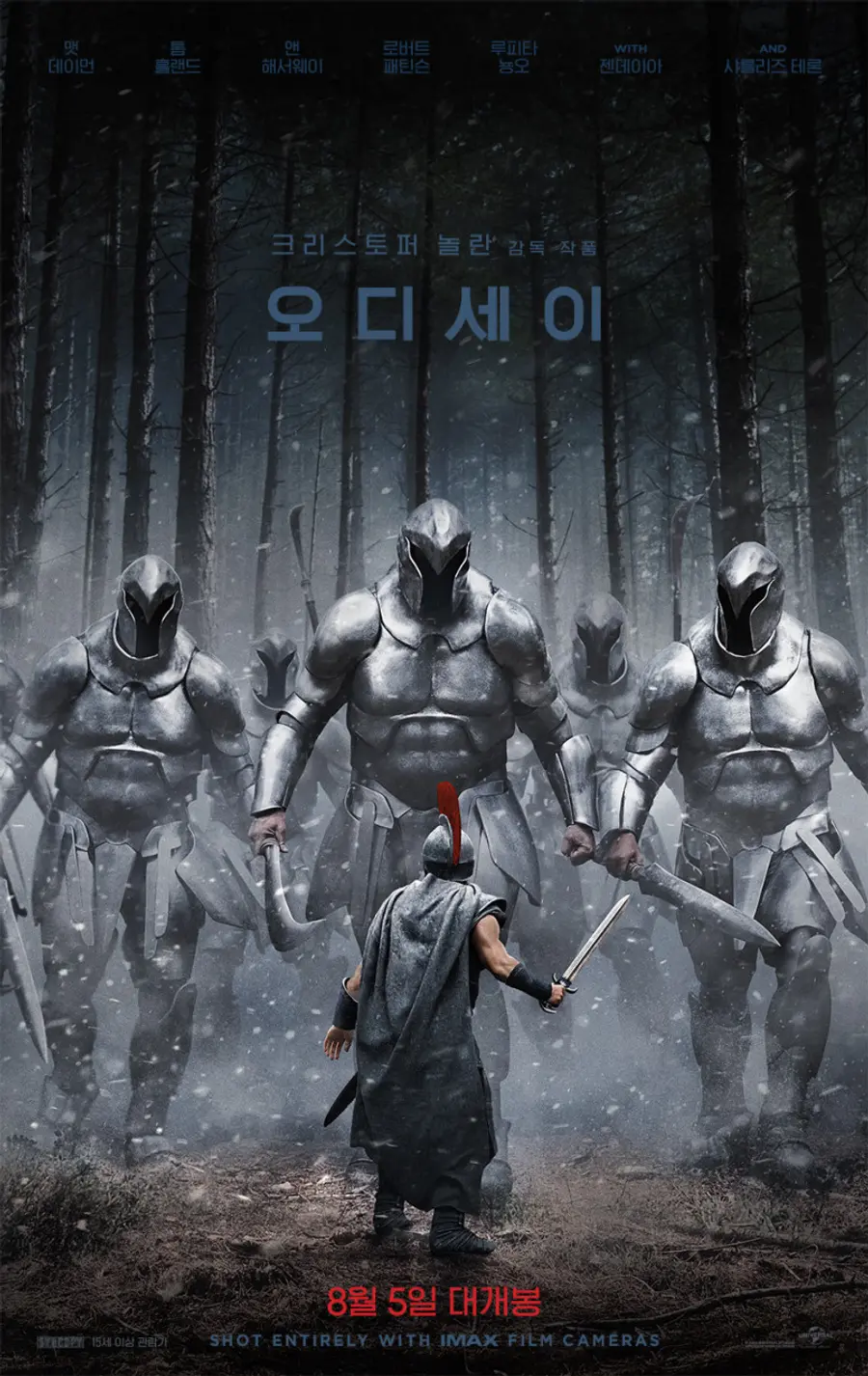
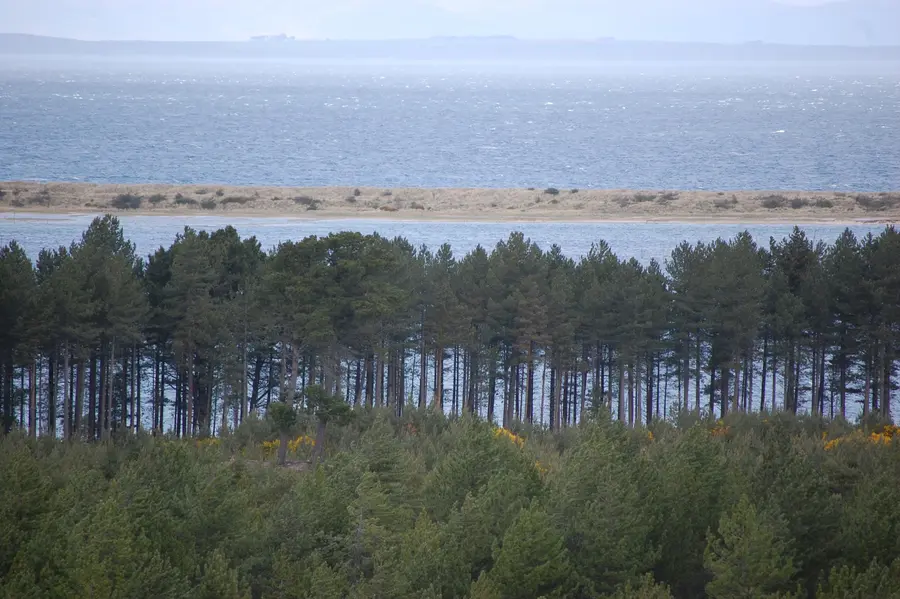
One of 〈Odyssey〉’s most terrifying sequences follows immediately after the Cyclops scene: the encounter with a race of giants. The sequence in which Odysseus and his companions confront armored giants was filmed in Culbin Forest in Moray, Scotland. Though it looks like untouched wilderness, the forest was actually planted deliberately. The area historically suffered frequent sandstorms, so pines were planted en masse to stabilize the land and create the forest. The "Hill 99 Trail" is a roughly two-hour trek that circles the area; midway up a hill there is a wooden tower offering panoramic views of the forest.
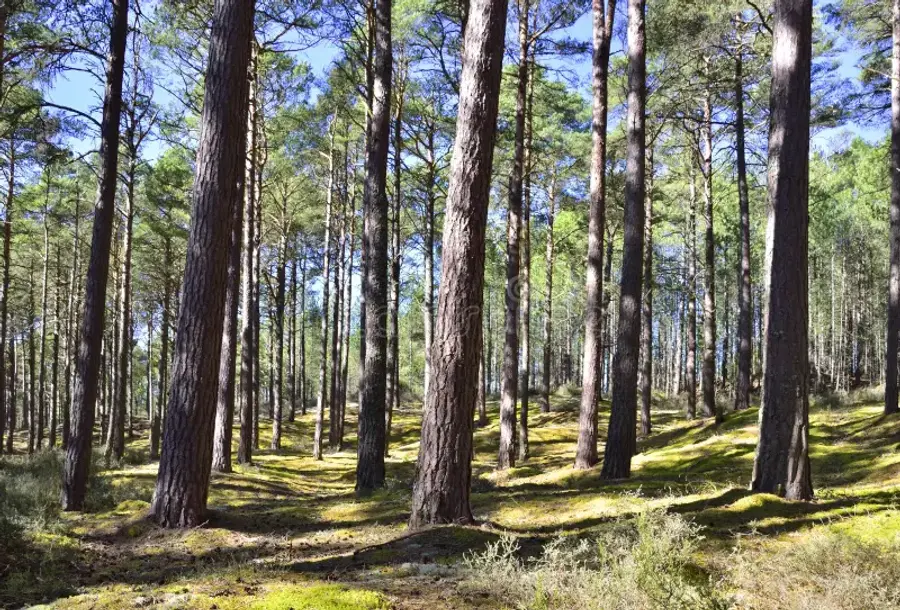
Iceland, Markarfljot River — The Underworld
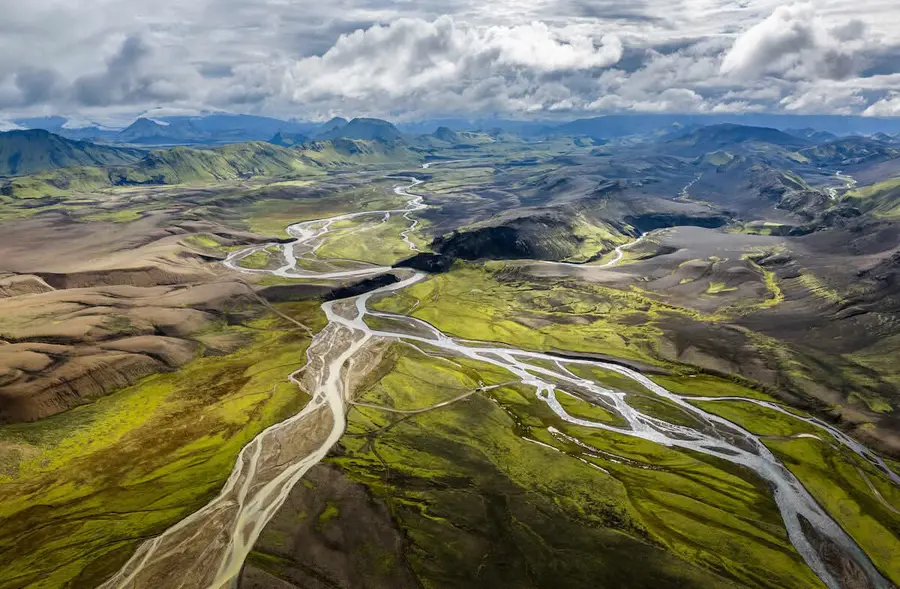
On his long voyage, Odysseus summons the dead to learn how to return home. Though set in an open, vast space, the scene heightens tension as countless dead surround Odysseus. That sequence was filmed along Iceland’s Markarfljot River. Much of Iceland preserves primeval landscapes, and rivers like the Markarfljot are "braided rivers," formed when glacial melt carries large amounts of gravel and sand. This type of river exists not only in Iceland but also in New Zealand, and since most of 〈Odyssey〉’s locations were in North Africa and Europe, Markarfljot was likely chosen both for its fitting atmosphere and its remoteness. With no signs of civilization nearby, even photographs convey a mix of awe and the chill of the underworld.
Italy, Favignana — Ithaca
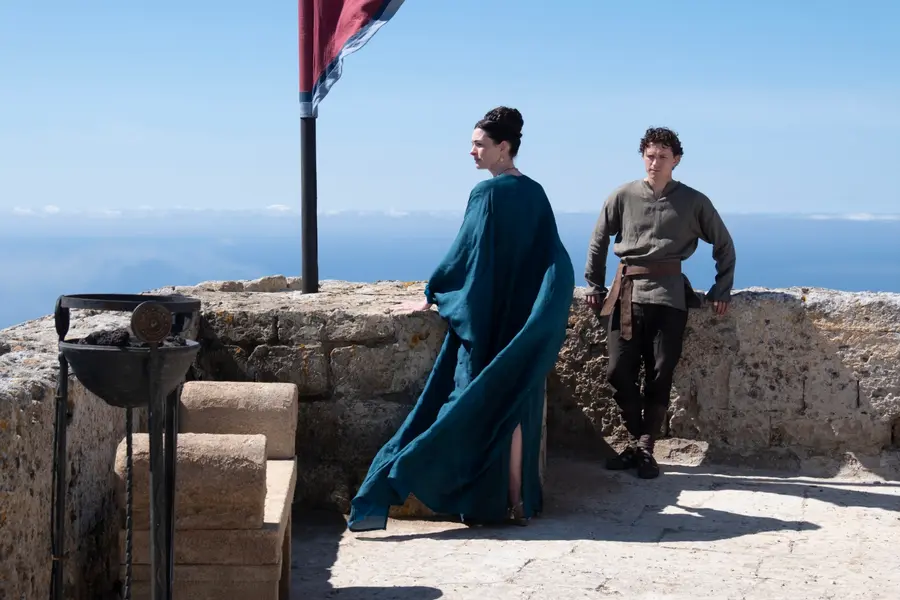
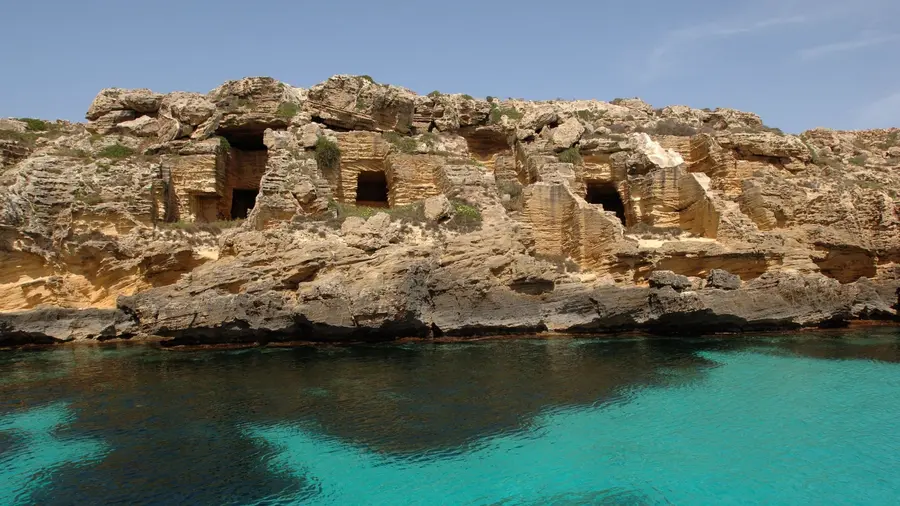
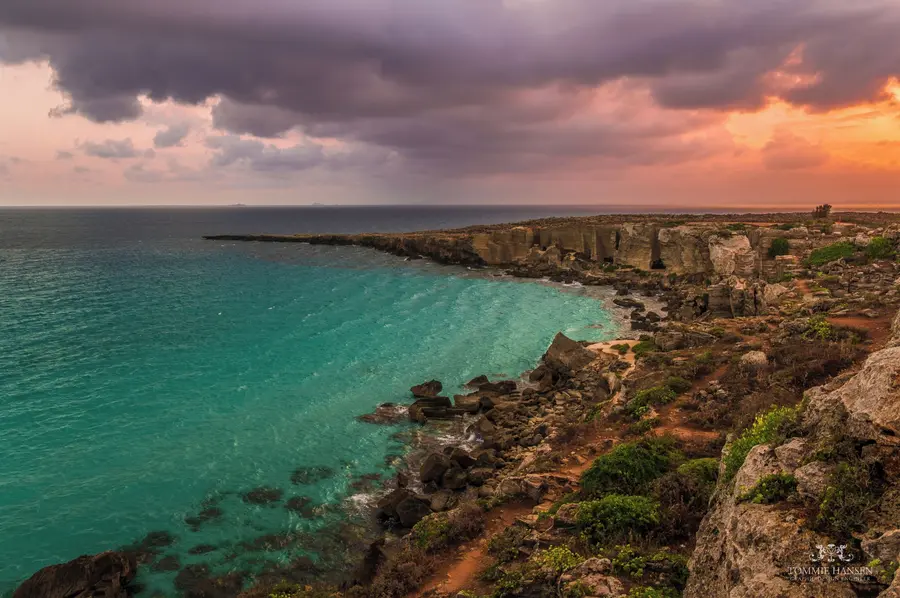
The final location covered here is Ithaca, the place Odysseus must return to and the setting for much of 〈Odyssey〉’s other storyline. Rather than the real Greek Ithaki, filming took place on Favignana, an island off Sicily. Favignana is an island in the Sicily region that has served as the backdrop for many films and is associated with bright blue seas and refreshing coastal scenery. Like Sicily, it has wide expanses of blue water, striking cliffs and ancient ruins, making it a popular day-trip stop. In addition to Favignana, parts of the Aeolian Islands were used for 〈Odyssey〉 shooting. The Aeolian Islands are associated in myth with creatures such as the sirens, Scylla and Charybdis. While the film mainly presents island scenery that feels deserted, islands like Salina (a filming location for 〈Il Postino〉) are also well-known tourist destinations.






댓글 (0)
댓글 작성
댓글을 작성하려면 로그인이 필요합니다.
로그인하기