



Although the heat dome largely spared the Korean Peninsula, cinemas are in the grip of a box-office storm. 〈Spider-Man: Brand New Day〉, which opened July 29, and 〈Odyssey〉, which opened August 5, have each surpassed 7 million and 6 million viewers respectively, and have fueled the summer box office, bringing blockbuster heat to theaters. But no matter how beloved a restaurant is, people eventually crave something different. After three weeks dominated by those two films, some moviegoers will want a fresh burst of energy. For those viewers, Cineplay reporters have picked recommended films that are currently playing or set to open soon. They may not be blockbusters, but each is likely to linger with viewers.
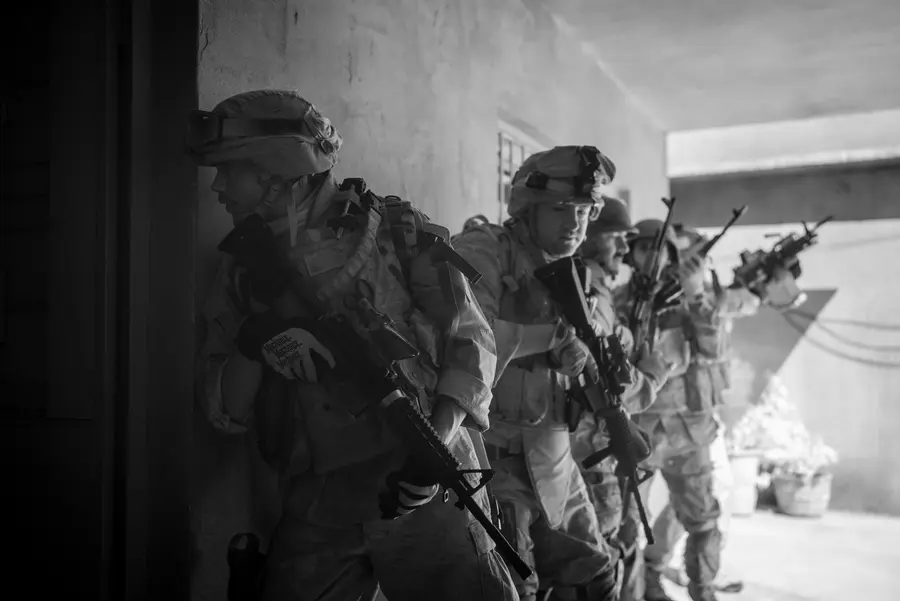
Sung Chan-eol _ Vicarious immersion in the heart of battle 〈Warfare〉 (Opens August 19)
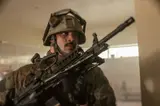
His previous film about civil conflict might have awakened something in him. Alex Garland returns as a full-fledged military filmmaker. His next film, 〈Warfare〉, is set immediately after the 2006 Battle of Ramadi in Iraq, and follows a Navy SEAL platoon isolated by an ambush. Garland enlisted Ray Mendoza, a former Navy SEAL who was on the scene, to participate as a co-director. War on film is often shown as large-scale attrition, but 〈Warfare〉 lets viewers see how modern warfare unfolds through a localized, platoon-level battle. The contrast between long stretches of tense waiting and sudden moments of crisis is gripping, and it will leave audiences breathless. Some of the cast will look familiar, but when they are covered in battlefield dust they fully inhabit their roles, conveying the pain and confusion of soldiers. Because the film focuses on a platoon-level operation, its spectacle is modest for a “war film.” But rather than showcasing a one-against-a-hundred special-ops myth, it offers an opportunity to vicariously experience the time soldiers spend in the scorching Middle East. See it in a theater with powerful sound and you’ll feel as if you’re standing in the midst of the front lines.
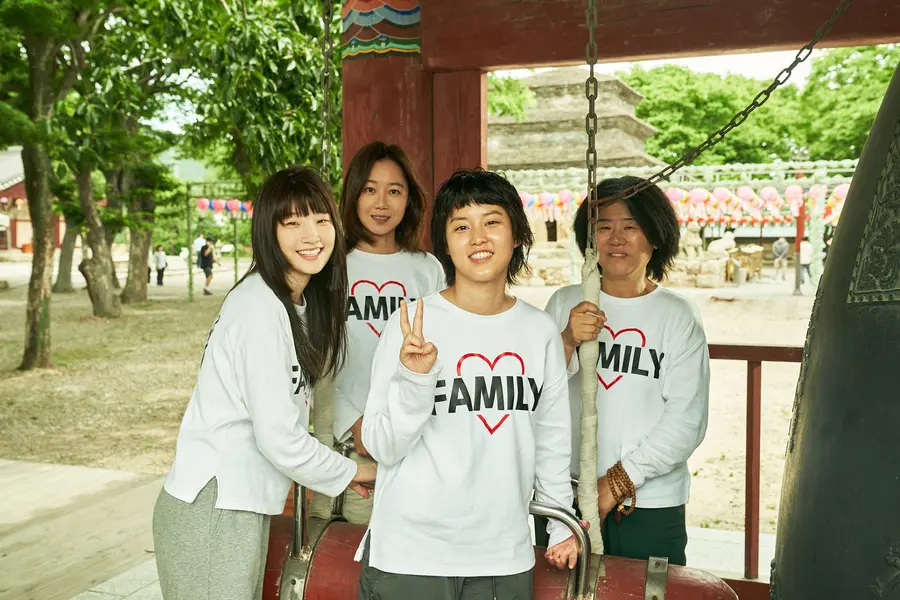
Kim Ji-yeon _ A Korean take on ‘Mad Max’ and ‘Odyssey’ 〈Gyeongju Journey〉 (Opens August 26)
In a summer traditionally stacked with tentpole releases, Korean genre films have been conspicuously quiet, aside from 〈Hope〉. With Hollywood blockbusters like 〈Odyssey〉 and 〈Spider-Man: Brand New Day〉 dominating Korean theaters this season, a genre film built around distinctly Korean humor and emotion has arrived.
There may be room to debate whether 〈Gyeongju Journey〉 fits neatly inside the “genre film” label, but it unquestionably packs thrills from the thriller, crime and action toolbox. The story of an ordinary family racing toward revenge follows the lineage of Korean revenge dramas while twisting the private revenge formula by focusing more on the process and the psychology than on vengeance itself.
When director Kim Mi-jo says she dreamed of films like 〈Mad Max〉, it’s not just a joke. Kim’s first feature, 〈Seagull〉 (2020), and her first commercial film, 〈Gyeongju Journey〉, both move forward on wheels. In the first, it’s a compact car; in the second, a battered van. Perhaps 〈Gyeongju Journey〉 resembles 〈Odyssey〉 in a way: it’s an odyssey in which a mother and daughter, having suffered loss, travel to enact revenge while each confronting and healing their own wounds along the way.
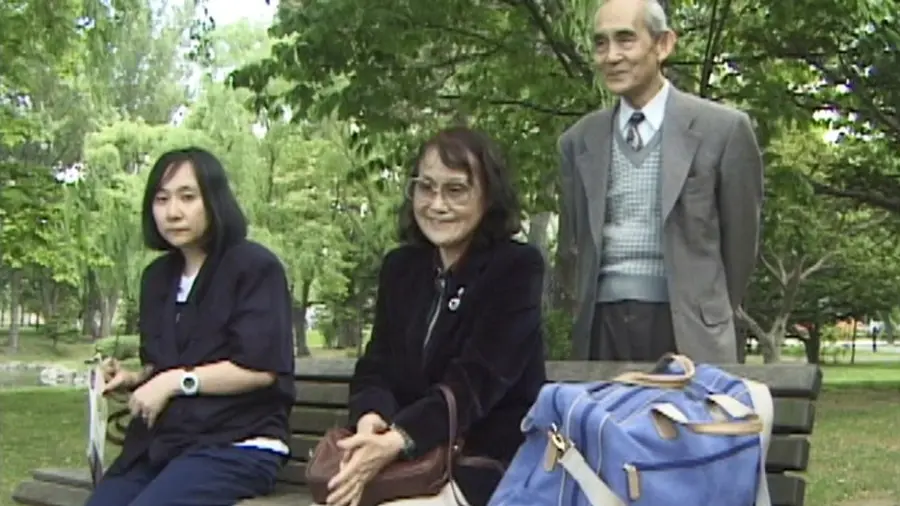
Joo Sung-chul _ This year’s best family film? 〈What Should I Have Done?〉 (Opened July 29)
Now about a month into release and looking toward 80,000 viewers, there’s a small but precious film of empathy. The oddly titled 〈What Should I Have Done?〉 only reveals the meaning of its title near the end of its runtime. You realize then that the sentence’s subject expands from “I” to “we.” When a once-kind, promising older sister begins to show symptoms of schizophrenia, the parents lock the front door instead of taking her for treatment. Fujino Tomoaki, the sister’s younger brother and the film’s director, takes his camera into that silence. The camera then records life inside that closed house for a staggering 25 years. Fujino, who could not turn away from a sister forced into isolation by her parents and who is also their child, began filming not to accuse or expose but simply to record, driven by helplessness and by a wish that what happened to his family should not be repeated. He surely could not have imagined that his sister’s life in her thirties and forties would be captured on camera and turned into a work to be shared with others. What proved scarier than schizophrenia was the deep prejudice. Who is truly the one suffering— the sister or the parents? Fujino Tomoaki asks painful questions of parents growing old alongside their child, and those questions are also directed at a society full of ignorance and prejudice. “What would I have done?” Few films this year leave you walking out of the theater feeling this heavy.





![[Interview] “It’s a bigger sin not to release this video.” How should it have been handled? Director Tomoaki Fujino ①](https://cdn.www.cineplay.co.kr/w160/q75/article-images/2026-08-03/4947a32e-5475-4341-b34a-bb1cec1e722b.jpg)
![[Interview] “Not releasing this video is a bigger sin.” What should we have done? Director Tomoaki Fujino ②](https://cdn.www.cineplay.co.kr/w160/q75/article-images/2026-08-03/668c7d96-b533-4b3a-94dc-69189991c3d3.jpg)
![[Interview] Gong Hyo-jin on the laugh-and-cry power of 'Gyeongju Trip' (1)](https://cdn.www.cineplay.co.kr/w160/q75/article-images/2026-08-21/a6201ecb-56d9-4bd7-a2f1-fe4d93a1bfdd.jpg)

댓글 (0)
댓글 작성
댓글을 작성하려면 로그인이 필요합니다.
로그인하기