


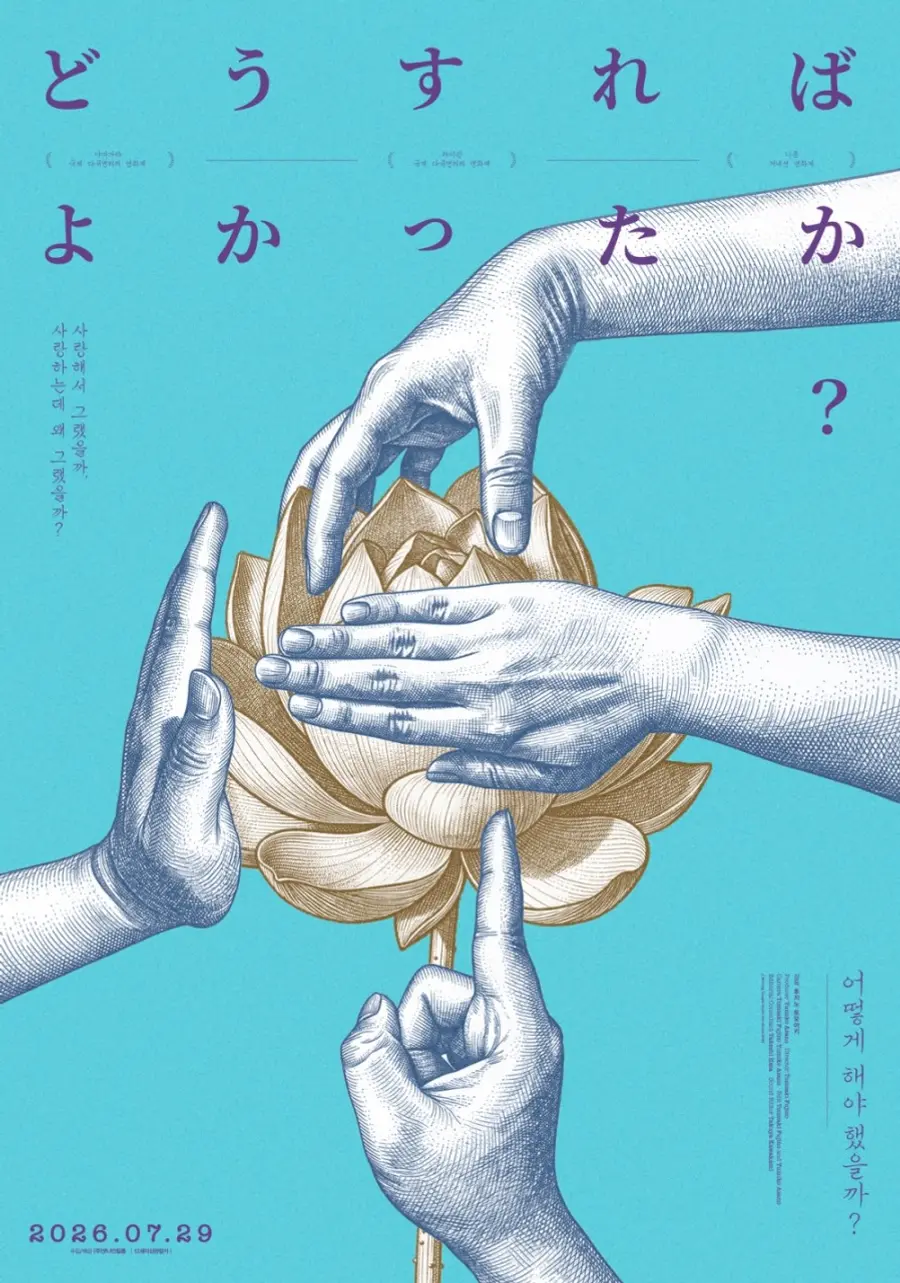
Because they could not obtain the family’s consent, ethical questions about the film’s release inevitably follow.
You asked a really important question. There are ethical issues, of course. In fact, we released it without getting permission or even understanding from any member of the family. My sister and my mother had already passed away, and we did ask my father for consent in the form of an interview, but I still wonder whether a 96-year-old father at the time could make the right judgment. Still, the decision to show it wasn’t because our family’s way was terrible and we treated my sister like an animal—though that, too, is part of why it became a problem. What I wanted many people to see was why my sister couldn’t go to the hospital. With that in mind, when I weighed the ethical issues, I thought the most appropriate decision was to not show this video to anyone.
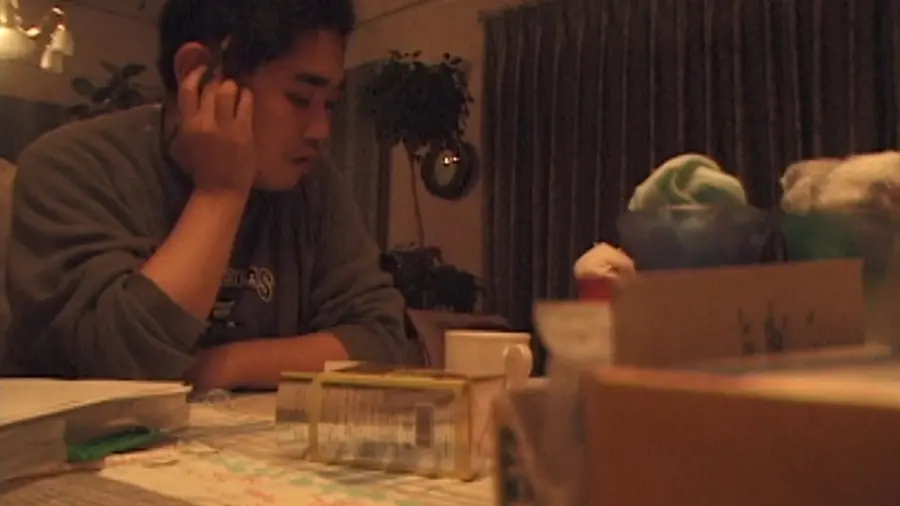
It seemed that the family’s reactions in front of the camera were different for each person.
My parents guarded themselves against the camera. Especially my mother, who would say, “No, absolutely not!” and we even stopped filming in the middle. There are a lot of scenes where you only see their backs—those were moments when my mother told us not to film. My father, on the other hand, seemed to think I was practicing in front of the camera, and he was very innocent about it. I remember answering my questions in such a trusting way that I wondered whether he believed everything I asked. My sister, meanwhile, barely responded, didn’t really answer, and didn’t engage properly with what was being said—she could only handle the conversation through the camera perhaps one or two times. Even so, if she truly had hated it, wouldn’t she have walked out immediately when faced with the camera? And yet sometimes she looked straight ahead, and she talked while watching from the camera’s side. I filmed with the feeling that—maybe in some sense—she had agreed not because everything was fine, but because she was willing to let it happen. I think my sister, throughout the interview, was probably in a rigid state because my father had used antipsychotic medications on her and, as a side effect, dopamine wasn’t coming out and she couldn’t respond—so she gave her answers in that condition.
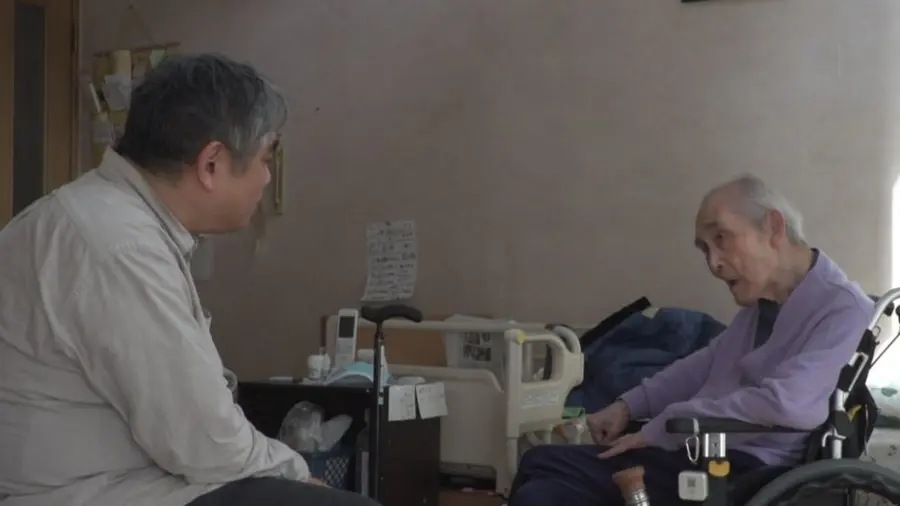
The father who appears all the way to the end of the film—I understand he passed away in 2004. Did he watch the finished film, and what kind of response did he have?
When I interviewed my father for the last time, the editing was already almost completely finished. By then, he had seen what we had shot over the years. Honestly, at that point my father showed no reaction at all. The only part where he reacted was when my mother’s voice came on screen. He asked, “Whose voice is that?” When I said, “That’s my mother’s voice,” he answered, “Is that so?” Other than that, he just looked on without any special reaction. That was it. We watched it about 10 years after my mother had passed away.
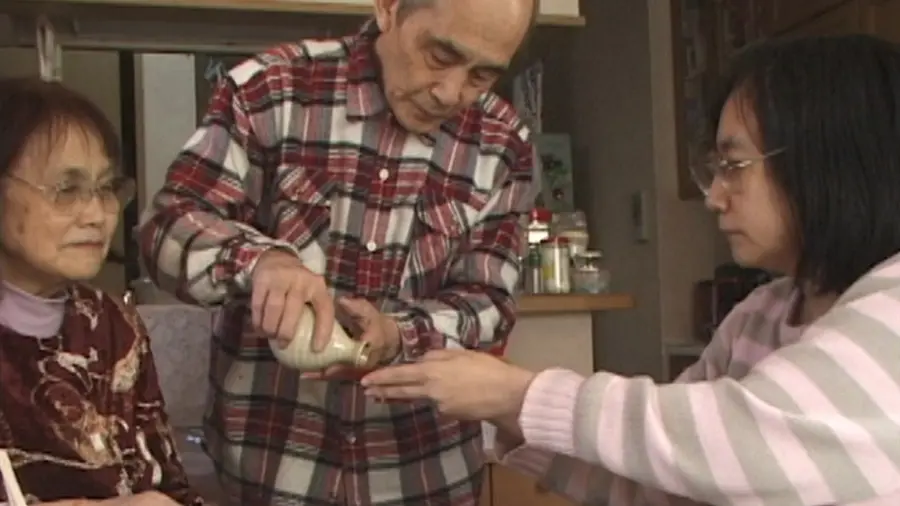
You can only explain it in terms like schizophrenia and confinement, but the family’s portrayal inside the work isn’t depicted in a dramatic or sensational way. I keep thinking that because the director, as the observer, is also part of the family, the way he captures the film and his perspective can’t help but be different.
The reason I made this video wasn’t to explain what schizophrenia is as an illness. I wanted to show our family situation. But in the process, I grappled a lot over how far we should show my sister’s schizophrenia. There were a few scenes in the film where my sister suddenly has seizures, but I actually didn’t want to include those scenes. Still, because it’s a documentary with no explanation of the illness, I felt that leaving that out would make it less convincing—so I decided to include them. But I decided to include only the minimum. We edited it over about a year and a half, starting in early 2022, around half a year after my sister’s death in May 2021. When we started editing, we set points that we had to follow. First, I wanted the film to clearly show why my parents refused to take my sister to a psychiatrist for diagnosis. Second, I wanted to show what effect locking the key had on my sister’s life. And third, there is a part that ultimately didn’t make it into this video: my father had secretly put antipsychotic substances into the tea that my sister drank so that she would drink it. When I was a college student, I witnessed it several times. There are scenes in the kitchen a few times, and I had planned to film the moment when the medicine was put in, but in the end I couldn’t film that scene. I think my father also understood that getting someone to take such medicine at home is a crime, and that’s why he may have been cautious while I was filming. So I ended up giving up on including the third thing.
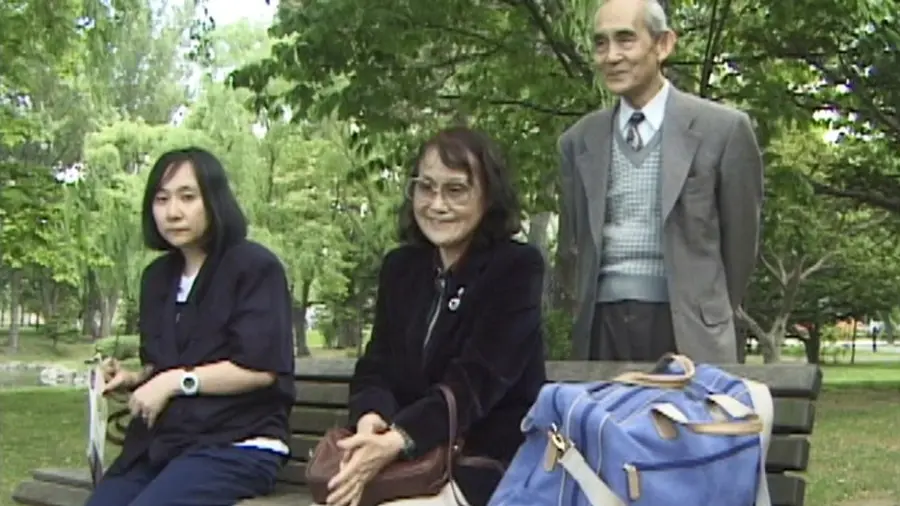
For the long period of caregiving work carried out by the family while living with a patient, it’s reflected as everyday life in this household. “Confinement” may not be carried out in a violent way in the literal sense, but it can also feel “inevitable.” What did the family you saw look like?
Before my sister became ill, our family was no different from a typical family. We ate meals together, had conversations, went on trips. But then a psychiatrist watched the video of our household and said, “The only thing that seems different in this home is the father.” He said that it looks like everyone—everyone in the family—is acting to match one another in front of the father. In that process, he said, the conscientious sister probably tried to accept it all, and that’s why she got sick. After hearing that, I thought that my father was someone who listened well to what we said, but he was also someone who never let anyone change his own thoughts at all. He blamed everything on my mother. When he said at the end, “We didn’t fail,” I wondered whether that wasn’t stubbornness from my father.
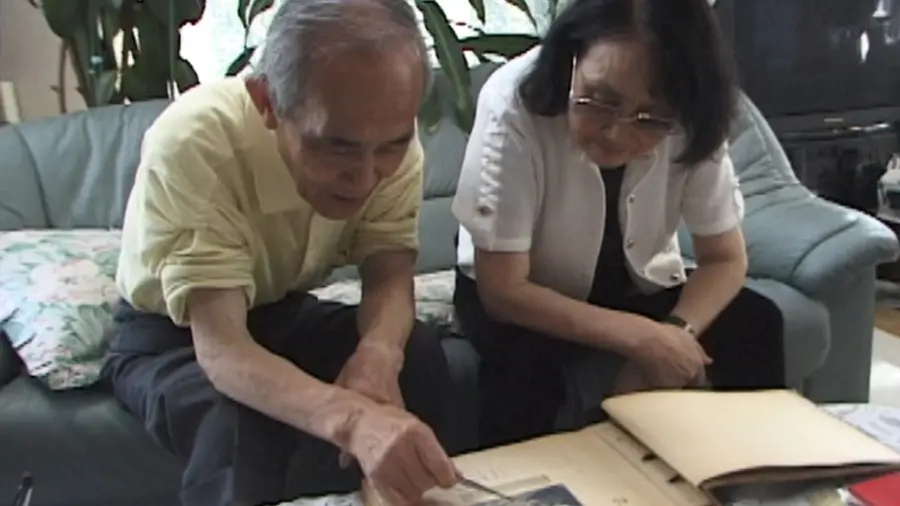
In that process, you also can’t help but pay attention to the mother. When the director—her child—‘escaped’ the house, the mother carried the burden all on her own inside the home. In the film, talking with the mother gives the impression that it would be the most suffocating, but at the same time you can also catch a glimpse of compassion for her situation.
My mother was born in 1927. Back then, there were very few women who worked. But she was the kind of person who, as she worked as a university professor, had her salary deposited into an account and freely used that money, much like a woman of the neoliberal era. She also did a great deal of research in order to treat my sister psychiatrically, but strangely, when it came to my sister, she listened entirely to what my father said—everything he said about why. I’m still of the position that that was the issue, so I think my mother must have suffered greatly between my father and me. My mother was the one who worried about my sister’s future more than anyone else. Since my sister couldn’t become a doctor, my mother tried to get her to enroll as a research student in her research lab and write her doctoral thesis, and to care for her as a researcher in whatever way she could—but that didn’t work out. Looking back at when we were kids, my father traveled for work often and also got transferred. So my mother ended up spending a long time with my sister. My mother was a very fun person. For example, a friend came over and played table tennis at the dining table—rather than scolding her for it, she was the kind of person who corrected things so that the net would be properly set up. When we ate out and my mother said the food was delicious, she would also make the same dishes at home.
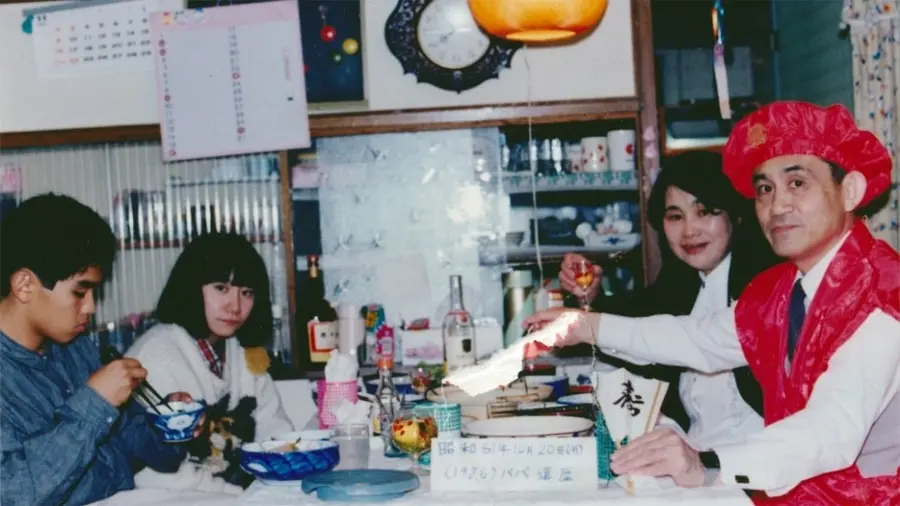
In the later part, the scenes where my father and my sister watch fireworks, the scene where they buy items at an exhibition hall, and the scene where a hand waves like a final epilogue linger in your mind for a long time. Whatever the answer is to the film’s question, “What should we have done?”, didn’t we ultimately want the kind of image of my sister that you see here?
If you view it that way, then that’s probably right. After my sister fell ill, there was no conversation in our family—not really. It was mostly my parents giving orders and talking like that. But once my sister started to improve and conversation became possible, we kept throwing conversations at each other—so we could enjoy them as much as possible. Those were the scenes that showed how the atmosphere changed. In fact, while editing, the fireworks scenes were one of the candidates to cut. I condensed 80 hours of footage into three hours by myself, and after that, there weren’t any other scenes I could cut, so I was worried. If you look at the bigger arc of the film—telling our family story—I thought that scene didn’t have any relevance at all and wasn’t necessary, so I considered it as a cut candidate. But Asano Yumiko, the person who worked with me on filming and editing, watched the video and told me, “This has to be included no matter what.”
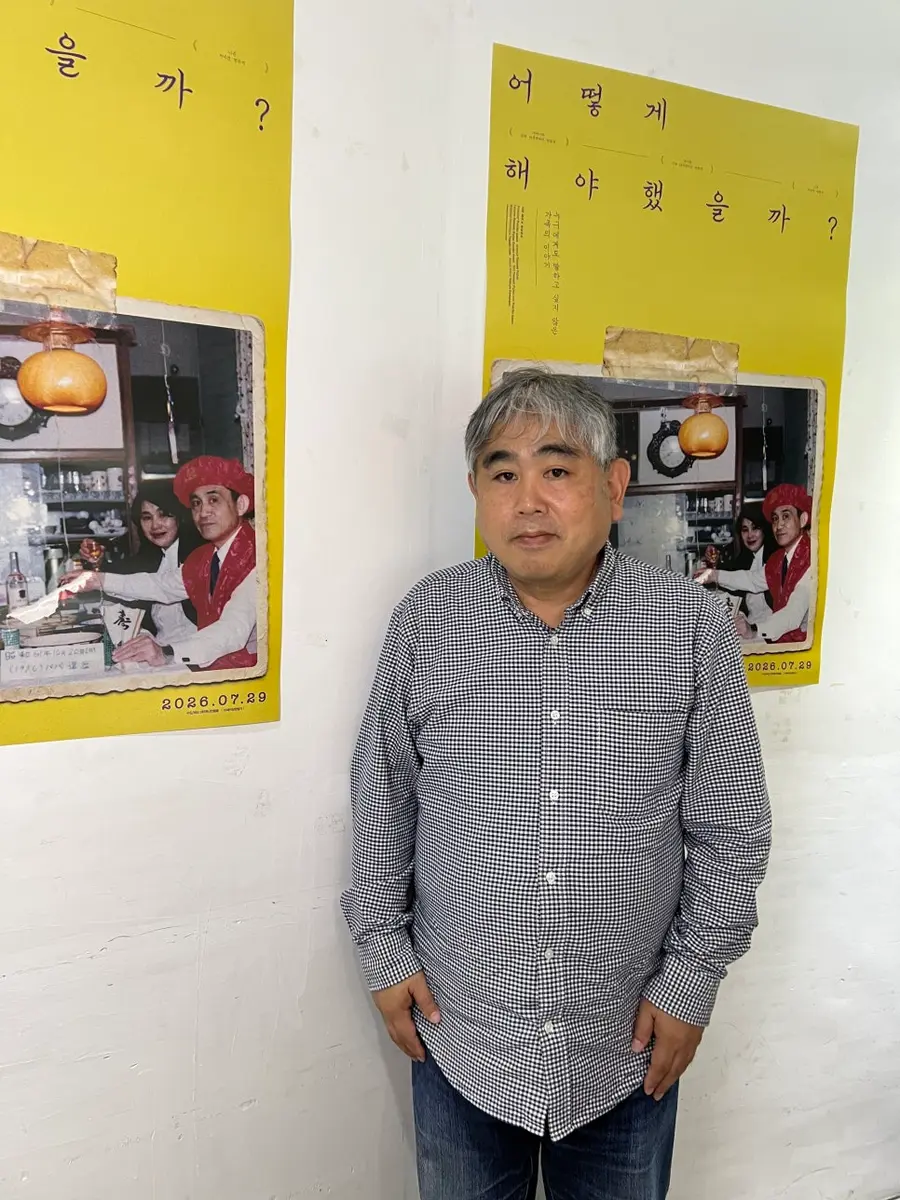
Thinking about the positive function of this film, too, makes me pause. Dissecting a family’s long history is ultimately the director’s record. Beyond just being a record, I think the camera itself may have also helped resolve conflicts and problems that existed between family members at the time. In the end, wasn’t it that the family ended up receiving one of the treatments that psychiatry talks about—“camera therapy” (Camera Therapy)—because of the director?
I think the families could talk because the camera was there. When I was young, I was extremely impulsive. I would argue loudly with my parents. There was even a time when my mother, worried about me, took me out to a restaurant and tried to calm me down—but the argument only got bigger. At some point, I looked around and saw that everyone in the restaurant was staring at us. But once the camera was in there, it became embarrassing to be angry and shout. From that time on, not shouting anymore was the big change that came to me. For my father as well, when the camera was present, he said many things he normally wouldn’t. Especially about my sister’s issue. Even those who had said my sister had no problems ended up revealing sincerely in front of the camera that she did have some problems. It also seemed like my father thought that maybe someone else—the outside—would watch the video. I also wondered whether my family members were careful in front of the camera, too. Maybe that had an overwhelmingly positive effect on us. There’s a story that when you go to a shrine in Japan and make a wish, you must offer grains or money; otherwise, your wish won’t be granted. In a sense, maybe the camera played a similar role in our home. Thanks to that, we might have been able to talk about so much. So I think the camera is a kind of medium that leads us into conversation.
![[Interview] “It’s a bigger sin not to release this video.” How should it have been handled? Director Tomoaki Fujino ①](https://cdn.www.cineplay.co.kr/w160/q75/article-images/2026-08-03/4947a32e-5475-4341-b34a-bb1cec1e722b.jpg)
댓글 (0)
댓글 작성
댓글을 작성하려면 로그인이 필요합니다.
로그인하기