


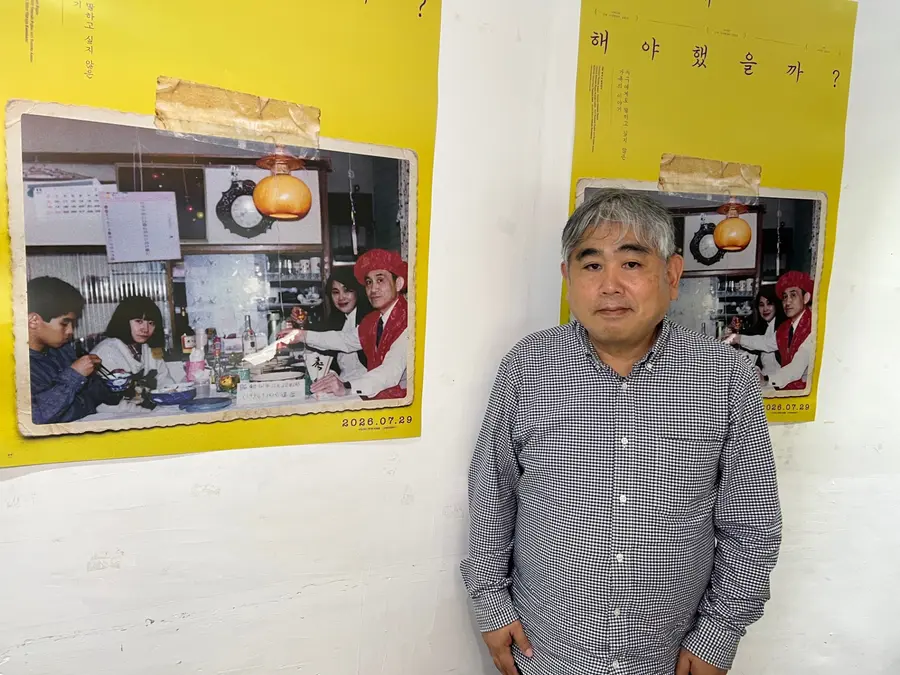
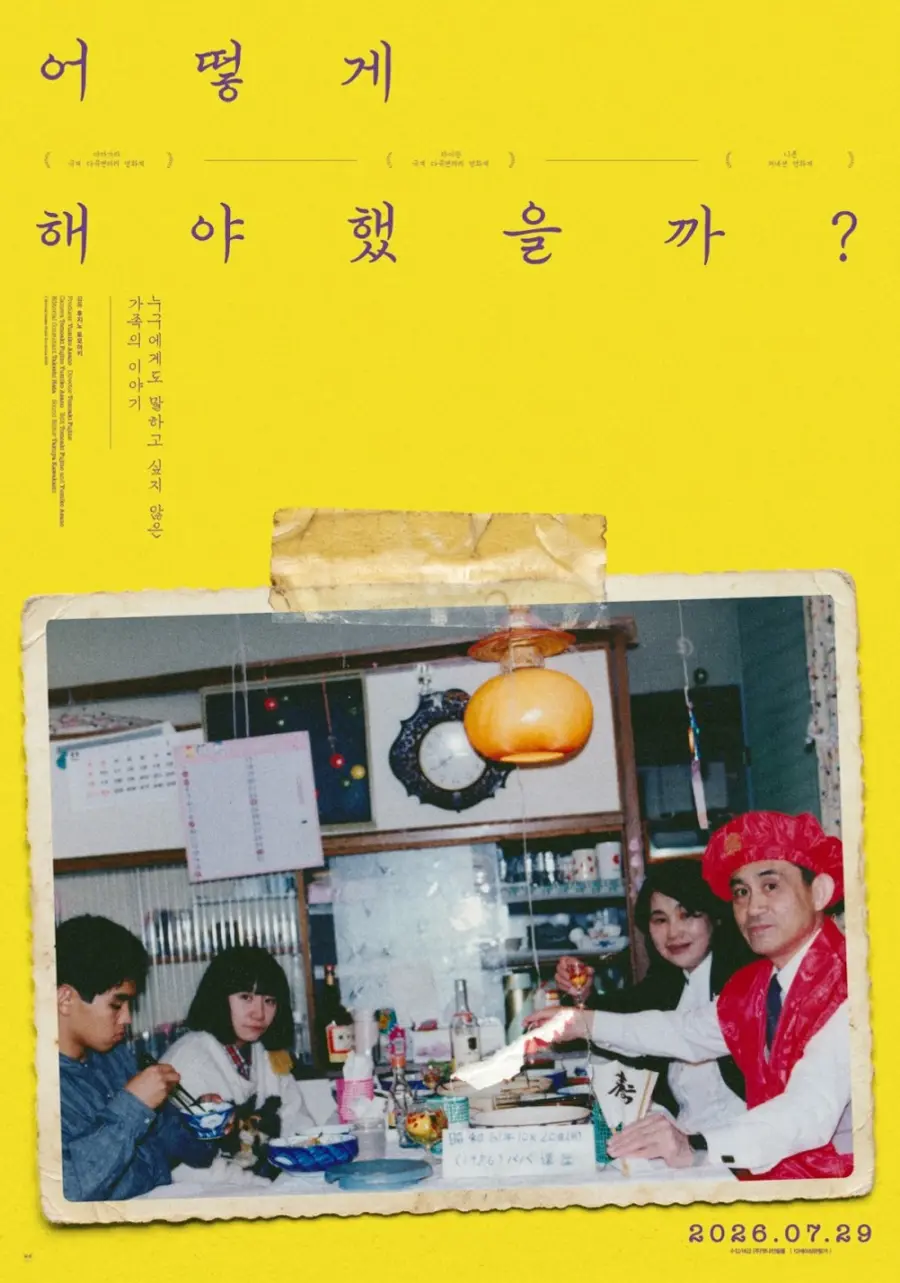
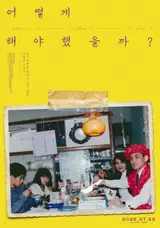
There’s a film that has sparked buzz on every front, from the source material—an older sister’s schizophrenia and the parents’ confinement of her—to the production of a private documentary recorded by the family, and to the theater release format despite the absence of IPTV, VOD, OTT, and other platform services. It is the documentary 〈How Should It Have Been Handled?〉, directed by Tomoaki Fujino. The movie captures a tragic, painful stretch of time for one family that hid their daughter’s schizophrenia and lived without receiving proper treatment. With a lock on the door and life cut off from the outside world, the camera was brought into that forbidden sanctuary—one that was difficult for anyone to approach unless they were part of the family, some 20 years ago—by the patient’s younger brother and documentary director, Tomoaki Fujino. This harrowing yet sorrowful documentary, which moves closest to the realities surrounding schizophrenia, drew 170,000 viewers in Japan, where it opened earlier, and strongly raised questions about families with disabled relatives—including schizophrenia—and about the issues of caregiving. In South Korea as well, it opened on the 29th of last month, and within five days of its release, more than 20,000 viewers have already come to theaters, keeping attention on the film.
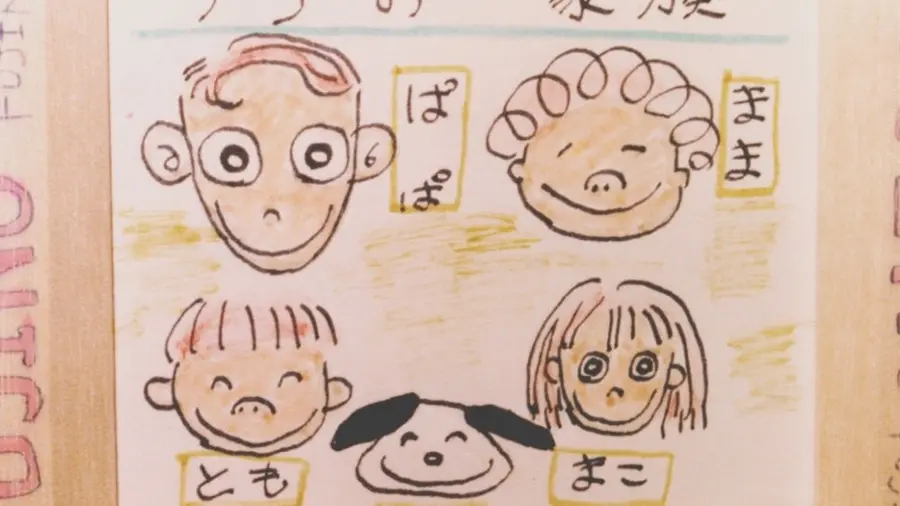
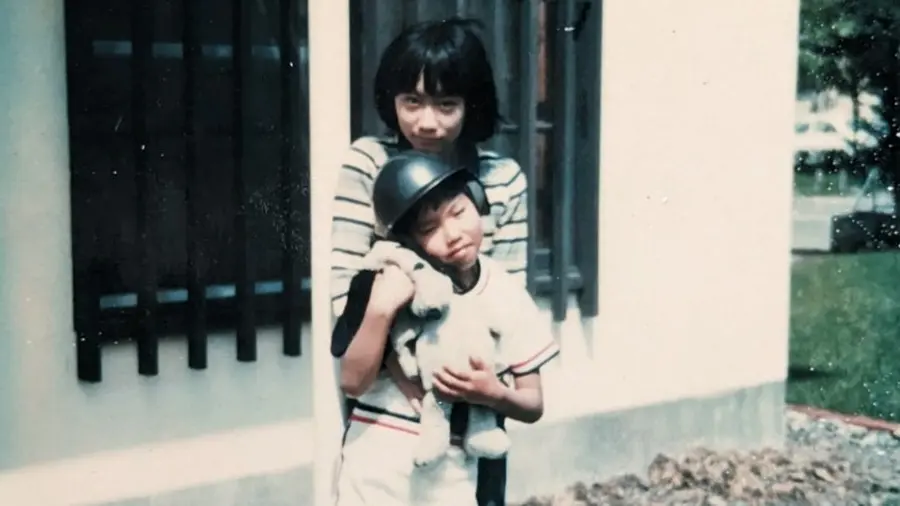
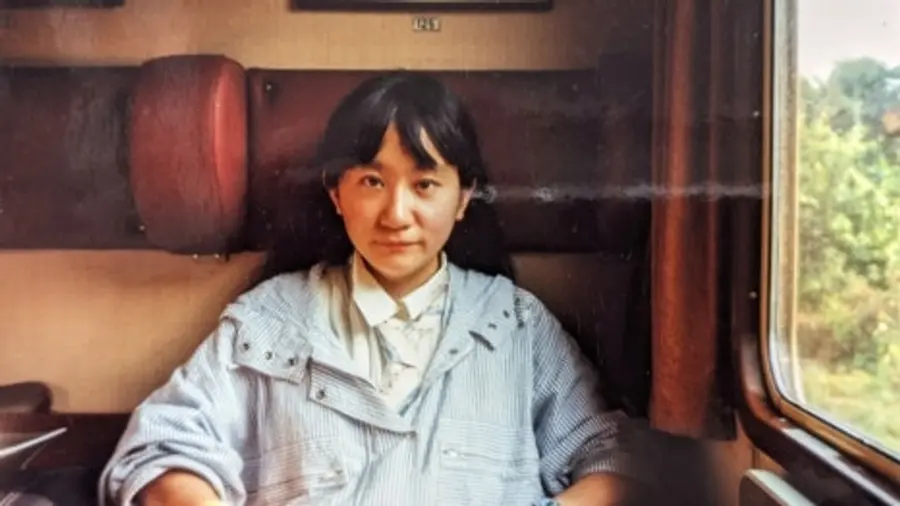
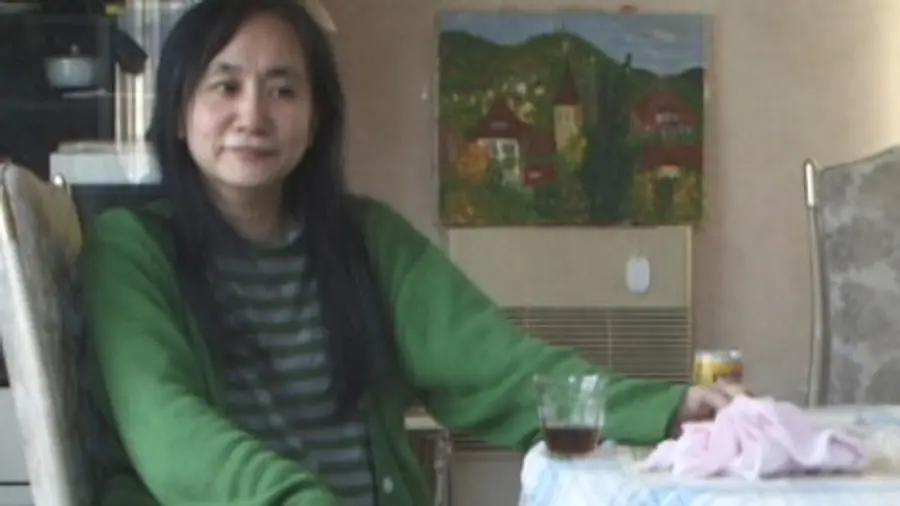
The sister was attending medical school, and both parents came from medical-school backgrounds, hailing from an elite family. A peaceful household turned into a kind of hell after the sister’s first onset in 1983. As a teenager at the time, Director Fujino said he was afraid of his older sister, who would cry and blurt out things no one could make sense of. He said he couldn’t understand his parents’ response—telling him “there are no problems at the hospital,” so “you’re 100% normal.” Maybe they were embarrassed for others to see, or perhaps they distrusted the medical system. Facing a bleak day that repeated itself every morning—he said he was “afraid of mornings”—he decided to flee from home under the guise of going to college, fearing that living like this could also lead to him getting sick or that he might end up doing something terrible.
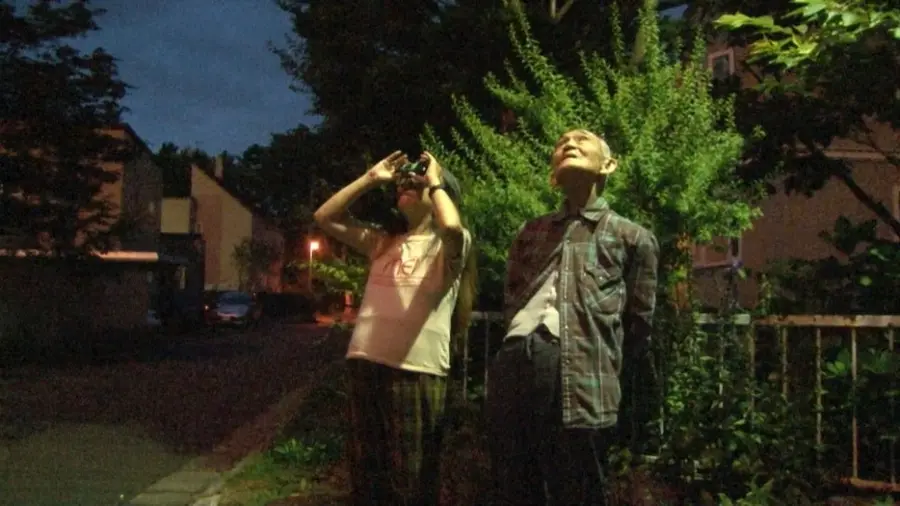
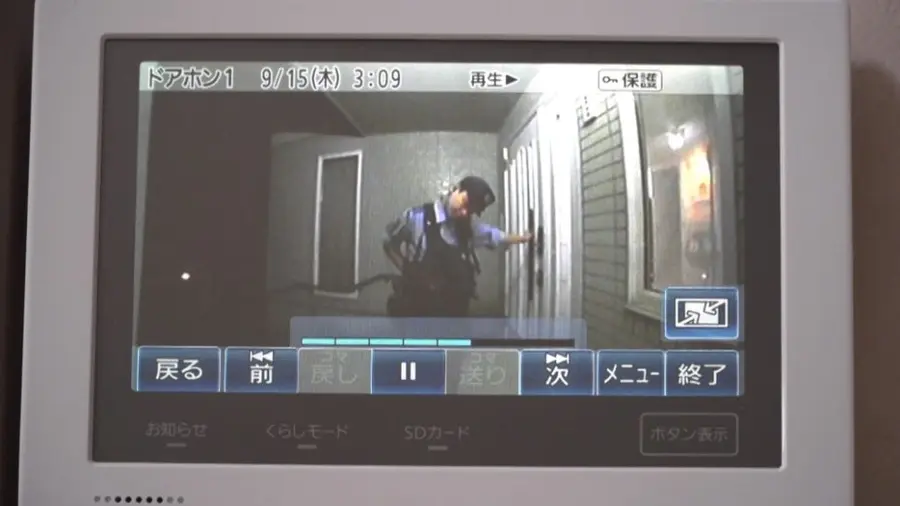
The video records of everyday life in the family go back to 2021, and if you trace even further to audio recordings, they include material accumulated since 1992—images of the older sister lashing out, and conversations among family members that never seem to close the gap, along with intimate talks and actions that the family would have had every reason to hide. Fujino said the first time he picked up the camera, the goal was to document the symptoms of his ill sister, not to make something for public release. The family, too, gradually began to show their lives in front of the camera. From that, he edited a total of 80 hours of footage showing him and his family and completed a final film that runs 101 minutes.
If 〈How Should It Have Been Handled?〉 is a documentary about schizophrenia, there’s no tender, reassuring explanation you might normally expect. Music meant to drive emotion is also completely left out. There is no viewpoint that demonizes the person with schizophrenia or the families who care for them. When the film starts as if it’s asking why the parents made decisions the director himself couldn’t understand, and as if it’s asking them to answer for what responsibility they failed to take, the audience is led to wonder what should have happened if we had been there, performing that role ourselves. And above all, there’s a painful question about the role he must play as a member of the family, firmly embedded at the core. I met Director Tomoaki Fujino, who came to South Korea for the film’s release. Living in his Sapporo home with his family, he said that, alongside preparing for his next project these days, he has recently been holding talks across the country after the publication of the book based on 〈How Should It Have Been Handled?〉, meeting people who say they want to discuss this issue together with others who are experiencing the same situation.
I got to meet with Korean audiences. Could you share your thoughts ahead of the release?
I’m relieved because online—luckily—there are some positive responses from people saying they want to watch it. In Japan, there was a system that forced people with schizophrenia into long-term hospitalization. These days, there’s a growing sense that they should reduce long-term hospitalization out of consideration for patients, not just to cut medical costs. Still, online it seems there are many negative views—almost as if people are equating criminals with schizophrenia patients. A lot of people say they’re afraid the person might commit violence. But in our case, looking at my sister, she has never actually carried out violence. I don’t know well what the situation is in South Korea, but I hope the film can bring about meaningful changes for the individuals involved and for their families.
You’ve pulled out the hidden story of a family that confined a sister with schizophrenia. As the public watches and the video is released more and more, it’s also a work where criticism toward the entire family will clearly follow. I’m curious what decision you made—and when—that led you to put this story out to the world.
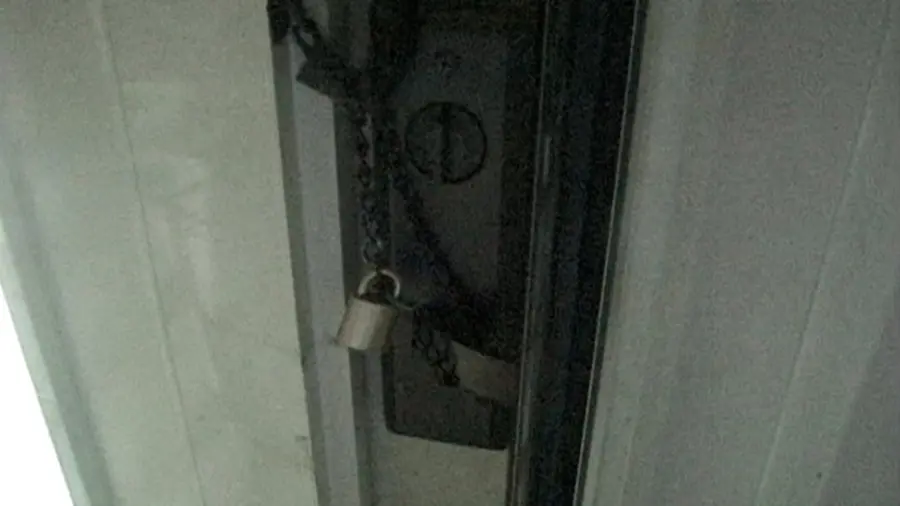
About a decade ago, in Osaka, there was news about an incident in which the parents of a child with developmental disabilities locked the child in a temporary housing facility. In our home, too, they attached locks, leaving my sister in something close to half-confinement. They didn’t take her to the hospital, so we couldn’t get an accurate diagnosis of what her condition was. Over the past several decades, I’ve thought that my parents’ caregiving approach was far too harsh. When I saw the news that a child with developmental disabilities had starved to death, I thought, “So this wasn’t only happening in our house.” If I hadn’t spoken up, then none of these things would have been recognized as having happened in our home. And I wondered whether exactly the same kind of incident might keep repeating in the future. Even though our home failed, I wanted to deliver this issue to many people and make them think.
There must have been various reasons the parents tried to hide the schizophrenia. If anything, I wonder whether the parents’ background—medical school—may have prevented active treatment.
The parents were ashamed of their daughter’s illness. And above all, it seems they were extremely afraid of social prejudice and stigma. They didn’t even explain their sister’s condition to relatives. They were worried that if it became known that there was someone in the family with schizophrenia, it would lead to disadvantages for their family’s marriage prospects or social life. This kind of social prejudice still remains strong in Japan’s society today. Another factor was a lack of trust in the medical community itself. Back then, hospitals were in poor condition and there were many bad situations, including confinement of patients, and my parents knew the situation well. Even a psychiatric doctor friend I met at a class reunion recently said that within the medical profession, discrimination and prejudice toward people with mental illness are even worse. It seems my parents also couldn’t fully trust the mental-health care system itself, so they couldn’t hand my sister over to it readily for a long time.
When you actually watch the film, there’s hardly any part that even mentions “schizophrenia.” That’s what differentiates it from other works, because it’s a documentary with no narration to explain the symptoms and no expert opinions. I’m wondering whether the way it simply shows the family’s 모습—without judgment—opened up the film’s potential for expansion.
At first, I was thinking I would get the approval or review of a psychiatrist. But when I told that person about the plan, they said they were worried. They said that no matter how good my intentions were, there was a concern about a negative impact on a third party. I wasn’t trying to make a documentary with a medical explanation, so I wanted to complete it without a doctor’s perspective being included. I felt that my intentions were reflected sufficiently even in that way.
You’ve also said that until you released the work, you were thinking, “Maybe it would have been better not to disclose it.” I’m curious why and at what point you decided to release the video.
In 2008, my sister was hospitalized and received treatment for three months. She improved dramatically—this despite the fact that 25 years had passed since the onset of symptoms. At the time, I had graduated from film school and started working as an AD at a broadcasting station. While I studied screenwriting, I thought I might try writing something using our home’s material. But once I wrote it, it seemed that unlike just listing things as bleak stories, it might be possible to convey a hopeful story instead of ending only in suffering.
I began recording the family’s story in 1992. In 1983, my sister first showed symptoms, and nine years later—by then I had left home. While I was away, I needed records of what was happening at home. At the time, there wasn’t any video, so I recorded only audio with a Walkman. That audio is what appears in the film’s first scene—the recording left behind at the time. Literally, I only wanted to record, not make a documentary. Starting in 2001, I began recording on video, but even then I didn’t know whether my sister had schizophrenia or not, so it was only simple recording.
▶ The interview with Director Tomoaki Fujino continues in Part 2.
![[Interview] “Not releasing this video is a bigger sin.” What should we have done? Director Tomoaki Fujino ②](https://cdn.www.cineplay.co.kr/w160/q75/article-images/2026-08-03/668c7d96-b533-4b3a-94dc-69189991c3d3.jpg)
댓글 (0)
댓글 작성
댓글을 작성하려면 로그인이 필요합니다.
로그인하기