


I have a soft spot for pop-culture fandoms. I check out anything with fresh ideas or characters — not just movies but webtoons, games, manga and animation. Comics opened the door to fandom for me; these days I’m a grown-up kid who reads manga on an e-reader and webtoons on my phone. But it’s less fun to enjoy these alone. I write "Seong Chan-eol's Comics" from the perspective of a generalist fan to highlight works that are better shared.
The real pleasure of comics is their boundless imagination. That means they can encompass grand, world-ending epics as well as small, everyday stories that feel indistinguishable from our own lives. So a work that adds one odd imaginative twist to a mundane setting and paints a new world is a perfect fit for manga. You get the best of slice-of-life and fantasy. Today I introduce two unconventional slice-of-life titles that tell high-school stories through characters who aren’t strictly human. Both feature nonhuman high school students, but they take opposite approaches — pick the one that fits your taste.
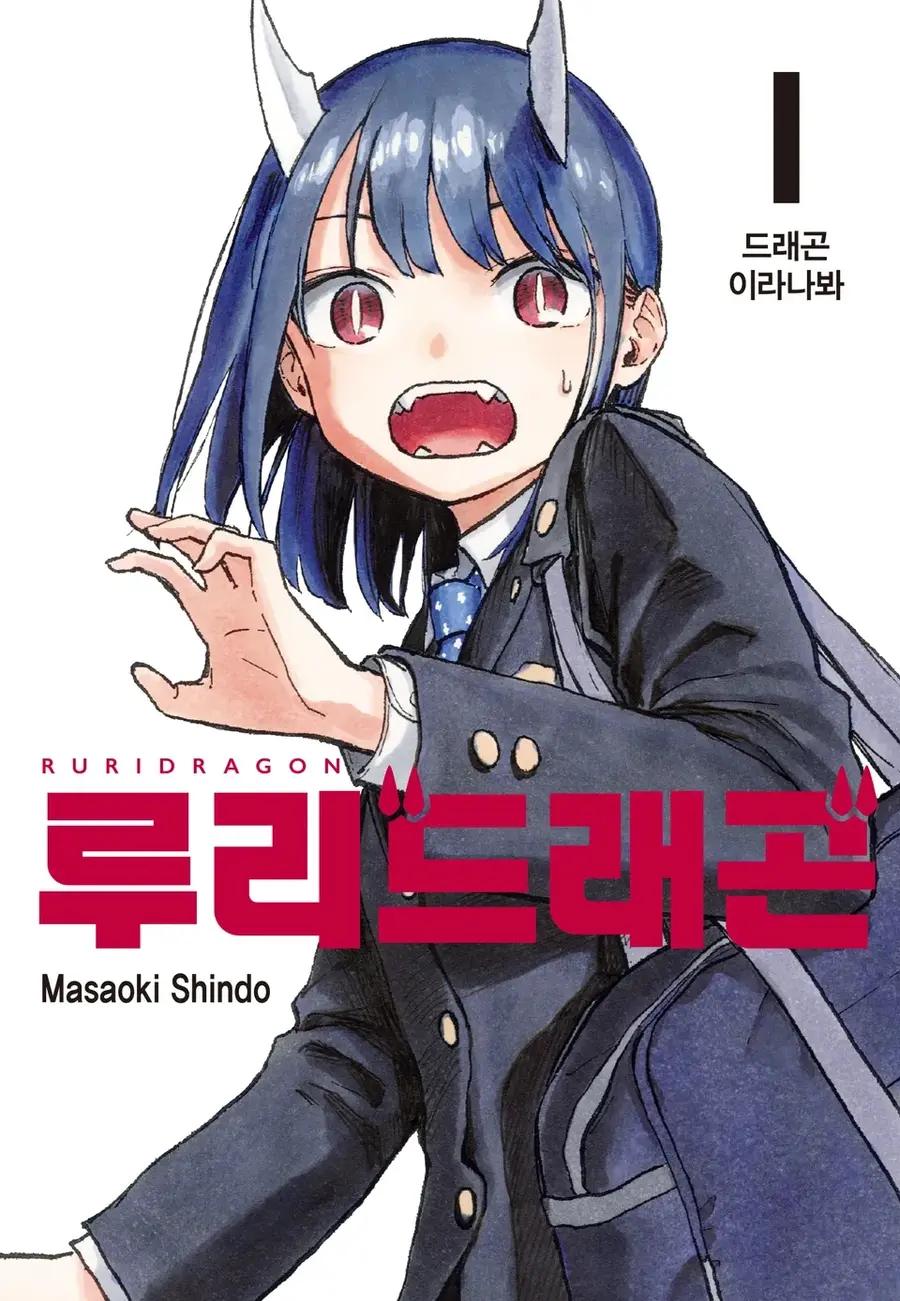
First up is Shindo Masaoki's 「Ruri Dragon」. The story begins when a high school girl named Aoki Ruri suddenly sprouts horns. Flustered, Ruri’s mother drops a bomb: "Actually, your father isn’t human." It turns out Ruri’s father is a dragon, and dormant dragon traits are starting to manifest in her.
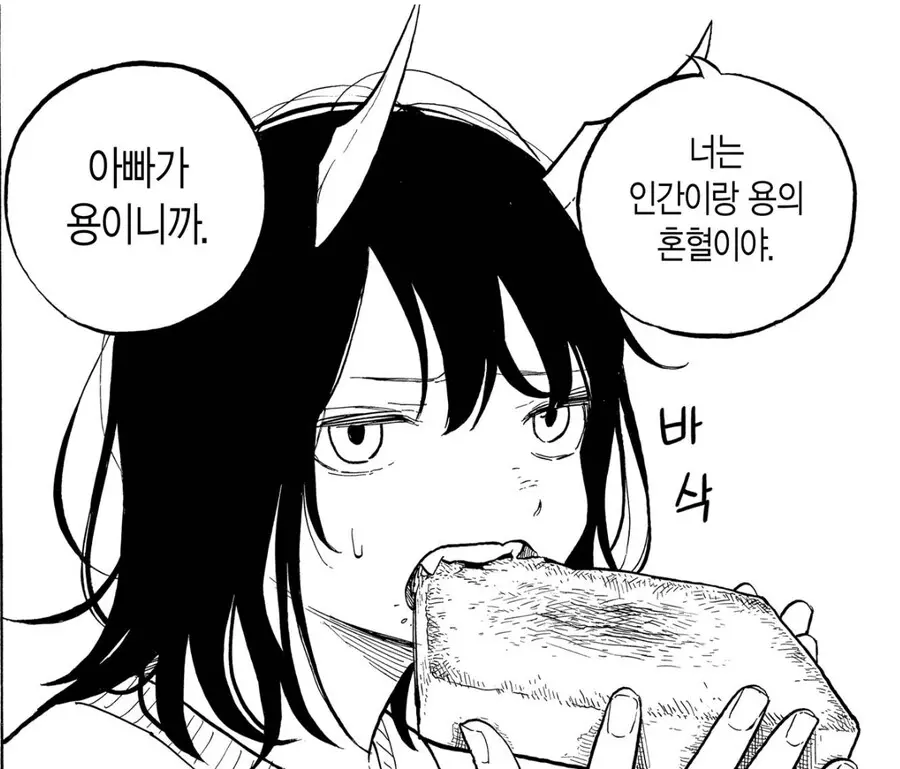
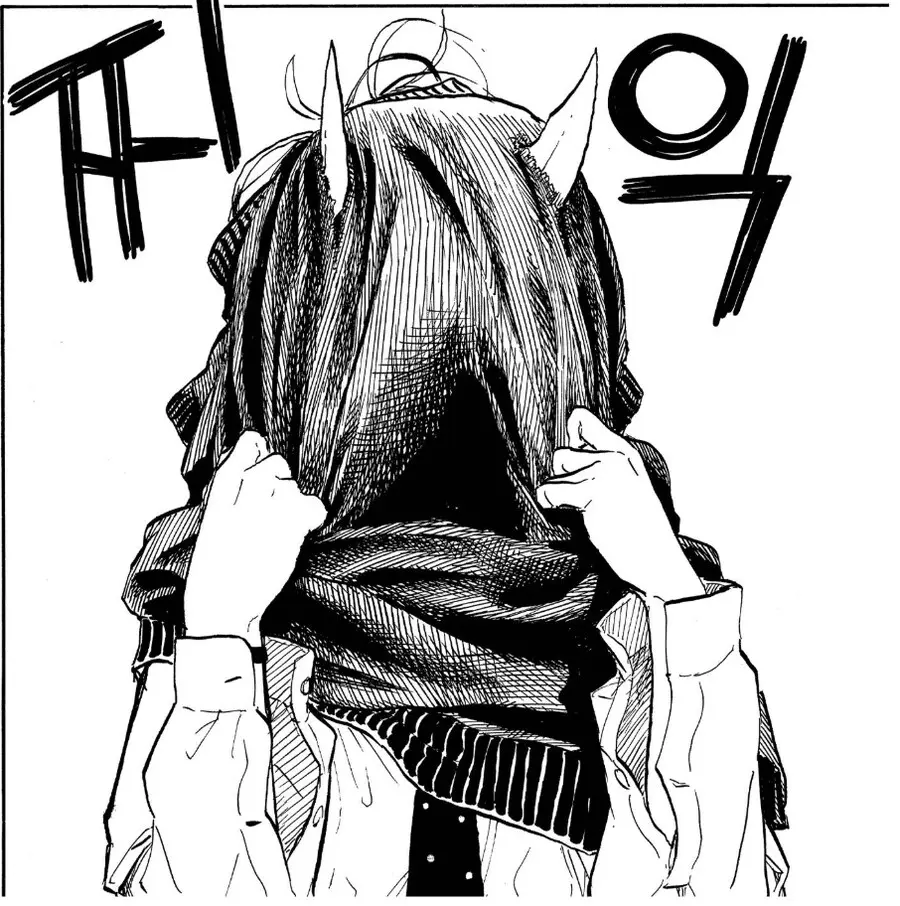
Ruri is a dragon-human hybrid — but fortunately this world doesn’t respond by sending her to a lab or hunting her. Even though she becomes the first hybrid in the world to manifest dragon traits, she can still continue her school life. Instead, Ruri’s horns, occasional fire-breathing and other oddities draw attention from other students, and her school days change a little. Contrary to the shocking premise of a "dragon-human hybrid high school girl," 「Ruri Dragon」 unfolds as a surprisingly gentle slice-of-life and a coming-of-age story.
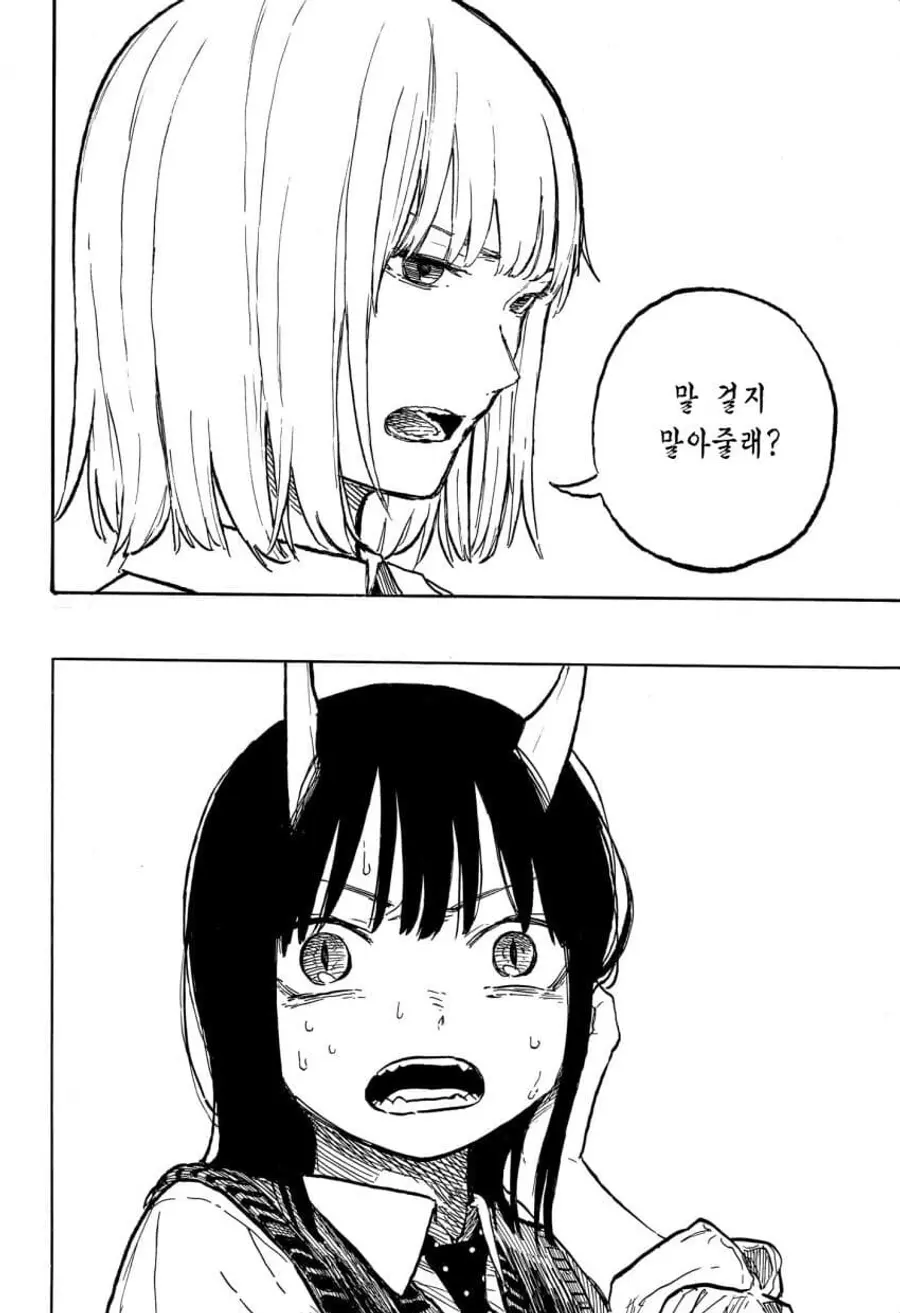
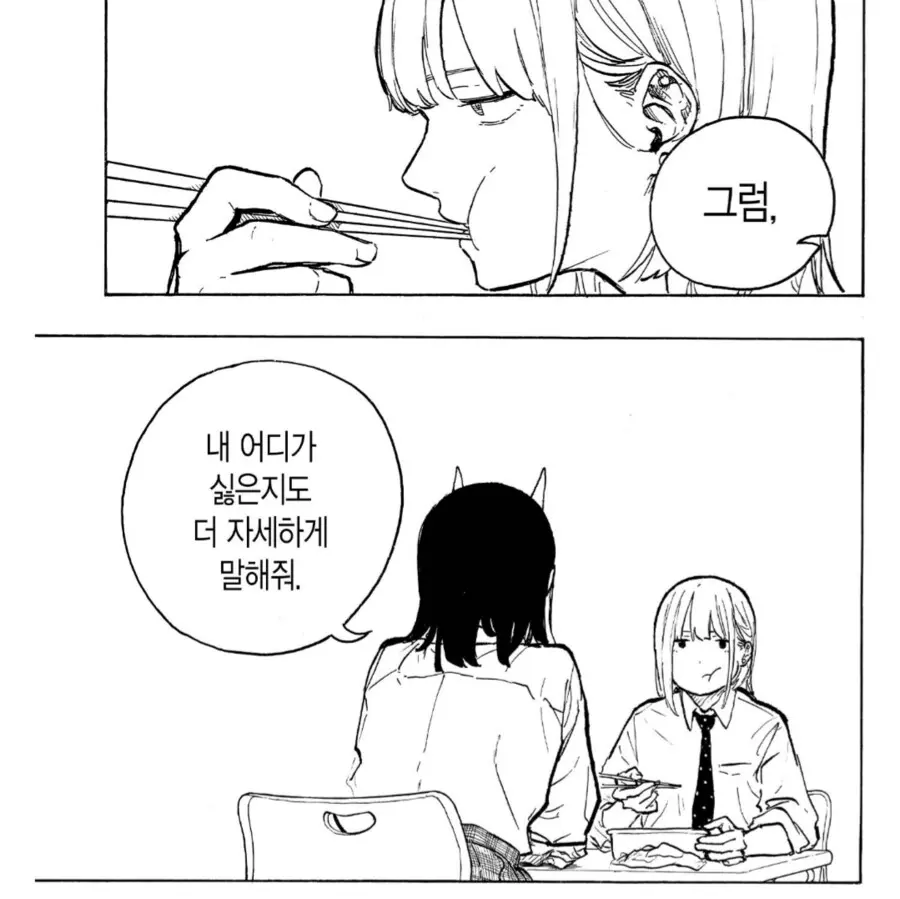
What makes 「Ruri Dragon」 appealing is a certain streak of nonchalance. Ruri, horned as she is, goes to school after her mother says, "It’s not like you’re going to die." Other students don’t shy away from her in fear; they come up and ask, "Can I touch your horn?" Ruri, who isn’t particularly social, finds that bothersome, but she doesn’t try to flee. Instead she gradually adjusts, trying things she never had before as she becomes more integrated with those around her. Part of the series’ balance lies in how both Ruri and the people around her are unsettled, but only slightly, in response to a birth secret and an appearance that seem to call her very existence into question. That restrained handling lets readers accept and enjoy the story simply as the tale of a somewhat unusual high school student.
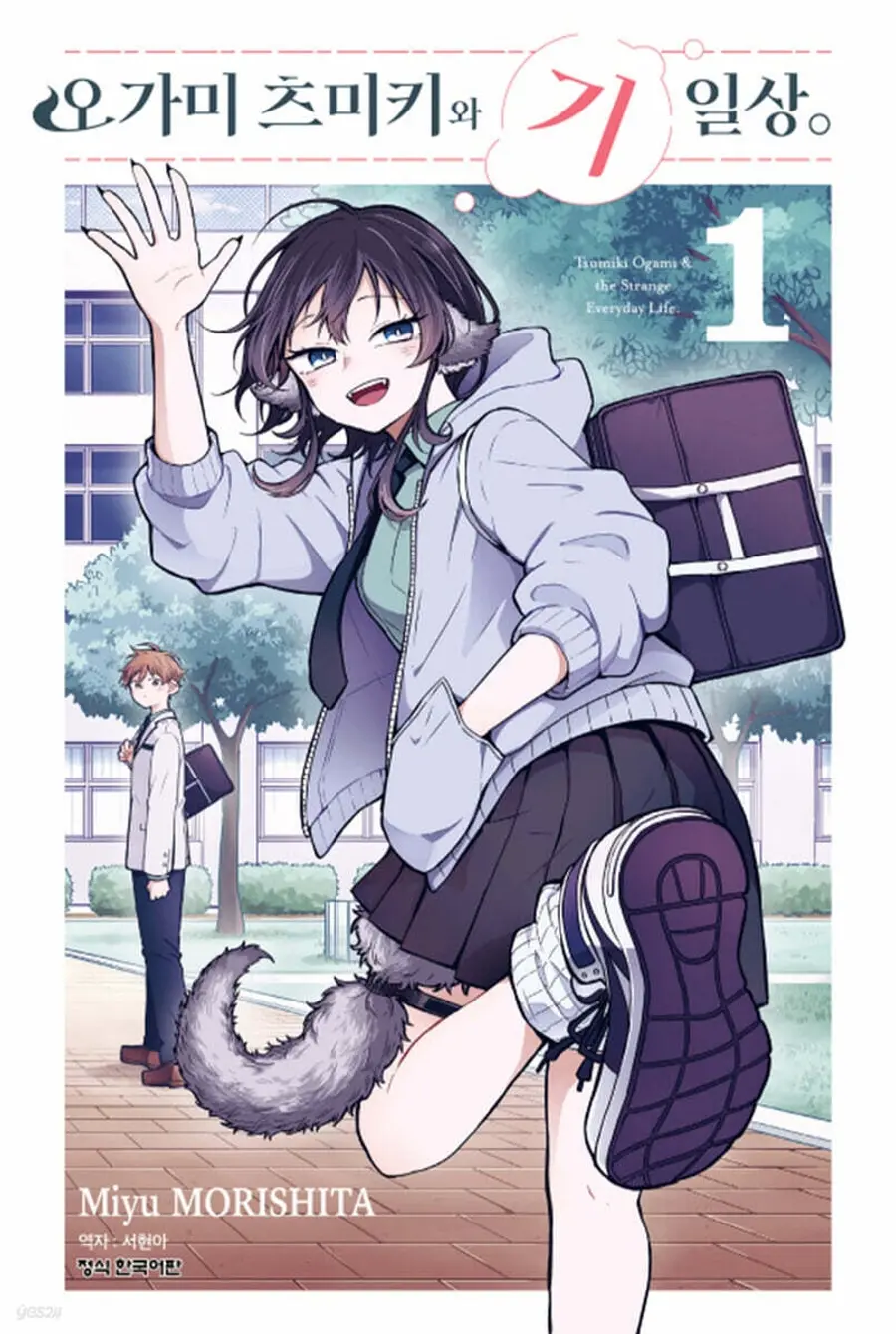
The next series, Morishita Miyu's 「Ogami Tsumiki and Her Unusual Daily Life」, is in some ways the opposite of 「Ruri Dragon」. While 「Ruri Dragon」 deals with a single, unique being in the world, the world of 「Ogami Tsumiki and Her Unusual Daily Life」 is a society where fantastical-human hybrids live alongside humans. The protagonist, the human Shinso Yutaka, enrolls at Keiki High School. Keiki High School has the largest number of fantastical-human hybrid students. There, Shinso befriends a werewolf fantastical-human hybrid named Ogami Tsumiki.
If you’re familiar with manga conventions, you’ll probably notice that 「Ogami Tsumiki and Her Unusual Daily Life」 is a fairly conventional romantic comedy once you remove the fantastical-human element. It’s a warm rom-com about a polite but hesitant boy and a confident, cheerful girl who grow closer and learn from each other. Adding the fantastical-human element elevates the story beyond a simple rom-com: it becomes a coming-of-age tale about how different beings learn to recognize and accept one another.
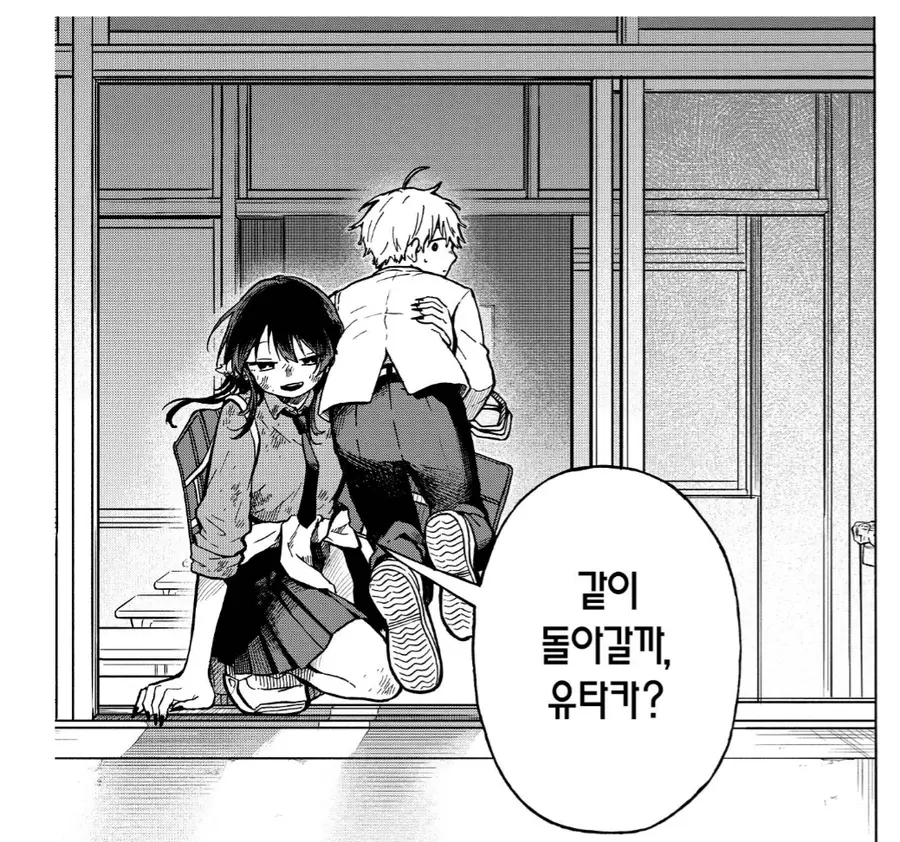
Morishita Miyu also turns each fantastical trait into a character asset. Tsumiki, as a werewolf fantastical-human hybrid, has large feet and long nails so her socks are always worn thin; spider fantastical-human hybrid Mokuri creates art with webs and is a famous influencer; Medusa fantastical-human hybrid Hebijono’s head snakes subtly display emotion. These species traits are woven into character design and personality. And because those details do not stop at characterization but unfold into each character’s own episodes, the series presents them to readers more directly and accessibly than many other slice-of-life works do.
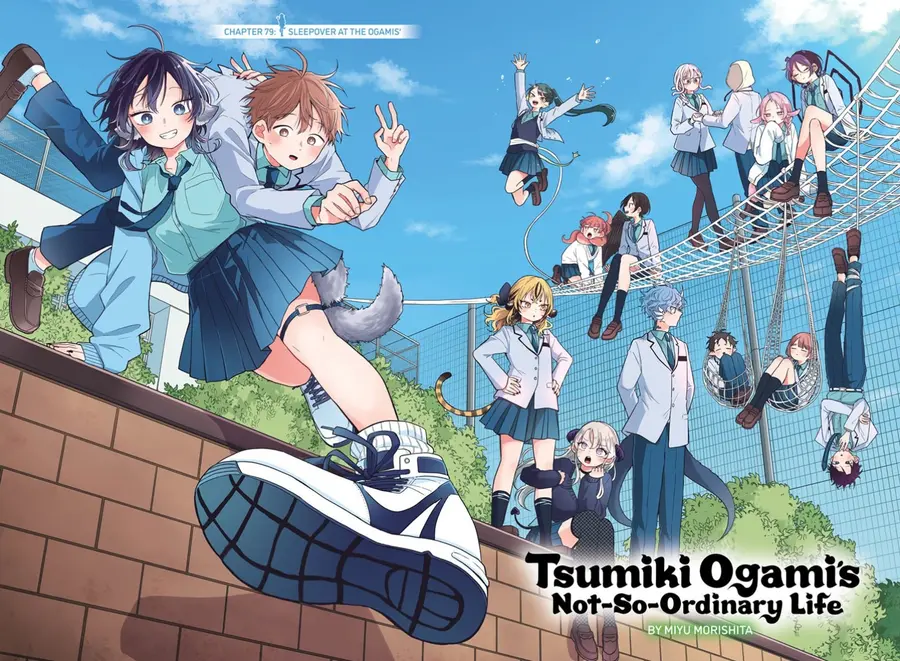
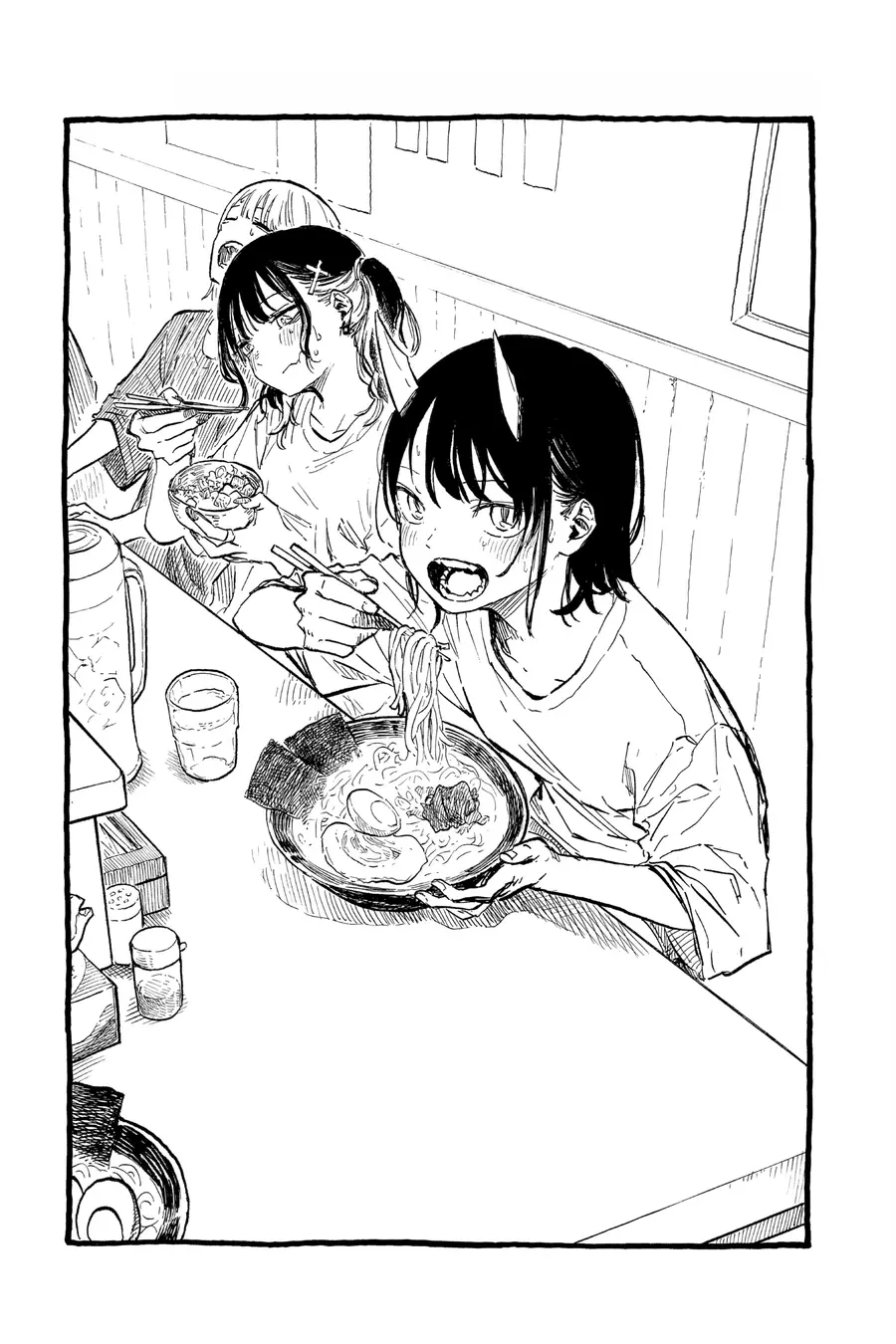
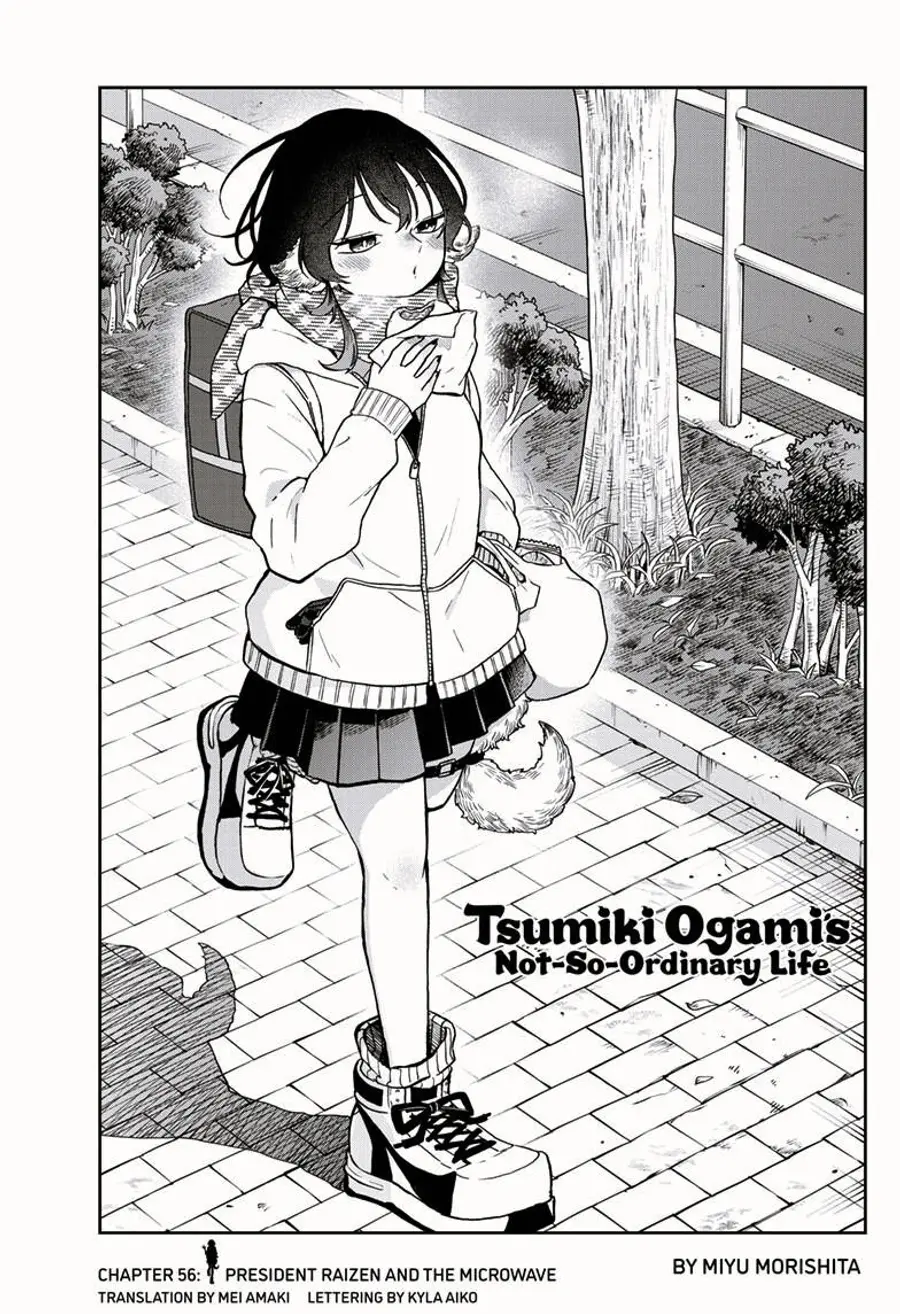
Though the two series belong to different genres, both explore in approachable ways how people can learn to accept those who seem difficult to accept and how to affirm themselves (or others). As summer slips into autumn, why not ease into the season with the warm, youthful stories of the students in these two manga?
![[Sung Chan-yeol’s Comics] In 〈He and the Moon〉, a Big Family Feels Both Close and Far Away](https://cdn.www.cineplay.co.kr/w160/q75/article-images/2026-07-31/0d80acc1-5060-4484-9569-e7a45d0c6b45.jpg)
![[Joo Sung-chul's Locker] What Are the Improvised Explosive Devices (IEDs) in 'Warfare' and 'The Hurt Locker'?](https://cdn.www.cineplay.co.kr/w160/q75/article-images/2026-08-24/4a41c3d4-32a0-46a8-ac3f-57b7af93404d.jpg)
![[Kim Ji-yeon’s Jewel Box] From raw terror to weighty warmth, Kim Young-sung of 〈Gyeongju Trip〉, 〈Salmokji〉 and 〈Big Sleep〉](https://cdn.www.cineplay.co.kr/w160/q75/article-images/2026-08-25/104ad788-e253-46bc-8899-bc79d863c6c9.jpg)
![[Choo A-young's Music Box] Ridley Scott's Message of Hope in 〈Dog Star: Last Hope〉 and Hozier's 'Like Real People Do'](https://cdn.www.cineplay.co.kr/w160/q75/article-images/2026-08-26/421a6be0-7c02-4e00-a36c-03a38877511a.jpg)
댓글 (0)
댓글 작성
댓글을 작성하려면 로그인이 필요합니다.
로그인하기