


Director “Zhang Yimou”, the Chinese cinema master serving as jury president for this year’s 31st Busan International Film Festival competition, has firmly stated his position on the controversy over historical distortion surrounding “Assassins”, a film that has recently stirred South Korea’s movie industry. With the pointed remark, “Art is art,” he introduced a new dimension to the long-running debate between “freedom of expression” and “historical responsibility.”
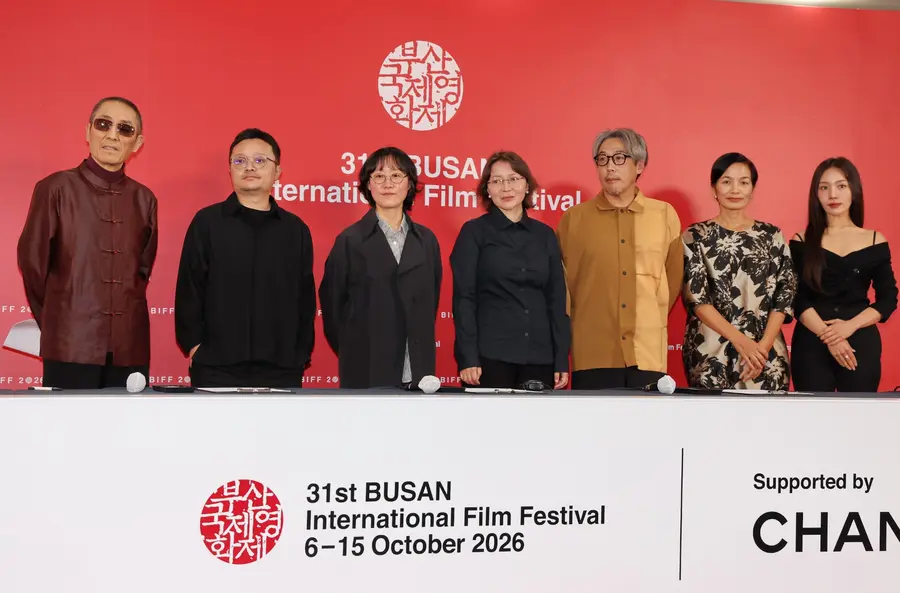
A master examines the boundary between historical truth and cinematic imagination
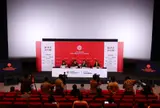
At a news conference held at the Busan Cinema Center on the 7th, Zhang said, “Even what is called historical truth is subject to endless debate over whether it is true in the first place.” He stressed that “this uncertainty and room for debate are precisely the most interesting and compelling aspects of ‘film as art.’” Although he had not seen “Assassins” himself, he showed a deep understanding of the social repercussions surrounding the film.
Inspired by the shooting of Yuk Young-soo, “Assassins” became embroiled in fierce controversy over “historical distortion” before and after its release. The conflict over the boundary between fact and creative expression escalated into a “boycott campaign” against brands represented by the lead actor and protests outside the actor’s home. The fallout ultimately led to the unprecedented cancellation of all outdoor stage greetings scheduled at the Busan International Film Festival.
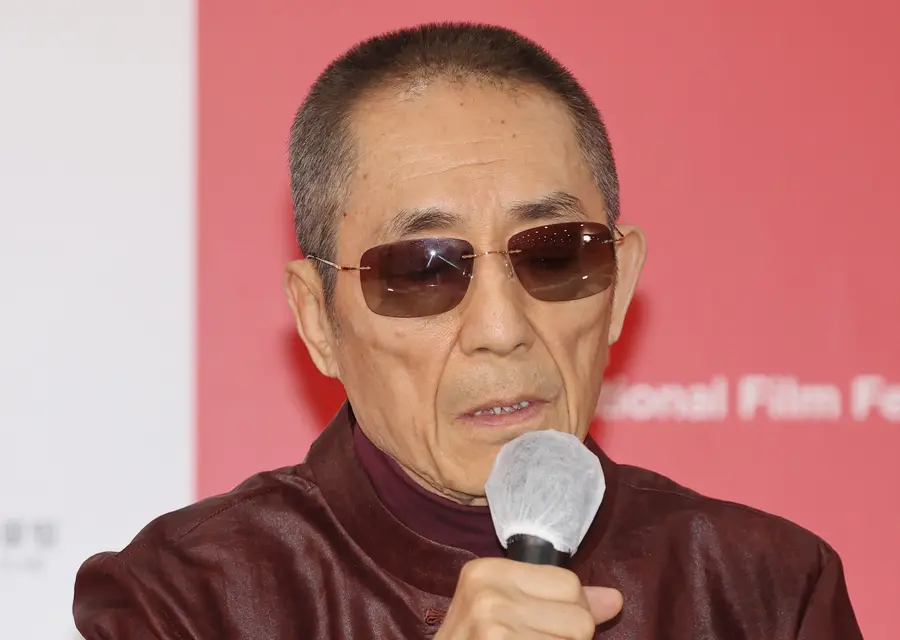
On the essence of creativity: “The audience’s varied interpretations are what make films compelling”
Zhang began by saying that “it is difficult to define the relationship between history and creative work in simplistic terms or to hastily declare a single right answer.” But he drew a clear line, saying, “A creative work must fundamentally be accepted as a creative work; it does not necessarily have to be based 100% on fact.” He further argued that “we must respect the ‘audience’s perspective’ in receiving a film,” adding that “the freedom to share different reactions and disagree with other people’s opinions is the ‘true appeal of cinema.’”
Zhang Yimou is an internationally acclaimed master who won the Golden Bear at the Berlin International Film Festival for his debut, “Red Sorghum” (1987); twice won the Golden Lion at the Venice International Film Festival for “The Story of Qiu Ju” (1992) and “The Road Home” (1999); and took the Grand Prix at the Cannes Film Festival for “To Live” (1994). Because he has built a singular creative world around major “historical facts” such as the Second Sino-Japanese War and the Cultural Revolution (“Coming Home”), his comments carry particular weight.
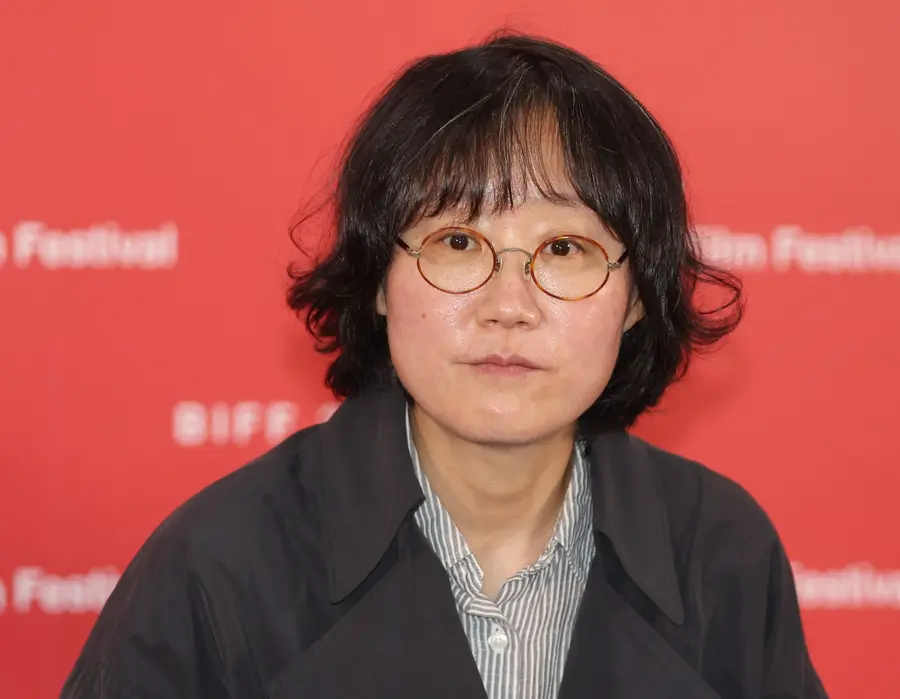
Filmmakers working from true stories find common ground: “Take responsibility, but do not be intimidated”
Director “Jung Juri,” who is also serving on the competition jury, expressed deep empathy for the challenges faced by creators working with true stories. Jung, who directed the acclaimed film “Next Sohee” (2023), inspired by the death of a call center intern, carefully began by saying, “I am always mindful that people may be hurt by the material used in a film.”
But Jung said, “Whatever story a film begins with, full responsibility for the final product rests solely with the ‘filmmakers.’” She firmly added that “the process of accepting criticism and building empathy is itself part of creation.” She also said it was unfortunate that “a series of recent incidents has left creators excessively intimidated,” and offered her heartfelt support, saying, “I hope they will continue their ‘film work’ steadily, without being swayed by outside pressure.”

A rigorous search for the future of Asian cinema
The Busan International Film Festival competition, now in its second year, brings together “13 invited films” offering sharp perspectives from across Asia, including South Korean films such as director Lim Ha-yeon’s “Tae-joo of That Day” and director Kim Jung-hoon’s “Shave.” The winner of the top honor, the “Busan Award,” will receive the unprecedented opportunity to be submitted for the Academy Award for International Feature Film.
Director “Bi Gan,” who returns to the festival as a juror after winning the Artisanal Award last year for “Resurrection,” emphasized the competition’s true value. “The key is not simply to rank the films, but to use them as a vehicle for creating a diverse ‘cinematic discourse,’” he said. As for the judging criteria, he signaled that the jury would give extra credit to “challenging films” that break through conventional frameworks, connect with deep human emotions and surpass the jurors’ existing experience.
Actor “Choi Hee-seo,” who joined the jury, shared her personal story of having a deep conversation with her father after watching director Lee Chang-dong’s new film “The Possible Love.” She outlined her own firm philosophy: “A ‘good film’ is one that makes audiences ask themselves fundamental questions.” The jury also includes a host of leading Asian filmmakers, including “Samal Yeslyamova,” the Kazakh actor who won the Best Actress award at Cannes; Japanese director “Kei Ishikawa”; and Vietnamese producer “Tran Thi Bich Ngoc,” bolstering the fairness and expertise of the judging process.
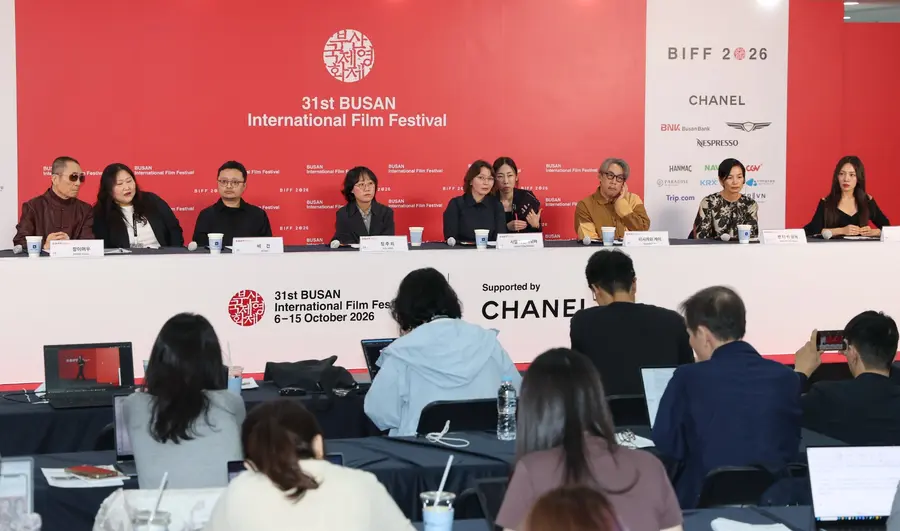
Busan, a hub for Asian cinema reaching audiences worldwide
The final winners of the competition, which has drawn the attention of movie fans worldwide, will be officially announced on “the 15th,” when the festival’s closing ceremony takes place. Jury president Zhang Yimou said the Busan International Film Festival “has already established itself as a ‘major film festival’ with global prestige extending beyond Asia.” He added, “I hope it will continue to serve as a strong bridgehead for outstanding Asian films reaching the global stage.”
![[On the Ground at BIFF] “Art Is Art”: Zhang Yimou Breaks Silence on Historical Controversy Over “Assassins”; Top Asian Film to Be Named on 15th](https://cdn.www.cineplay.co.kr/w300/q75/article-images/2026-10-07/c4d38025-dc2a-4cf0-919a-792227afc5f5.jpg)
![[At the Busan International Film Festival] Michelle Yeoh returns to Busan after 15 years, a proud symbol of Asian cinema after breaking through the “minority” barrier](https://cdn.www.cineplay.co.kr/w300/q75/article-images/2026-10-07/ef039b9b-8753-4a30-8a24-cd61d0237c44.jpg)

![[Busan International Film Festival] Grand opening draws Michelle Yeoh, Hyun Bin and other stars as 93 world premieres are unveiled](https://cdn.www.cineplay.co.kr/w160/q75/article-images/2026-10-07/604fc059-c33f-4cd2-bd17-672eb66f4839.jpg)
댓글 (0)
댓글 작성
댓글을 작성하려면 로그인이 필요합니다.
로그인하기