


The study of destiny he pursued after standing at death's door, and an enduring legacy in Korean popular culture
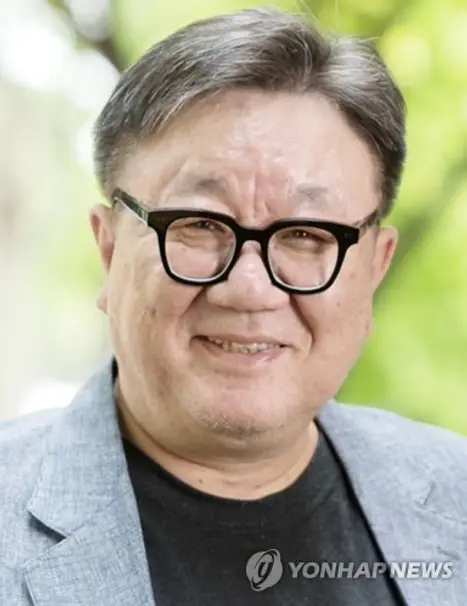
Kang Heon, chairman of the Korea Arts & Culture Education Service and a pop music critic who broadened the horizons of Korean popular music criticism, died on the 20th at the age of 64. According to people in the cultural sector, he died that afternoon. The specific cause of death was not disclosed.
Born in Busan in 1962, Kang laid the artistic foundations for his career by studying Korean language and literature at Seoul National University, then music theory at its graduate school of music. He first entered the film industry, working with the independent film collective Jangsangotmae on productions including “Oh! Dreamland” and “The Night Before the Strike.” He also wrote screenplays for commercial films “When Adam Opens His Eyes” and “Jungle Story,” among other wide-ranging cultural endeavors.
His singular standing as a pop music critic began with a review of singer Kim Hyun-sik, written at the urging of a junior colleague. He later became one of the two leading figures in 1990s music criticism alongside critic Lim Jin-mo, helping bring popular music into serious academic and cultural discourse.
His incisive analysis of the musical significance of leading artists of the era, including Seo Taiji and Shin Hae-chul, is still widely discussed. An in-depth interview with Seo Taiji about rock music and corruption in the broadcasting industry, published in the inaugural 1994 issue of the quarterly cultural magazine Review, remains a model of music criticism. When his close friend Shin Hae-chul died in 2014, Kang published “Shin Hae-chul: In Memory of 申海澈 1968-2014” in 2018 to mark the 30th anniversary of his debut, showing his deep affection for him.
He taught the history of popular music for 20 years at Hongik University, Sungkonghoe University and other institutions, helping train the next generation. At 42, in 2004, he suffered an aortic rupture and spent 23 days in a coma, caught between life and death. After miraculously regaining consciousness, he devoted himself to the study of myeongrihak, publishing “Myeongri: Reading Destiny” in 2015 and forging a new life as a myeongrihak scholar.
“Our popular culture is the struggle of the people, who have lived through the tumultuous modern history of Korea with their whole bodies,” he once said, defining Korean popular culture as “a burning chronicle of transplantation and independence.” He served as president of the Gyeonggi Cultural Foundation before becoming chairman of the Korea Arts & Culture Education Service in December last year. Until recently, he continued to publish newspaper columns, showing that his passion had not waned.





댓글 (0)
댓글 작성
댓글을 작성하려면 로그인이 필요합니다.
로그인하기