


I am drawn to music in films. Music often conveys a character's intimate emotions in ways images and dialogue cannot, and it can open a window onto a creator's hidden intent. For me, understanding a film's music has been one way into the film itself. "Chu A-young's Music Box" listens more closely to what films are saying through music. (P.S. Please listen to the music as you read.)
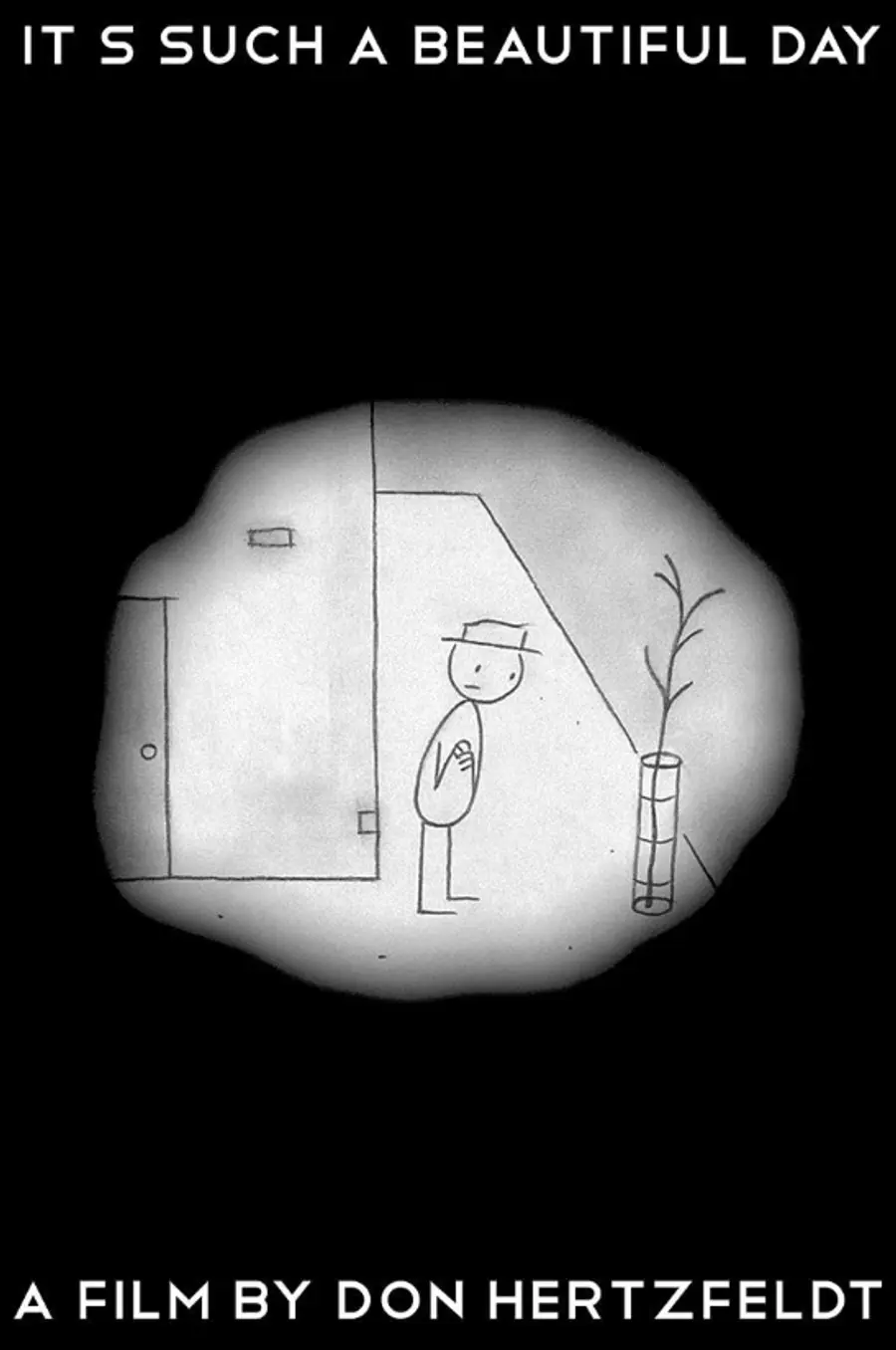
Don Hertzfeldt's animation 〈It's Such a Beautiful Day〉 (It's Such a Beautiful Day) explores the nature of time through the story of a man losing his memory. Recognized for his artistry in the American independent animation scene, Don Hertzfeldt maintains a minimalist style, stripping characters and backgrounds down to their bare details. In this film he mixes minimalist animation with multiple-exposure live-action footage and experiments with various special effects to express the simultaneity of time. What begins as a simple aesthetic in his work consistently expands through experimental techniques to build a distinctive visual language. 〈It's Such a Beautiful Day〉 tackles weighty themes—life and death, and the nonlinearity of time—but Hertzfeldt's trademark black comedy and existential insight deliver the paradoxical message that death can enrich and give meaning to life. Viewers follow Bill's shattered memories and hallucinations into a profound meditation on personal identity, family and the nature of existence. Bedřich Smetana's symphonic poem "Vltava" (from Má Vlast) is woven organically into the film to underscore its thematic concerns.
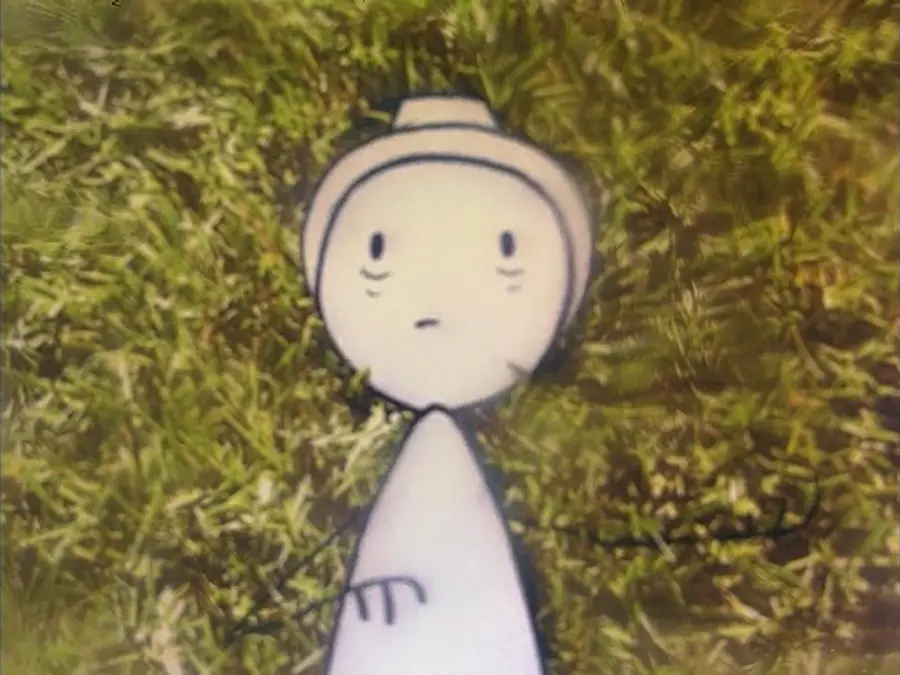
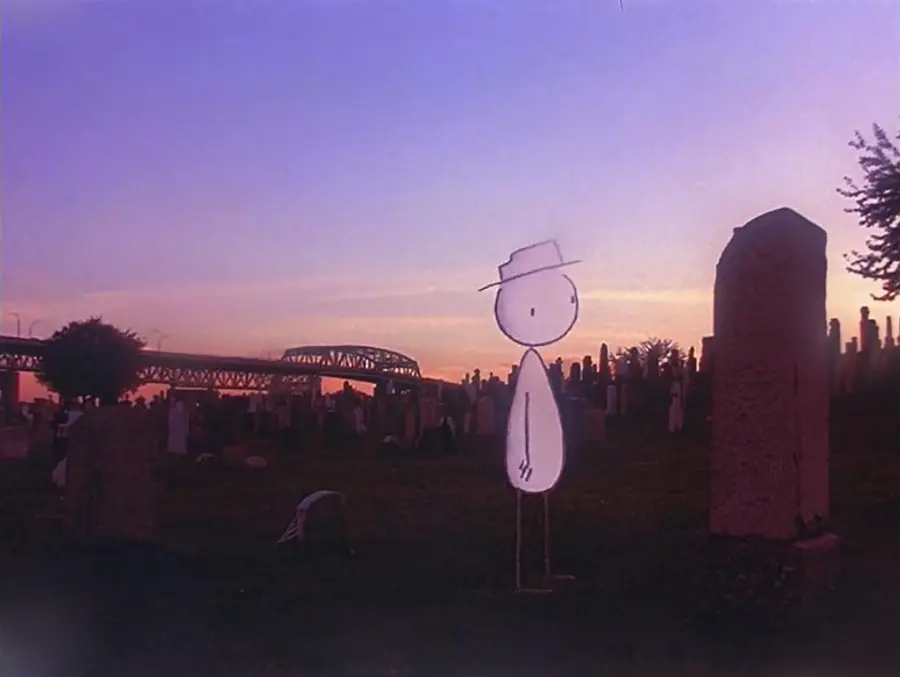
Bill loses his memory to an unexplained neurological disorder. His once-ordinary life is suddenly overtaken by the illness, and vague remnants of past memories and seizure-induced hallucinations intermittently invade his present. Unable to remember the faces of loved ones, Bill drifts toward death as his consciousness deteriorates. Yet unexpectedly, death creates a new turning point in his life.
A Grand Metaphor for Life
No. 2, 'Vltava,' from Smetana's 〈Má Vlast〉
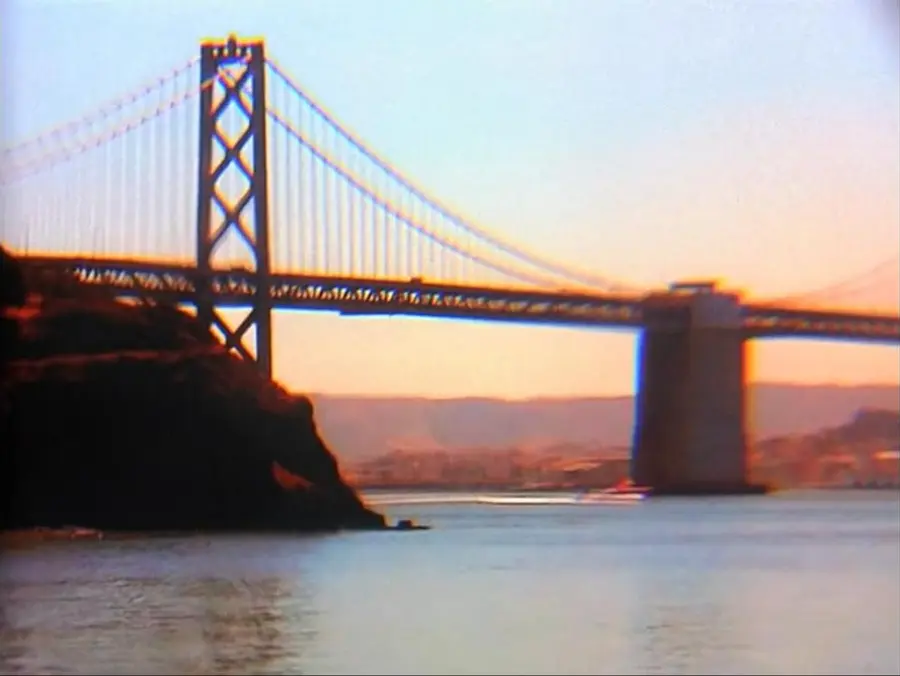
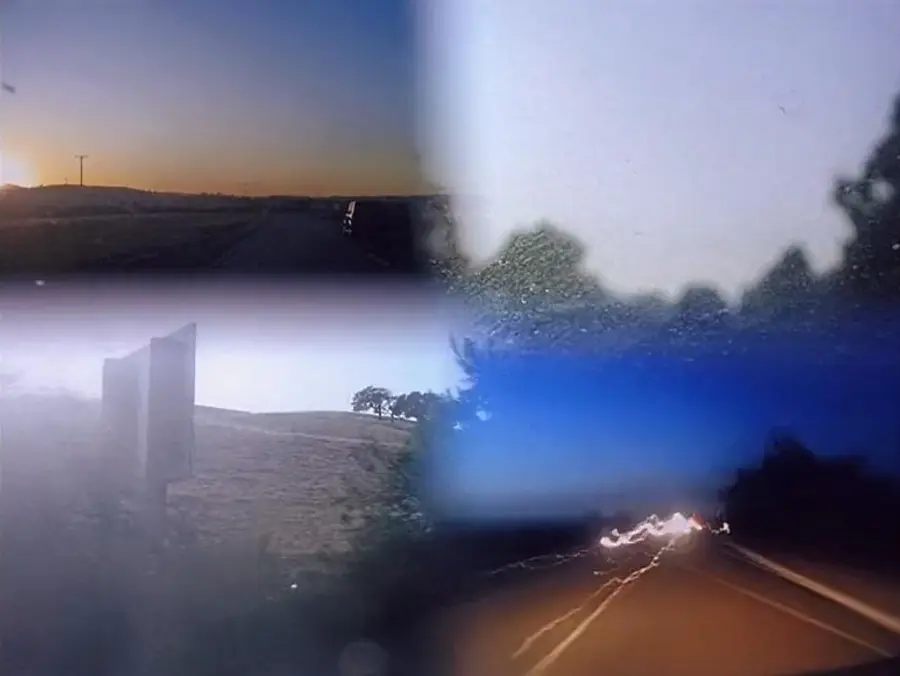
In the film, Bedřich Smetana's cycle of symphonic poems Má Vlast, and specifically No. 2, "Vltava" (The Moldau), functions as more than background music; it gives emotional shape to the film's themes. The piece originally depicts the journey of two streams that rise in the Bohemian forest, flow through Prague and become a great river, evoking Czech nature, history, national memory and life. The river's course—moving forward even as it strikes rocks—symbolizes the Czech people's endurance under the Austrian Empire in the late 19th century and their pursuit of liberation. It expresses both the persistence of life in the face of external pressure and an aspect of Czech national identity.
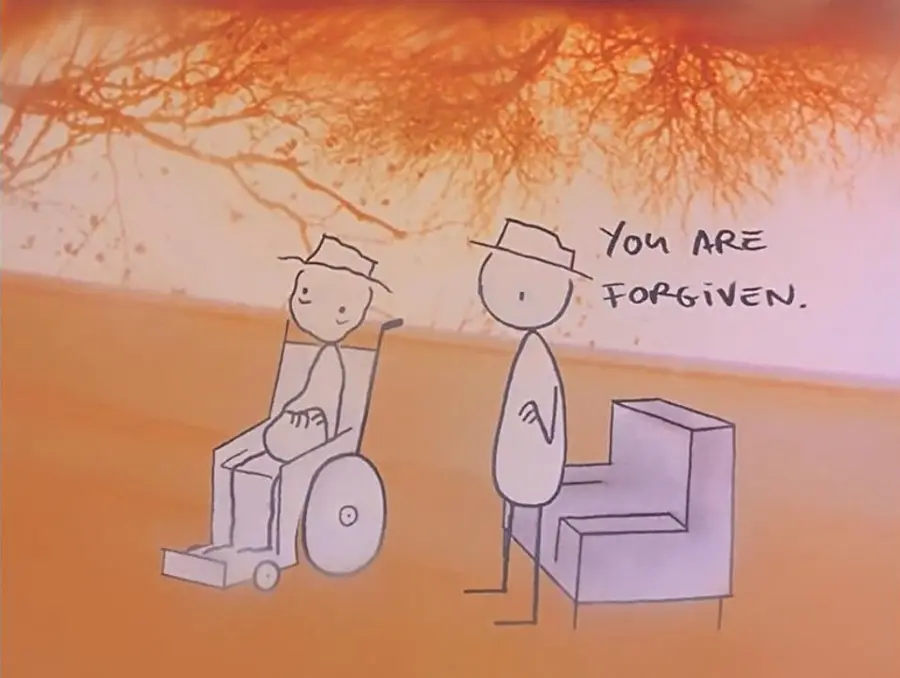
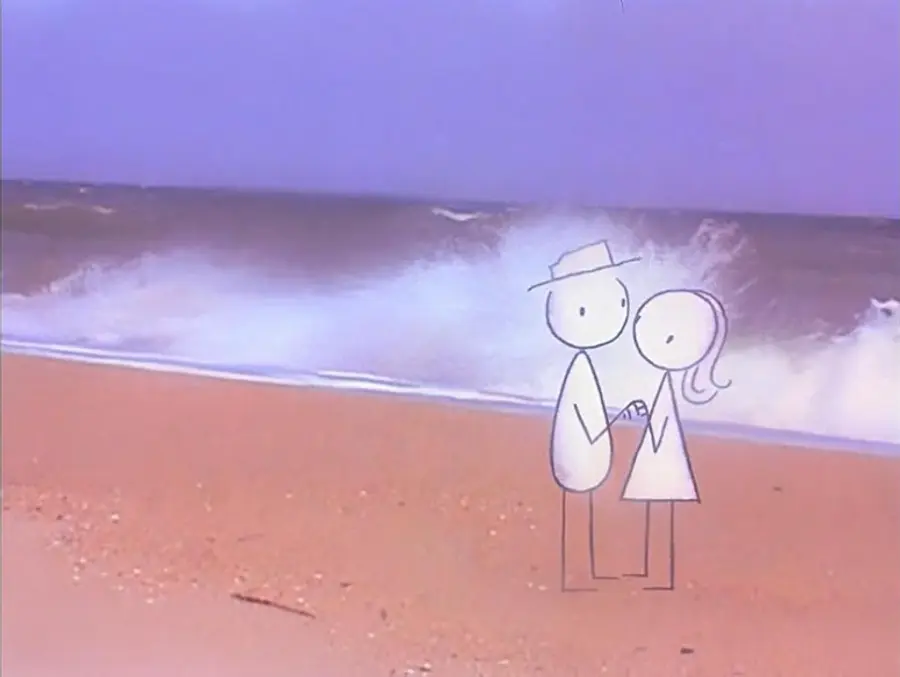
In the film, "Vltava" becomes a symbol of an individual life rather than a nation's history. The movie aligns Bill's move toward a new awakening with the music's rhythm, tracing the river's physical path from source to downstream much like Smetana's score. At the film's opening, Hertzfeldt pairs moments from Bill's ordinary life with the introduction of "Vltava." The opening's delicate flute and clarinet lines slowly reveal Bill's life to the audience.
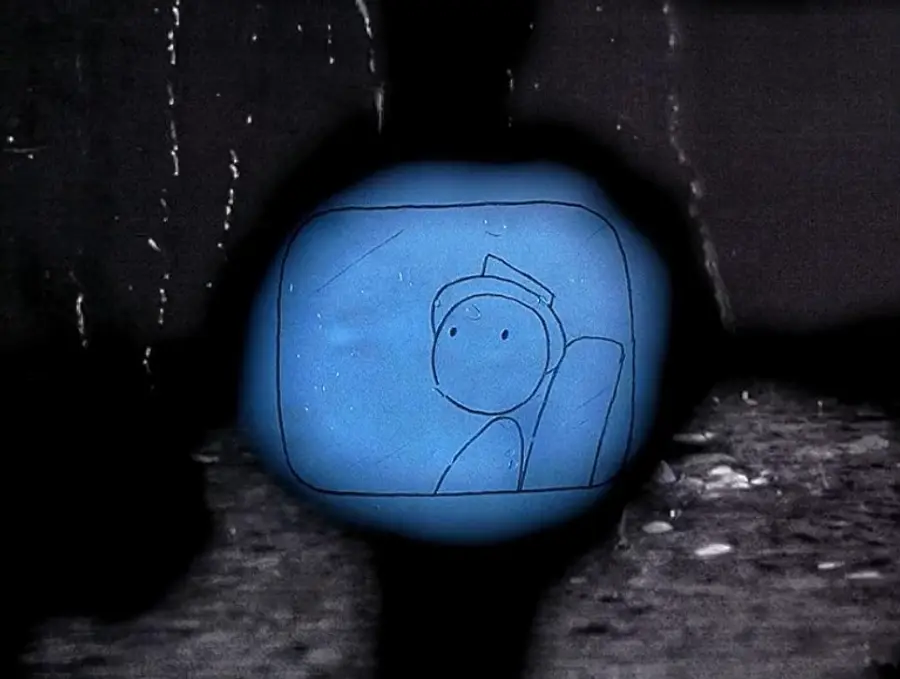
The film is divided into three chapters, and at the end of Chapter 1 the final section of "Vltava" returns. A piece that once signified the Czech people's resilience in the face of hardship becomes, in the film, an expression of human vitality that overcomes despair and continues life. After a temporary improvement in his condition, Bill sits on a bus to work and watches rain fall outside the window. In that scene Hertzfeldt renders an ordinary rainy landscape as an image in which past, present and future overlap, expressing the simultaneity of time. For Hertzfeldt, "the passage of time is merely an illusion, the past never truly disappears, and the future has in some sense already happened." The scene marks a cognitive turning point: Bill, who had sensed time linearly, begins to experience it nonlinearly. Having lived mechanically with no apparent meaning, the possibility of death causes Bill to reexamine his life. As he looks at the rainy scene, he begins to sense faintly that his fragmented memories and pieces of his life exist within vast masses of time. The final passage of "Vltava," led by the brass section with a grand, hymn-like melody, completes that moment of wonder. "Vltava" closes Chapter 1, embracing the individual life and the everyday landscape of Bill in sound as it fades away majestically.



![[Choo A-young's Music Box] 'I Saw the TV Glow' Becomes an Anthem for Anyone Trying to Reclaim Themselves](https://cdn.www.cineplay.co.kr/w160/q85/article-images/2026-07-16/3ae17d5b-6bf9-44f1-9392-978de4b40b9d.png)
![[Seong Chan-eol's Comics] Can’t Die Even After Death? An XP Fever Time in ‘The Knight Only Lives Today’](https://cdn.www.cineplay.co.kr/w160/q85/article-images/2026-07-16/b3e283bb-2539-4e21-a322-6eef96aa5ccd.jpg)
![[Joo Seong-cheol’s Locker] See ‘Hope’ Again Through the Driver-Grade Cap Joo Seong-cheol Wears While Racing Across Seong-gi Bridge in ‘The Yellow Sea’ and ‘Goksung’](https://cdn.www.cineplay.co.kr/w160/q85/article-images/2026-07-28/16869191-9a6c-4fbf-816b-d014dee2a69e.jpg)
![[Kim Ji-yeon’s Jewel Box] 'Off to Work Again!' Star Kang Ki-dong, the Sturdy Pillar of Korean Dramas](https://cdn.www.cineplay.co.kr/w160/q85/article-images/2026-07-28/4cdc376c-eb9f-4a2d-a299-67f6648deba7.png)
댓글 (0)
댓글 작성
댓글을 작성하려면 로그인이 필요합니다.
로그인하기