



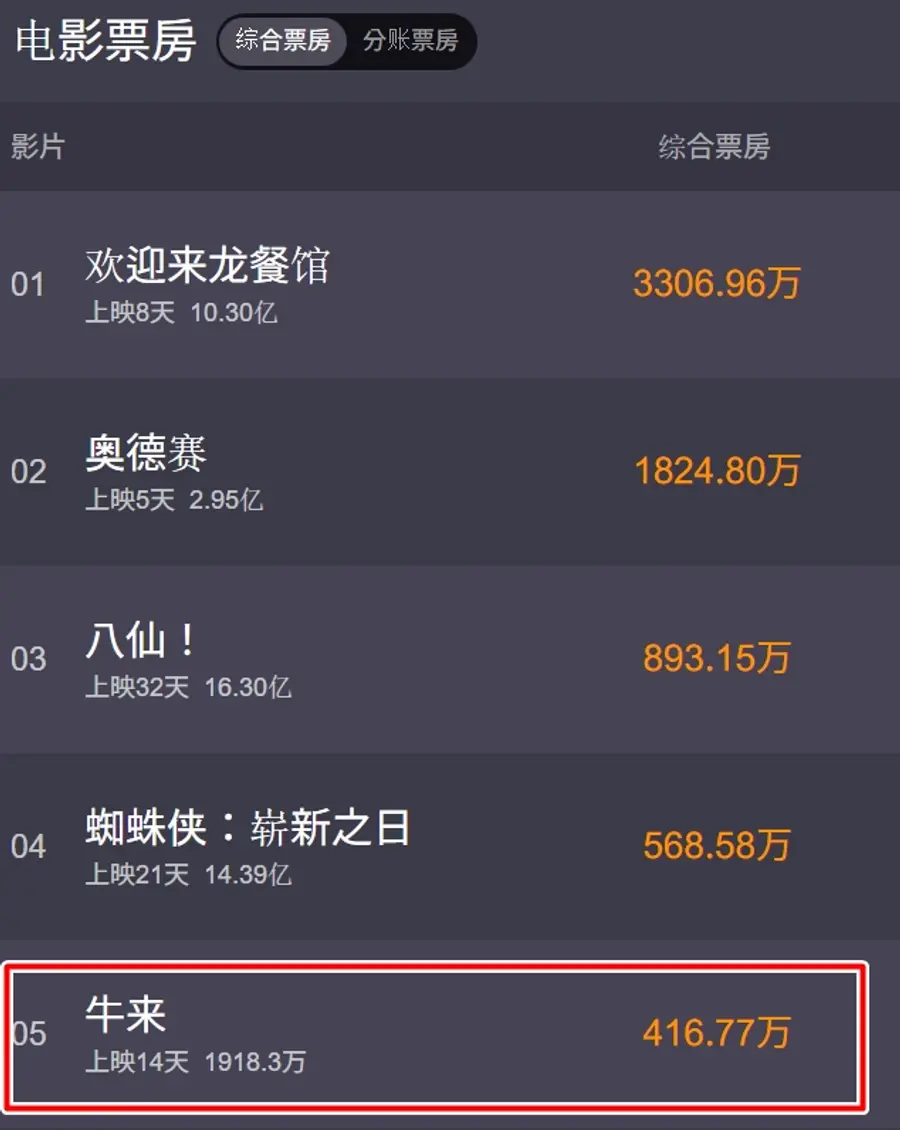
The slang term "bamti" has gone viral. From its origin to its usage, the bittersweet humor of bamti started when a user with the nickname Bamti in a social game customized their character in an unusually eccentric way. Put kindly, it means distinctive but not harmonious; put bluntly, it means so unattractive it is memorable. That bamti trend is now spreading across China. The subject of the craze is Niu Lai (牛来). Released locally on August 5, Niu Lai is exactly bamti — it’s trendy for being awkward — and it even became a box-office success. The question is how a film that looks this rough became a hit.
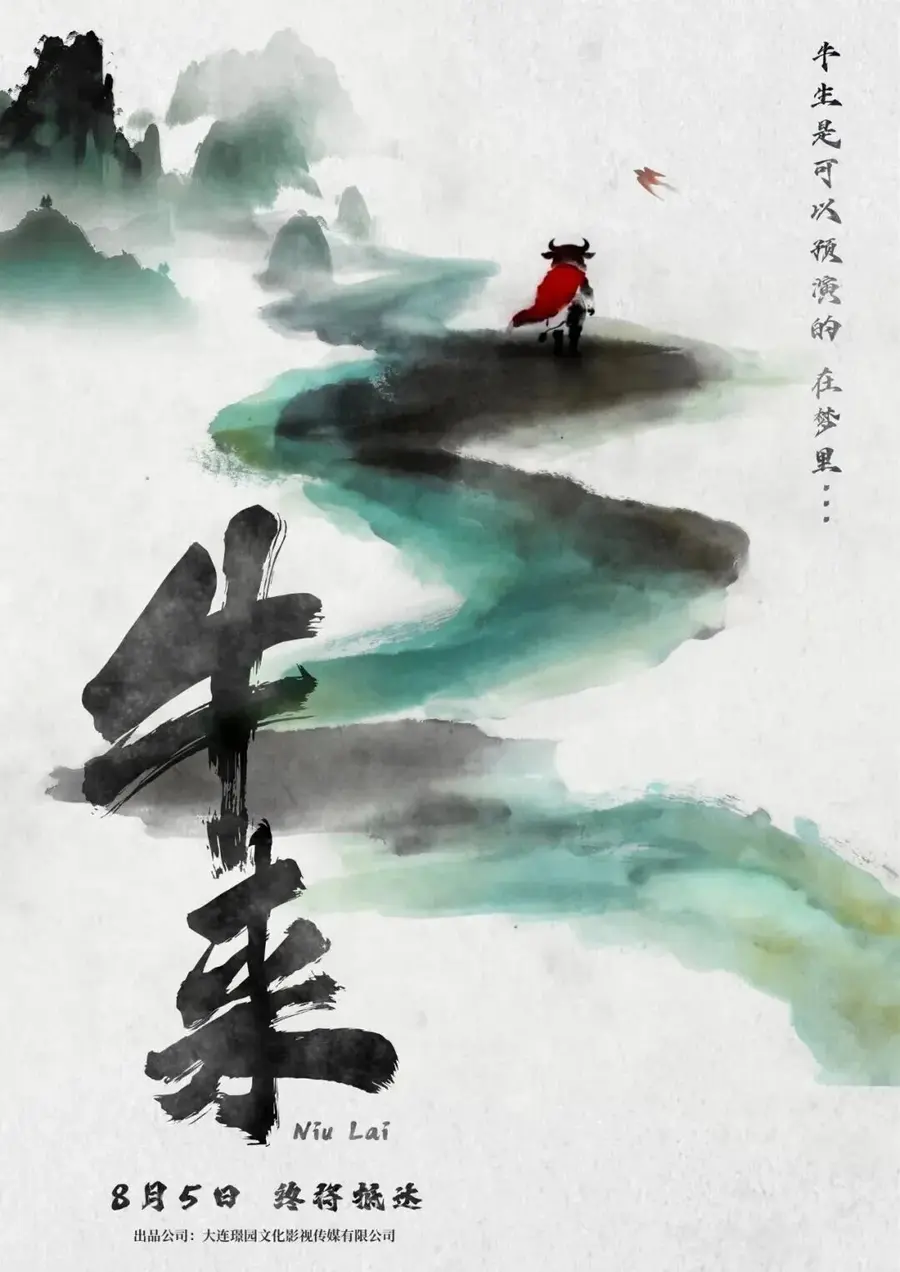
The poster for Niu Lai (牛来) uses ink-wash-style artwork that promises artisan craftsmanship. The production anecdote — that it was completed by two people over five years — also suggests a great deal of cinematic dedication. Yet a look at the trailer or even a single still prompts the immediate question: "This was released in theaters?" The reason is the quality. Even compared with Toy Story, which in 1995 carried the title of the world's first 3D feature animation, this film can't hold a candle. It feels less like a current theatrical release than a test clip from the dawn of CG.
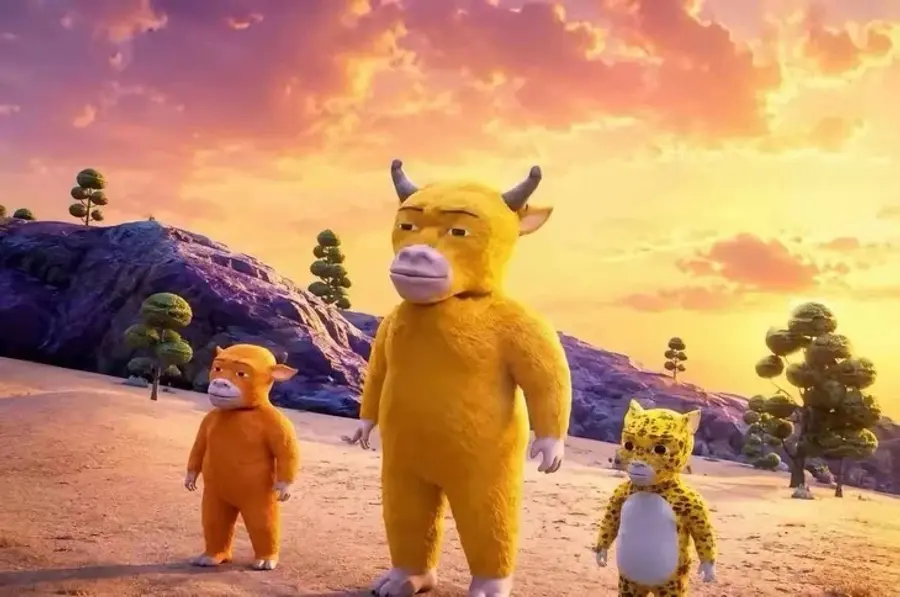
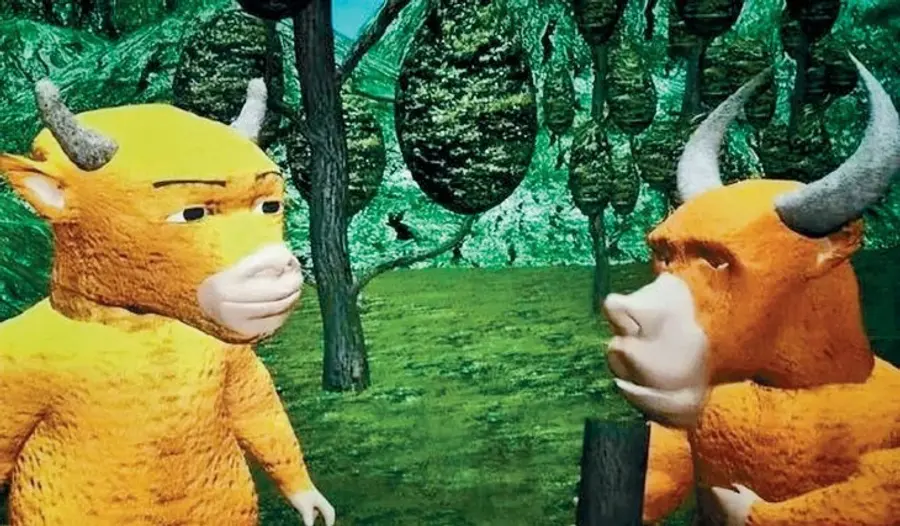
Ironically, that unattractiveness was so striking it shook Chinese social media. Because Niu Lai was released with only a poster as its promotional material, the film's reality was revealed by clips surreptitiously shot in theaters. The protagonist resembles a calf; his yellowish skin tone and unexpectedly earnest expression piqued viewers' curiosity. Niu Lai tells the story of timid Niu Lai befriending a leopard and standing up to wolves, becoming a brave ox. It looks like a very formulaic animation, but with no promotion or marketing, people had no way to learn what the film was like except by seeing it for themselves.
After becoming a topic of conversation on social media, Niu Lai opened to sparse theaters and seemed destined to close quickly, but it then mounted a "reverse run," increasing its number of screenings and staging a comeback. In ten days it earned 10 million yuan (about 2 billion won). Its unexpected run also prompted media coverage of the people behind it.
As noted, Niu Lai was made by two people. Director, producer and voice actor Xin Yumeng (信雨萌) and screenwriter and voice actor Sun Lifang (孙丽芳) are a mother-and-son team, with Xin the son and Sun the mother. Xin originally studied landscape architecture and ran a related business, but in 2021 he shifted the company’s line of work to media production and began making animation. His mother, Sun, actively helped in production (she even sang the film’s ending song). The project’s origin is unusual: 2021 was the Year of the Ox and Xin’s father was born in the Year of the Ox, so Xin conceived a story about an ox hoping for luck.
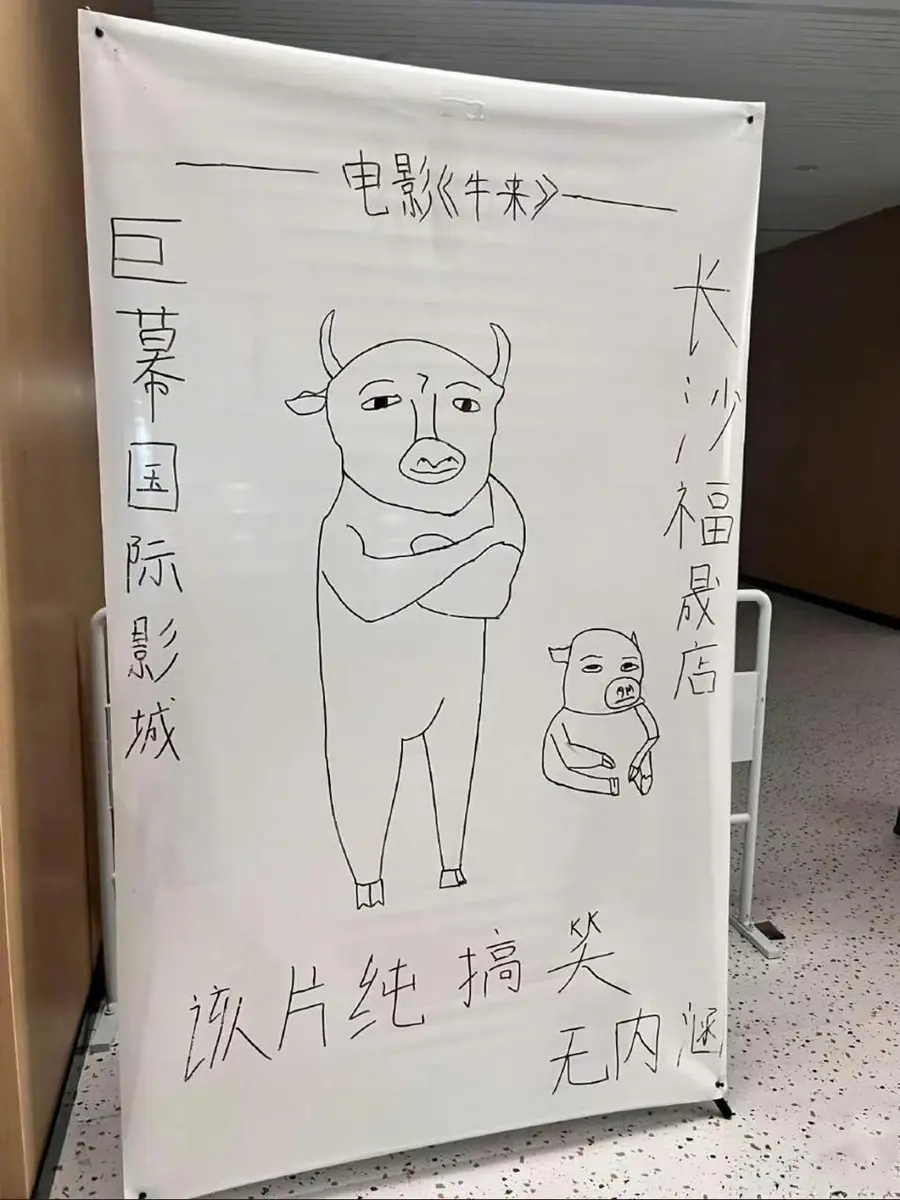
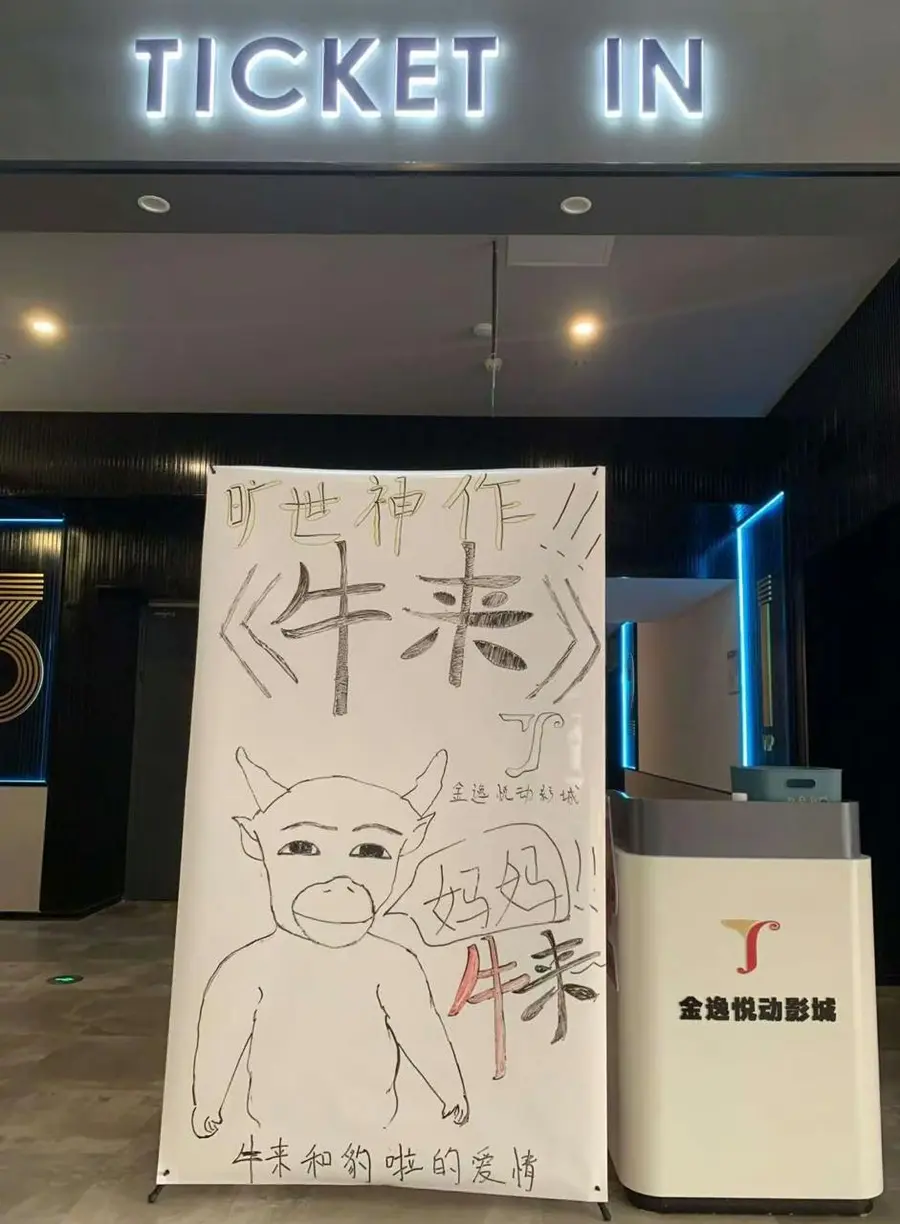
So how did a five-year, two-person production end up in theaters? It reportedly leveraged a personal connection in the distribution business. The distributor advised that it would be better not to release the film, but Xin was determined and pushed ahead with a theatrical release. They made little effort on promotion, but the contrast between the refined poster and the film’s messy execution ended up serving as accidental marketing that helped it succeed at the box office. Xin said the film’s completion was "99.9% luck," and added that they are still producing new work within a family production system. He said this next project, too, will be made at home without outside capital.
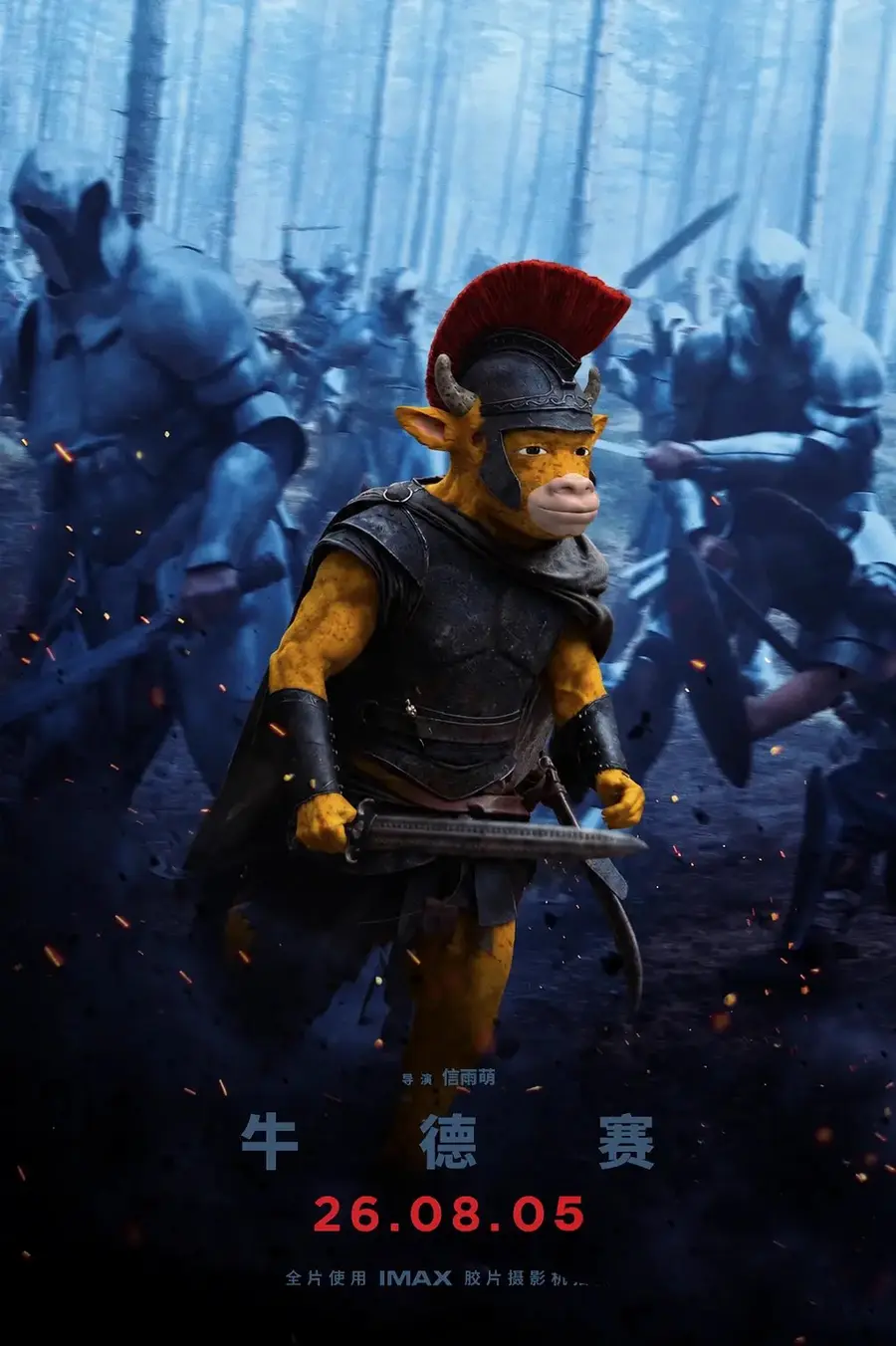
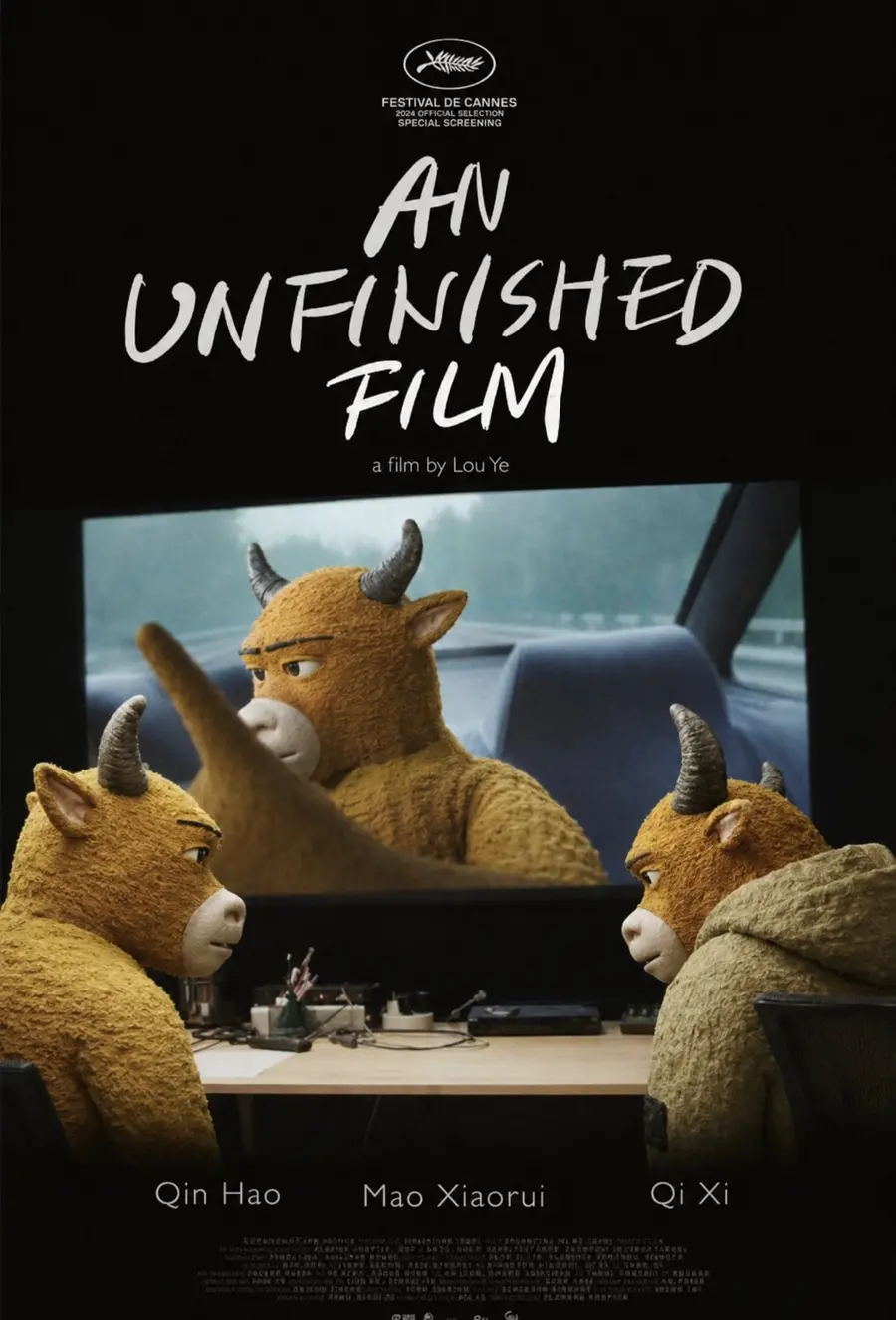
Like any overnight success, Niu Lai’s sudden popularity has prompted various suspicions. Some suggest Xin changed the company’s business to media production and made the animation to qualify for government animation-production subsidies after his other businesses faltered. The city where the mother-and-son team live, Dalian, has a strong semiconductor sector while traditional industries have been declining. China provides animation-production subsidies worth up to about 200 million won; the production company has not clearly said whether it received such support. China also requires prior review and approval for theatrical releases, a process that can be arduous, which has fueled suspicion about how the film cleared distribution. Critics went further, arguing that allowing a film of this quality into theaters damages the credibility of exhibitors and distributors, who are expected to act as gatekeepers.
Still, the success of Niu Lai is a clear example of how 21st-century theatrical culture can take new forms. While many works derided as memes fail, few convert that mockery into a massive hit. Although Niu Lai became known for its poor quality, it also revealed a new facet of cinema culture: the pleasure of experiencing the same thing together in a single space. Maybe one day Netflix will buy it and spread the charm of bamti to the rest of the world.



![[Fact Check] Fake Controversy Amid an “Odyssey” Craze…The Truth About the Only IMAX Venue With a 1.43 Aspect Ratio](https://cdn.www.cineplay.co.kr/w160/q75/article-images/2026-08-18/ffe6067c-6128-4979-b3d3-9dd264e495ca.jpg)




댓글 (0)
댓글 작성
댓글을 작성하려면 로그인이 필요합니다.
로그인하기