



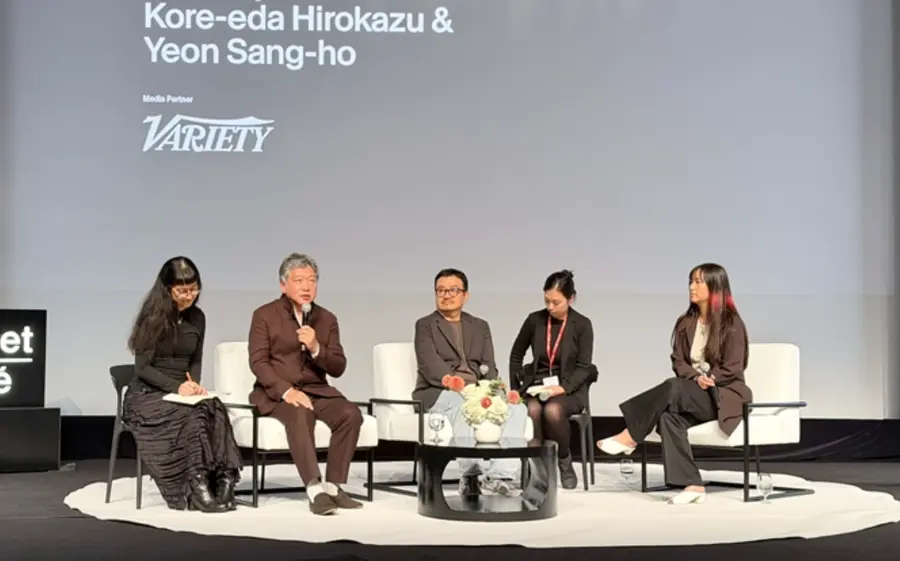
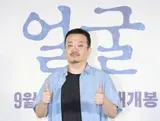
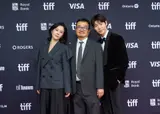
The conversation brought together two of the leading directors of South Korea and Japan, Yeon Sang-ho and Kore-eda Hirokazu, whose distinctive worldviews and compelling storytelling have captivated audiences worldwide. The meeting drew the attention of filmmakers around the globe even before it took place. Following their encounter at the Cannes Film Festival this spring, the two continued their connection at the Toronto International Film Festival in the fall, engaging in an in-depth discussion about their bodies of work and creative processes.
Early in the conversation, Yeon Sang-ho opened by candidly telling Kore-eda, “I’m a huge fan of your work. I drew the character Cheol-i in my first animated film, 〈The King of Pigs〉, after seeing Akira in 〈Nobody Knows〉. Even while filming 〈Train to Busan〉, actor Gong Yoo and I talked most often about 〈Like Father, Like Son〉.”
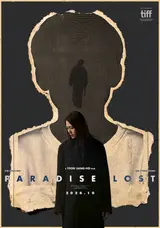
Speaking about his new film, 〈Paradise Lost〉, he revealed its backstory: “The original premise came from three pages my retired mother wrote in a practice notebook. I began the project to understand my mother through those three pages, and eventually created the screenplay by distilling the story down to its essence.”
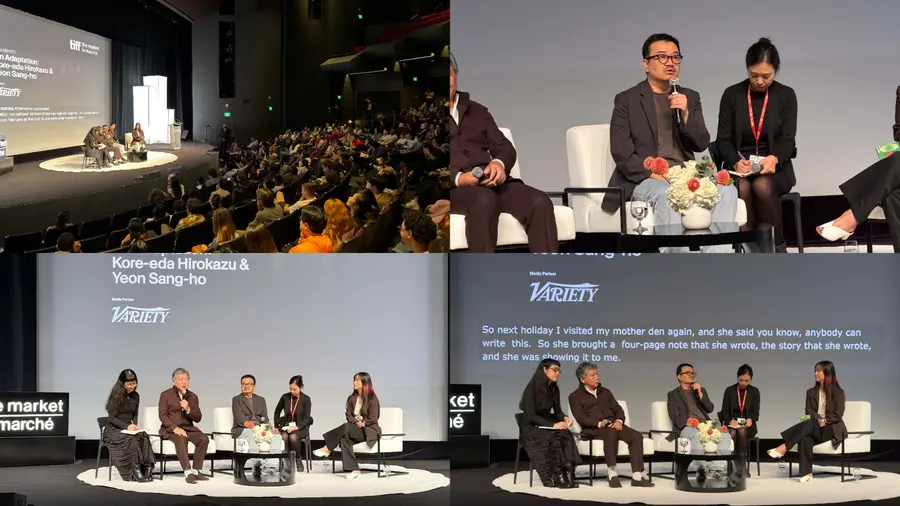
Kore-eda Hirokazu praised the premise of 〈Paradise Lost〉: “The idea of losing a child and having that child, whom you believed was dead, return in a form different from what you imagined is frightening from a parent’s perspective, but it is deeply compelling as a story.” He added, “At the center of this story, which contains frightening elements, are the clear questions, ‘What does it mean to be human?’ and ‘What does it mean to be a mother?’”
Yeon, a former 2D independent animator, and Kore-eda, who used the classic rotoscoping technique in his recent adaptation 〈Look Back〉, found common ground through their shared interest in animation as a medium and in directing. Kore-eda described how he created the film’s rhythm through changes and evolution in the sound of a pen while adapting 〈Look Back〉. Yeon said he was deeply impressed by Kore-eda’s approach of capturing the spontaneity of natural elements during filming and incorporating it into his work. Yeon said, “Like ‘matière,’ the texture of paint that I considered important when I majored in Western painting, I realized that a film can preserve chance beyond the planned frame. Over the next 10 years, I want to take on new challenges in this way.” He opened up about a shift in his directing philosophy.
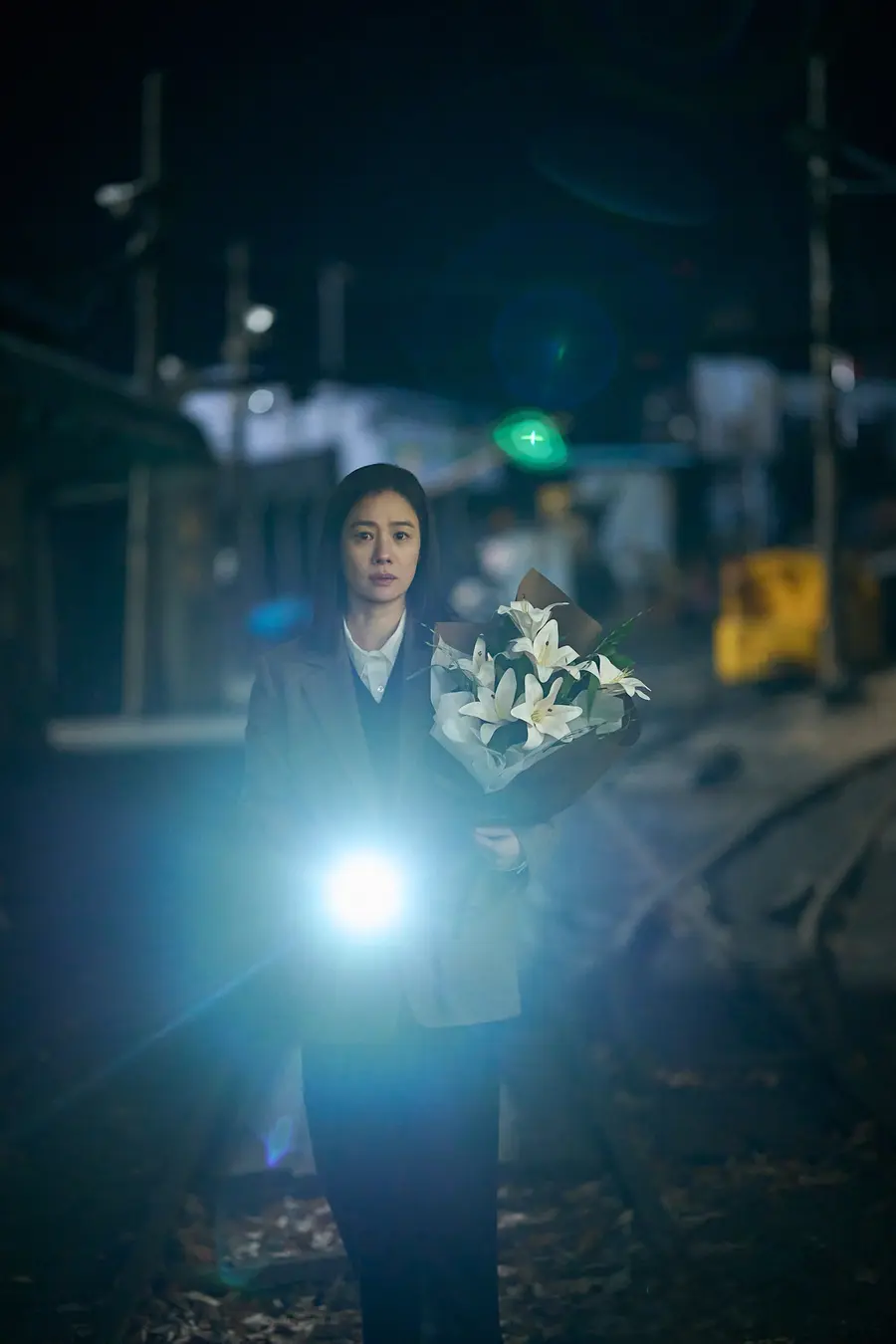
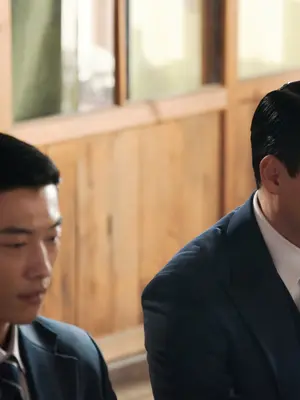
Yeon then cited the motif of John Milton’s 〈Paradise Lost〉 and a line by novelist Hirano Keiichiro, saying, “Everyone carries a dark side within. Just as the first humans were expelled from paradise and entered an imperfect world, finally taking on an identity as human beings, I hope this tragedy of looking into the darkness within the human heart will offer audiences comfort precisely because it is so human.” Kore-eda expressed deep agreement. He said, “Hearing about the darkness within human beings completely changed the way I viewed the film’s final scene.” He also discussed Yeon’s earlier film 〈The Face〉, saying, “The perspective of trying to capture a character’s inner life through cinema was thrilling and fascinating: It excavated the sins of a father whom the character had revered, while those sins appeared to overlap doubly with the son’s role.”
The directors’ candid conversation covered the adaptation of an original work for film, directorial experiments spanning animation and live action, cinematic rhythm captured through the texture of pen sounds and ‘matière,’ and reflections on human nature as seen by two masters from South Korea and Japan. It received enthusiastic applause from the global audience and film industry professionals in attendance.
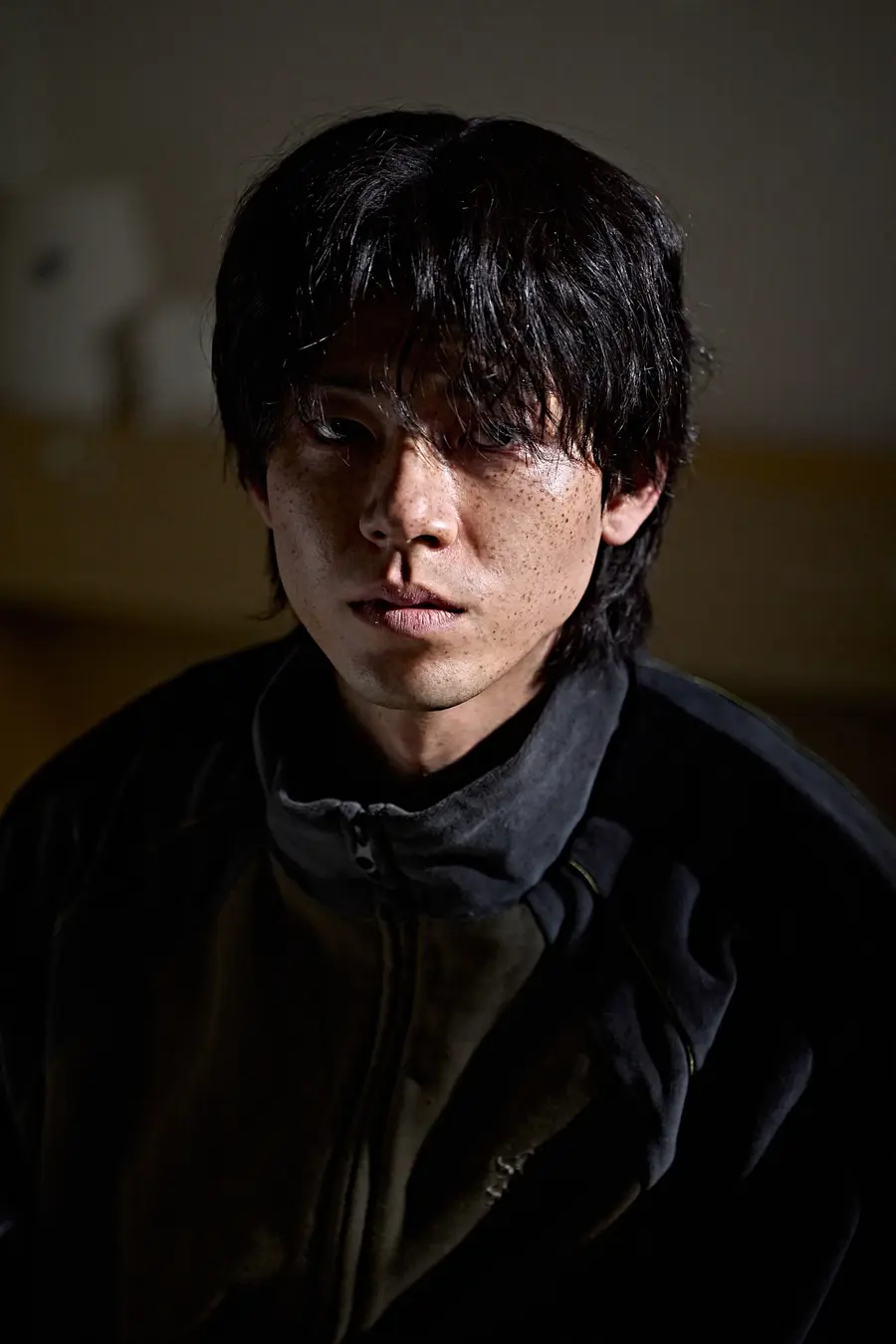
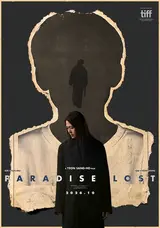
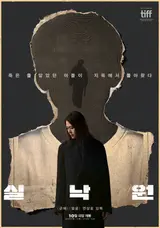
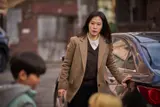
Yeon’s mystery thriller 〈Paradise Lost〉, which is continuing its global run after a successful Toronto world premiere and a conversation at ‘TIFF Summit: Dialogues,’ will meet audiences in theaters on Oct. 21.

댓글 (0)
댓글 작성
댓글을 작성하려면 로그인이 필요합니다.
로그인하기