



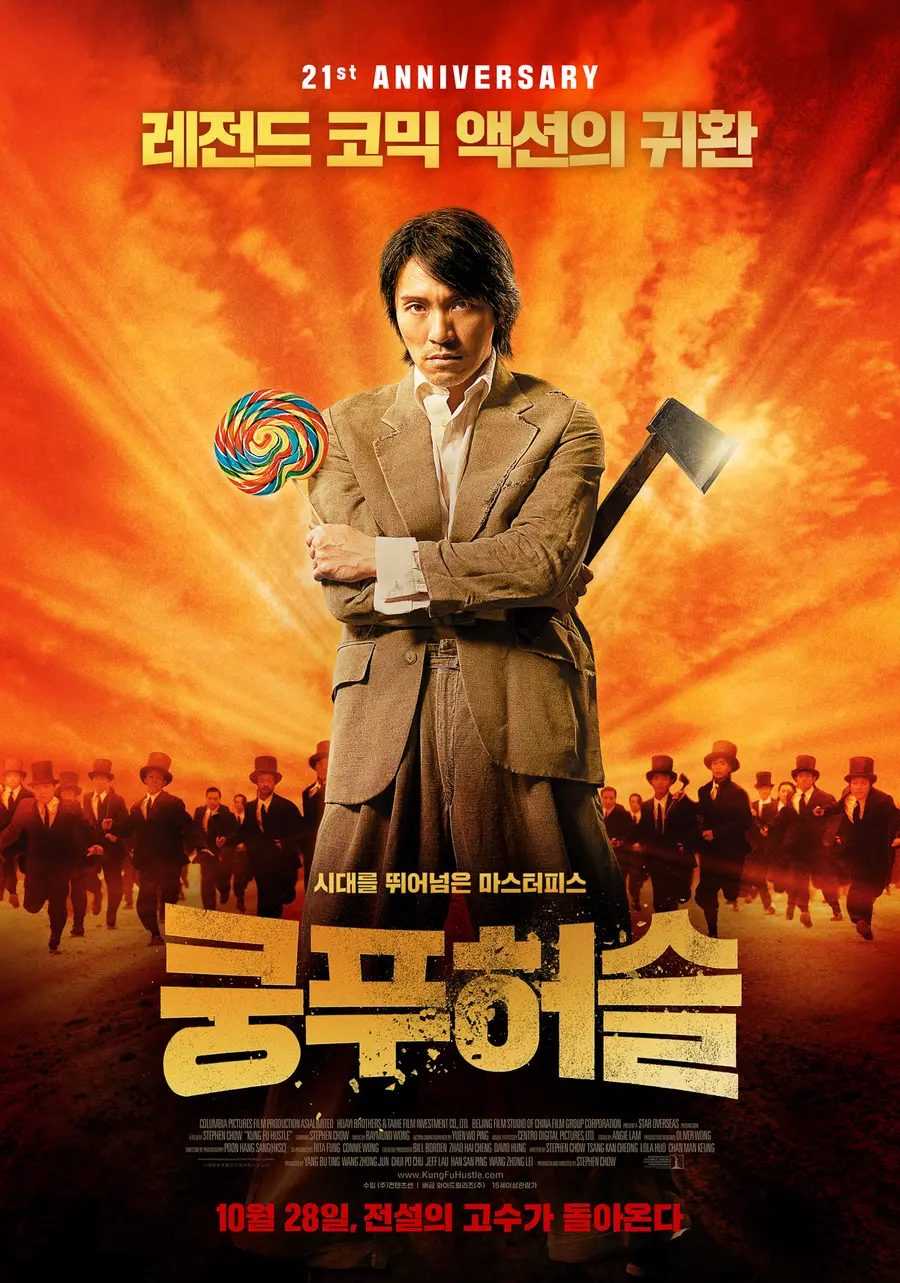
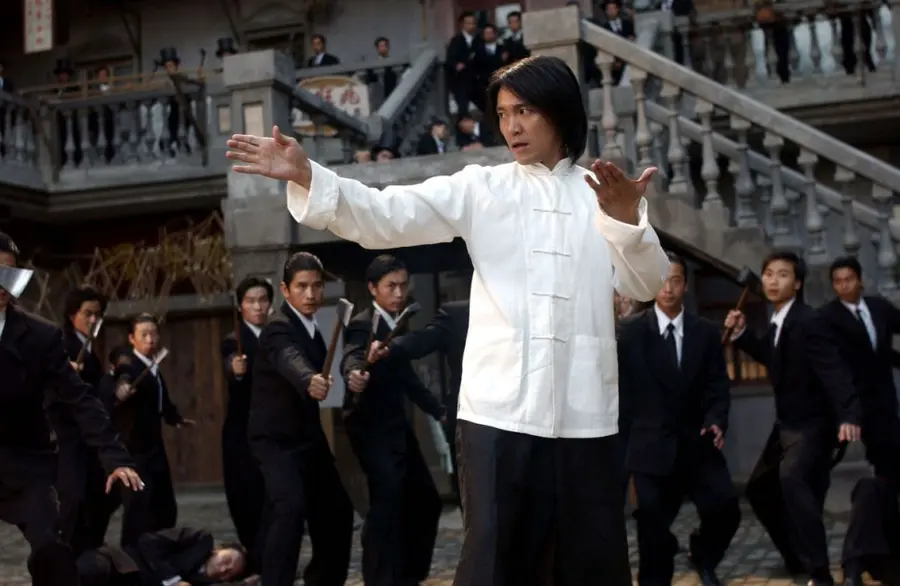
〈Kung Fu Hustle〉 is the dream world Stephen Chow brought to life as a director, a work shaped by his abiding love for Bruce Lee and the traditions of Hong Kong martial arts cinema. It could be called Chow’s reinterpretation of the entire history of Hong Kong cinema. It is also a film that lets us glimpse Chow at his most earnest. His signature absurdist humor, compassion for society’s outcasts and uncompromising vision as a director come together in one of his greatest films.
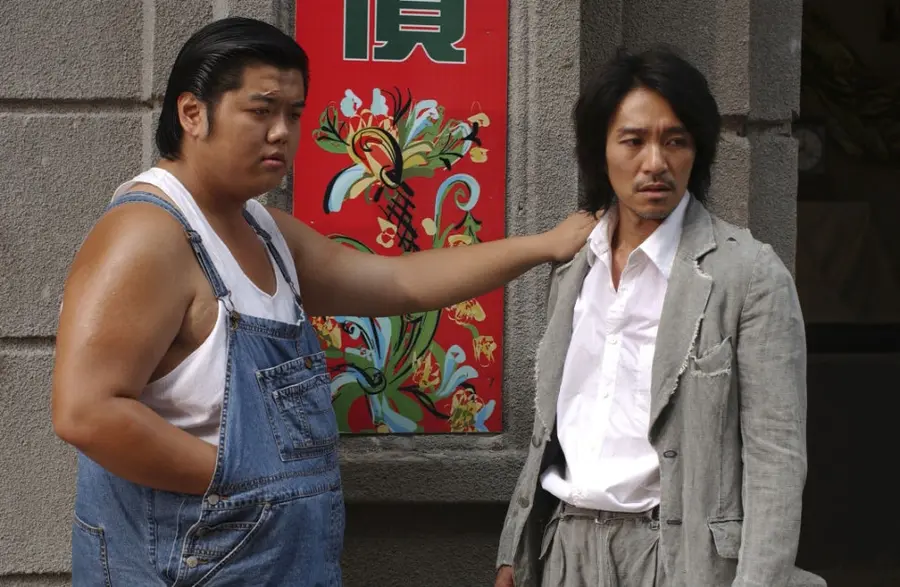
Stephen Chow takes us to 1940s Shanghai, a city in chaos
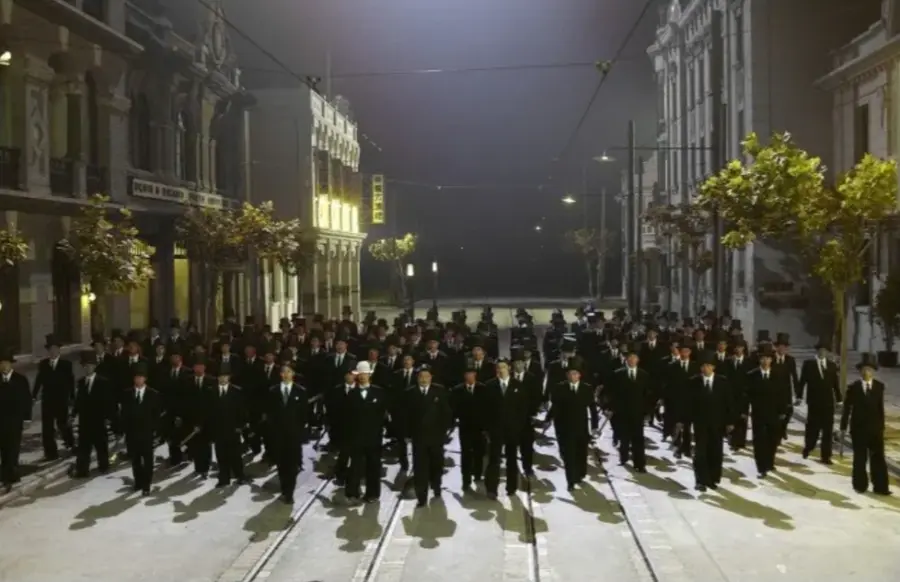
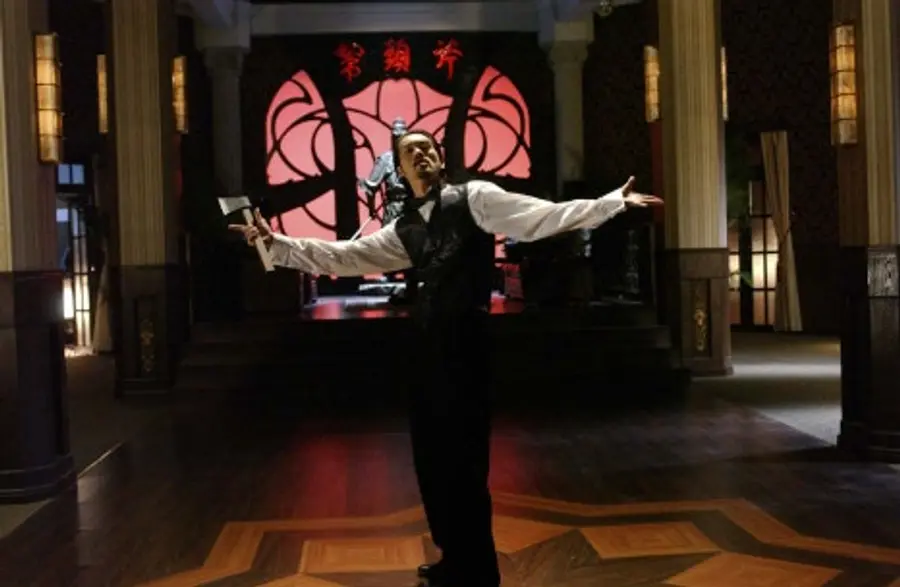
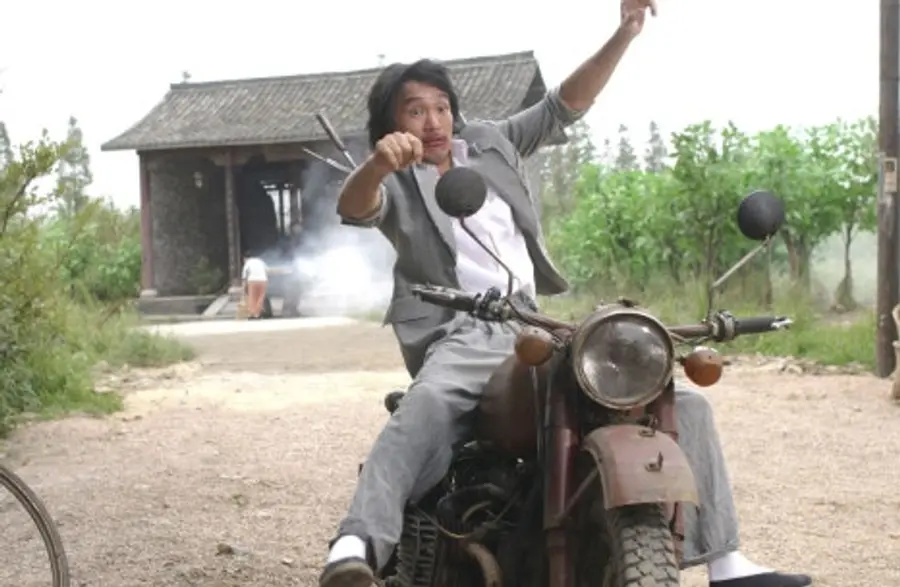
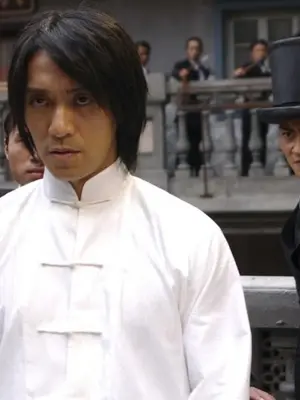
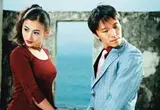
Shanghai, China, in the 1940s. As the brutal Axe Gang tightens its grip on the underworld, timid small-time gangster Sing (Stephen Chow) winds up in Pig-Dragon Walled City, a peaceful community where poor residents live side by side. Hoping to impress the gang and join its ranks, he tries to bluff the residents into submission. But they’re no pushovers: everyone from the children to the elderly has extraordinary strength. Sing’s actions set off an all-out battle between the Axe Gang and the residents of Pig-Dragon Walled City. The city’s owners, the Landlord (Yuen Wah) and the Landlady (Yuen Qiu), along with the steamed-bun shop owner (Dong Zhihua), the tailor (Chiu Chi-ling) and the coolie (Xing Yu), are among the martial arts masters who have been hiding in the city, far from the complications of the martial world. They begin to reveal who they really are. Shocked by the unexpected appearance of these masters, the Axe Gang hatches a plot to conquer Pig-Dragon Walled City. It brings the Beast (Bruce Leung), a legendary master who left the martial world after apparently losing his mind, out of a psychiatric hospital. In the course of events, Sing is reunited with the woman he once loved (Huang Shengyi).
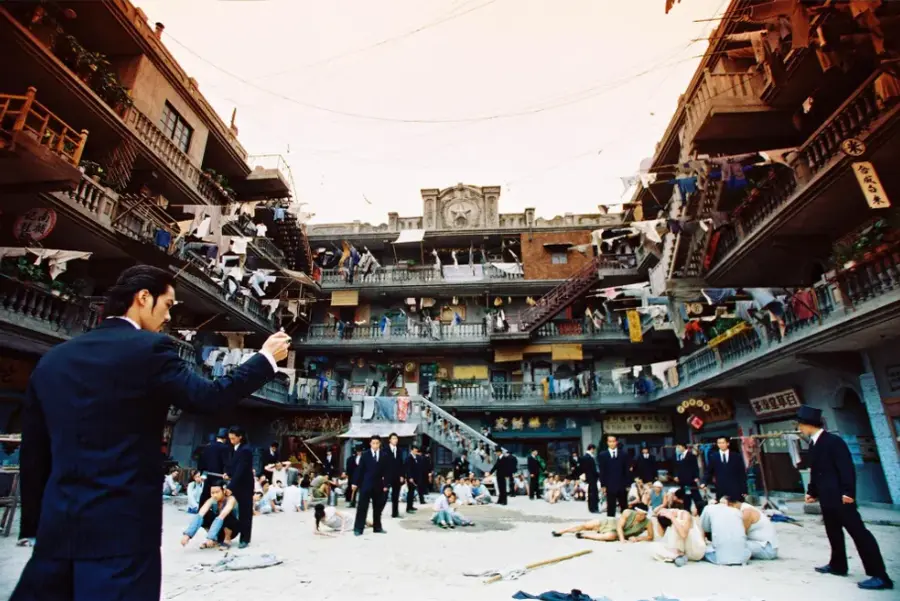
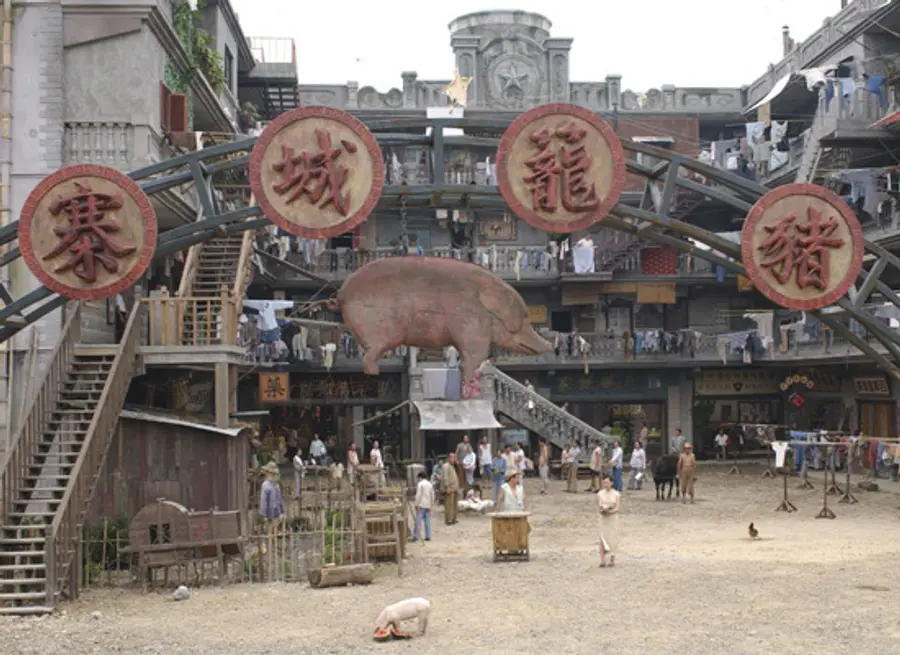
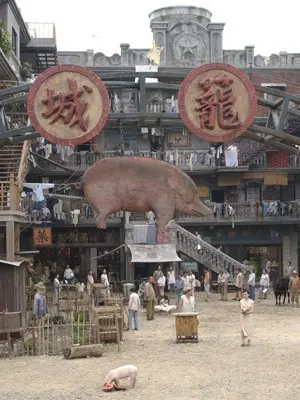
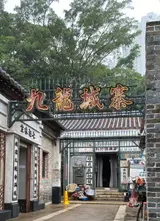
First, it’s worth noting that it took a full 20 years for 〈Kung Fu Hustle〉 to restore its homage to Kowloon Walled City. Here’s what I mean: in this year’s 2026 re-release, nearly 20 years after the original, one translation stands out as a significant change. 〈Kung Fu Hustle〉 is about the ruthless Axe Gang trying to take over Pigsty, a neighborhood where ordinary people work hard to get by, and the hidden masters who step up to defend their community. The huge tenement complex, called Pigsty when the film first opened, has reclaimed its original name, “Pig-Dragon Walled City,” for the re-release. Hong Kong audiences likely would have recognized Kowloon Walled City at once—not from the name, but from the densely packed homes, laundry hanging from poles outside every unit and long lines at communal water taps. Chow evokes nostalgia for an old Hong Kong that is disappearing: he took the first character of Kowloon Walled City (九龍城砦) and replaced it with the character for “pig” (豬), introducing Pig-Dragon Walled City (豬龍城砦).
Kowloon Walled City, a vanished Hong Kong landmark, has been drawing renewed attention. It’s also well known that the cityscape in the 1995 animated film 〈Ghost in the Shell〉 was inspired by Kowloon Walled City. Demolition began in 1993, and the site is now Kowloon Walled City Park. Once a bleak, illegally occupied district where not a ray of sunlight reached the ground, its history stretches back to the Qing dynasty. Even after Hong Kong became a British colony, the city remained under Chinese rule. Eventually, packed with outsiders and triads, it became a lawless enclave beyond the control of either Britain or China. Buildings kept piling up and spreading until the city took on the form seen in Greg Girard’s photo book 「City of Darkness: Revisited」. After hearing that Kowloon Walled City was to be demolished, Girard went inside to document how its residents lived. Among the films shot there after news of the demolition broke was Wong Kar-wai’s 〈As Tears Go By〉 (1990). The final scene, in which Tony Leung prepares to go out without saying a word, was filmed in Kowloon Walled City.
From “Pigsty” to “Pig-Dragon Walled City”:
Stephen Chow’s heartfelt tribute to Hong Kong
When Stephen Chow’s character first arrives at the entrance to Pig-Dragon Walled City in 〈Kung Fu Hustle〉, a sign reading “豬龍城砦” appears. The name was translated as “Pigsty” in the past, but with growing interest in Kowloon Walled City, the re-release may have been able to use its original name. The masters of Chinese martial arts who have been hiding their identities in 〈Kung Fu Hustle〉—and, by extension, Chow, who transforms into an avatar of Bruce Lee, an enduring icon of Hong Kong popular culture—rise up to defend Pig-Dragon Walled City. Their desire to protect Pig-Dragon Walled City—or, rather, Kowloon Walled City—is like the feeling of looking at Hong Kong, destined to disappear one day. Among Hong Kong directors who share that feeling is Soi Cheang, who made 〈Twilight of the Warriors: Walled In〉 (2024). The epilogue of 〈Twilight of the Warriors: Walled In〉 shows people kneading dough for noodles, making egg tarts and boiling pork each morning. When the work is done, they gather around the TV and spend time together. “I wanted to capture my enduring love for Hong Kong,” Cheang said. Kowloon Walled City is gone, and yet it has not disappeared.
If mainland China’s Shanghai is the main setting of 〈Kung Fu Hustle〉, Pig-Dragon Walled City represents another side of Hong Kong. In the 1940s, Shanghai was the scene of an intense struggle among world powers seeking to carve up mainland China. Japan had occupied nearly every Chinese city and was watching for an opportunity to seize Shanghai, its last target. With half the world at war, Shanghai became a microcosm of the rivalries among those powers and a major base of operations for resistance forces opposed to colonial rule. Meanwhile, amid the turmoil, merchants and underworld figures looking to make money joined forces with the military, and a nighttime economy of prostitution, gambling and opium flourished. Unsurprisingly, many films have used this turbulent era as their backdrop. These include 〈Blood Brothers〉 (2007), directed by Alexi Tan and reimagining the Shanghai setting of John Woo’s 〈Bullet in the Head〉 (1990); Ang Lee’s 〈Lust, Caution〉 (2007); and Mikael Håfström’s 〈Shanghai〉 (2010), starring John Cusack, Gong Li and Chow Yun-fat.
Wai Ka-fai’s 〈Peace Hotel〉 (1995), set in 1920s Shanghai, also comes to mind. The legendary killer Ah Ping (Chow Yun-fat) leaves his glamorous past behind and builds a city of his own, known as the Peace Hotel. It is governed by an absolute, unwritten rule: “All fugitives are protected and provided with room and board. But no one may leave.” Then a mysterious nightclub singer arrives seeking refuge, and bloodshed begins. Films about this period were invariably populated by resistance fighters, revolutionaries and spies. But in 〈Kung Fu Hustle〉, the political backdrop remains largely out of view, apart from the fictional criminal organization known as the Axe Gang. The story is confined entirely to Pigsty, with little connection to the historical setting. Chow seems to have felt that establishing the setting of “chaotic Shanghai” was enough. Seen as a stand-in for Shanghai—or Hong Kong—Pigsty can instead be read as a distinctly Chow-style martial arts fantasy about defending one’s longtime home with the power of Chinese kung fu.
※ The second part of this two-part series on the 20-year-later re-release of 〈Kung Fu Hustle〉 continues in the next article.

댓글 (0)
댓글 작성
댓글을 작성하려면 로그인이 필요합니다.
로그인하기