



![Animated film 'Toy Story 5'\n[Provided by Walt Disney Company Korea]](https://cdn.www.cineplay.co.kr/w900/q75/article-images/2026-05-06/f6aa06b6-d95a-4734-a1e5-18fa8b54dd34.jpg)
The toy gang is back. Opening June 17, 〈Toy Story 5〉 brings Jessie, Buzz and the gang back as Bonnie's new smart device upends their world. The piece asks, "What story will 〈Toy Story 5〉 tell audiences?" Let’s take an early look at what co-director McKenna Harris said in a video press conference. Harris, who co-directed the film with Andrew Stanton, discussed how the film tackles children’s relationship with screens while keeping play at the heart of the story. Seven years after 〈Toy Story 4〉 in 2019, the series returns with Pixar Animation Studios reassembling many of its original members. That includes Tom Hanks, Tim Allen and Joan Cusack, and Andrew Stanton, who contributed to the story development of every previous installment.

The 〈Toy Story〉 series has reflected new sensibilities as each era changed. What is the biggest difference between this installment and the previous films?
The biggest advance in 〈Toy Story 5〉 is that it directly addresses how today’s children live and the realities they face. They spend far more time with devices and screens like iPads than with toys the way kids did in the past. Bonnie, the protagonist, has her joyful playtime with toys ripped away when she is introduced to Lily Pad. That kind of change poses a greater challenge than any difficulty our toys have previously encountered. It’s something that worries Jessie, who can be thought of as this film’s lead. We also explore the child protagonist’s imagination in a completely different way. (In films 1–3) Andy’s style of play and imagination were treated in a fun way, but this time we show imagination in an entirely new fashion.
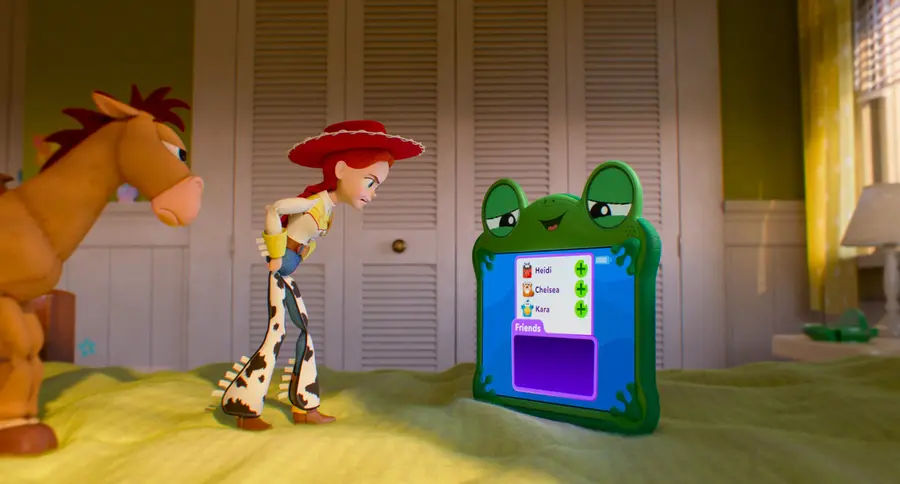
Lily Pad is a central character in this film. How has the reality of children spending more time with digital devices and screens influenced the story’s structure?
That is the most interesting part. The crew who worked on the film spans a wide range of generations. Andrew Stanton is 30 years older than me. Some members of the story crew are younger than I am. Despite that generational mix, everyone on the team shared nostalgia for the toys and play they enjoyed as children. That allowed us to deeply explore, across the lives of those involved, how children, over time, turn away from toys and toward screens. Many of the people on the film are parents, so we heard a lot of real stories about struggles with smart devices. From the beginning we were careful never to approach this as a binary—"toys are good, smart devices are bad." Representing that nuance in detailed, sensitive ways was a major challenge. Lily Pad also wants what is best for Bonnie. As we shaped that side of the story, we focused on creating a balanced perspective on traditional toys.
Why do you think a story about toys still resonates with audiences around the world in an age of AI and digital devices?
No matter how much the era changes, I believe play is an instinct all humans share. Curiosity and imagination from our childhood are, I think, innate. I also believe people have a fundamental desire to connect with others. That word—"connection"—is a key theme of 〈Toy Story 5〉. People, and children in particular, will always want to use their imagination to create playtime, regardless of the object involved.
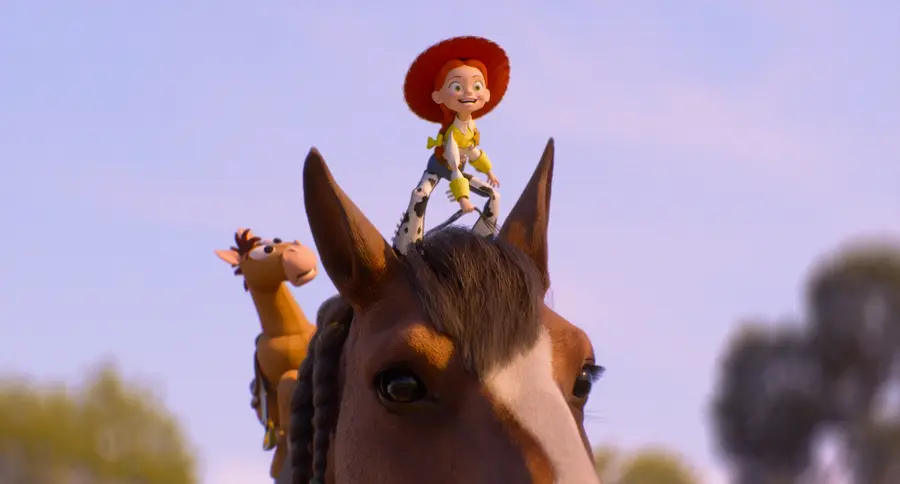
Why did you make Jessie a central character in 〈Toy Story 5〉, and what aspects of Jessie do you hope audiences focus on?
Andrew Stanton strongly insisted that Jessie should become Bonnie’s toy leader. In the fourth film he also insisted that Jessie needed to accept the role of sheriff among that child’s toys. When Stanton began writing for the fifth film, he approached it wanting to see how Jessie, now wearing that sheriff badge, would lead Bonnie’s room. We’ve long watched how Woody leads Andy’s room; we wanted to try a different take. Stanton and I believed that centering Jessie would bring a wholly new feeling and energy. What I’d like audiences to pay attention to is how Jessie leads Bonnie’s room in a way that is different from how Woody led Andy’s. Woody often guided Andy through many difficulties in his own way; I hope viewers watch how Jessie fills that role in Bonnie’s room. Jessie will be a perfect toy leader in relation to the struggles Bonnie faces as she grows into a young girl—a caregiver, a friend and a dependable presence.
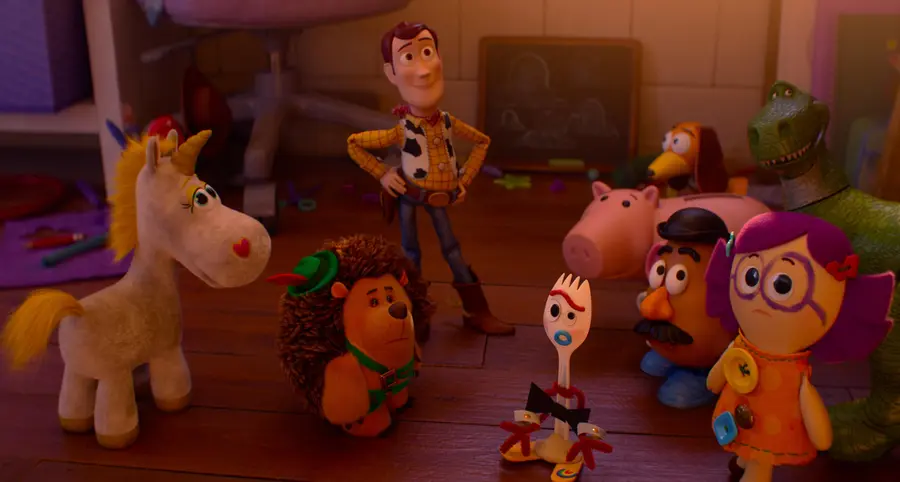
What might Korean audiences in particular find relatable or especially entertaining?
〈Toy Story 5〉 has many facets and handles a wide range of tones, so viewers may find different points to connect with. If I think about what Korean audiences might especially relate to, it’s Bonnie’s yearning for connection, empathy and friendship. Her peers shape how she thinks about friendship and relationships. She uses the devices others use, mirrors the technology her friends use and even adapts the language her peers use in an effort to fit in. Despite all that, she faces the reality that she cannot make the genuine, heartfelt connections she wants, and that becomes a struggle for Bonnie and Jessie. Because Jessie values friendship and connection but believes one should not lose authenticity to achieve it, that balance is central. I hope Korean audiences recognize and relate to that tension, and above all I hope they have fun watching it.








댓글 (0)
댓글 작성
댓글을 작성하려면 로그인이 필요합니다.
로그인하기