


※The interview with 〈Intern〉 actor Choi Min-sik continues from Part 1.
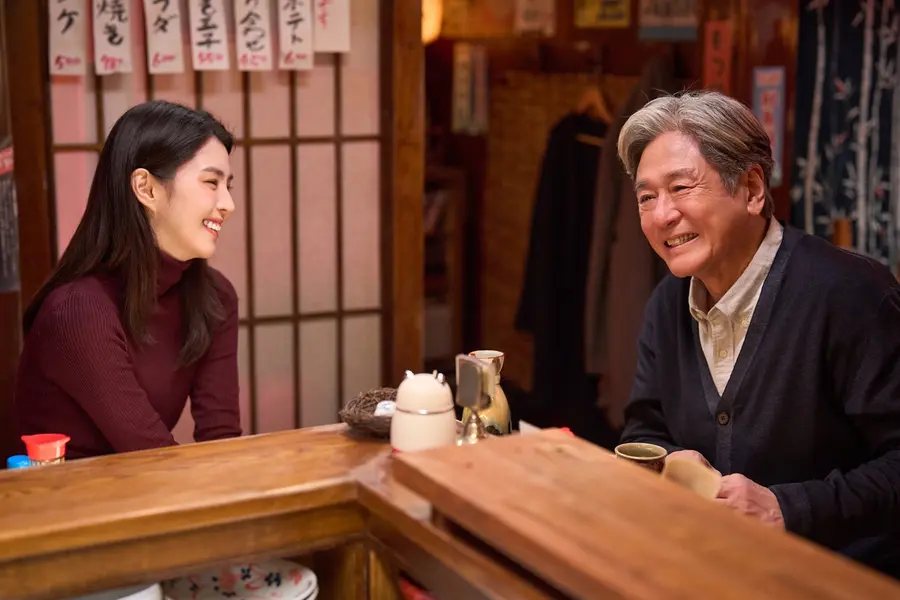
In the film's second half, Gi-ho’s shout of “Snap out of it!” at a shaken Seon-woo felt like the highlight. How did you approach acting that scene?
You know the lines older people often use: “I say this as if you were my daughter,” or “I say this like you were my son”—it’s a familiar elder’s sentiment. In the original script the line “If I were the CEO's father, I think I would have said this” came first, followed by the admonition to “Snap out of it!” The night before filming I was reading the script in my hotel and thought that delivering such an important beat so plainly might not convince the audience. So on set I quietly proposed it only to director Kim Do-young, keeping it from Han So-hee: swap the order so “Snap out of it!” comes first, then “If you were my daughter, I think I would have said this.” Han So-hee was genuinely startled on the spot. Then she completely slipped into the character and broke down in tears. I’m very grateful to her for picking up the nuance I offered and channeling the emotion. Thanks to her, that scene came alive.
After the three-month internship ended, Gi-ho could have chosen to stay on at Ututu as a full-time employee. What do you think about the ending where he leaves instead of staying?
For Gi-ho, Ututu isn’t the final destination of his life. At that stage of life, he’s satisfied with briefly fitting in with younger people and making good memories. If he were going to launch some grand second act, then you’d need 〈Intern 2〉. I wanted to express the ease and grace of getting off like at a passing stop—lightly and with appreciation.
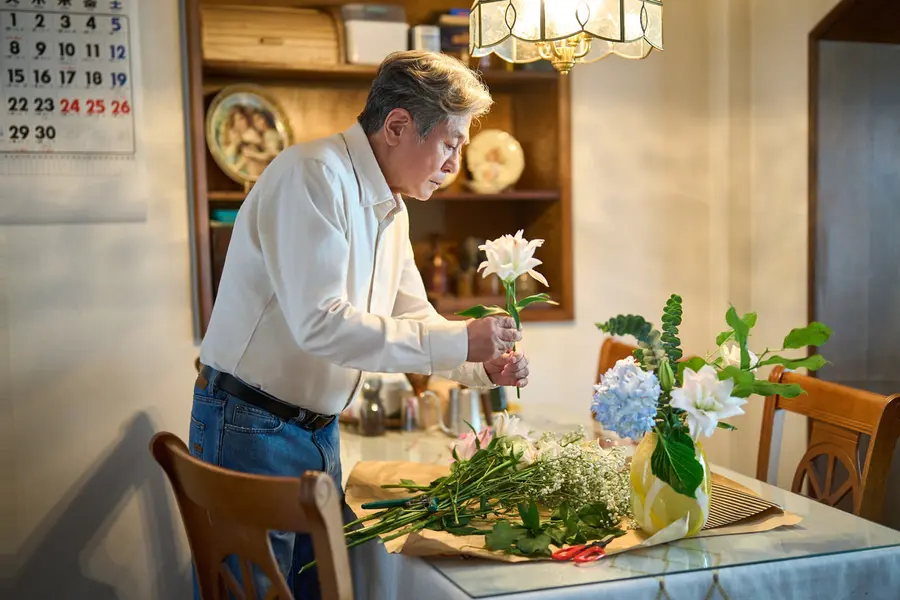
Like Gi-ho, you probably interact a lot with younger actors on set. As a senior, do you have a particular approach to reaching out to junior actors?
These days, in nine out of 10 projects the others are almost always much younger junior colleagues. When I work with younger actors, I have to be the one who reaches out first and helps everyone loosen up. Frankly, we’re not people who came just to have fun. So I’ll say unpleasant things when necessary. It’s not just camaraderie; it’s teamwork. Even if we argue, we should have heated discussions, clarify our differences, and remember that we’re all here to realize what the film aims to show—the director’s vision. Recognizing that is important. For 〈Intern〉, if I’m to put it grandly, I tried to be like water: just soak in and blend with them. Play together, learn their language, pick up MZ-generation slang. That also fits the character Gi-ho and serves as preparatory work. Even in hard-edged genre films you still need that rapport. You can’t produce feelings like “I want to beat them to death” unless you’ve built basic trust—sharing meals, asking “Have you eaten?” or “Shall we have a drink tonight?” That kind of getting-to-know-you process is crucial. I think I’ve been trained in this over the years. Given the age gap, if I were to stay silent, they’d feel awkward, so I go over, poke them in the ribs as a joke, and do things like that.
You said you joke around a lot on set. How do the younger actors usually react when you make a joke?
For the most part they find it corny. They go, “What is this?” (laughs)
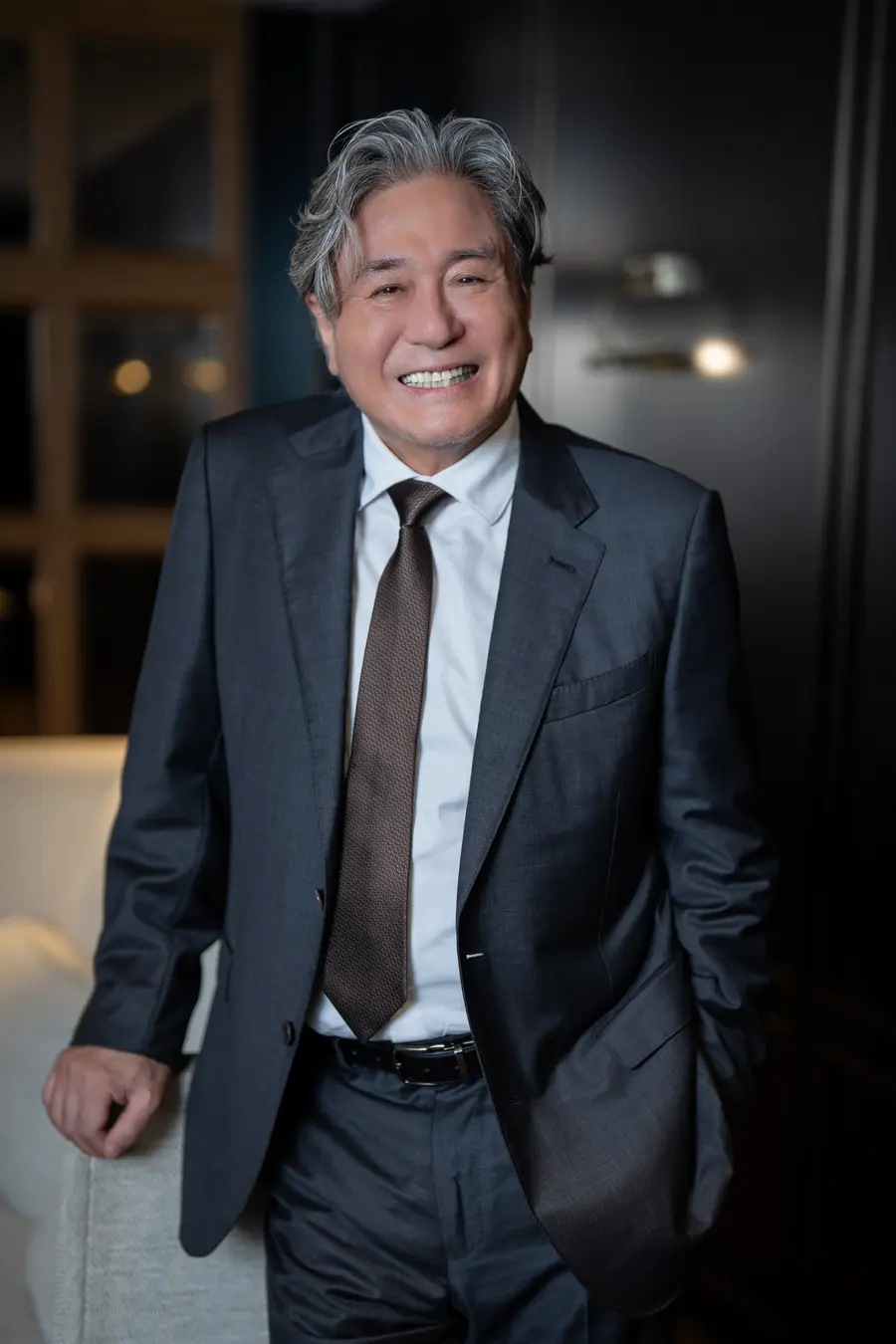
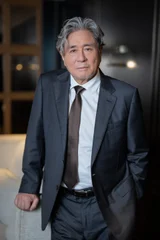
Watching 〈Intern〉, I found Choi Min-sik’s wrinkles especially moving. As your wrinkles deepen with age, how do you, as an actor, accept those signs of time?
I love getting older as an actor. Don’t you find it more moving when actors abroad age and their performances deepen? There’s a time when actors are young and show off—“I’m young and handsome,” “I’m young and pretty”—and of course they should enjoy that. But ultimately what we express in drama is life. Whether it’s love, anger, or hatred, you need a certain amount of life experience to portray those feelings. Aging isn’t a flaw for an actor. On the contrary, it means you’ve reached a stage when you can bring real depth and richness to a role.
Like Gi-ho, have you ever thought about retiring?
I will never retire! (laughs) Look at Shin Goo. Even at his age he performs robustly on stage and enjoys a drink—how admirable is that. Acting is a profession you can pursue until the day you die. I want to keep doing good work until my last day. I didn’t look back on myself through Gi-ho in 〈Intern〉 or anything like that. I’m not at the age for looking back—I’m still lively and energetic. I feel like everything starts now. I really want to write my true filmography from here on. I feel I can do more; I feel stronger as an actor now, and I have a stronger desire to express a wider range.
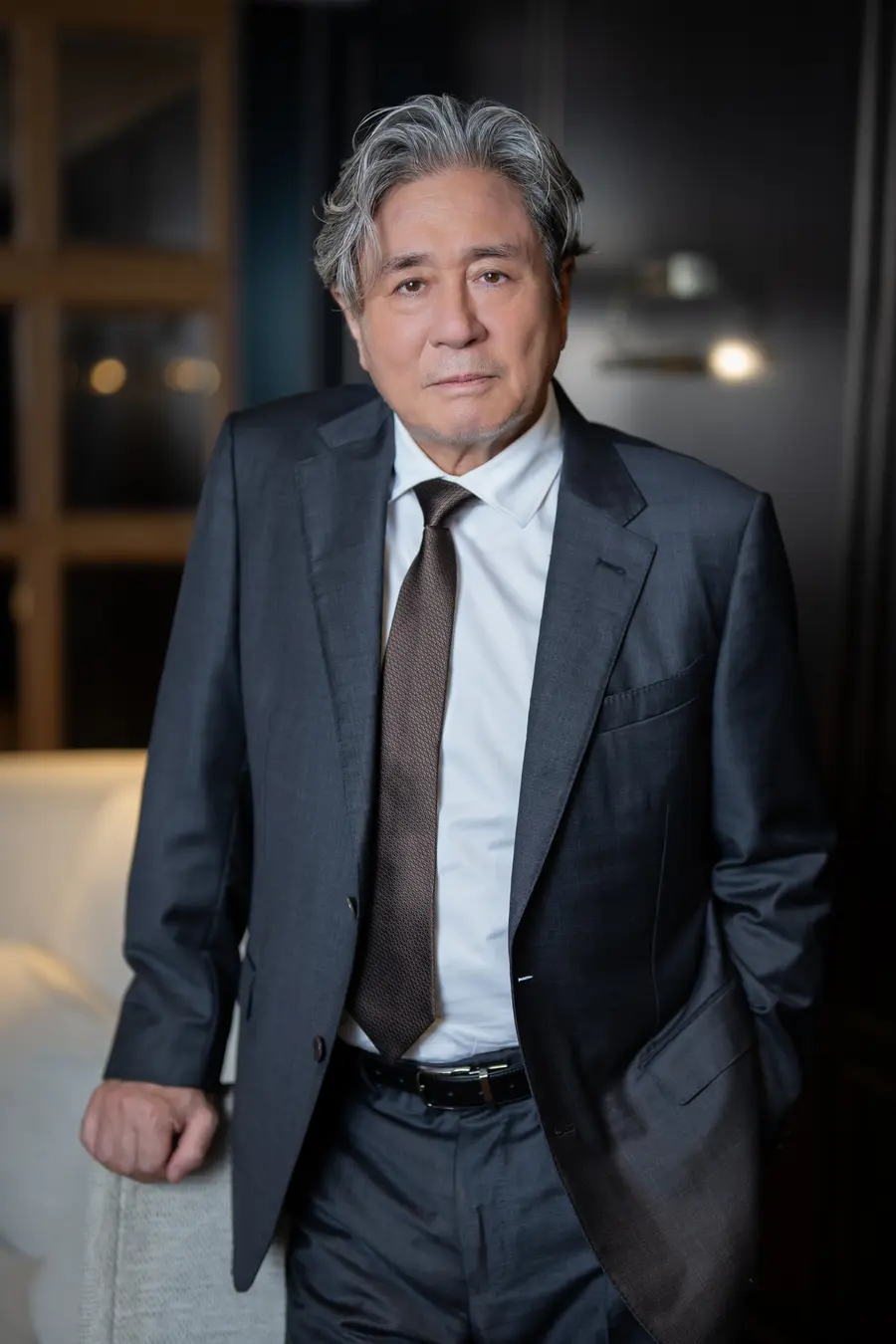
In real life, did you have an elder like Kim Ki-ho?
I had my mentor, the late Professor Ahn Min-soo, professor emeritus in the Department of Theater and Film at Dongguk University. He was a strict man I miss a great deal. Even when we invited him to the preview screenings for Failan or Oldboy, instead of praising the film he’d say, “When you went out to greet the audience, what was that outfit?” He was stingy with praise and rarely said “well done.” Once in college, while setting up a stage late at night, we spread newspaper on stage, ate tteokbokki, and had some drinks—and we got caught and were scolded. Professor Ahn called the stage a sanctuary and said that the moment you sit in front of the dressing-room mirror to apply makeup, you as a person disappear and you enter a sacred time as the character. He scolded us for treating the stage casually by drinking on it. He taught us how precious and pride-filled the job of being an actor should be. Other artists insure their fingers or vocal cords and protect their bodies, so why would actors abuse their bodies with alcohol when the body is their instrument? Later, through director Im Kwon-taek, I heard that Professor Ahn used to tell people privately, “Min-sik is my most cherished student,” and I cried when I heard that.
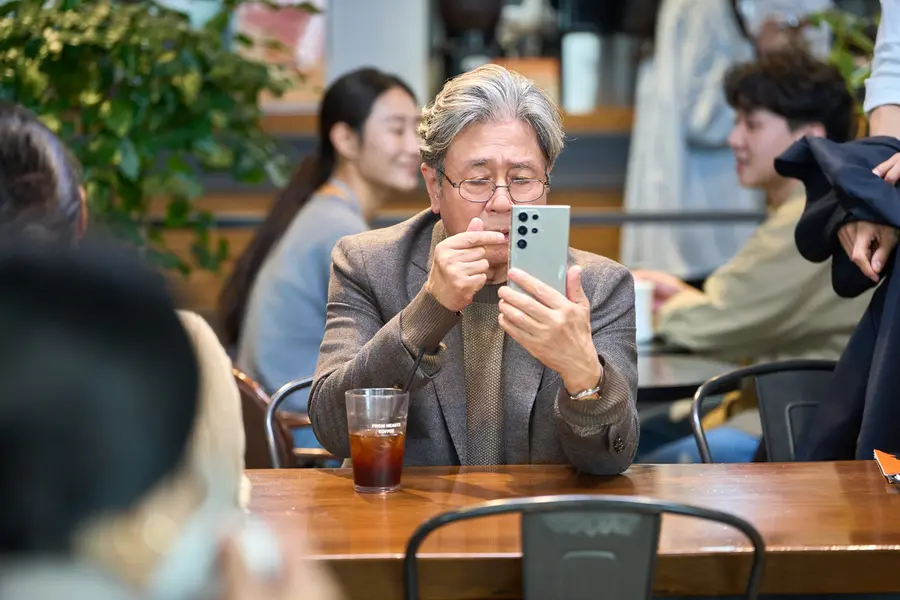
Since the trailer came out, young viewers have been turning lines from your past roles into memes. Are you aware of that reaction?
I know. Strictly speaking, it’s not ideal when echoes of a previous role overlap with a forthcoming character. But it also means that the earlier character left a strong impression, and young people enjoying it as memes is a form of interest, so what can you do? (laughs) I figure it’s just my lot. If it helps publicize 〈Intern〉 even a little, I’m grateful for the promotional effect.
Seeing those reactions, young viewers seem to find you very approachable. How do you think today’s young audiences view you?
Honestly, I don’t worry about it much. I think that’s where hurt begins. I just live my life and want to be free from the things that stem from that. It’s a paradoxical statement—an actor can’t be completely free from audience evaluation. I get upset sometimes too; I’m human. But I try to be free. I go my own way. If I were to obsess over every verdict—“This flopped,” “This was a hit”—I’d go insane. You can’t always do nothing but flops, and you can’t always make 10-million-admission hits. What matters is that for each project I do my best and bring sincerity, and that it was a project I wanted to do. How many flops are in my filmography? But I don’t regret them. You know Failan—it flopped terribly. Yet later it formed a fanbase, and the things I gained from that film, the emotions and messages I wanted to share, were so meaningful. Just because something isn’t popular doesn’t mean its value is diminished. I live for my own satisfaction.
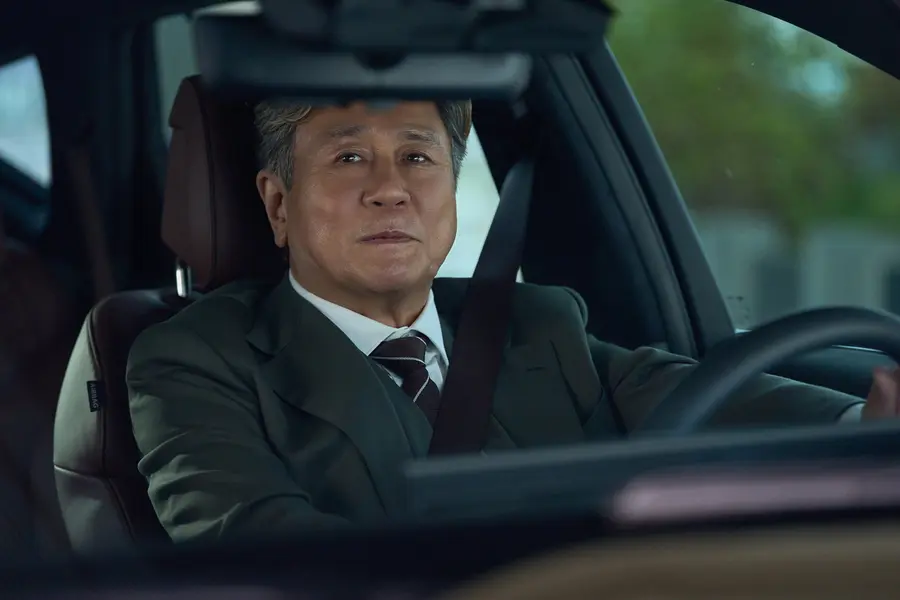
You said your hunger for acting has grown with age. What kinds of performances do you want to pursue going forward?
I try not to become stagnant. This film is part of that effort. One thing I’m determined to avoid is falling into a rut—that’s a warning every creator should keep. 〈Intern〉 carried a lot of risk: the burden of remaking an excellent original. I took on the challenge to break out of my own mannerisms. Whatever audiences say, I wanted to challenge myself. I do want more. I’m not very old, but I’m not young either. My understanding of the world, people, and relationships has deepened and widened in ways I couldn’t before. I want to use that depth and richness—like well-aged kimchi—in my acting and put it to good use on screen.

![[Interview] In 〈Intern〉, Choi Min-sik’s moving wrinkles reflect 46 years in the making: Part 2](https://cdn.www.cineplay.co.kr/w300/q85/article-images/2026-09-14/5899ac63-63a4-495b-87d9-71c1068e8378.jpg)




![[Kim Ji-yeon’s Jewel Box] Yun Sang-jung, a Defining Face for Gen Z](https://cdn.www.cineplay.co.kr/w160/q85/article-images/2026-09-09/5ba5c679-c665-4e98-9170-69d86a560292.jpg)
댓글 (0)
댓글 작성
댓글을 작성하려면 로그인이 필요합니다.
로그인하기