


Blockbuster drama VIVANT, produced by Japanese commercial broadcaster TBS, is fueling cultural and diplomatic friction between the two countries by openly portraying China as an adversary. The series follows a covert intelligence unit that takes down forces threatening Japan’s security. In its recently launched second season, it depicts Chinese characters as brutal perpetrators, prompting strong backlash from Chinese state media and internet users.
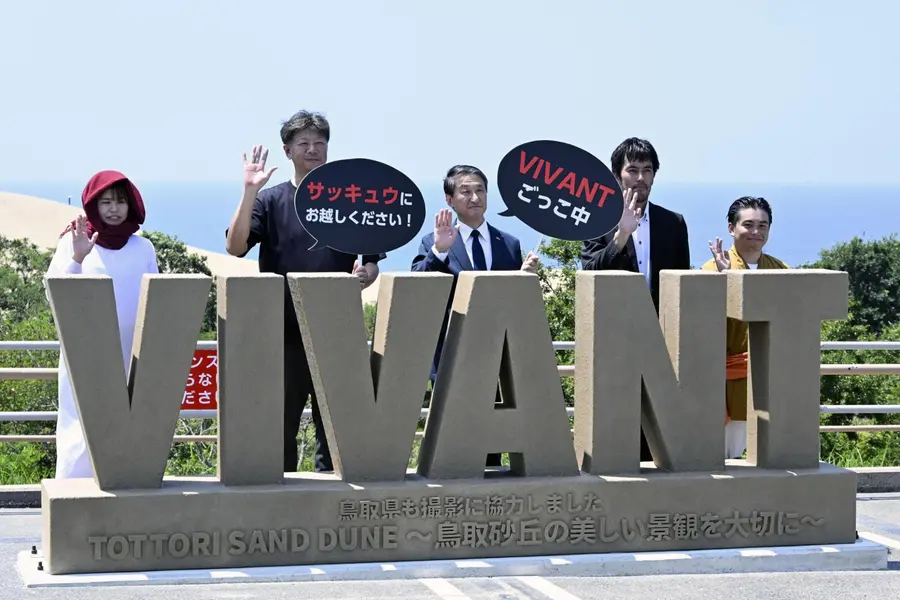
Cultural content sparks China-Japan diplomatic tensions, fueling debate over glorification of the Self-Defense Forces
According to major foreign media outlets, including the Nikkei, Chinese state media outlets China Central Television (CCTV) and the Global Times have expressed serious concern about the anti-China framing of VIVANT Season 2. The drama centers on Beppan, a fictional special intelligence unit whose existence Japan’s Defense Ministry officially denies. It had already drawn controversy from the start of its run for its pronounced nationalist overtones.
Unlike Season 1, which aired in 2023 and made the fictional Central Asian country of Balka the base of a terrorist group, Season 2, which began airing in July, names China directly. In particular, it prominently casts Shinshi, a fictional Chinese intelligence agency in the show, as the greatest threat to Japan’s security.
On Oct. 25, CCTV sharply criticized scenes in which a Chinese intelligence agent tortures a Japanese Beppan operative, cutting off his finger and stabbing him in the abdomen with a knife, in a post on its official social media account. “The scenes closely resemble the brutal torture inflicted by the Imperial Japanese Army during its invasion of China,” the outlet said, adding that “the drama is deliberately reopening historical wounds and fueling confrontation and hostility between the two countries.”
The Global Times, a sister publication of the Chinese Communist Party’s People’s Daily, also reported that VIVANT had seriously damaged China’s national image. According to the outlet, the hashtag “Japanese drama VIVANT slanders China” topped trending searches on Weibo, China’s largest social media platform, on Oct. 25, underscoring the deterioration in public sentiment in China.
Chinese media have also voiced concern about the political intentions they say lie beneath the drama. Their analysis is that VIVANT is underpinned by right-wing propaganda aimed at glorifying the Self-Defense Forces’ overseas military activities and, ultimately, expanding the scope and capabilities of their use of force.
The Global Times paid particular attention to comments made earlier this month by Sanae Takaichi, a prominent conservative and right-wing politician in Japan, who publicly said during a House of Representatives Budget Committee meeting that she intended to watch the drama. China appears highly sensitive to the combination of actions by a leading Japanese politician and overt cultural content.
Public opinion in Japan is also divided over the show. Some intellectuals and internet users have criticized it as “patriotic propaganda designed to create favorable public opinion for the government’s push to expand defense capabilities and strengthen intelligence-gathering activities.” Others defend it as “an excellent work that dramatically depicts the security realities Japan faces amid a changing international situation and the need for security activities.” The debate is increasingly widening into an ideological divide over the drama.











댓글 (0)
댓글 작성
댓글을 작성하려면 로그인이 필요합니다.
로그인하기