



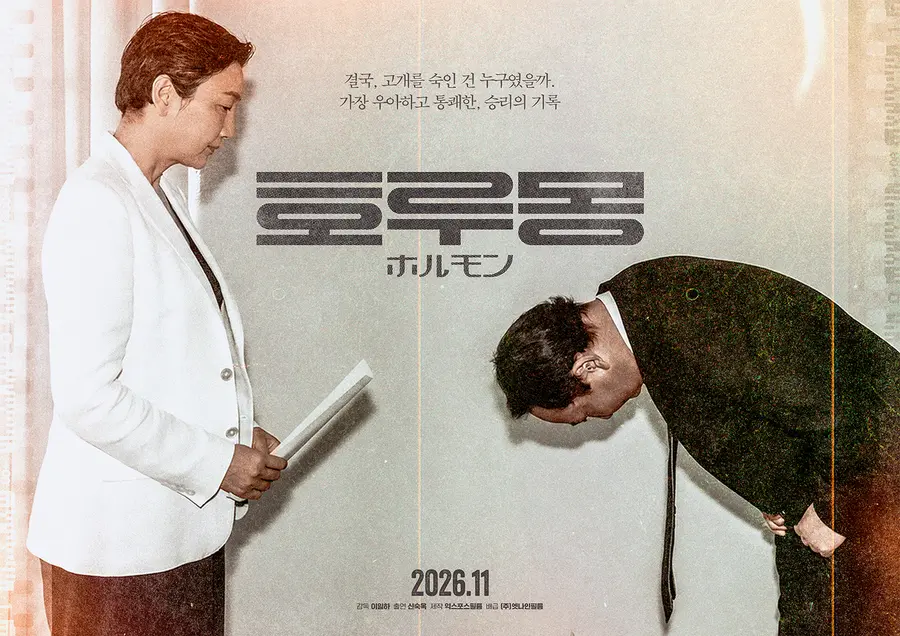
What if, overnight, it seemed the whole world was pointing fingers at you? Could you endure a flood of condemnation based solely on your background, without even a fair chance to respond? One person lived through an ordeal that sounds like something from a movie and ultimately got the chance to tell her side of the story. She is Shin Suk-ok, a third-generation Zainichi Korean and human rights activist.
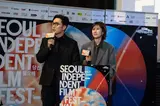
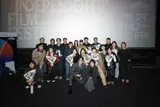
Opening November 11, 〈Horoomon〉 is a new documentary by director Lee Ilha, whose 〈Counters〉 captured the hate demonstrations that were widespread in Japan in the 2010s. Lee was immediately drawn to Shin when he met her at a protest against those demonstrations. He decided to tell the story of her life and how a hateful television broadcast made her a target. The resulting film, 〈Horoomon〉, has reached international audiences at various film festivals, including the Jeonju International Film Festival and the Seoul Independent Film Festival, and is set to open November 11. Here is a look at the press screening and news conference attended by Shin, who visited Korea on an official engagement for the first time ahead of the release, and Lee, who made the film.
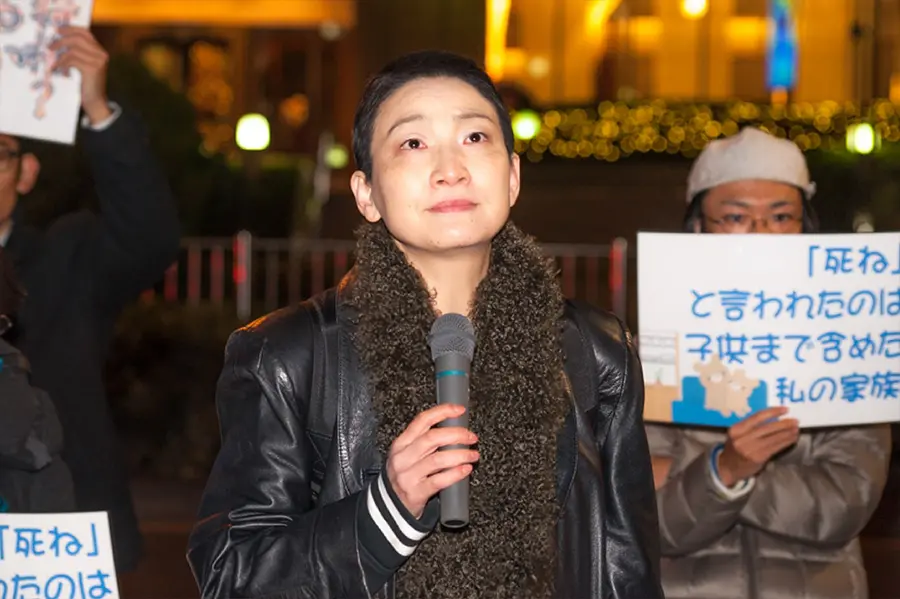
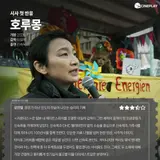
The film follows the way 〈News Joshi〉, a program aired by DHC Television, distorted its reporting on Shin’s participation in the Okinawa peace movement, and her legal response. Citing, among other things, Shin’s Zainichi background and the fact that she once attended a Korean school, 〈News Joshi〉 reported as though she were acting at North Korea’s behest. The report, built on rumors and prejudice without even reporting from the scene, made Shin a target of attacks by Japan’s right wing, including death threats. She initially fled to Germany, but eventually decided to sue DHC Television for defamation.
Unlike narrative films, documentaries are often lumped together under the single label “documentary,” though they, too, take many forms. Some directors make their own voices heard and shape the structure; others stay entirely behind the camera and simply observe. 〈Horoomon〉 largely finds a middle ground between the two approaches. Centered on the legal battle between Shin and DHC Television, it recounts Shin’s life and her family’s story while tracing the history of the Zainichi. Yet even as he builds that structure, Lee inserts none of his own voice or opinions. Instead, he stages moments that embody the film’s overall imagery: the movements of three women who evoke the three generations of Lee Baek-ran, Keiko and Shin, for example, and a dancer and a girl dancing in front of Tokyo Tower. In this way, Lee allows 〈Horoomon〉 to function as a documentary while naturally weaving in Shin’s inseparable Zainichi identity.
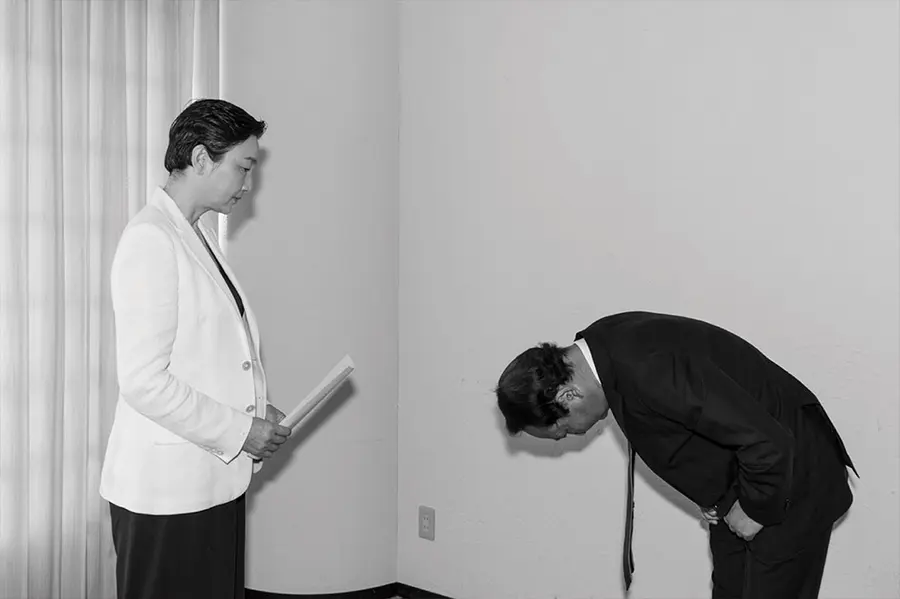
That is how 〈Horoomon〉 holds viewers’ attention for roughly 90 minutes. For audiences who know nothing about Shin or the Zainichi, it naturally sparks curiosity about both. Those already familiar with either subject may wish for a deeper perspective beyond the film’s combination of the two. But given how little attention Korea has paid even to the Zainichi’s century-long history, this straightforward focus on the essentials seems well suited to generating interest in Shin and the Zainichi. With Shin’s books currently out of print and hard to find, 〈Horoomon〉 is especially valuable for the essential insights it offers into her life.
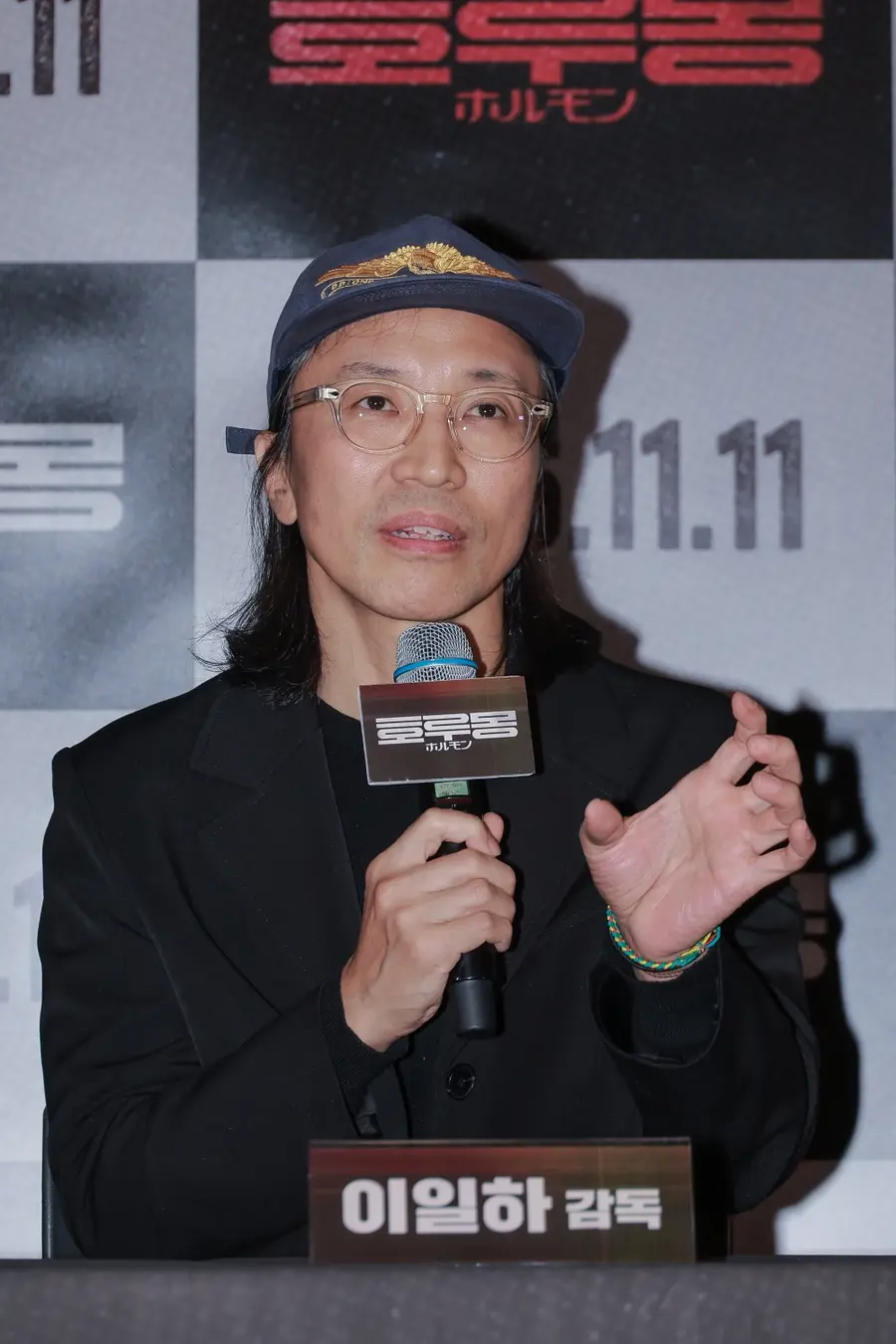
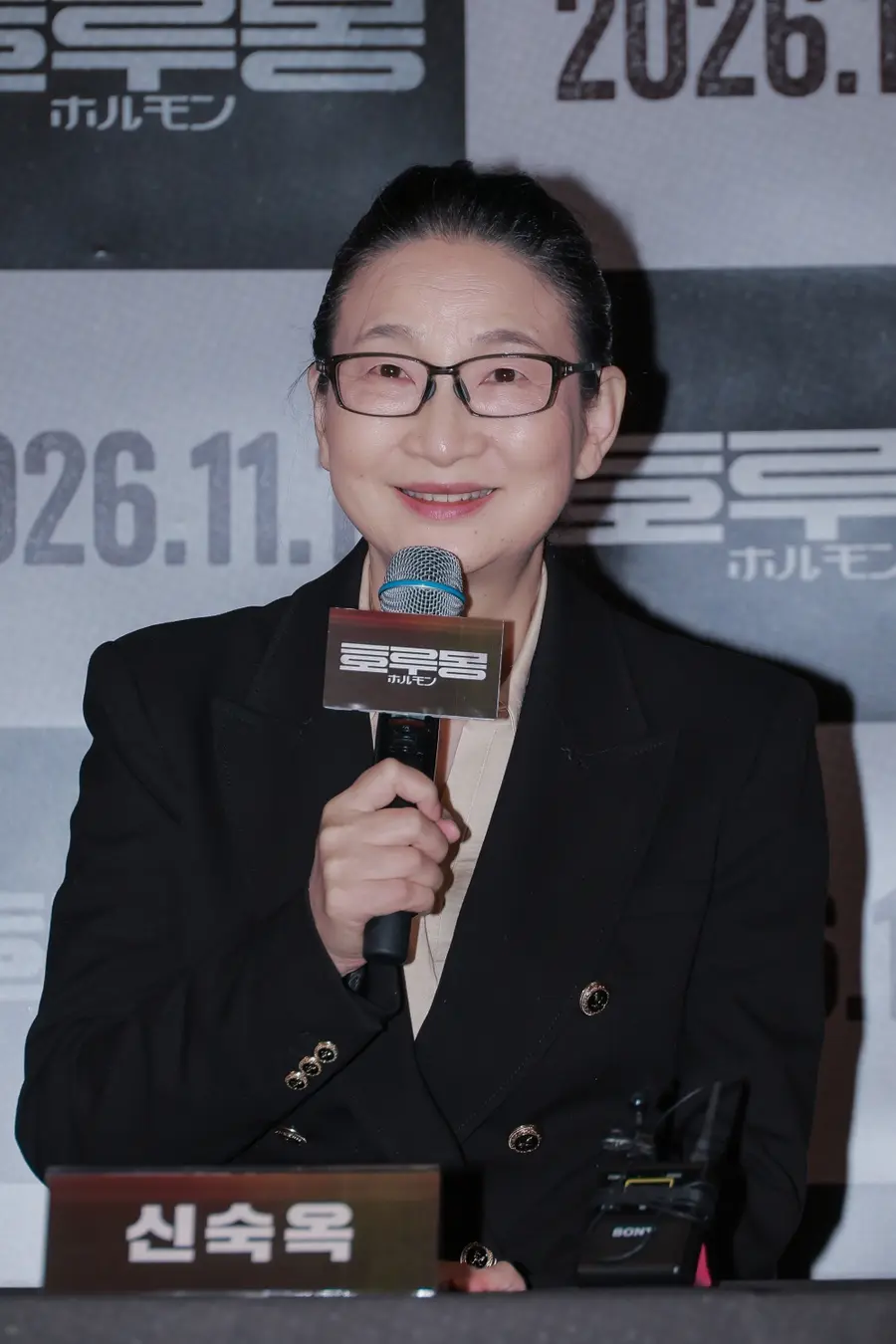
A news conference with director Lee and Shin followed the screening of 〈Horoomon〉 that day. Lee recalled seeing Shin on a discussion program while studying film in Japan. “I was having a hard time as an international student, and when I saw her, I cheered in my room,” he said. He later met Shin for the first time while filming 〈Counters〉 and brought up the idea of a film about her when the legal battle began.
Shin, on the other hand, said that when she first heard about the documentary, she “didn’t want to do it.” But she had seen Lee filming both sides at hate demonstrations when no one in Japan wanted to report on hate speech or the demonstrations. She added that she agreed because she felt it would be “shameful” to turn down a request from a director of a younger generation.
Asked what gives her the strength to continue her human rights work, Shin said, “One thing is Korea’s modern and contemporary history.” She cited the Donghak Movement, the colonial era, the Korean War after liberation, the April 3 Jeju Uprising, the Gwangju Democratization Movement and the IMF crisis. “When I see that Korea achieved democracy despite so many different hardships, I think I must live a life worthy of that. I will live saying, ‘I am Shin Suk-ok, a Zainichi Korean,’” she said.
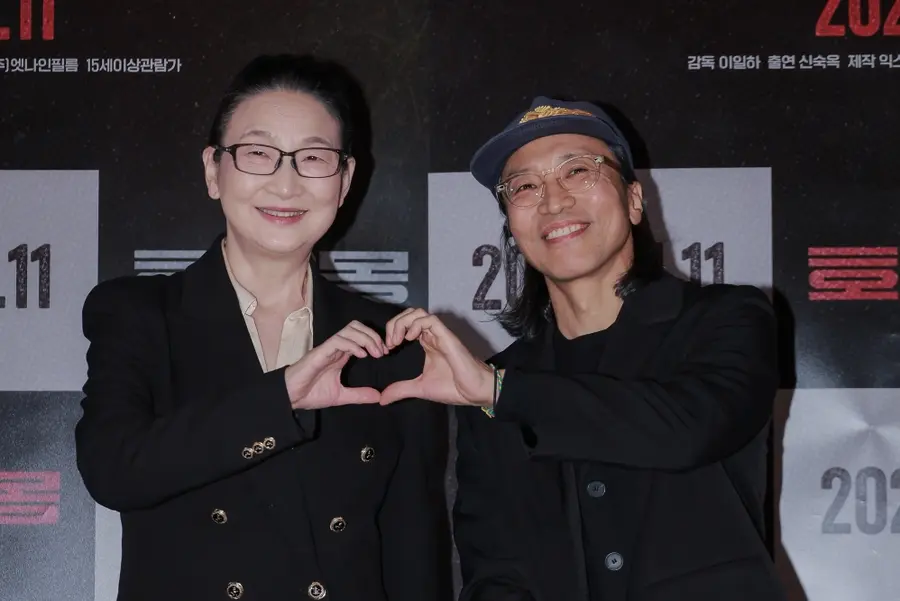
A book titled 〈Horoomon〉 will also be published around the film’s release. “Film and books are entirely different media,” Lee said. “〈Horoomon〉 contains a great deal of information, but I wanted to bring out empathy and an emotional understanding more than information. Still, providing information matters, so I wondered how to do that and came up with the idea of giving audiences a booklet. Then I was asked about publishing an actual book, and I thought we could increase the quality and quantity of information in the booklet. The book is intended to provide information in greater depth and abundance.”
〈Horoomon〉 opens in theaters November 11.



댓글 (0)
댓글 작성
댓글을 작성하려면 로그인이 필요합니다.
로그인하기