



※ This interview with human rights activist Shin Sugok of 〈Horoomon〉 continues from Part 1.
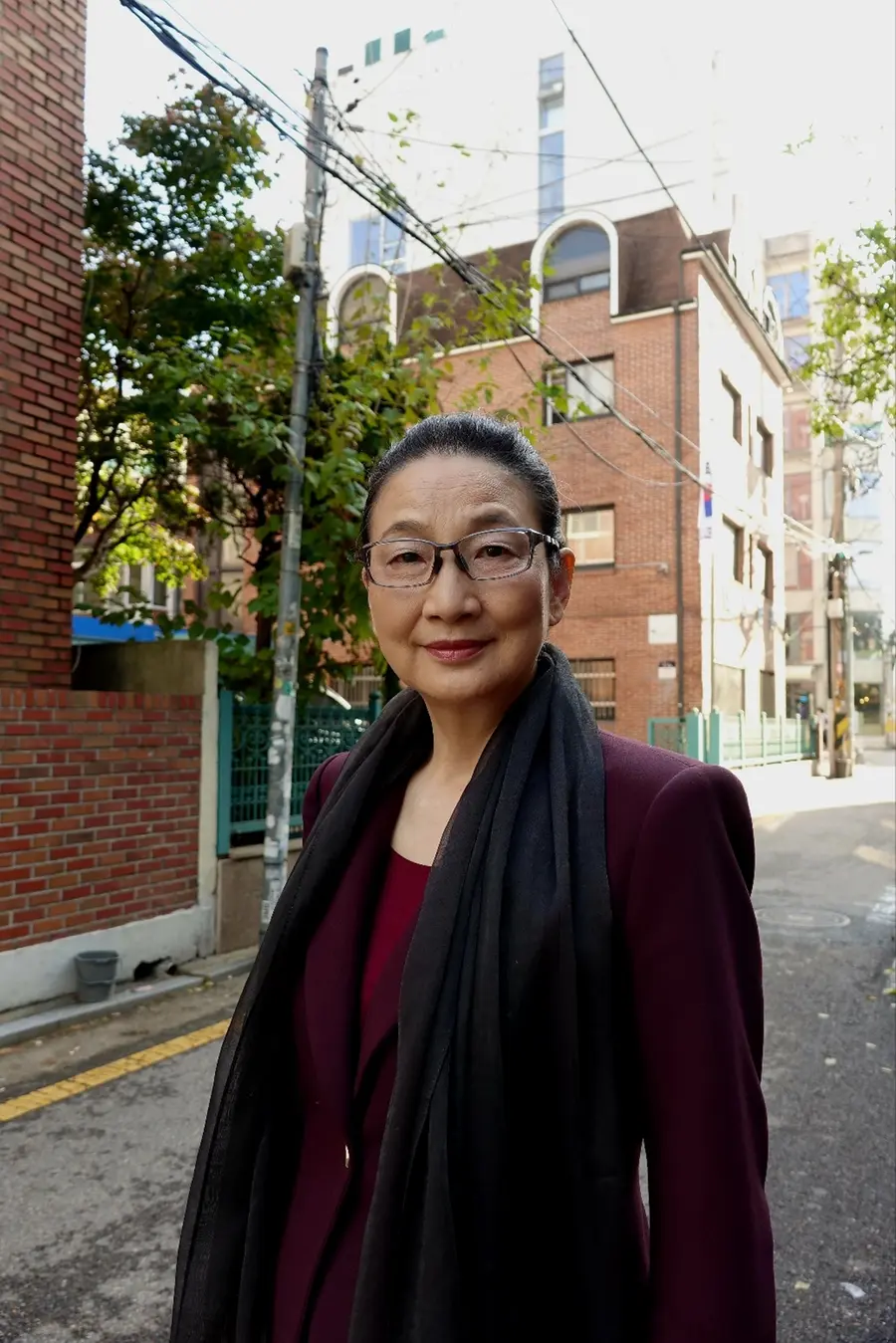
In this age of algorithms, people's beliefs and opinions often become even more entrenched. As a human rights activist, how do you think we can break through that?
I think we need to meet real people, especially people from different backgrounds. In fact, I had a very frightening experience with algorithms myself. Not long ago, I visited adult websites while researching prostitution. After that, that was all that kept appearing on my phone. (Laughs) I experienced firsthand the realization that this is really the world we live in now. It was very frightening, and I felt that looking at nothing but that kind of content could really desensitize you. So I truly believe that “things only change when you go outside and meet living, breathing people face-to-face.” Social media and such are convenient, but I think they're dangerous. Once those things enter their consciousness, some people can't change. That doesn't mean everyone changes, though. So I think regulation is necessary in various ways.
There was a game that was hugely popular 20 or 30 years ago. It was an adults-only game rated 19 and up, but if you went to an elementary school in Japan and asked, “Who knows this game?” everyone would raise their hand and say, “Me!” In the game, women such as comfort women and prostitutes are lined up on the street, and players have sex with them and earn points depending on how brutally they die. Children would say, “When I killed her this way, blood spurted out.” It was heartbreaking. Social media is dangerous. I think AI is dangerous, too. A lot of people use it because it's convenient. Right-wing and far-right people also base everything they say on YouTube. Once, I went to give a lecture, and a very prominent labor movement chairman asked me, furiously, “Why does South Korea always burn the Japanese flag?” I've traveled back and forth to South Korea for 30 years, and I've never once witnessed that. So I asked, “Where did you see that?” He said, “I saw it on YouTube,” and got angry. I thought, “This man could be headed for serious trouble.” Yet there are so many people who believe it's real and protest. I wonder whether everyone finds it terribly bothersome to build solidarity with other people like this, to meet and do things together. The internet is so, so convenient. If a handsome man appears through AI, you think he's cute. But I wonder whether actually meeting people and doing something together causes people enormous stress.
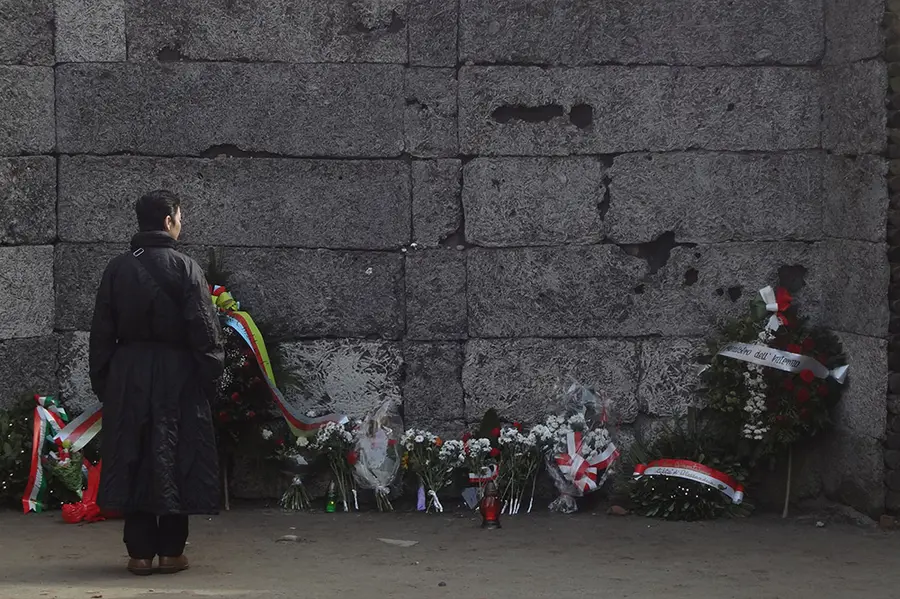
As the film shows, you spent a long time fighting. Were there people who helped you in that struggle?
Japanese people, of course. Because Koreans living in Japan are too afraid. When I held a news conference, I contacted fellow Koreans. There were famous people and professors among them. But not a single person came. One person even said, “Why are you calling me?” They're afraid. They've lived in Japan, and they have to keep living there. It's difficult for them to stand up to hatred and the far-right ideas that have become widespread in Japan. They have families and jobs, and they wonder whether they can protect those things if they speak out about Japan. So there probably aren't any minorities in Japanese society who can speak up to Japanese people. The people who supported me were Japan's minorities.
The people I learned the most from were the hisabetsu burakumin (discriminated-against buraku people), people who are, so to speak, like Japan's outcast butchers. When I asked, “Why are Koreans so unable to build solidarity?” they told me, “Because they've never won. So fight and win.” People with disabilities, victims of human trafficking—all those people who face oppression and struggle to get by—joined hands with me. So when I'm with people from Okinawa, the Ainu, and people who were put on display at an exposition (an incident in 1903 in which Koreans, Chinese, Okinawans, Ainu and others were exhibited at an exposition), we feel good together without having to say anything. We understand one another. Okinawans are Japanese, too, so there must have been various issues, but they asked me to work with them, and they saved me.
They give out passes to observe the trial, but it's a lottery. Even if you arrive early, you don't know whether you'll get in. Yet people with impaired vision lined up two hours early, and people came in wheelchairs from as far away from Tokyo as Kyushu to get passes. Seeing that, I couldn't help crying. For minorities to fight, they need the strength of the majority. For women to resolve women's human rights issues, they need men's help, too. Because men have to change. Unless minorities always fight with the strength of the majority behind them, they can't do it on their own. Poor people can share a meal, but when things get difficult, they leave. That's what it means to be a minority. Not everyone can join hands. Everyone is hurting and struggling. So minorities can't support other minorities. That's the reality. But you can't blame them or hold them responsible for it. Lies are the weapon of the powerless. We tell ourselves, ‘That can happen,’ or ‘That could happen, too,’ and join hands as vulnerable people, trusting that even if someone runs away, they may come back someday. But we can't do anything on our own, so we have to draw on the resources of mainstream society. In my fight, too, 99% of the help I received came from Japanese people. Japanese people—Japan's conscience—nurtured me.
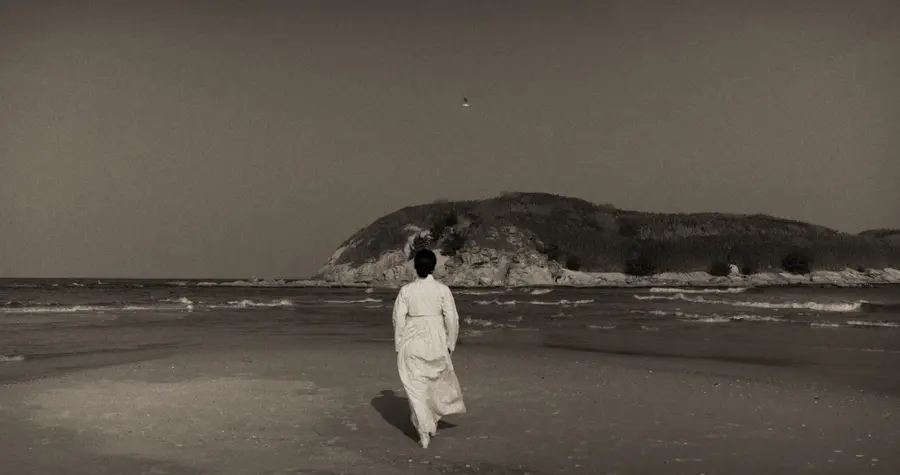
Zainichi Koreans want to do that, too, but they can't. They don't have the opportunity. My friends say, “Shin Sugok, you're wonderful,” but tell their children, “Never turn out like Shin Sugok.” (Everyone laughs) That's love. They don't want them to get hurt. That's why even now, 90% of Zainichi Koreans live under Japanese names. It's not that they're weak; it's a choice they made to protect their children. Japanese society today is a society that forces them to make that choice. But Japan is my home. If you look at Zainichi history, there were forced mobilizations. Tens of thousands of people were forcibly taken to 2,000 locations across Japan. I believe Japan's economy was built on the blood of those Koreans. But that land is my home. If this isn't my home, where is? So I believe I have a responsibility to stop Japan, my precious home, from going wrong. That's why I take action.
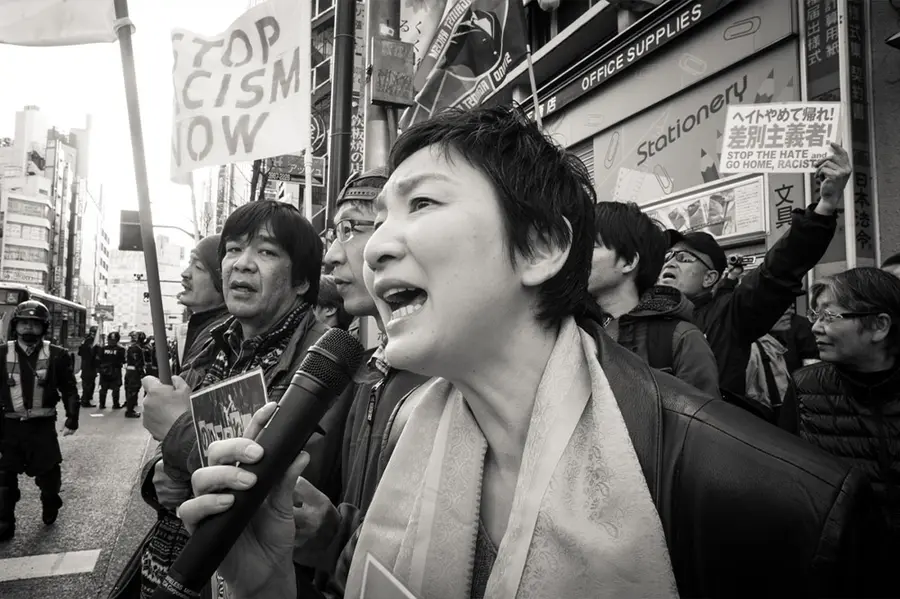
In South Korea, the news people most often encounter about Zainichi Koreans concerns groups such as Chongryon (the General Association of Korean Residents in Japan) or Mindan (the Korean Residents Union in Japan). Do you think South Koreans have misconceptions about Zainichi Koreans as a result?
They do. Under a single colonial rule, there were ethnic Koreans in China, people who acquired South Korean citizenship, and people who returned home. There is also the struggle between North and South, and various other things. South Korea and North Korea divided that up. In my view, Chongryon and Mindan account for 1% to 2% of all Zainichi Koreans. They don't represent Koreans living in Japan. Many people live quietly in Japanese society, like Japanese people. When there is a lot of anti-Korean coverage in the news, or talk about Zainichi Koreans, or racism spreads, all we can do is watch it unfold, trembling.
※ This interview with human rights activist Shin Sugok of 〈Horoomon〉 continues in Part 3.



댓글 (0)
댓글 작성
댓글을 작성하려면 로그인이 필요합니다.
로그인하기