



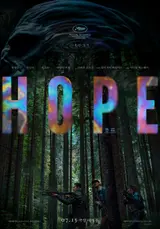
※ This interview with Jung Hoyeon of 〈HOPE〉 continues from Part 1.
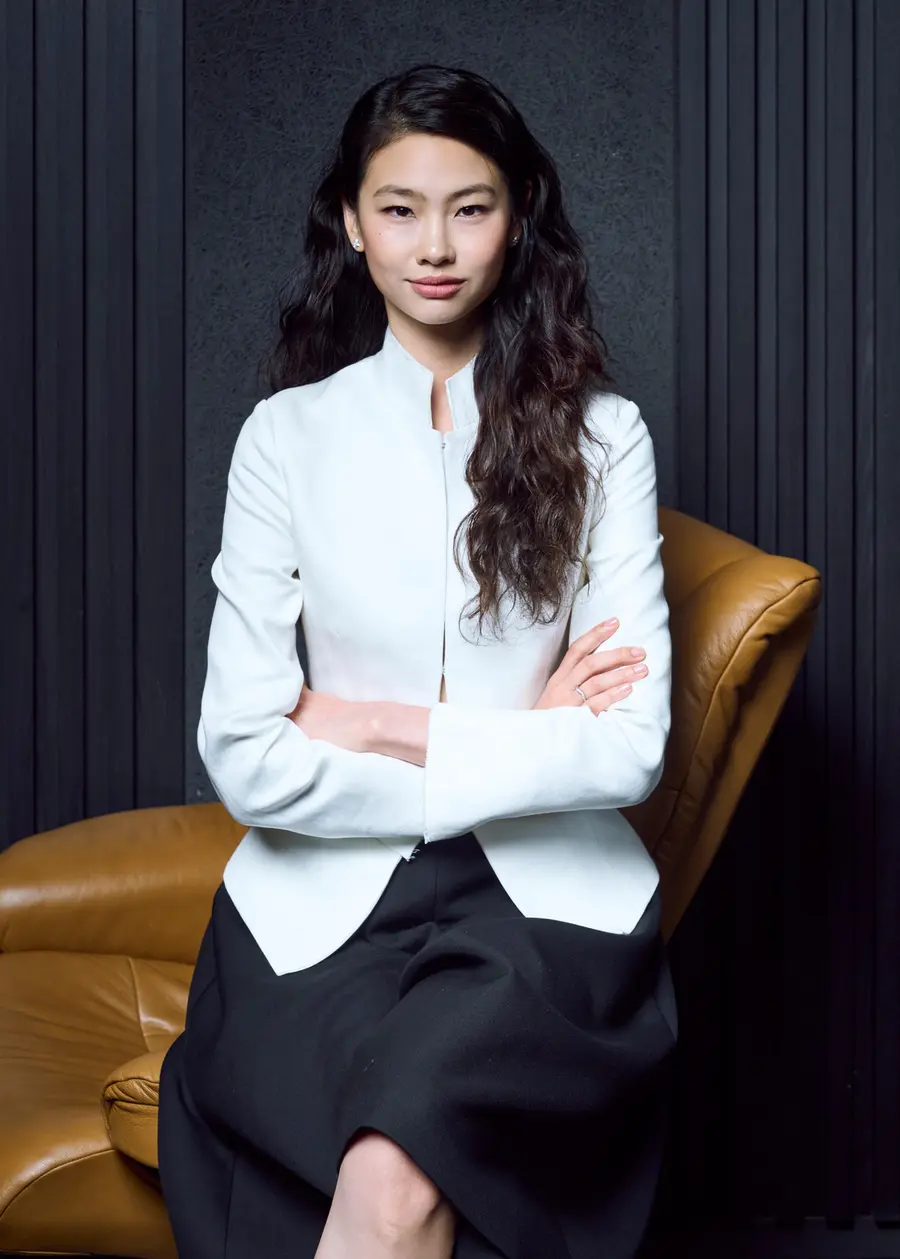
Director Na Hong-jin is reputed not to compromise on set. What was it like to experience his filming process firsthand?
As a relatively new actor, I felt his unwillingness to compromise was a blessing. He would refine details I hadn’t even considered within a few takes, and each subsequent take felt better. Because he wouldn’t give in, I was able to feel freer in front of the camera. There were no unusable takes on his set; every take was a question of "how will we use this?" He never gave the impression that I was doing something wrong. Every take had a purpose—trying this, trying that. My first entrance was filmed without a single cut for more than twenty takes. At first, I was trying to be perfect because I had prepared and had a plan, but after about 20 takes, an actor’s performance tends to shift from what they’re consciously doing to something more instinctive. I think he wanted to capture that—the truly exhausted side of Seong-ae—and then decide in the editing room which take to use. One line of his that stuck with me was: "Pre-production exists for production; production exists for post-production; we shoot for that reason." I could understand that, so I accepted the repeated takes.
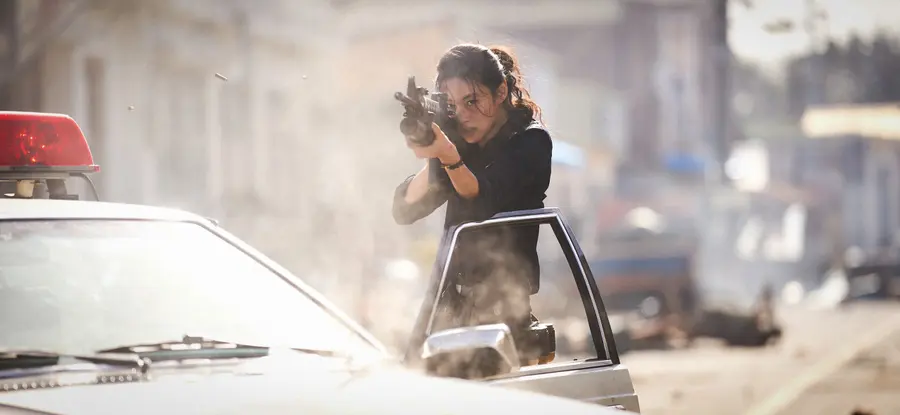
That opening scene really left an impression.
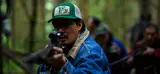
Filmmakers often say a character’s first entrance and exit are important. I don’t know whether my entrance was staged that way out of the director’s consideration or as part of his plan, but we shot it around the middle of production from many angles—probably a day and a half of shooting. At first I was holding the gun with a bright, alert look, but at some point I noticed my eyes had changed. From experience, actors can bring a freshness to a director’s film, and I think that comes from the director’s talent for drawing out unplanned moments. In that sense I was happy—it means audiences get to see a new side of me.
The final sequence has such lively dialogue among the characters. It’s the most energetic scene in 〈HOPE〉—what was it like to shoot?
We didn’t shoot that section many times. It was late in the shoot, and everyone was in sync. The director did a lot of prep work, and the 〈HOPE〉 action team brought together the know-how and talent of Korean film action crews. The stunt members are people who serve as action directors on other films. This was the result of that expertise. I’d love for there to be a chance to celebrate the stunt team later. Many people prepared, and if Plan A didn’t work, there was a Plan B. Typically, films are shot starting with a master shot and moving to close-ups and inserts, but 〈HOPE〉 had exact cut calculations so each portion was shot to the correct sizes without excessive repetition. That likely helped with safety. By that point in shooting, the actors were managing their stamina, so there was mutual consideration. It was a time when we naturally learned to trust one another, so it didn’t feel as exhausting as I expected. The lines in that scene were likely created by the director on set. He suggested we fill the moment with reactions. Around then everyone was talking a lot—cheering and celebrating—so the director would say, "I wish someone would say this or that," and it filled out. Because we were so immersed in the work, the lines didn’t feel difficult. Personally, I felt the director and I shared a similar sense of humor, so all his ideas were good to me.
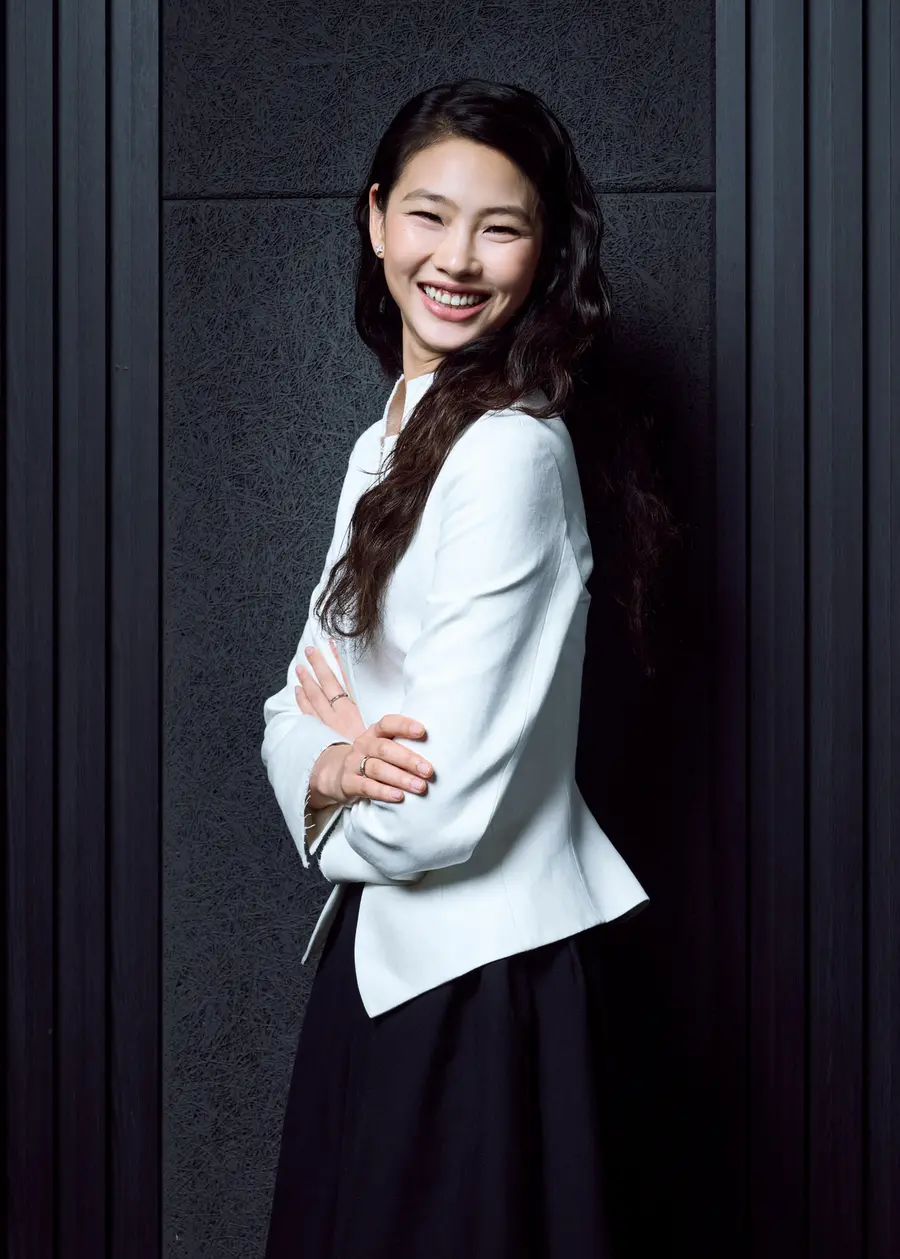
Photos of you traveling recently with Jisoo and Hyeri went viral. How did the three of you become close?
We’re actually the same age. I’d known Hyeri for a while, and the three of us started meeting up through Pilates. We’d been saying "Let’s go to Jeju!" for two years, but schedules never aligned until now. When we tried to book Jeju, there were no openings, so we ended up at a charming mountain lodge in Muju.
After Cannes and the press screenings, is there a reaction that stood out to you?
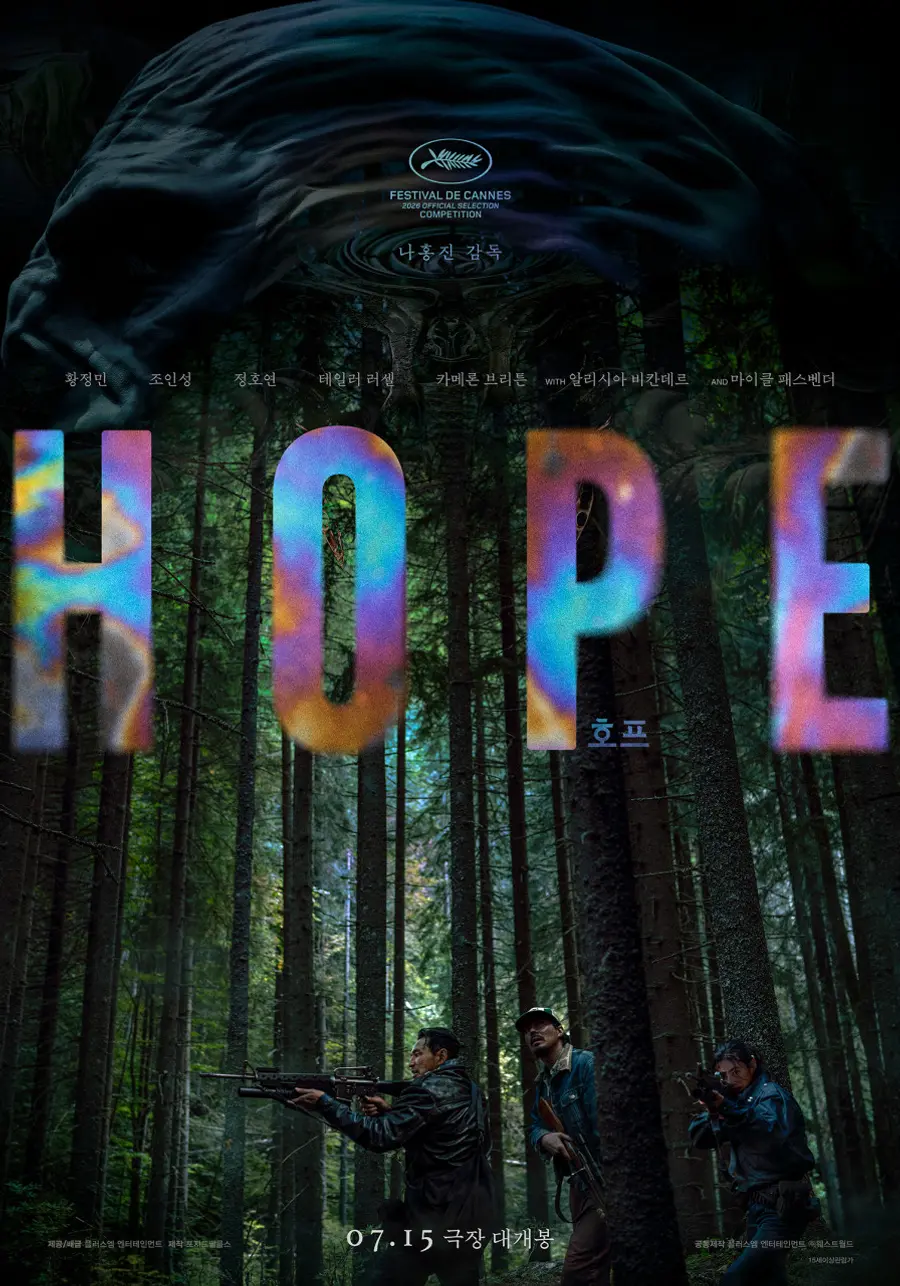
Some described it as bold; others called it daring. I’ve only been part of Korean film for a short time, so I’m cautious saying this, but I felt proud—like Korean cinema has matured enough to attempt bold moves like this. I think such daring and audacious work is possible because of Director Na Hong-jin. I’m proud just to have been part of it. I’m grateful for any assessment of me—positive or negative—because the fact that people are paying attention is a tremendous blessing. Even being asked so many questions makes me feel I’m living a blessed life.
You began as a model before moving into acting. How has your life changed since then?
The work is clearly different technically, but the essence of performing hasn’t changed. I used to travel abroad a lot for modeling, so my lifestyle feels similar, though people recognize me more now. I have expanded my physical expression and range, so there are technical things I’m still learning—I’m studying and training. In other ways it’s stayed the same: my circle of friends and my living space haven’t changed. I still work very hard and try to maintain a thoroughly professional attitude. Maybe that’s why the director said I resembled Seong-ae? (laughs)
Having worked on major films, your range of expression and experience must have grown. How do you feel emotionally?
I recently went to the F1 Grand Prix to take part in an event where I opened a trophy trunk. If I made too much of it, I became very nervous—"I’m doing something so important." I was so nervous that I approached it practically: "Take this many steps, hold your hands this way." I thought through realistic solutions. If I let myself get emotional, my mood would swing between excitement and heaviness. Thinking of it as a task I had to perform made me more at ease. That’s how I try to approach things these days. Right after Squid Game, there was a period when I was anxious about reactions I never imagined. I was afraid my life would change; being swept up by unknown change made me emotionally unsettled. Although I’ve been studying English hard, I felt I wasn’t able to fully convey my thoughts in interviews with foreign journalists. That environment became a burden for a while, and I wanted to give myself time. Rather than rush decisions, I spent time with my people and looked for solutions: if I couldn’t sleep, I ran more; if my English was lacking, I studied; if my stamina was low, I trained. Finding practical solutions reduced my fear of the unknown. That flexibility has been applied to my life.
How would you describe 〈HOPE〉?
While we were filming I approached the role as Seong-ae and focused on Seong-ae’s perspective. Looking at the whole work, the director’s first comment was, "Many events that begin from differences in standpoint go through a series of processes and end in tragic conclusions in life." I think it’s a film about differences in perspective among all things, not just human society. Just as there can be humor in tragic moments, this film weaves that element in well.
What’s next for actor Jung Hoyeon?
Honestly, I really want to try theater. If my schedule allows soon... theater requires preparation and you can’t do other work while you’re on stage, so I’d have to arrange my schedule carefully. After meeting directors who work with long takes, I thought it would be interesting to extend that kind of sustained performance—it could help me grow as an actor. I want to experience living on stage as the character. It’s not something I’m jumping into immediately, though. The senior actors I met on set—Cate Blanchett (laughs) and Hwang Jung-min—have both done theater. Many international actors started in theater. Someone said, "The ultimate performance for an actor is the stage." Once you step on stage, it’s entirely the actor’s responsibility. I want to try that very intimidating experience. (laughs) I also enjoyed Jin Sun-kyu’s 'Noraebang Gaseo Yaegihalrae.' Recently I saw my American friend Ayo Edebiri in a production of Proof, and I was so envious.
![[2026 BIFF] Ann Hui wins Camellia Award, Michelle Yeoh named Asia Filmmaker of the Year as 31st Busan International Film Festival opens](https://cdn.www.cineplay.co.kr/w300/q75/article-images/2026-10-08/cdb085ec-1961-4308-b456-2b2fc4a48a9e.jpg)

댓글 (0)
댓글 작성
댓글을 작성하려면 로그인이 필요합니다.
로그인하기