


※This interview with Sul Kyung-gu of 〈Possible Love〉 continues from Part 1 and Part 2.
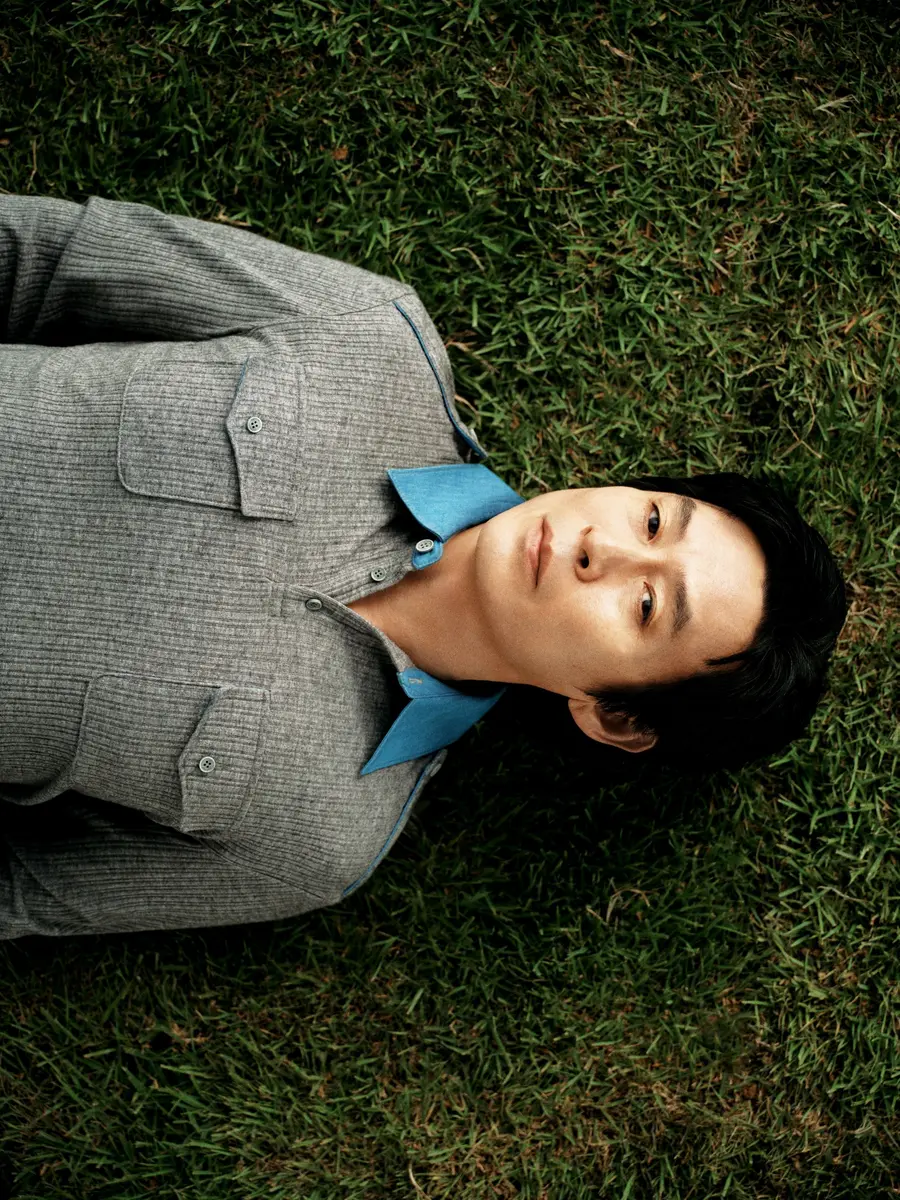
Jeon Do-yeon said her outlook on acting changed considerably after 〈Secret Sunshine〉. As you have continued working on other films since 〈Peppermint Candy〉 and 〈Oasis〉, what changes have you felt in yourself as an actor?
I think I just change depending on the director. I don't know about my philosophy of acting, but I think I'm an actor who tries very hard to give the director what they want on set. I get a lot of criticism for that, too, but I think I've always felt I should adapt to the director. Everyone is different. With director Lee Chang-dong, though, I suppose I've become somewhat familiar with his approach. Not because we've worked together often, but because, thinking back to those earlier experiences, I know what he wants. When I work with director Byun Sung-hyun (〈The Merciless〉, 〈Kill Boksoon〉, among others), I can't do it this way. Byun wants you to express things, and angles matter to him, so I have to give him that. I do think I change a little each time.
Jeon Do-yeon said Lee Chang-dong's set is not a place where you should arrive with something prepared. Did you also build your performance on set rather than preparing something beforehand?
The director is so adamant that we shouldn't prepare anything. Do-yeon, too, just memorizes her lines and comes in; she doesn't work something up beforehand. But unless your head is just an accessory, you inevitably start doing something as you read the script. You try not to do that as much as possible. You try not to prepare. So in a way, I suppose you just put it in your head without attaching any emotions to it. Then you go to the set and do what you feel there. He doesn't like you expressing things. He told us not to express anything. Just to feel.
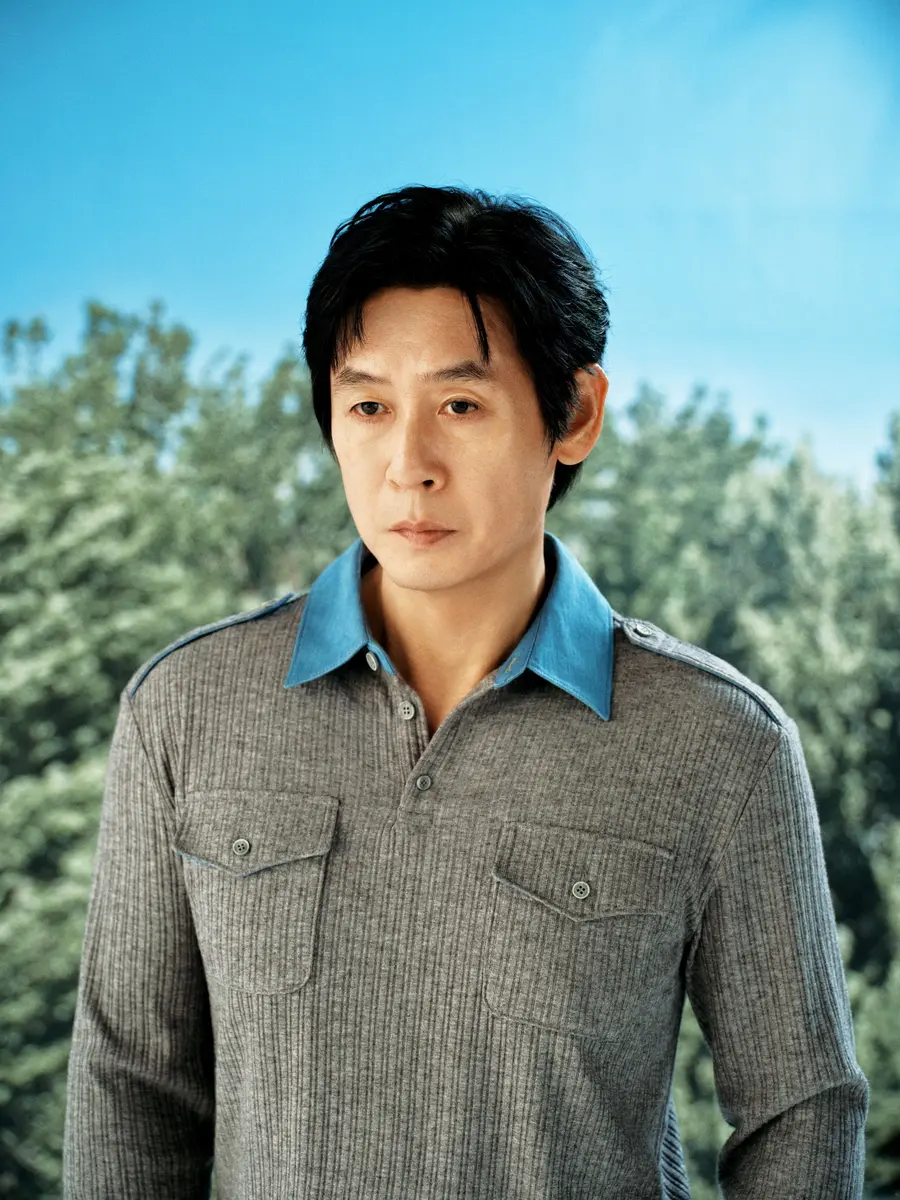
In your recent projects, your characters have stood out visually and had striking premises. In this film, you seem genuinely raw and unadorned. Which of those two kinds of performances is harder and requires more thought?
For me, 〈Possible Love〉 is harder. When you express something, you feel like you're doing something, but the director tells you absolutely not to express anything. After he calls cut, if he senses something, he'll ask, ‘Did you feel something?’ I'll say, ‘Yes,’ and he'll say, ‘That's enough.’ Actors working with Lee Chang-dong for the first time come prepared. They try to express things, to emphasize particular words. We jokingly call it the ‘room of truth,’ and they get dragged in there. (Laughs) He'll say, ‘Don't express it. You don't talk like this in everyday life.’ When he tells them absolutely not to express anything, they can be taken aback. ‘My job is to express those things, so why is he telling me not to?’ Byun Sung-hyun, especially on 〈Good News〉, wants you to express things. If he says, ‘Express it,’ I say, ‘Got it.’ If I'm told, ‘Don't,’ I have to figure out how not to. I adjust to the director's notes.
I'm curious what ‘acting without expressing’ means in concrete terms for an actor, and whether there are any acting habits you consciously abandoned in Lee Chang-dong's films. Has his direction changed compared with 〈Peppermint Candy〉 and 〈Oasis〉?
You're trying not to do anything. That's why it's difficult. At the extreme, he'll even tell you to do it as though you're reading from a book, stripping everything away. Take it all out. If you look at this scene alone, this shot alone, you've done nothing. But I think he wants those things to accumulate, however subtly. Each person builds them up and lets them seep in. That's why it really stayed with me. There aren't any extreme lines, any big-impact scenes, or any provocative dialogue. I think he told me ‘Don't act’ on 〈Peppermint Candy〉 and 〈Oasis〉, too. Don't worry about getting the lines or their order wrong. Don't come prepared. This time, I think he just said, ‘I want you to live.’ ‘I want you to simply blend into the frame and live there.’
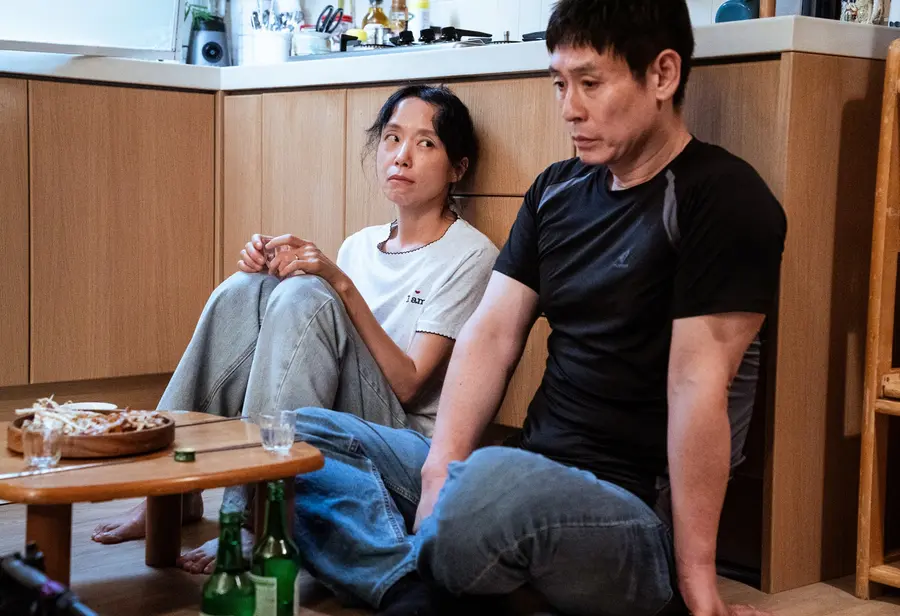
You and Jeon Do-yeon, in particular, felt so much like a married couple in the film. What was it like working together this time? Even at public appearances, the way she casually nudges you and talks to you like a longtime spouse has drawn attention. It made me think she must be someone you feel very comfortable with.
Was there even anything to call chemistry? We just lived. Right there inside the frame. She probably does that because she's comfortable with me. That has to happen naturally. We never said, ‘Hey, let's act like a married couple.’ We didn't agree on anything beforehand. We didn't plan anything or rehearse. We'd get to the set to rehearse and realize there wasn't anything to rehearse in this film, either. Do-yeon was the only one running lines. Was I saying any lines or doing anything? I'm silent so much of the time. Where else would you find such a good partner? Jeon Do-yeon probably felt more pressure, actually. She's the one who explains everything about me, has her own past, and carries everything forward. I think Mi-ok is the character who most fully embodies the lead, and she probably felt an enormous sense of responsibility and pressure.
Come to think of it, whenever you've worked with Jeon Do-yeon, your characters haven't exactly met under happy circumstances. I always find myself wanting to see you in another film where the two of you can meet with smiles.
I hadn't thought of that. Wouldn't it actually be awkward if we met smiling? (Laughs) I went in for an overnight shoot, and Do-yeon said, ‘Oh, how am I supposed to shoot all night with the taciturn Sul Kyung-gu?’ Then she asked for scissors and started cutting my hair. My hair needed to match the previous scene for continuity, but she thought it was a little long and cut it herself. It felt very strange. Not in a bad way. We just felt like Mi-ok and Ho-seok. So I just said, ‘Do whatever you want.’
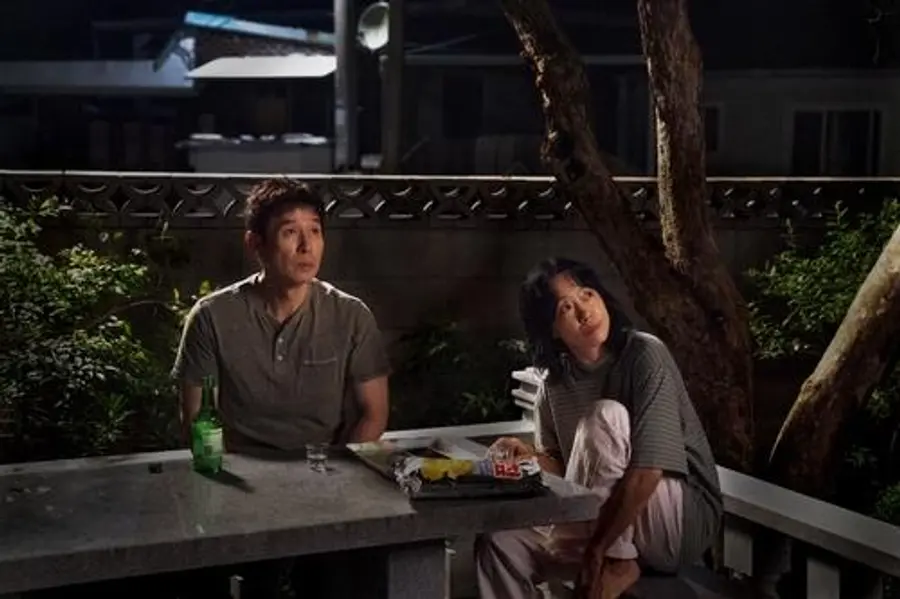
The scene that best captured your chemistry was the one near the end where the two of you drink on the wooden platform under the moonlight. Jeon Do-yeon's ‘Bullshit’ line was memorable, too.
I really like that scene. We're talking about nothing much. We tried the ‘Bullshit’ line in lots of different tones, too. I don't know how many takes we did, but I liked them enough that I would have been happy with any of them. Just that feeling, that ease on the wooden platform. Some people saw hope in that scene, too. Of course, he did get a little better after the interview at the vacation home. I heard that professional therapists also said something along those lines (about the healing effect of talking). And in that scene, it feels as though Ho-seok, who has been enduring and hanging on day by day, is now trying to start living again. The very fact that he sits down again on that wooden platform, a place he doesn't want to remember, a symbol of failure and betrayal, says something. Even though his usual spot is in front of the refrigerator. But honestly, beyond the hope, I also felt a certain loneliness. Nothing has improved, and as it overlaps with the moon over Wolmido when they were young, they seem like two people who have changed so much, who have lost so much. The full moon Mi-ok and Ho-seok saw over Wolmido back then seemed so full of hope, as though their hearts were full to bursting. Now Ho-seok is empty inside. There was something so lonely about that.


댓글 (0)
댓글 작성
댓글을 작성하려면 로그인이 필요합니다.
로그인하기