


I’m drawn to music in movies. Sometimes, music conveys a character’s private feelings that images and dialogue alone cannot fully express. It can also offer a window into a creator’s hidden intentions. For me, understanding a film’s music has been one way to reach the film itself. In “Choo Ah-young’s Music Box,” I listen more closely to what films have to say through their music. (P.S. I hope you’ll listen to the music as you read.)

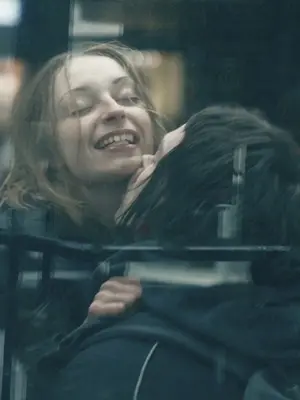
A haze of acrid cigarette smoke drifts across the frame. On the street, a man and woman cling to each other and kiss. Electronic music plays over the image, and a woman’s sobs—whose, we cannot yet tell—break through it. In the next shot, the film reveals who is crying. The man disappears, and the woman he was kissing is left alone. She bursts into tears and says, “You’re all I need.” From its opening, 〈Heaven Knows What〉 establishes how images and sound resonate in the films of brothers Josh and Benny Safdie. The camera renders the harsh lives of New York’s streets with realism, while dreamy electronic music clashes with those images to complete the magic of a Safdie brothers film. In their work, that dissonance does not steer the audience’s feelings in a single direction; it opens up another dimension. I took another look at the moments when the music in 〈Heaven Knows What〉 conspires with the images to make magic.
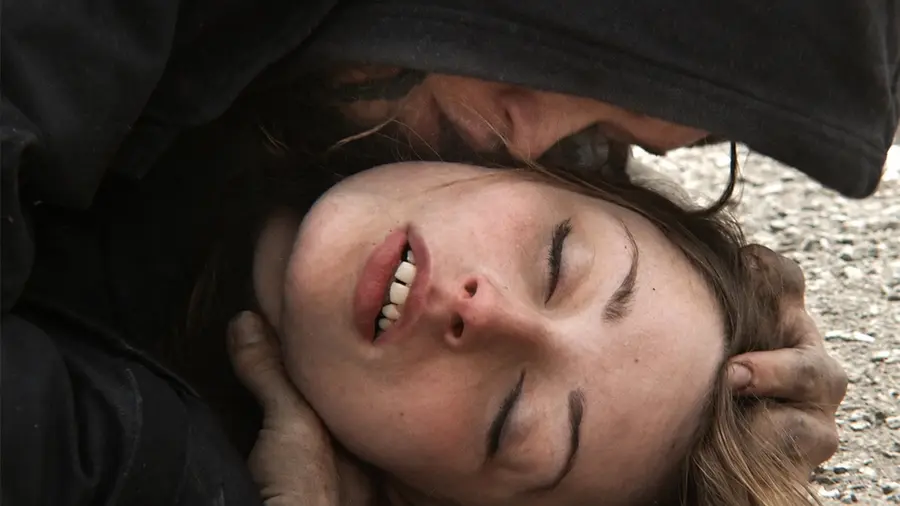
Harley (Arielle Holmes), a homeless woman addicted to heroin, is trapped in a self-destructive relationship with her boyfriend, Ilya (Caleb Landry Jones). After repeated conflicts, she leaves him and returns, again and again, unable to break free of love and desire. On New York’s unforgiving streets, the two continue a precarious life marked by recurring drugs, violence and obsession.

〈Heaven Knows What〉 adapts 「Mad Love in New York City」, the memoir of heroin addict Arielle Holmes based on her own experiences. The film preserves the source material’s realism. Rather than laboring to explain Harley’s past, it borrows from cinéma vérité to depict a life consumed by drugs and love, existing only in the present. Through spontaneous camera work in 〈Heaven Knows What〉, 〈Good Time〉 (2017) and 〈Uncut Gems〉 (2019), among other films, the Safdie brothers have brought to light truths about life hidden beneath the surface of reality. Of these films, 〈Heaven Knows What〉 stands at the beginning of the process that solidified their worldview. But whereas cinéma vérité is a documentary approach that reveals truth through observing and engaging with reality, the Safdies reconstruct that reality as an unstable sensory experience through exaggerated speed and music. The characters’ daily lives look real, but the density of time and emotion within them feels closer to a hallucination.
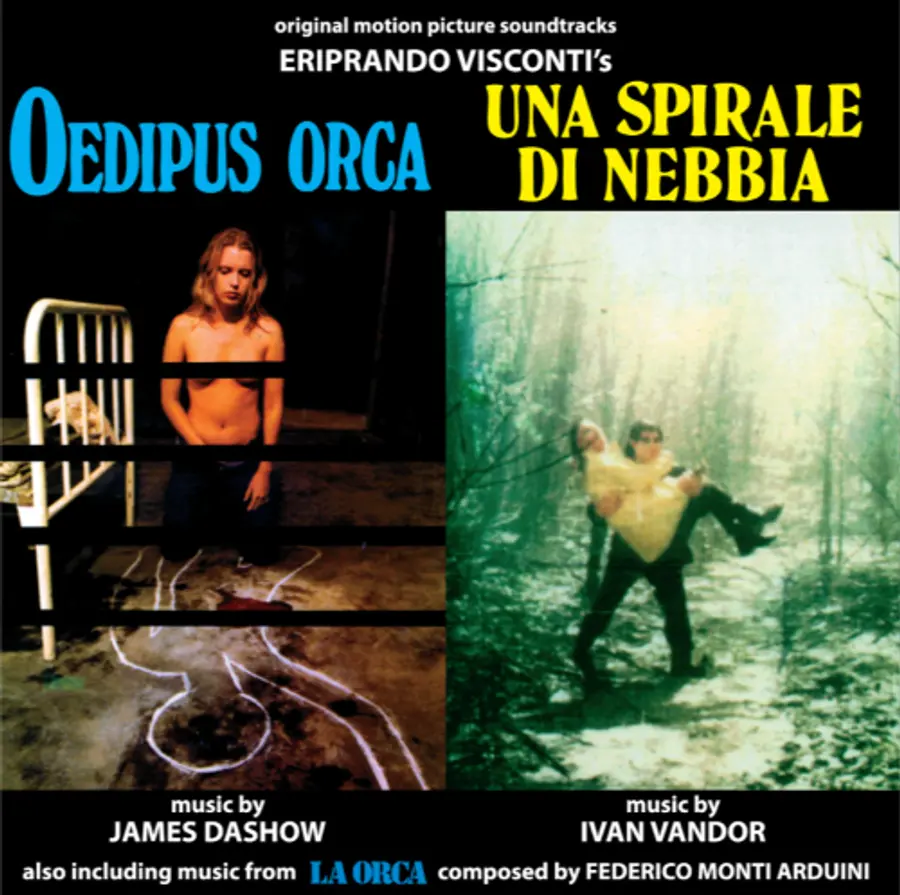

James Dashow’s “Oedipus Orca (Theme from “Oedipus Orca”),” heard in the film’s opening, makes that hallucinatory quality unmistakable. Originally, the piece was experimental film music from the 1970s that combined electronic sounds and jazz. By placing it at the opening, the Safdies convey Harley’s love as something strange and adrift. Here, the music expresses a sense of loss Harley cannot fully put into words. The editing also lets us hear her sobs before we see her, giving sound a head start. The audience is caught up in Harley’s emotions before seeing her tears, then looks at her face when it appears on screen. This gap between sound and image reveals the invisible distance between the two characters. Their bodies are pressed together, but the music and sobbing deny that intimacy, creating a fracture within the frame.
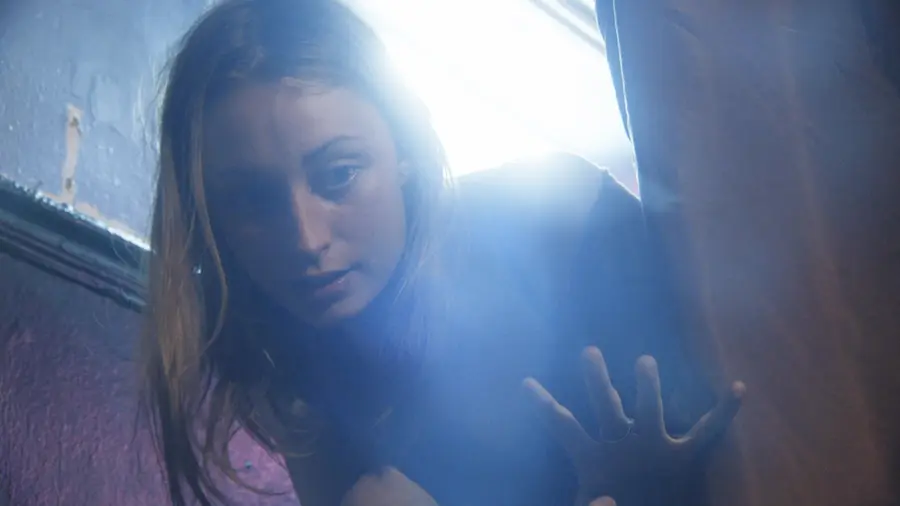
Japanese electronic musician Isao Tomita’s “Suite Bergamasque: Clair de Lune, No. 3” reworks Claude Debussy’s “Clair de Lune” on a synthesizer. Tomita’s piece preserves the original’s lyricism while transforming it with the synthesizer’s cold, cosmic tones. In 〈Heaven Knows What〉, it is not romantic background music but an auditory device that lets us hear the moment Harley’s reality tips toward hallucination and loss. The tension in 〈Heaven Knows What〉 comes not from a meticulously constructed narrative but from the characters’ unpredictable movements and paths, and the mounting force of their destructive emotions. The music does not rush to rescue them with romance; it intensifies the sensations in which they are caught.

















댓글 (0)
댓글 작성
댓글을 작성하려면 로그인이 필요합니다.
로그인하기